&imwidth=800&imheight=600&format=webp&quality=medium "US Supreme Court not to issue ruling on future of Trump tariffs on Friday")
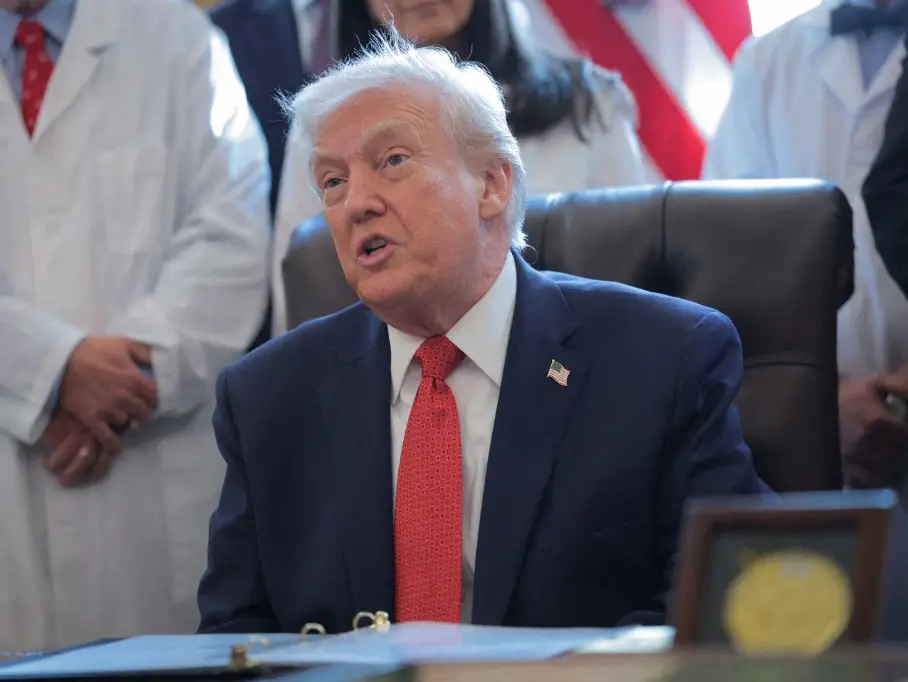
The US Supreme Court did not rule on challenges to President Trump's tariffs on Friday (09 Jan), leaving investors and global markets in suspense over the US administration's key economic policy. Earlier, it was anticipated that the Supreme Court could rule on at least one issue pertaining to President Donald Trump's tariff war, as several major cases are pending in courts, including the litigation challenging the legal validity of the sweeping global tariffs. The apex court has scheduled January 9 as an "opinion day" for the multiple cases related to the ongoing tariff onslaught.
The court also did not provide any deadline for when it will issue its next opinion, but it is expected to schedule more releases in the next two weeks.
Following the news of the Supreme Court deferring the decision, online betting website Polymarket now shows just a one-in-four chance that the court will rule in Trump’s favour.

The case is viewed as a landmark judgment as it is anticipated as a test of presidential power as well as of the court's standing on Donald Trump's far-reaching assertions regarding the authority of the president since he returned to power in January 2025. The outcome is expected to have a significant impact on the global economy.
The major issues in front of the court are first to decide whether the administration has the authority to impose tariffs under the International Emergency Economic Powers Act (IEEPA), and secondly, if the tariffs are found encroaching on the limits of presidential power, whether the United States have to reimburse the importers who have already paid these tariffs.
Also Read: 'Temporarily leave Kyiv': Mayor urges residents after Russia hits Ukraine with Oreshnik missile
Trending Stories
)
Why asking questions could be more important than memorising answers
)
Osama Bin Laden ‘planned’ to target India, CIA reveals dozens of declassified documents
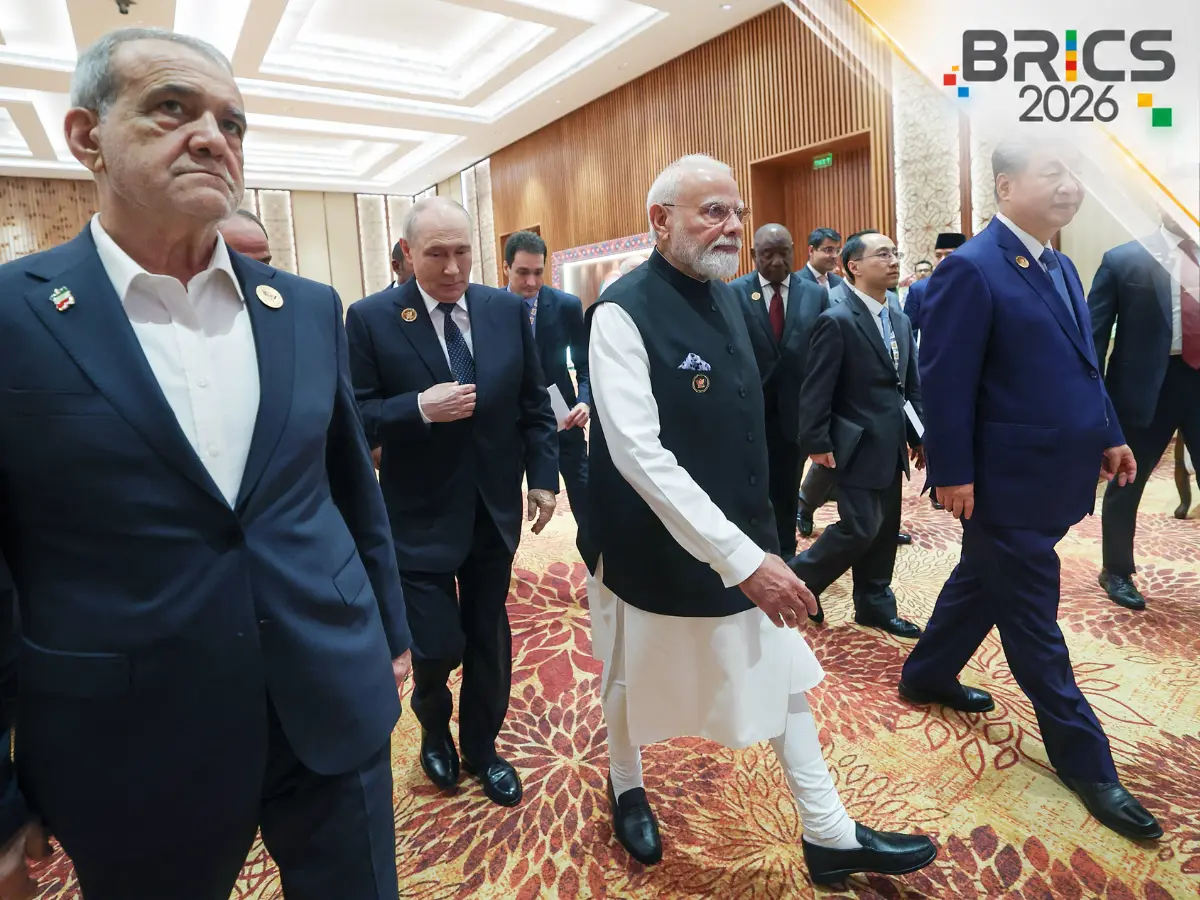)
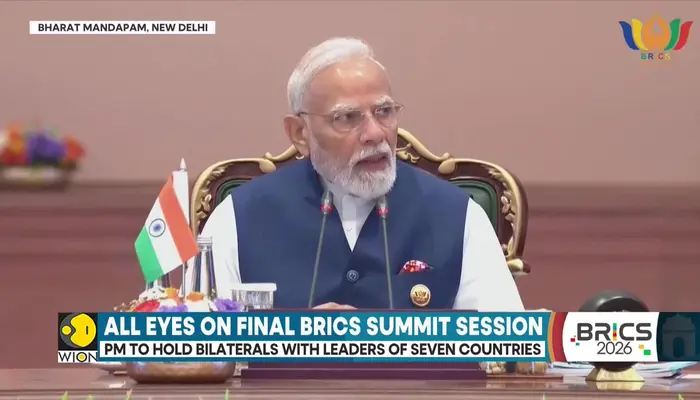
'Iran won't surrender': Pezeshkian sends blunt message to US while attending BRICS Summit in India
)
BRICS Summit 2026: Global leaders of BRICS nations attend main open session
)
Celine Dion makes emotional stage comeback after six years: 'I'm so delighted to see you'
)
PM Modi and China's Xi offered to help resolve Russia-Ukraine war: Kremlin
)
Why dehydration is the hidden cause of travel fatigue on long flights
&im=FitAndFill=(700,400))
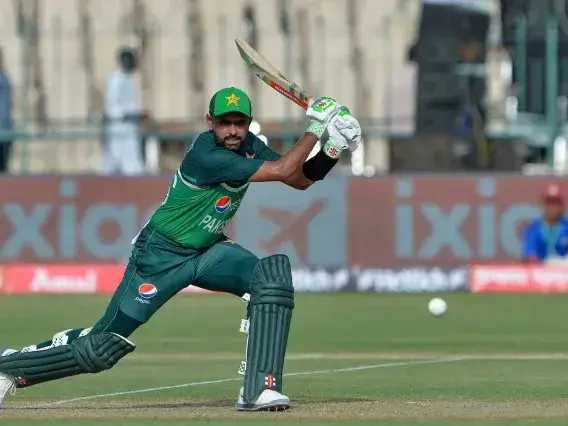
Meet top 5 batters fastest to 3000 runs in T20Is
)
Top 5 places to visit in Goa beyond its famous beaches
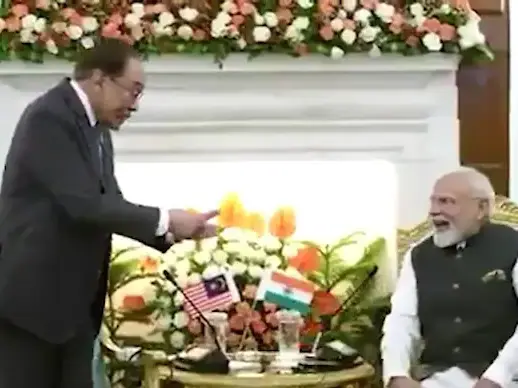)
'He is popular...': Malaysian PM Anwar Ibrahim's praise for PM Modi during bilateral meeting | WATCH
)
BRICS Summit 2026: PM Modi, Xi reach key consensus on ties, China to assume BRICS chairmanship in 2027
)
BRICS Summit 2026: Consensus on joint declaration, diplomatic win for India
)
Trump says Canada eager to reach a deal, it could come ‘fairly soon’ if Ottawa treats US farmers better
)
‘Partners, not rivals’: Xi outlines four point plan for stronger India-China ties
&im=FitAndFill=(700,400))
Why Chinese PL-15 air-to-air missiles use dual-pulse motors compared to European interceptors
)
Could staying indoors all day affect your health?
)
BRICS Summit 2026: PM Modi addresses Day 2 of 18th BRICS summit
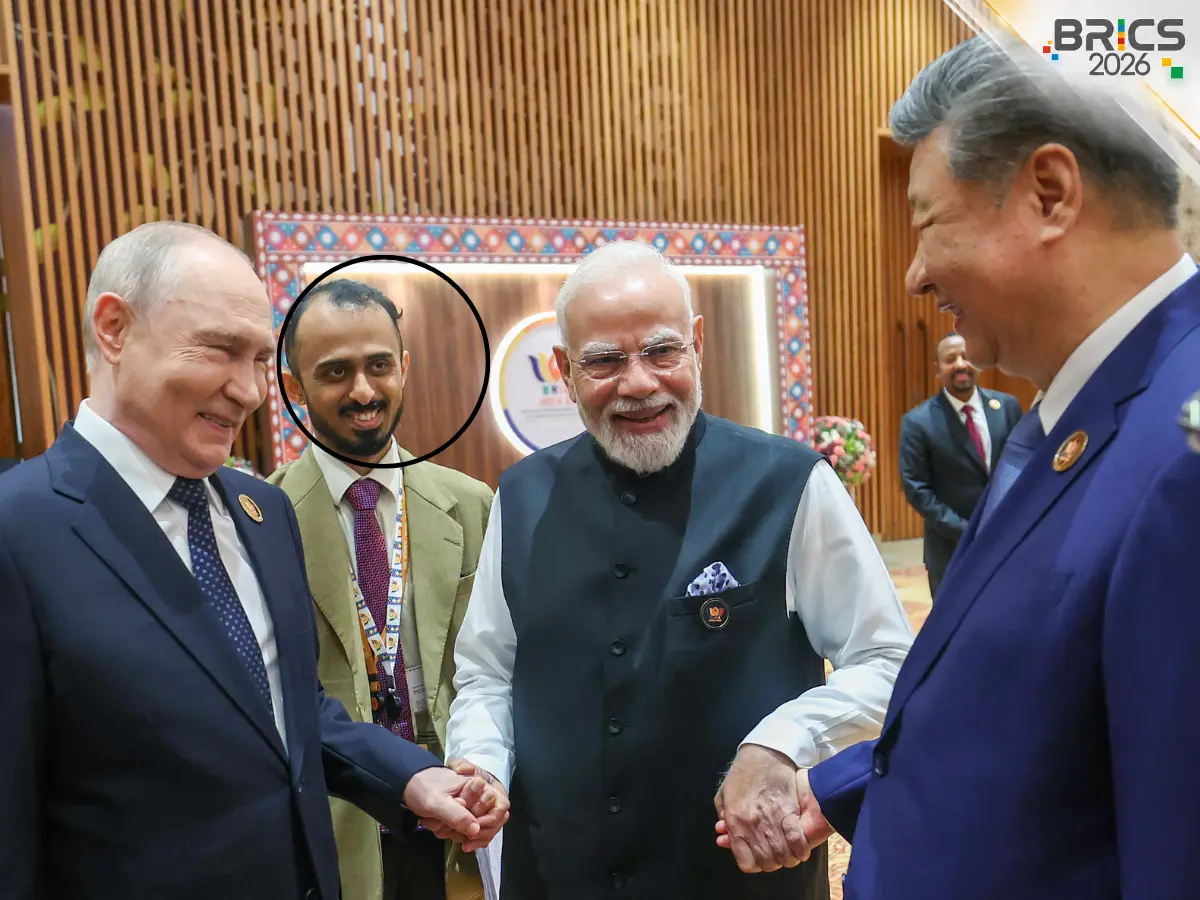)
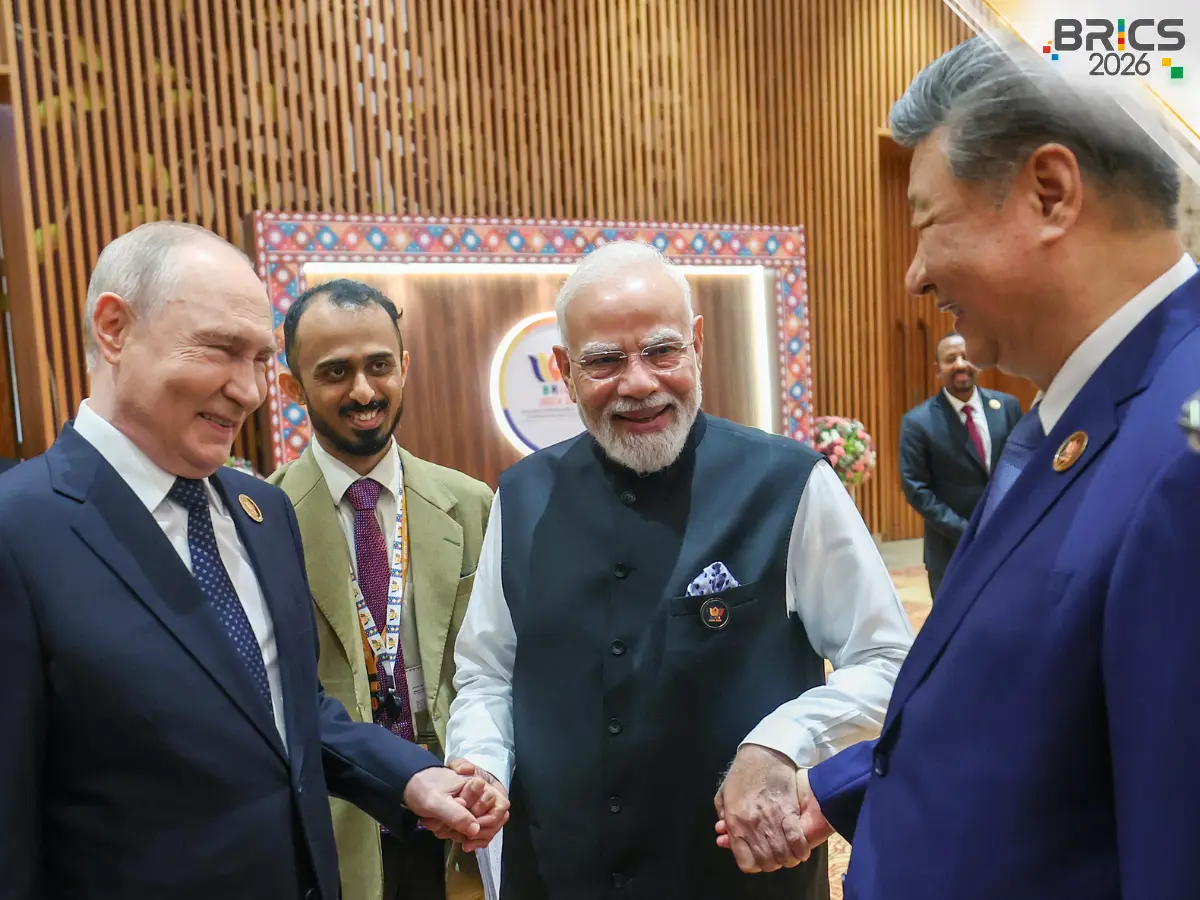
Who is the smiling man beside Modi, Putin and Xi at BRICS Summit 2026?
)
800 million years old - Scientists discover 'fingerprints' of supercontinent Gondwana in ancient rocks
)
Why going digital does not always mean becoming more efficient
&im=FitAndFill=(700,400))
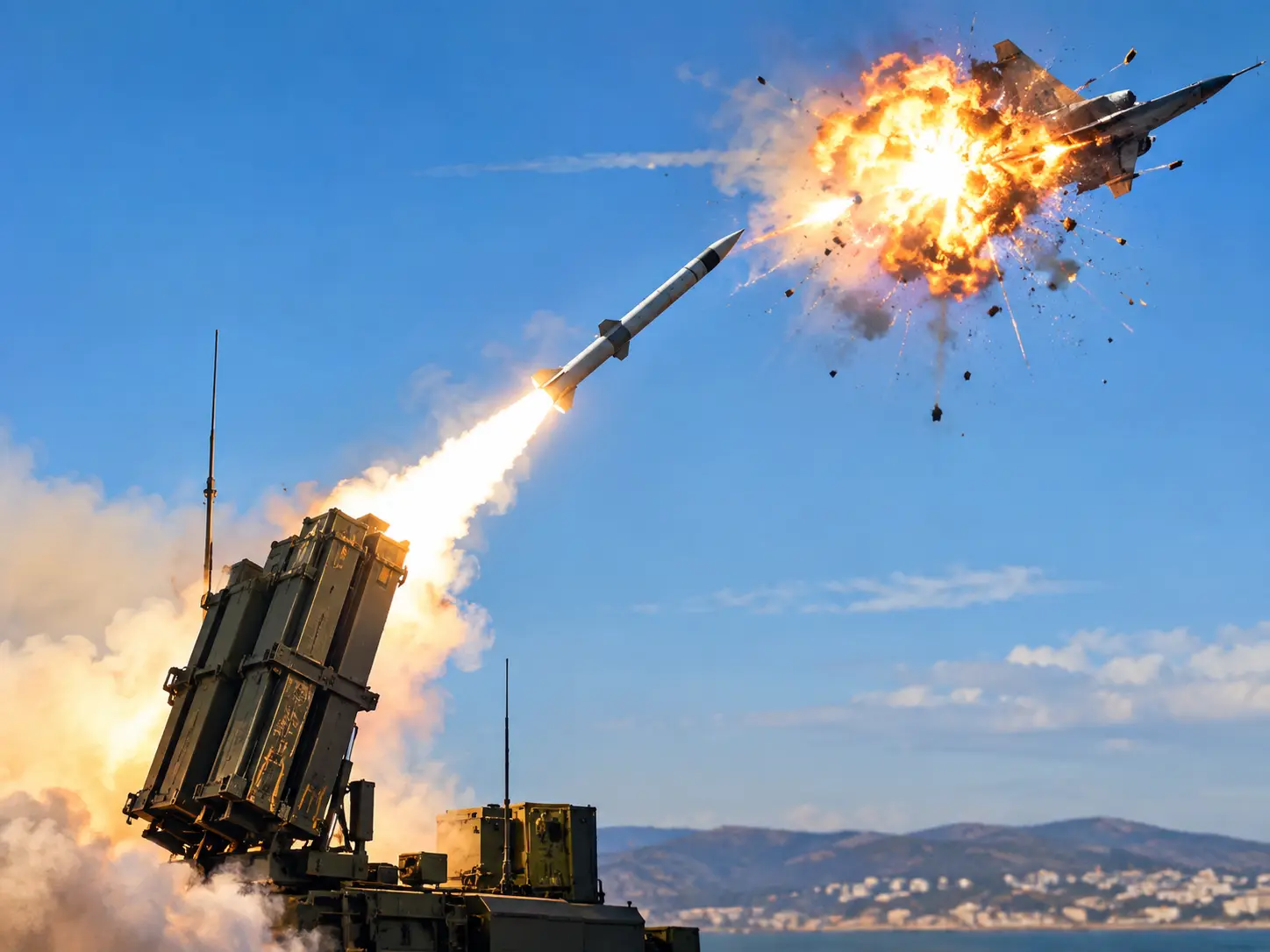
Why do air defence missiles explode near their target instead of hitting it?
)
War is making Russia stronger? How Ukraine is shaping Moscow’s next generation of weapons
)
Migration protests return to Portsmouth as rival demonstrations face off
)
From severe mobility problems to recovery: Madhuri the elephant’s journey of wildlife care
)
BRICS Summit day 1: New Delhi declaration adopted with full consensus, big diplomatic win for India
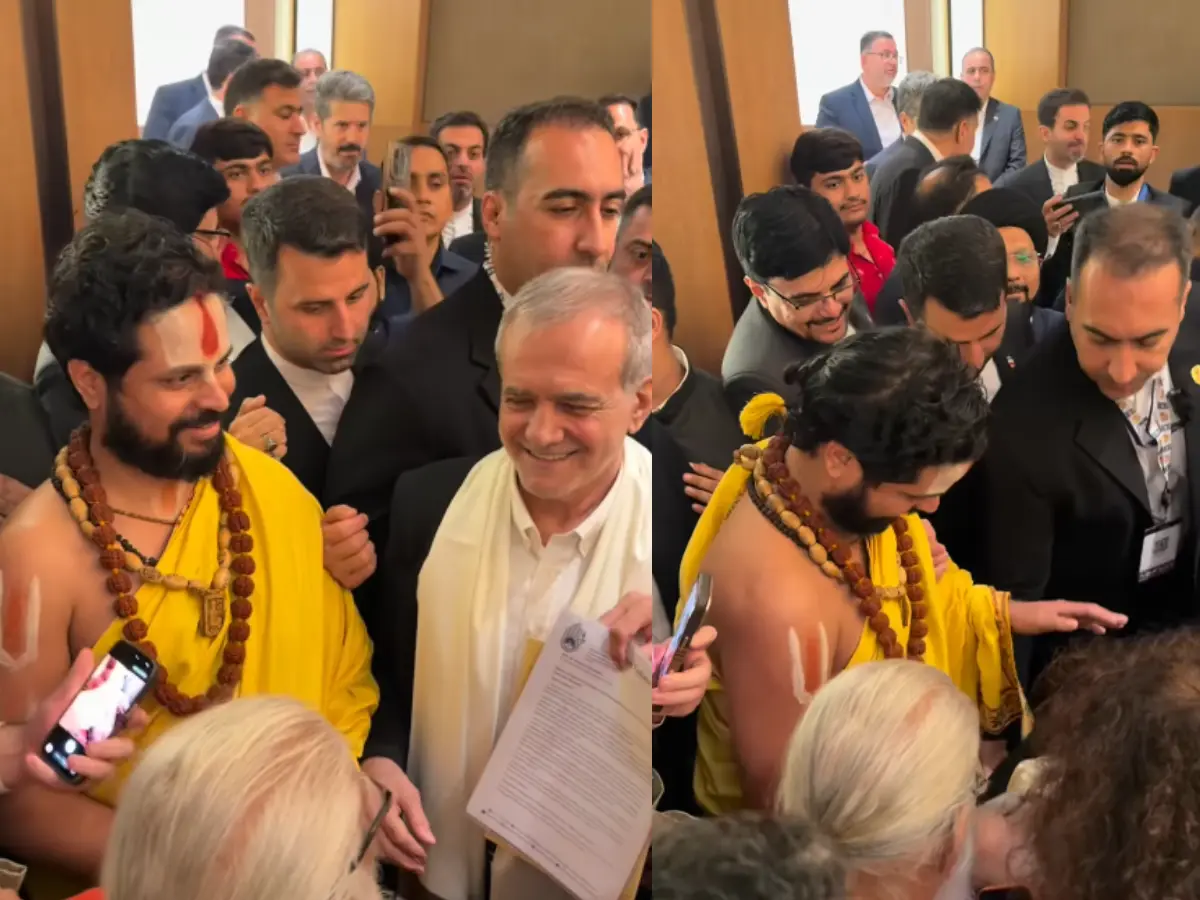)
Did Iran President Pezeshkian touch feet of Hindu spiritual leader at Delhi event as shown in viral video?
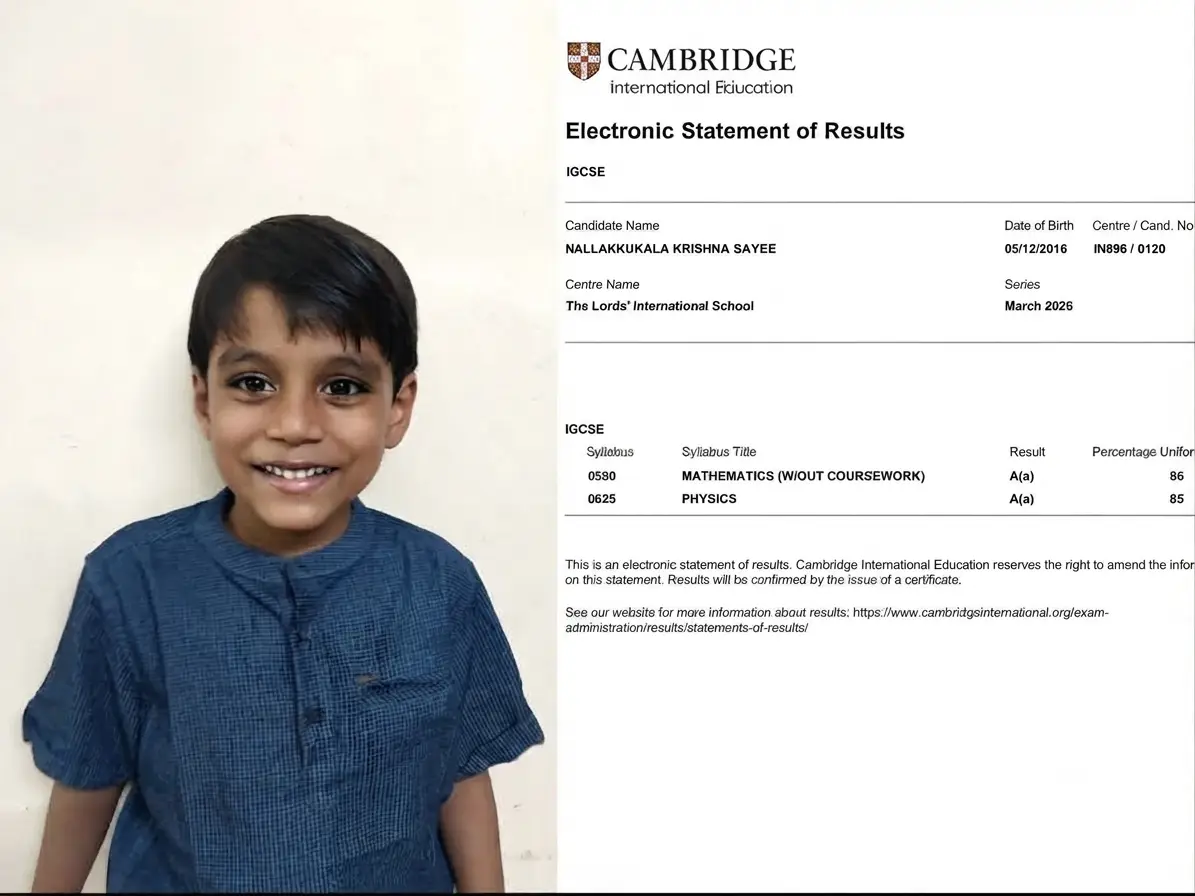)
9-year-old Chennai prodigy clears Cambridge IGCSE grade 10 exams
)
Why does your body need time to adjust after a long journey?
)
BRICS Summit 2026: PM Modi to hold bilateral with leaders of seven countries
)
Ramanathaswamy temple takes centre stage as PM Modi welcomes world leaders at BRICS
)
Houthis launch cross-border strike on Saudi Arabia as Yemen war escalates
)
BRICS Summit 2026: Chinese president Xi Jinping departs from New Delhi after attending BRICS summit
)
Why does your skin need protection from UV rays?
)
How does the loss of forests affect the way wildlife lives and moves?
)
IND vs AFG, 1st T20I: When and where to watch live streaming in India?
)
Why do wild animals need quiet places to survive?
)
Bigg Boss 20: Qazi Touqeer gets a special ‘rockstar’ moment from Salman Khan
)
Humans may lose control of AI: Anthropic CEO calls for slowdown, Altman, Musk back him
This upcoming ruling will be the first instance in which the US Supreme Court will issue a ruling on Trump's sweeping tariffs. On April 2, 2025, the US president imposed sweeping reciprocal duties on foreign imports as part of a broader trade war, with tariffs on many partners ranging from 10 to 41 per cent, terming it as “Liberation Day”.
India faced some of the highest levies imposed by Trump. Initially hit with a 25 per cent tariff, the United States doubled the duty to 50 per cent in August 2025, adding a punitive surcharge linked to New Delhi’s continued Russian oil imports. The 50 per cent rate applies to key exports including textiles, gems and jewellery, footwear, furniture and chemicals, while sectors such as pharmaceuticals, semiconductors, tea, coffee and spices have received exemptions.