

&imwidth=800&imheight=600&format=webp&quality=medium "US Senate passes housing affordability bill with bipartisan support; what's in it?")
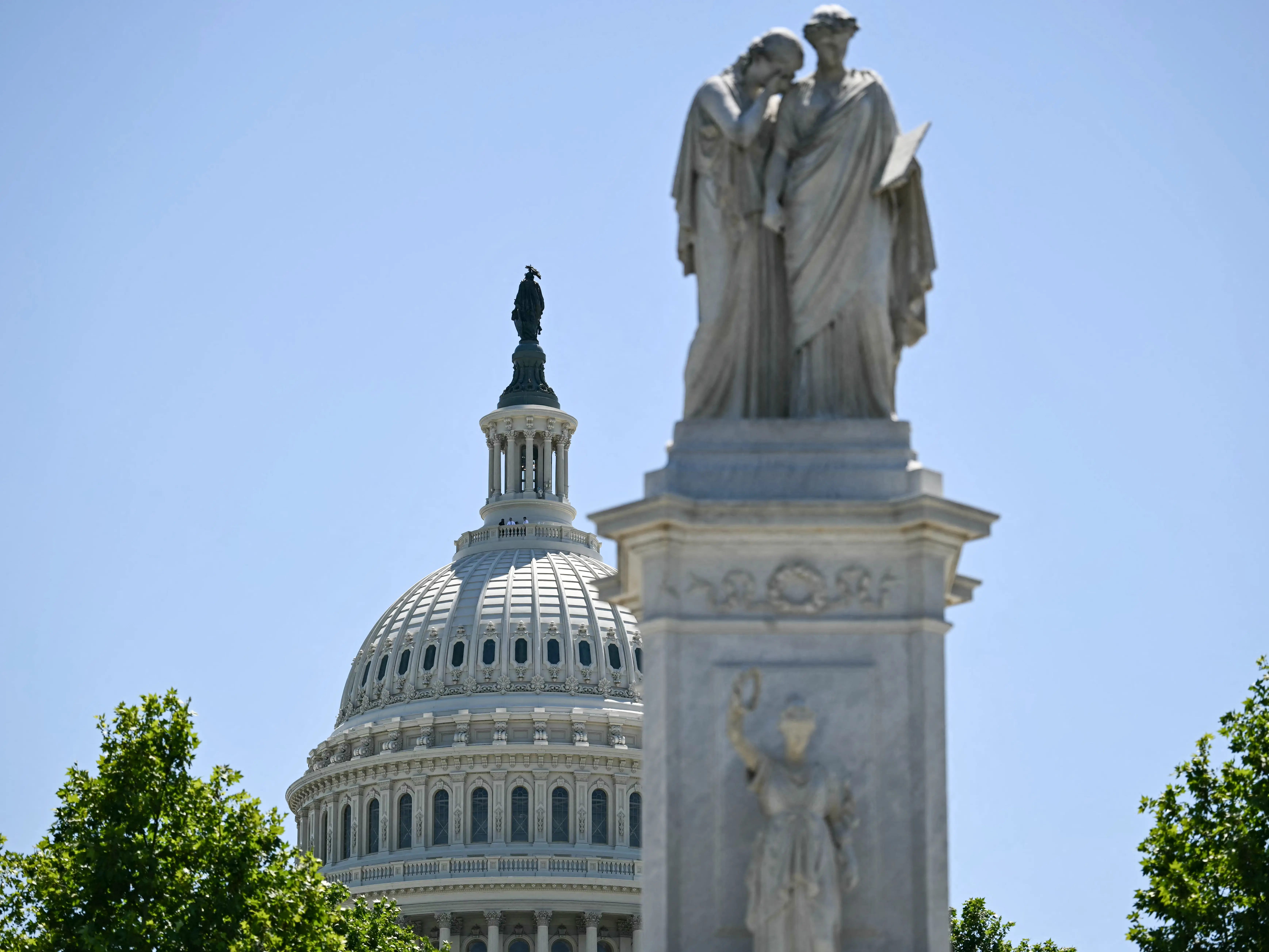
The US Senate on Monday (June 22) approved a bipartisan housing bill aimed at reducing housing costs by encouraging new construction, easing permitting requirements and limiting the role of large investors in the housing market.
The measure, known as the 21st Century ROAD to Housing Act, passed by an overwhelming 85 to 5 vote and now moves to the House of Representatives. If approved there, it will be sent to President Donald Trump for his signature.
The legislation arrives as Democrats and Republicans prepare for the November midterm elections, with housing affordability expected to remain a major concern for voters. Several senators missed the vote because severe thunderstorms in the Washington area disrupted flights and led to a ground stop at Ronald Reagan National Airport.
Limiting institutional investors
One of the bill's most prominent provisions seeks to curb purchases of single-family homes by large institutional investors. Under the proposal, corporate investors that already own 350 or more properties would be barred from buying additional single-family houses.
A key section of the legislation titled “Homes Are For People, Not Corporations” is designed to prevent families from being outbid by large investment firms in the housing market.
Trending Stories
&imwidth=180&imheight=135&format=webp&quality=medium)
Air India, Air India Express increase fuel surcharge on domestic, international flights amid rising ATF costs
&im=FitAndFill=(700,400)&imwidth=180&imheight=135&format=webp&quality=medium)
Nana Patekar’s upcoming big-screen films: From Shakti Shalini to Eetha
&imwidth=180&imheight=135&format=webp&quality=medium)
A Love Other Than Yours: The temptation to cheat and what pushes people over the edge
&imwidth=180&imheight=135&format=webp&quality=medium)
New York ICE shooting sparks protests as Mamdani to call on Trump to halt ICE operations
&imwidth=180&imheight=135&format=webp&quality=medium)
Nobel Peace Prize 2026: Trump to Carney, who are the top contenders? Why the ISS is a surprise contender
&imwidth=180&imheight=135&format=webp&quality=medium)
Thai Actors Fourth Nattawat, Gemini Norawit face racism accusations from Indian fans over viral Bollywood act
&imwidth=180&imheight=135&format=webp&quality=medium)
US suspends Microsoft, Infosys, Tata, Wipro from green card programme over alleged H-1B abuse
&imwidth=180&imheight=135&format=webp&quality=medium)
New Cold War: Why is China buying more gold? Explained
&imwidth=180&imheight=135&format=webp&quality=medium)
'Nidal Hasan's firing-squad execution to be livestreamed', says Pentagon; first US military execution since 1961
&imwidth=180&imheight=135&format=webp&quality=medium)
Sri Lankan Tamil worker gets death sentence in Saudi Arabia over blasphemy, calls for pardon intensify
&imwidth=180&imheight=135&format=webp&quality=medium)
SC asks Centre to frame mechanism against unethical pharma marketing practices
&imwidth=180&imheight=135&format=webp&quality=medium)
'Understood consequences of a few mistakes': Ishan Kishan reflects on journey back to India team
&imwidth=180&imheight=135&format=webp&quality=medium)
Nigeria govt rolls out 30-day NNPC petrol discount, insists it is not a subsidy
&im=FitAndFill=(700,400)&imwidth=180&imheight=135&format=webp&quality=medium)
US midterms 2026: 10 leaders and candidates to watch in the battle for Congress
&imwidth=180&imheight=135&format=webp&quality=medium)
Nana Patekar's #MeToo controversy: From Tanushree Dutta’s allegations to court ruling
&imwidth=180&imheight=135&format=webp&quality=medium)
Atlantic hurricane Isaias could make landfall as a strong Category 2 storm, tornado warnings issued
&imwidth=180&imheight=135&format=webp&quality=medium)
Trump's naked 23-karat gold statue unveiled near European Parliament
&im=FitAndFill=(700,400)&imwidth=180&imheight=135&format=webp&quality=medium)
From Kramatorsk buses to Yandex fire: Russia-Ukraine war in the last 48 hours
&imwidth=180&imheight=135&format=webp&quality=medium)
Who is Nana Patekar's wife Neelakanti? The bank officer who earned Rs 2,500 when he earned Rs 50
&imwidth=180&imheight=135&format=webp&quality=medium)
Pakistan denies reports of PAF jets being used in attacks against Iran-backed Houthis in Yemen
&imwidth=180&imheight=135&format=webp&quality=medium)
Russia president Putin promises to 'do everything' to help settle Middle East conflict as US-Iran negotiations stall
&imwidth=180&imheight=135&format=webp&quality=medium)
India at UN: Pak allows terror groups to operate from its soil
&imwidth=180&imheight=135&format=webp&quality=medium)
Trump honours Microsoft CEO Satya Nadella with top technology honour amid immigration scrutiny
&imwidth=180&imheight=135&format=webp&quality=medium)
BTS agency HYBE announces first-ever Weverse Con Festival in India
&imwidth=180&imheight=135&format=webp&quality=medium)
Captain Smit Machchhar on feet again, walks 10 steps as recovery continues after Flydubai flight attack
&imwidth=180&imheight=135&format=webp&quality=medium)
42 ex-judges write open letter, express concern over allegations against Election Commission
&imwidth=180&imheight=135&format=webp&quality=medium)
French students light European bonfire, protests erupt in Belgium, Italy & Greece | Gravitas
&imwidth=180&imheight=135&format=webp&quality=medium)
Zendaya gives The Odyssey white lace jacket a stylish twist at Paris Fashion Week 2026
&imwidth=180&imheight=135&format=webp&quality=medium)
Trump has a new 'enemy': Anyone who calls it 'artificial intelligence'. Here's what we wants instead
&imwidth=180&imheight=135&format=webp&quality=medium)
Musk doubles down on Starlink India licence allegations; Rahul Gandhi says ‘wait till...’
&imwidth=180&imheight=135&format=webp&quality=medium)
Paxton in leaked audio says Trump hurting his election chances
&imwidth=180&imheight=135&format=webp&quality=medium)
Arizona congressional candidate claims she was sexually assaulted while repairing signs
&imwidth=180&imheight=135&format=webp&quality=medium)
Flydubai flight attack: Indian pilot Smit Machchhar to receive Israel's highest civilian bravery award for saving 174 lives
&imwidth=180&imheight=135&format=webp&quality=medium)
France student protests: Over 500 arrested, govt promises 3,000 substitute teachers
&imwidth=180&imheight=135&format=webp&quality=medium)
‘Battlespace has expanded’: Wg Cdr Priti Ojha (Retd) reflects on changing face of air power on IAF Day
&imwidth=180&imheight=135&format=webp&quality=medium)
24-year-old Sri Lankan man sentenced to death for blasphemy in Saudi Arabia
The final agreement emerged after months of negotiations. The Senate had passed one version in March, while the House approved a different version in May. Lawmakers eventually reached a compromise after the Senate accepted several House-backed provisions and dropped a proposal requiring major investors owning or building at least 350 single-family homes to sell them after seven years.
Also Read: Five arrested after Trump threatens 10-year jail term over alleged Reflecting Pool vandalism
Incentives to build more homes
The legislation also focuses on increasing housing supply through grants and funding programmes. It creates a competitive grant programme worth $200 million annually to reward cities and local governments that expand housing construction or reform restrictive zoning policies.
The bill allows Community Development Block Grant funding to be used directly for building affordable housing and requires recipients to maintain a database of undeveloped publicly owned land.
It also establishes a pilot grant programme to help local governments convert vacant commercial and industrial buildings into affordable homes.
Another provision removes the federal "chassis rule" for manufactured housing. The requirement previously mandated that manufactured homes remain permanently attached to a steel frame with wheels and an axle. Supporters believe eliminating the rule could reduce construction costs for a new manufactured housing unit by as much as $10,000.
The legislation also streamlines environmental reviews to accelerate construction projects and raises the Public Welfare Investment cap for banks from 15 per cent to 20 per cent, allowing greater investment in affordable housing and community development initiatives. In addition, it increases private financing limits under Section 8 to support the rehabilitation of older public housing properties.
