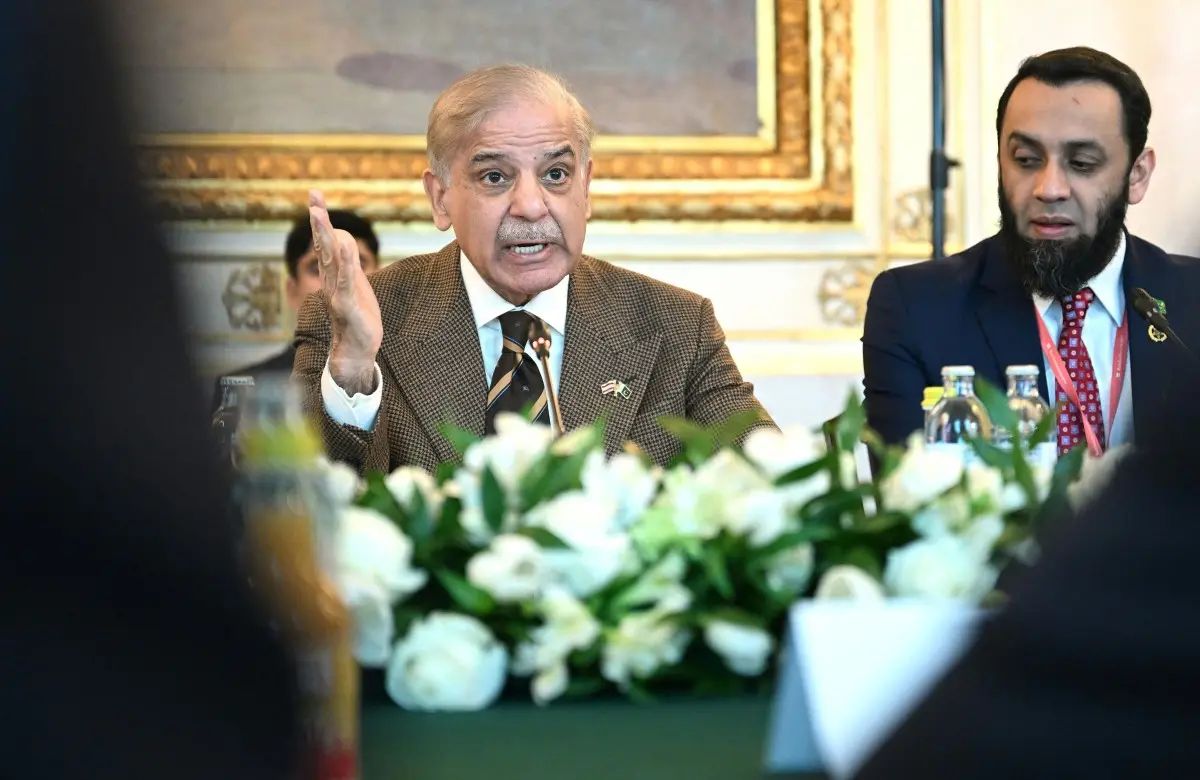
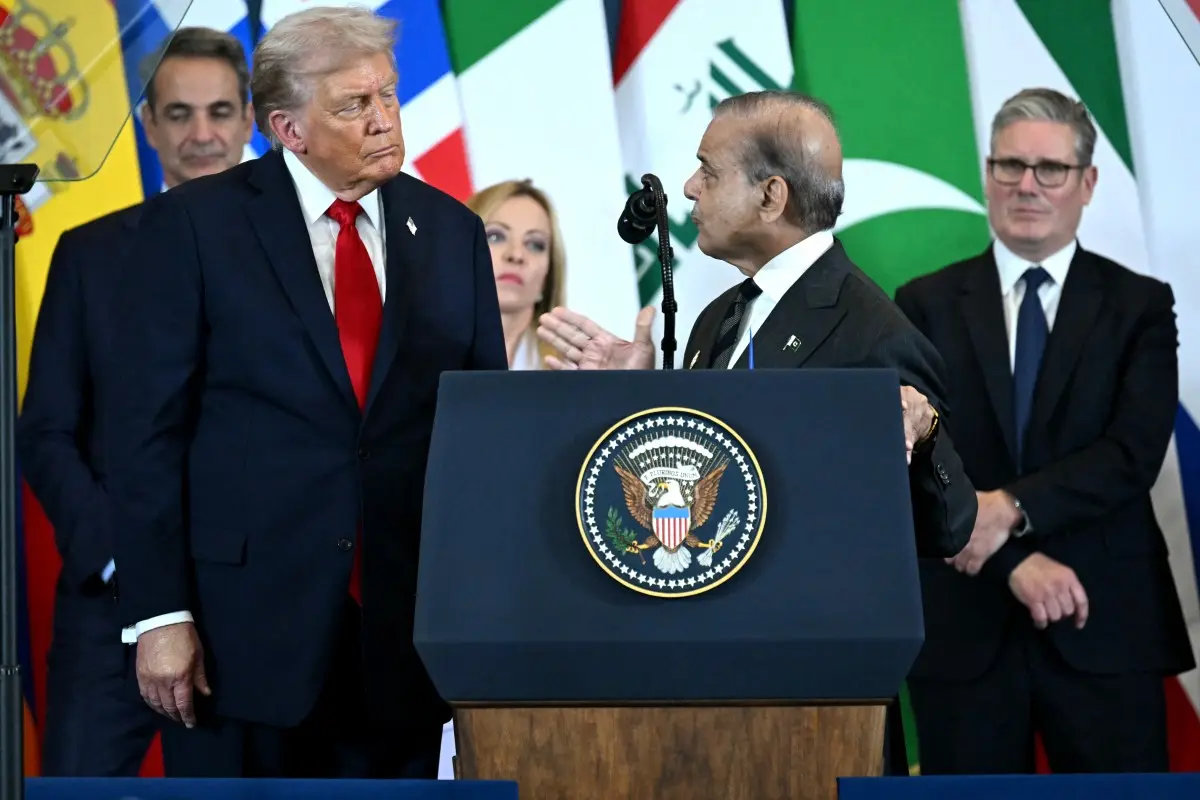
US pushed Pakistan for ceasefire with Iran, China played a key role

&imwidth=600&imheight=450&format=webp&quality=medium "US pushed Pakistan for ceasefire with Iran, China played a key role")
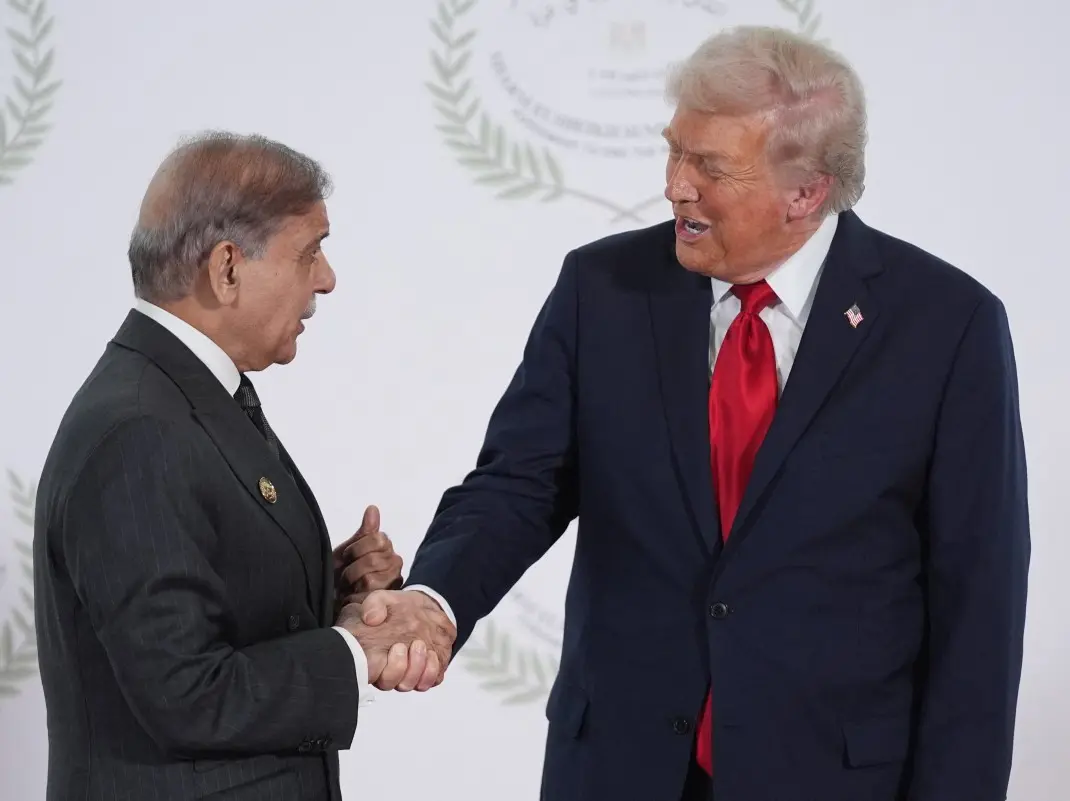
US President Donald Trump greets Pakistan's Prime Minister Shehbaz Sharif during a summit on Gaza in Sharm el-Sheikh on October 13, 2025. Photograph: (AFP)
A Financial Times report reveals how the US pushed for a ceasefire with Iran, with Pakistan and China playing key roles after being concerned with rising oil prices.
The US was desperate for a ceasefire after being concerned with the rising oil prices as well as with the surprising resilience of Iran in the face of aggression from two nuclear-armed states US and Israel. According to a Financial Times report, which quotes five anonymous “people familiar with” the diplomatic back channel. “The White House pushed the idea of a temporary ceasefire with Iran even as Donald Trump escalated threats against the Islamic Republic and claimed it was “begging” for a deal”. The report claims that the push for a negotiation with Iran began as early as March 21, after Trump's first threat to “obliterate” Iran's power plants.
Pakistan and China's role in the US-Iran ceasefire
The diplomatic back channel via Pakistan Field Marshal Syed Asim Munir and other senior officials was activated and began passing around messages between US military officials and Iranian political figures shortly after Trump's first ultimatum. Pakistan is the only nuclear-powered Muslim majority country and has a huge Shia population as well as a defence pact with Saudi Arabia. “Pakistan's crucial role, as a Muslim-majority neighbour and intermediary, was to sell it to Tehran,” the report said.
They passed around the 15-point proposal from the US and Iran's response to the 5-point and 10-point draft proposals. They proposed Islamabad as a place for negotiations and suggested ceasefire options ranging from 45 days to two weeks. The two sides had contradictory positions and remained poles apart on demands, but gradually, after weeks of bombardment, Iran hinted at an agreement towards limitation on its enrichment uranium stockpile and a ceasefire for the Hormuz deal.
Also Read: Pakistan to host US-Iran negotiations in Islamabad after ceasefire, Strait of Hormuz reopening
Even after that, Pakistan had reservations with Iran's proposed 10-point proposal, specifically about Iran having control of the Hormuz and maintaining a toll. According to the report, which quotes one person familiar with the channel, China helped resolve the issue by announcing a five-point plan with Pakistan, which reportedly put further pressure on Iran. Trump, when asked about China's role in coercing Tehran to a deal, said, “I hear, yes.” However Bejing did not publicly mention pressuring Iran to a cease-fire.
Trending Stories
&imwidth=280&imheight=210&format=webp&quality=medium)
&imwidth=280&imheight=210&format=webp&quality=medium)
&imwidth=280&imheight=210&format=webp&quality=medium)
&imwidth=280&imheight=210&format=webp&quality=medium)
&im=FitAndFill=(700,400)&imwidth=280&imheight=210&format=webp&quality=medium)
&imwidth=280&imheight=210&format=webp&quality=medium)
&imwidth=280&imheight=210&format=webp&quality=medium)
&im=FitAndFill=(700,400)&imwidth=280&imheight=210&format=webp&quality=medium)
&imwidth=280&imheight=210&format=webp&quality=medium)
&imwidth=280&imheight=210&format=webp&quality=medium)
&imwidth=280&imheight=210&format=webp&quality=medium)
&imwidth=280&imheight=210&format=webp&quality=medium)
&imwidth=280&imheight=210&format=webp&quality=medium)
&imwidth=280&imheight=210&format=webp&quality=medium)
&imwidth=280&imheight=210&format=webp&quality=medium)
&imwidth=280&imheight=210&format=webp&quality=medium)
&imwidth=280&imheight=210&format=webp&quality=medium)
&imwidth=280&imheight=210&format=webp&quality=medium)
&imwidth=280&imheight=210&format=webp&quality=medium)
&imwidth=280&imheight=210&format=webp&quality=medium)
&imwidth=280&imheight=210&format=webp&quality=medium)
&imwidth=280&imheight=210&format=webp&quality=medium)
&imwidth=280&imheight=210&format=webp&quality=medium)
&imwidth=280&imheight=210&format=webp&quality=medium)
&imwidth=280&imheight=210&format=webp&quality=medium)
&im=FitAndFill=(700,400)&imwidth=280&imheight=210&format=webp&quality=medium)
&imwidth=280&imheight=210&format=webp&quality=medium)
&imwidth=280&imheight=210&format=webp&quality=medium)
&imwidth=280&imheight=210&format=webp&quality=medium)
&imwidth=280&imheight=210&format=webp&quality=medium)
&imwidth=280&imheight=210&format=webp&quality=medium)
IRGC was against the US-Iran ceasefire
However, all these seemed futile as Iran's Islamic Revolutionary Guard Force, a major military and political force within Iran, seemed unmoved by the approaches, specifically due to the sour history of negotiations between the US and Iran. Sections of the IRGC did not give assent to returning to talks with the US and loosening control over the Strait of Hormuz. However, following an attack on the Saudi petrochemical hub of Jubail on Tuesday, April 7, Pakistan warned that it has a defence pact with Saudi Arabia, and these attacks were a “last-ditch move to derail talks”, said one Pakistani official to FT. They warned Iran that it would be isolated in the region if attacks continued.
The fragile ceasefire
The US-Iran ceasefire meant to halt the fight on all fronts, but Israel declared it does not apply to the war with Lebanon. Hezbollah and Iran both remain hand-in-hand to target infrastructure in the region. But Secretary of Defence Pete Hegseth backtracked on that at first, and soon Trump also concurred that the Israel-Lebanon war is not included in the potential deal. This further agitated the IRGC, which threatened to withdraw from the deal. However, in a call with Pakistan PM Shehbaz Sharif on Wednesday afternoon, Masoud Pezeshkian said that they will send representatives to Islamabad. Pakistani officials also hoped that Vance and Witkoff, along with Araghchi will be present in Islamabad for the talks.