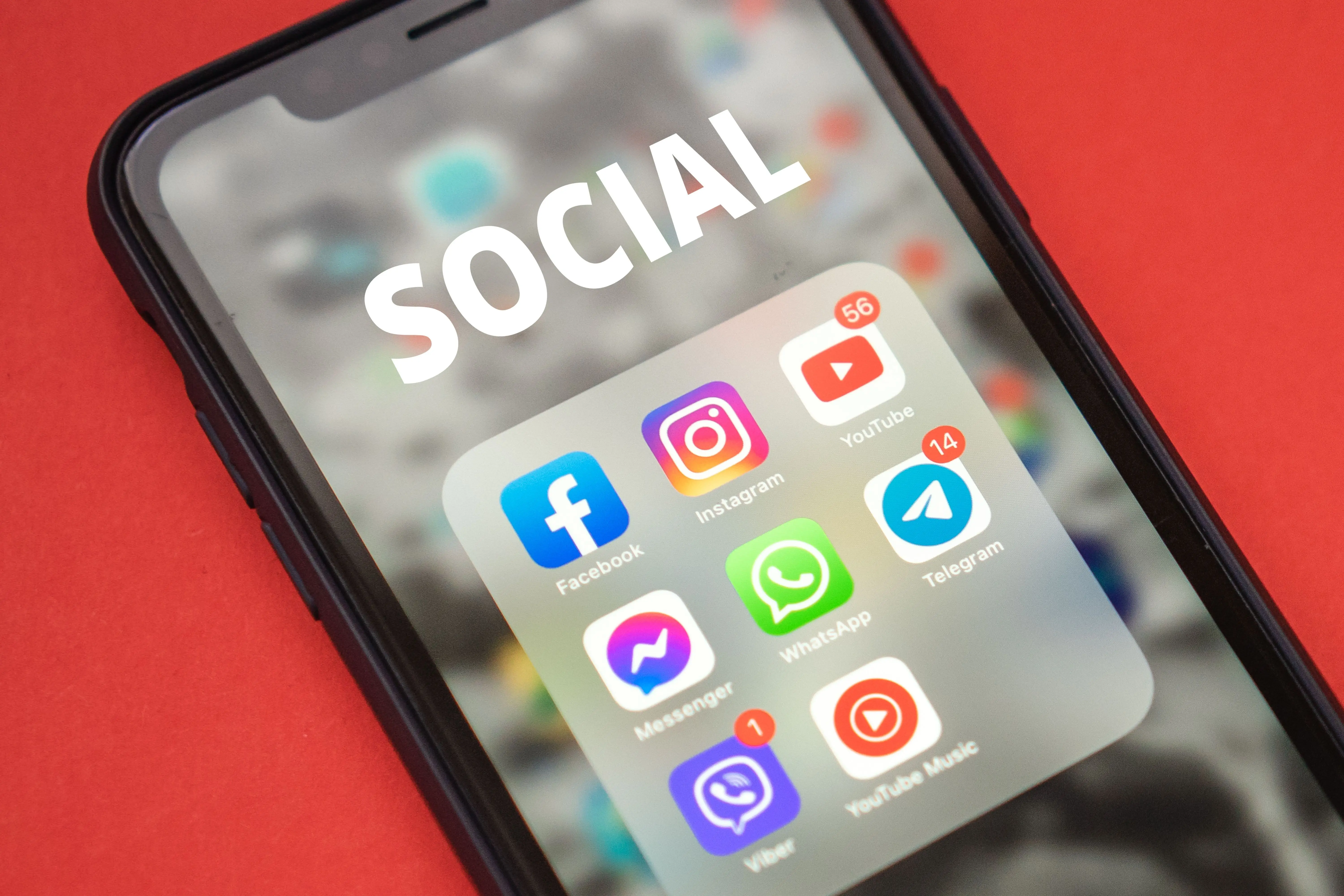
UK to join under-16 social media bans, but will it really hurt the companies? The Big Question

&imwidth=600&imheight=450&format=webp&quality=medium "UK to join under-16 social media bans, but will it really hurt the companies? The Big Question")
Social media revenues are in billions of dollars. Fines linked to bans are in the millions Photograph: (Others)
The UK plans an under-16 social media ban. But such age-gating measures might have only a limited financial impact on Meta, TikTok and other social media giants. Fines, compliance costs and teen ad revenue remain relatively small compared to their billion-dollar revenues.
The UK is joining Australia, Indonesia, and a handful of other nations to implement social media restrictions, with Prime Minister Keir Starmer announcing a ban on under-16s' access to platforms like Facebook and Instagram soon. Most bans across nations are age-based, applying mainly to those below 16 or 18. Full nationwide bans for mostly US-based platforms exist in China and Iran. India banned TikTok in 2020. While full nationwide bans cause near-total revenue loss from those markets, limited bans based on age, known as age-gating, do not affect the company's bottom line, as such restrictions target younger, less monetised teen demographics. These restrictions are basically a rap on the knuckle for the firms, and a drop in the ocean when compared to the billion-dollar revenues of Meta, Google, TikTok, Snap and others. Here is why:
Fines and penalties are low compared to social media platform revenues
In Australia, Facebook, Instagram, Kick, Reddit, Snapchat, Threads, TikTok, X, YouTube and Twitch face fines of up to AU$49.5 million (US$33.2 million) if they fail to remove under-16 accounts. Against Meta's multi-billion-dollar quarterly profits, this amount is nothing. No major fines have been paid. The country's watchdog, eSafety, is sending monthly notices for six months and will pursue penalties only for systemic breaches. The main cost so far is reputational, from compliance probes on these firms.
Also read: UK government to bar all under-16s from major social media platforms, Keir Starmer announces
Social media bans: Account removals vs actual usage
Platforms revoked access to about 4.7 million under-16 accounts in Australia since the December 2025 ban. Yet usage persists, with surveys showing up to 20 per cent of 13–15-year-olds still accessing TikTok and Snapchat months later, and most prior users retaining access via workarounds like VPNs and fake ages. This, in effect, limits the losses for social media firms both in terms of real users and revenue.
Trending Stories
&imwidth=280&imheight=210&format=webp&quality=medium)
&im=FitAndFill=(700,400)&imwidth=280&imheight=210&format=webp&quality=medium)
&imwidth=280&imheight=210&format=webp&quality=medium)
&imwidth=280&imheight=210&format=webp&quality=medium)
&imwidth=280&imheight=210&format=webp&quality=medium)
&im=FitAndFill=(700,400)&imwidth=280&imheight=210&format=webp&quality=medium)
&imwidth=280&imheight=210&format=webp&quality=medium)
&imwidth=280&imheight=210&format=webp&quality=medium)
&imwidth=280&imheight=210&format=webp&quality=medium)
&imwidth=280&imheight=210&format=webp&quality=medium)
&imwidth=280&imheight=210&format=webp&quality=medium)
&imwidth=280&imheight=210&format=webp&quality=medium)
&imwidth=280&imheight=210&format=webp&quality=medium)
&imwidth=280&imheight=210&format=webp&quality=medium)
&imwidth=280&imheight=210&format=webp&quality=medium)
&imwidth=280&imheight=210&format=webp&quality=medium)
&imwidth=280&imheight=210&format=webp&quality=medium)
&imwidth=280&imheight=210&format=webp&quality=medium)
&imwidth=280&imheight=210&format=webp&quality=medium)
&imwidth=280&imheight=210&format=webp&quality=medium)
&imwidth=280&imheight=210&format=webp&quality=medium)
&imwidth=280&imheight=210&format=webp&quality=medium)
&imwidth=280&imheight=210&format=webp&quality=medium)
&imwidth=280&imheight=210&format=webp&quality=medium)
&im=FitAndFill=(700,400)&imwidth=280&imheight=210&format=webp&quality=medium)
&imwidth=280&imheight=210&format=webp&quality=medium)
&imwidth=280&imheight=210&format=webp&quality=medium)
&imwidth=280&imheight=210&format=webp&quality=medium)
&imwidth=280&imheight=210&format=webp&quality=medium)
&imwidth=280&imheight=210&format=webp&quality=medium)
&imwidth=280&imheight=210&format=webp&quality=medium)
&imwidth=280&imheight=210&format=webp&quality=medium)
&imwidth=280&imheight=210&format=webp&quality=medium)
&imwidth=280&imheight=210&format=webp&quality=medium)
&imwidth=280&imheight=210&format=webp&quality=medium)
Is revenue actually lost for companies due to social media bans?
A 2023 Harvard study found social media platforms earned nearly $11 billion in US ad revenue from under-18s in 2022. Snapchat derived 41 per cent of its 2022 US ad revenue from under-18s, TikTok 35 per cent, YouTube 27 per cent, and Instagram 16 per cent. Nobably, the figure is only 1.9 per cent for Facebook and 2 per cent for X. Instagram drew most revenue from 13–17-year-olds , at $4 billion, followed by TikTok, before it was briefly banned in US, at $2 billion.
Under-16s are a smaller slice of the user base, but they are key drivers of engagement and future growth.
In February this year, Snap CEO called global ad revenue from under-18 impressions "not material."
Analysts broadly agree to this: teens are under-monetised as they lack the disposable income advertisers chase. So the short-term financial impacts of bans may be minimal.
The bigger boomerang hits creators, who used to earn billions through these platforms in markets like Australia and lose reach when their under-16 audience is cut off.
Cost of compliance is also minimal compared to revenues
Age-verification runs roughly $0.12–$0.65 per check , and can include facial estimation, ID-based, or mobile-based methods. As Australia's six industry codes for age assurance took effect in March, a government analysis estimated AU$53.9 million in initial age-assurance costs across services plus AU$4.5 million annually. For the big tech firms, these amounts are manageable, though the tech can be cumbersome. The cost of running the business will eventually come down as technology matures. Indirect risks such as cybersecurity, data privacy obligations, and breach exposure from collecting age data could remain.
In short, the direct business costs to major platforms from age bans look modest. Fines and compliance are nearly negligible against their global revenue. Full bans, like TikTok's in India and the US before reinstatement, are far costlier.