UK consistently in the bottom 10% of nations in biodiversity intactness

Biodiversity
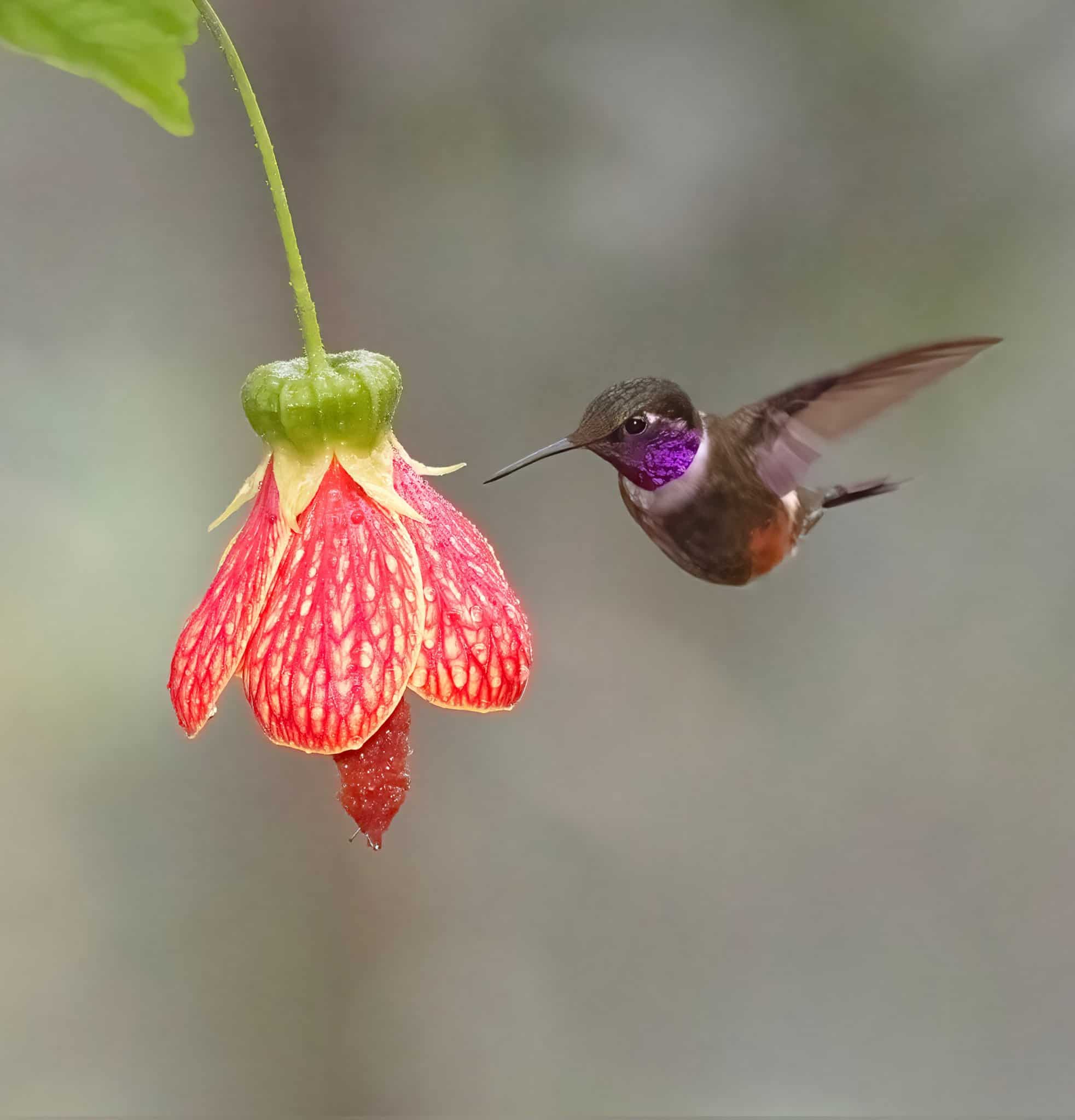
A new study has revealed that almost half of Britain’s natural biodiversity has disappeared over the centuries. Farming and urban spread triggered by the industrial and agricultural revolutions are being blamed as major factors for this loss.
Scientists at London’s Natural History Museum have revealed that the UK is one of the worst-rated nations in the world.
Professor Andy Purvis, of the museum’s life science department, was quoted by The Guardian as saying, "Britain has lost more of its natural biodiversity than almost anywhere else in western Europe, the most of all the G7 nations and more than many other nations such as China."

The study will be used as a negotiator to prepare to begin online discussions for the UN biodiversity conference (Cop15) this week.
These talks will then be followed by an international biodiversity summit next April in Kunming in China.
)
Oxford United's new clothing line featured 'United 93' phase
)
Pentagon revives mandatory testosterone testing for male troops aged 30 and above
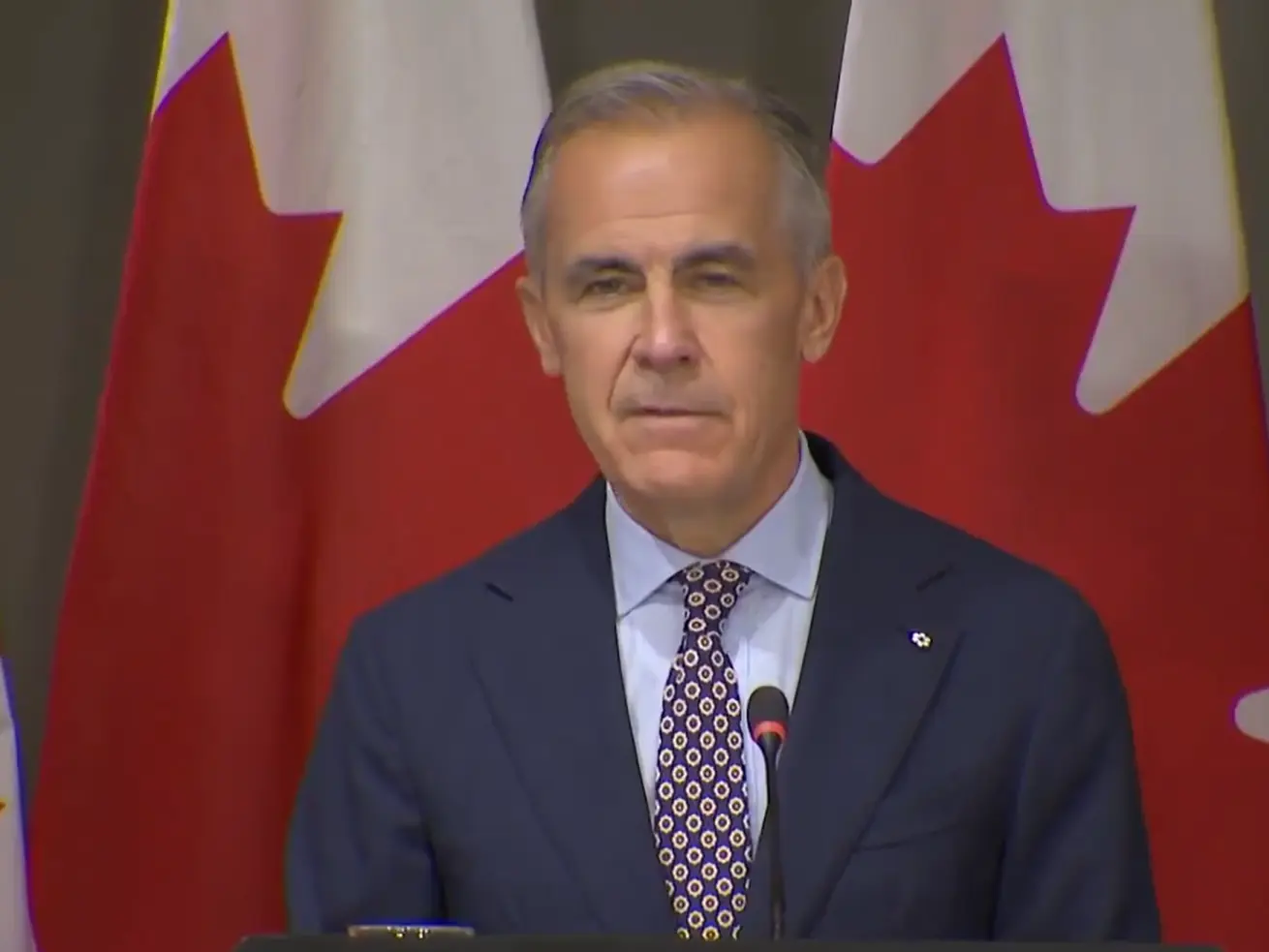)
Mark Carney mimics Trump in hilarious moment over C$70 billion clean-energy investment; room erupts in laughter
)
Iran rebuilding nuclear facilities? New satellite images show Tehran may be rapidly restoring bombed Parchin base
)
It's a girl! Deepika Padukone and Ranveer Singh welcome their second child
)
FACT CHECK: Why did PM Modi ask Xi ‘is it okay’ at BRICS Summit? New video reveals...
)
Putin: European leaders using war rhetoric to save falling ratings
)
China may have gained access to US's classified F-35 jets; parts meant for repairs diverted to Hong Kong, sparking Pentagon inquiry
)
Cochin shipyard starts building Indian Navy's next-gen missile vessels
)
Claude led 26% of Anthropic's AI R&D work
)
Brigitte Bardot’s private collection set for Paris auction; key items and prices revealed
)
Why Ranveer Singh’s Dhurandhar missed India’s Oscar entry; FFI jury member reveals what happened
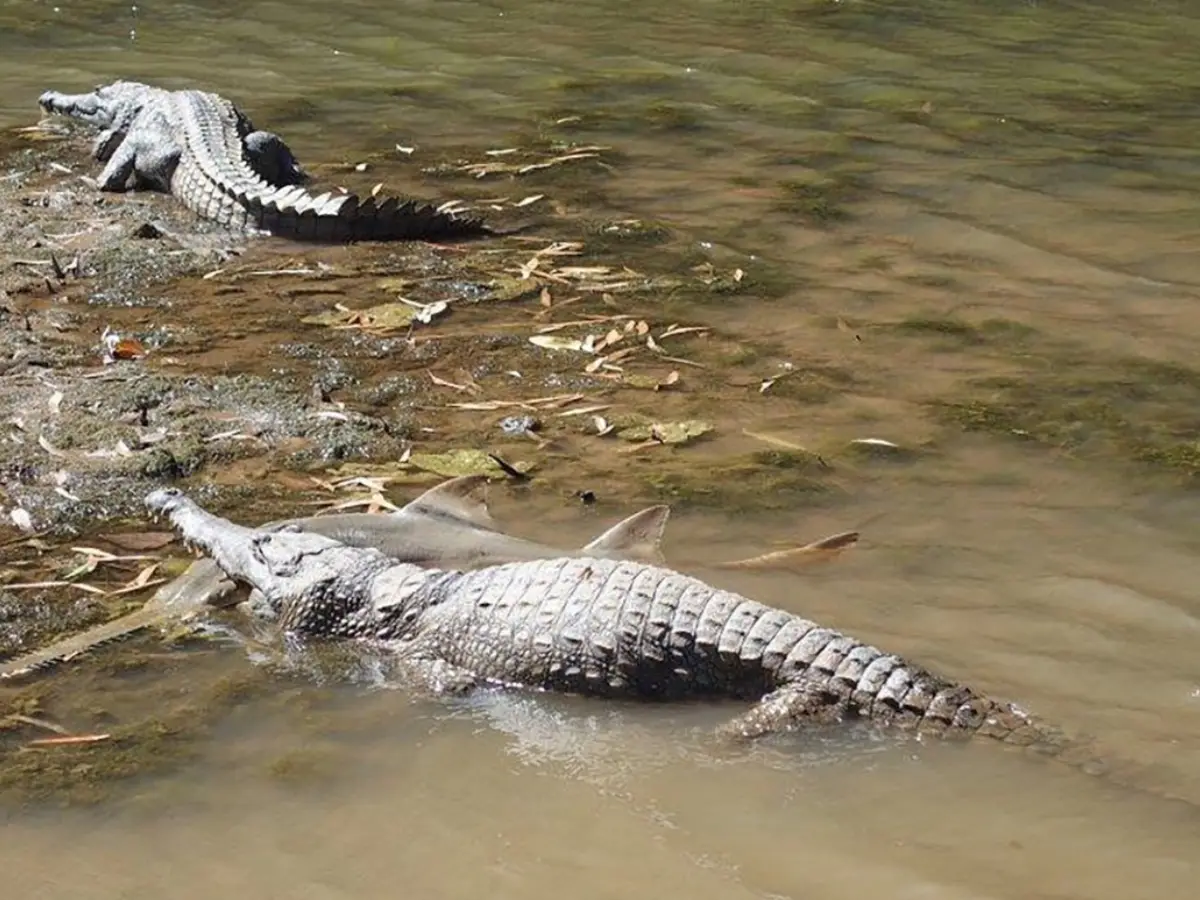)
How did an Australian river with 500 crocodiles pass the Olympic test? Here's how
)
‘Will go to any extent’: Pakistan vows to defend Saudi Arabia amid Houthi attacks
&im=FitAndFill=(700,400))
Ananya Panday to Sharvari: 5 actresses serving major princess vibes
66 years of the Indus Waters Treaty: How India and Pakistan settled a bitter river dispute
)
The Verdict | When precision fails: US commits war crime in Minab school strike, UN finds
Russia attacks Ukraine with 174 drones, kills 8; 2 vessels hit in Black Sea
)
Trump signs Russia sanctions bill into law, targets Moscow’s energy sector
)
Pak: A series of counter terrorism operations in Khyber Pakhtunkhwa
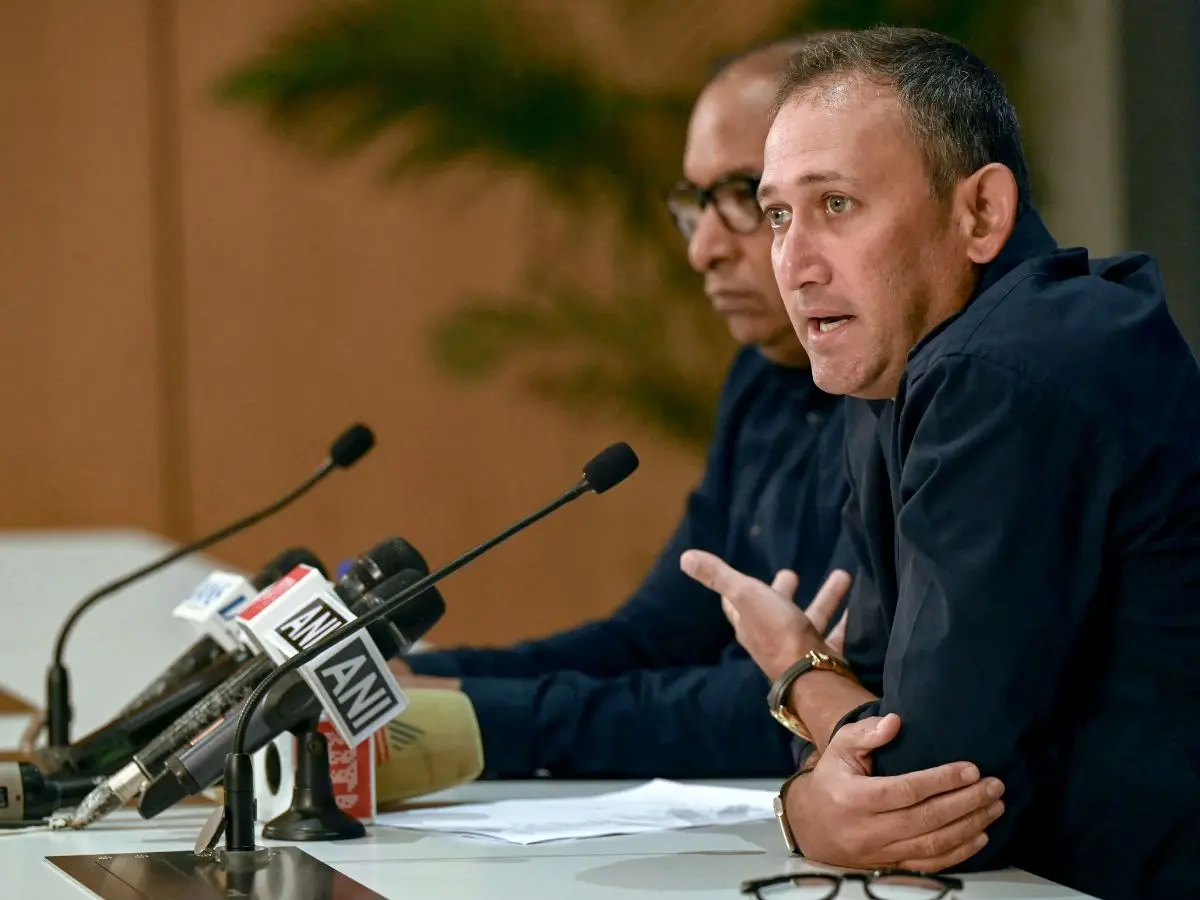)
Ajit Agarkar’s future as chief selector to be decided at right time, says BCCI secretary
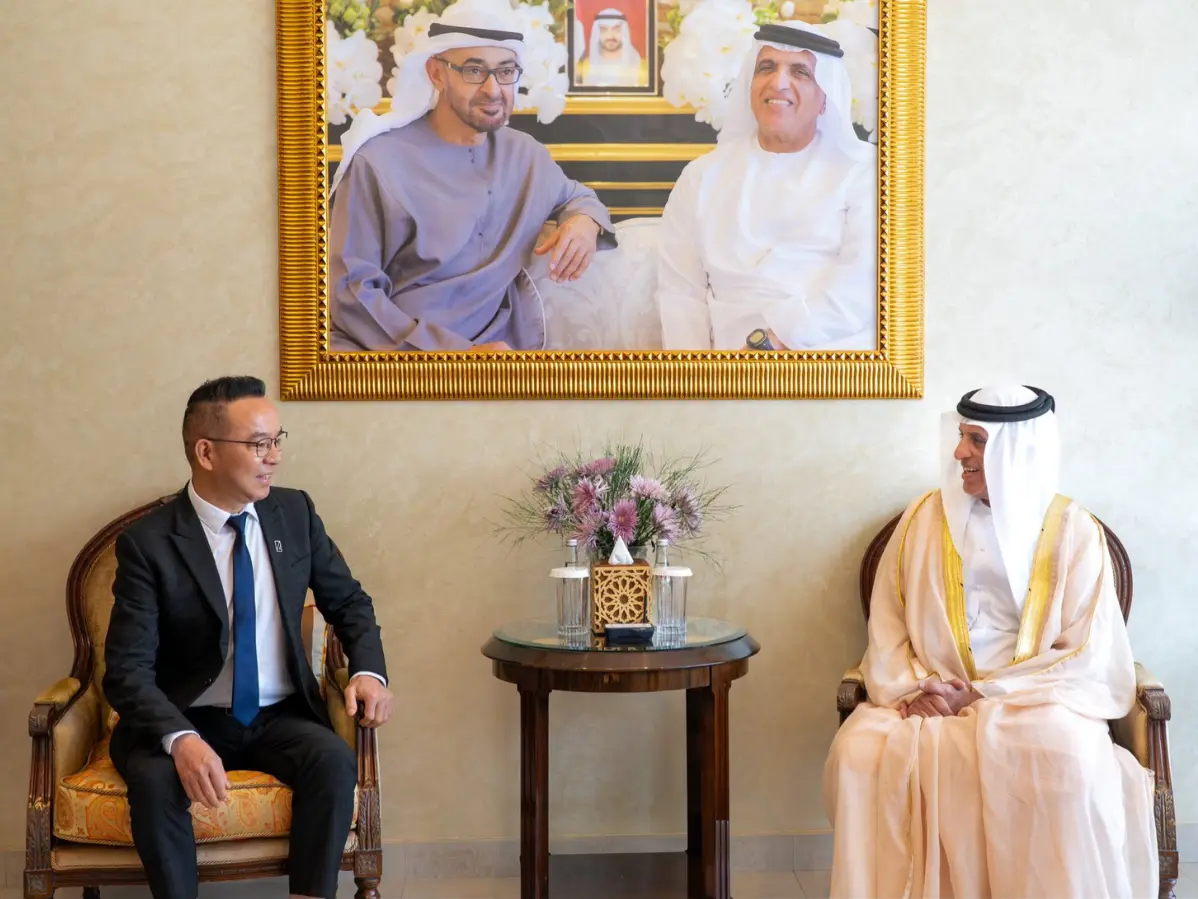)
Flying cars in UAE: Ras Al Khaimah signs deal with Chinese company to test new transport
)
Reacher star Alan Ritchson opens up about alleged blackmail, suicide attempt during difficult period
)
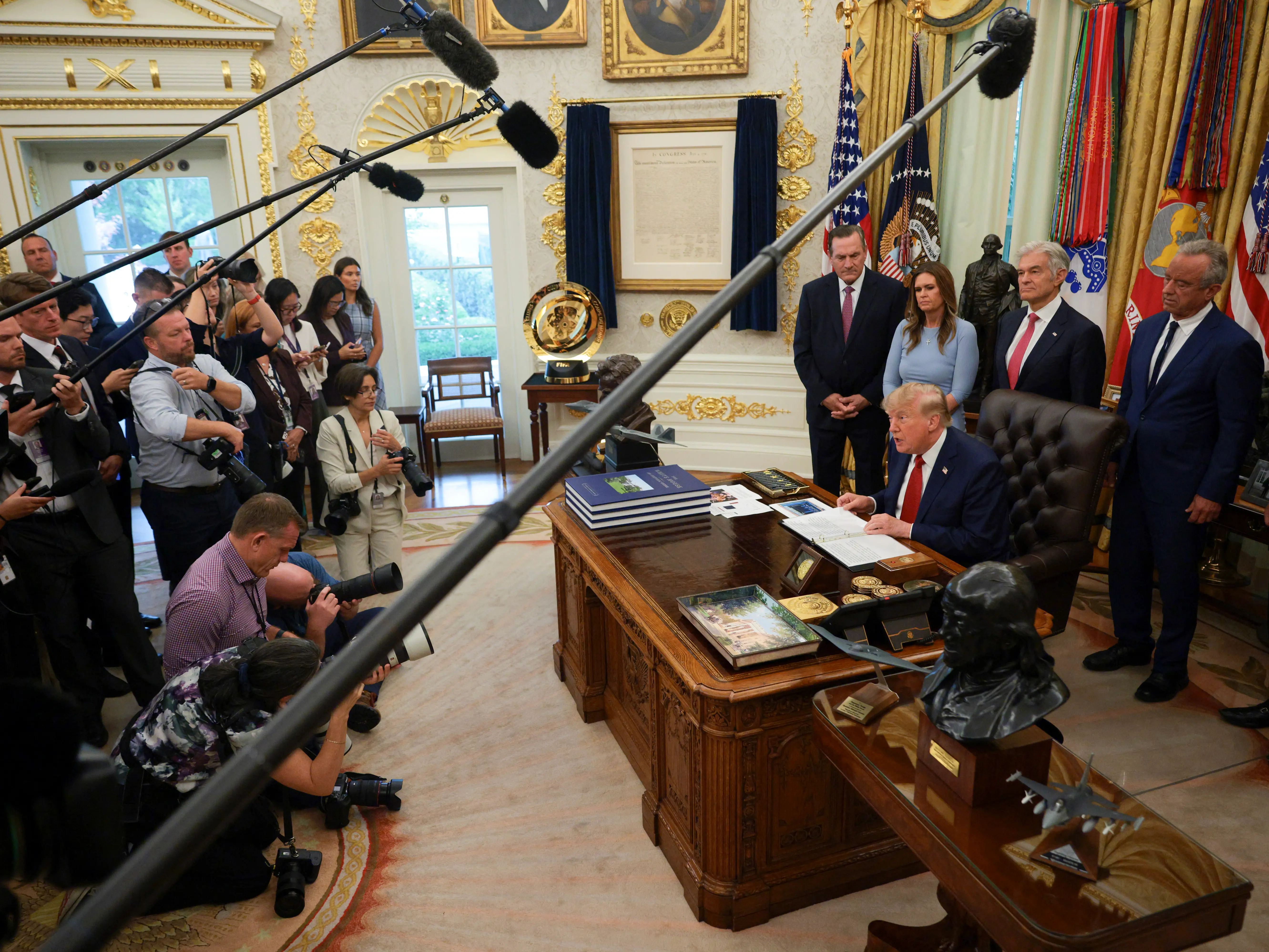
Africa is splitting, and a lot sooner than estimated, giving way to a new ocean
)
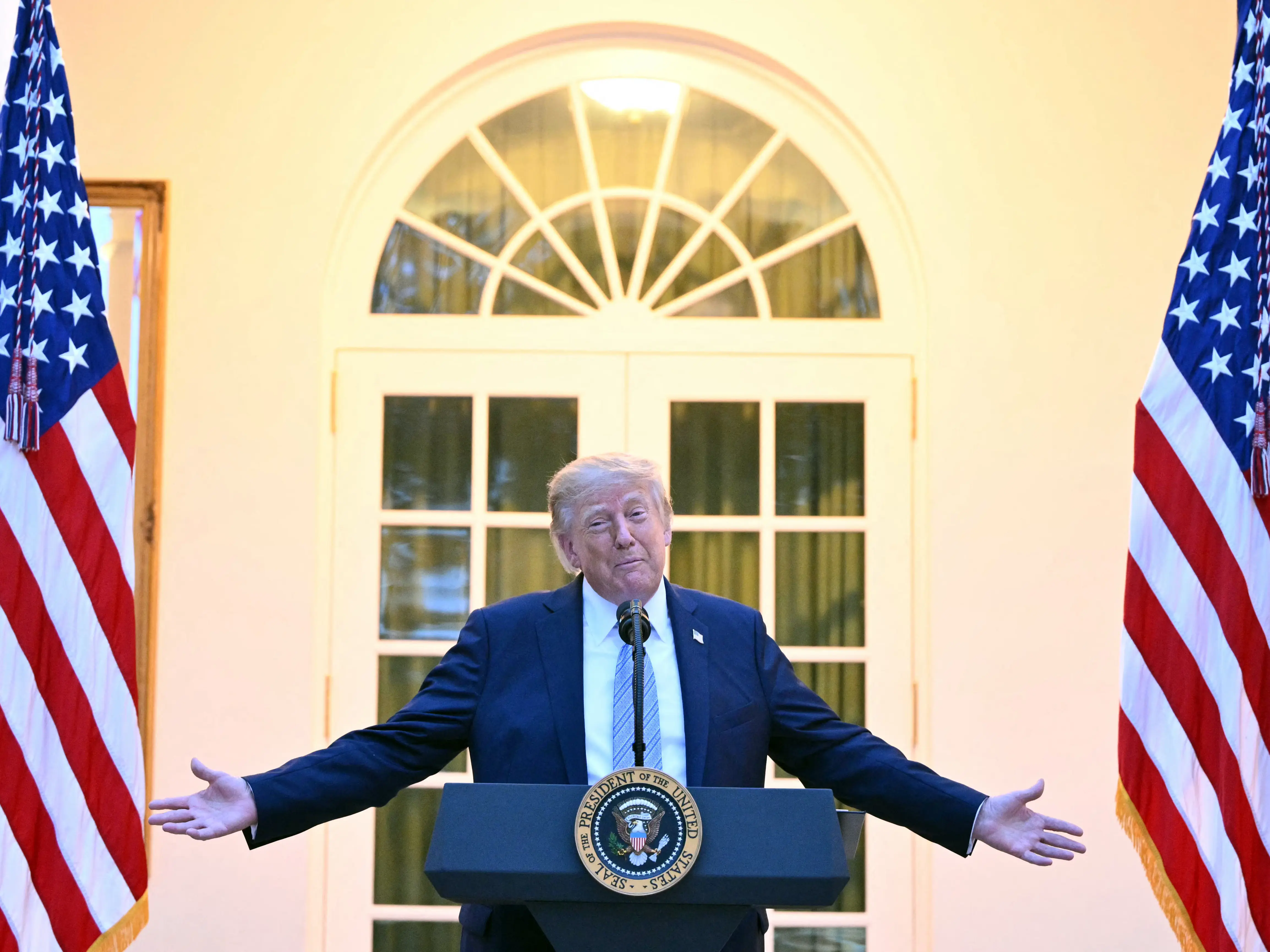
Trump bans CNN, MS NOW and Politico from White House over ‘FAKE NEWS’
)
Trump 2.0: Dark days ahead for America’s ‘imperial presidency’
)
New brain discovery could aid neurological disease studies
)
Drone strikes cooling tower at Russia's Kursk Nuclear Plant, IAEA confirms
&im=FitAndFill=(700,400))
How many F-35s does Britain, Japan and Israel have?
)
Tirupati Laddu ghee adulterated with chemicals, says ED, supplier arrested
)
IIT Bombay student dies by suicide, was caught seeking AI help during exams
)
Trump extends H-1B visa's $100,000 fee until September 2027: What it means for Indians?
)
Russia holds first parliamentary elections since the beginning of the Ukraine war
&im=FitAndFill=(700,400))
Meet top 5 Indian batters with fastest T20I centuries
)
Extreme warming in Indian Ocean added 695 billion tons of ice to Antarctica ice sheet
)
)
The aim is to establish firm goals that would end the loss of wildlife.
Dr Adriana De Palma, a senior researcher at the museum said that the analysis found that the UK was consistently in the bottom 10 per cent of nations in terms of biodiversity intactness. This is because the agricultural and industrial revolutions started in the UK.
Across the UK, woods and grasslands have been ripped up and fields of single crops have been planted in their place.
Also, more than two-thirds of the UK is now used for agriculture and 8 per cent has been built on. This leaves very little room for nature.
The world’s overall biodiversity intactness is estimated at 75 per cent. This is significantly lower than the 90 per cent average considered to be a safe limit for ensuring the planet does not fall into an ecological recession.