

&imwidth=800&imheight=600&format=webp&quality=medium "Trump vs Obama on Iran: From costly war to ceasefire, who got the better deal?")
US President Donald Trump agreed to a two-week ceasefire with Iran. The US-Israeli coalition, which started with the premise of regime change and halting nuclear enrichment of Iran, has resulted in the opening of the Strait of Hormuz. Israel, on the other hand, has come out as a winner and achieved the opportunity of carrying out its expansionist project in Lebanon and the West Bank.
The 39-day campaign had an estimated cost of $27 billion- $31 billion, according to Penn Wharton Budget Model, and resulted in the death of 15 US servicemen, and roughly 700 others were injured. The cost excludes the damage to the US assets in the region. It also resulted in the death of several Iranian top leaders, including the supreme leader, Ayatollah Ali Khamenei. 1900 Iranian civilians and tens of thousands of other were also injured. Iran retalliated with closing the Strait of Hormuz, choking the lifeblood of the US empire and sending shockwaves globally.
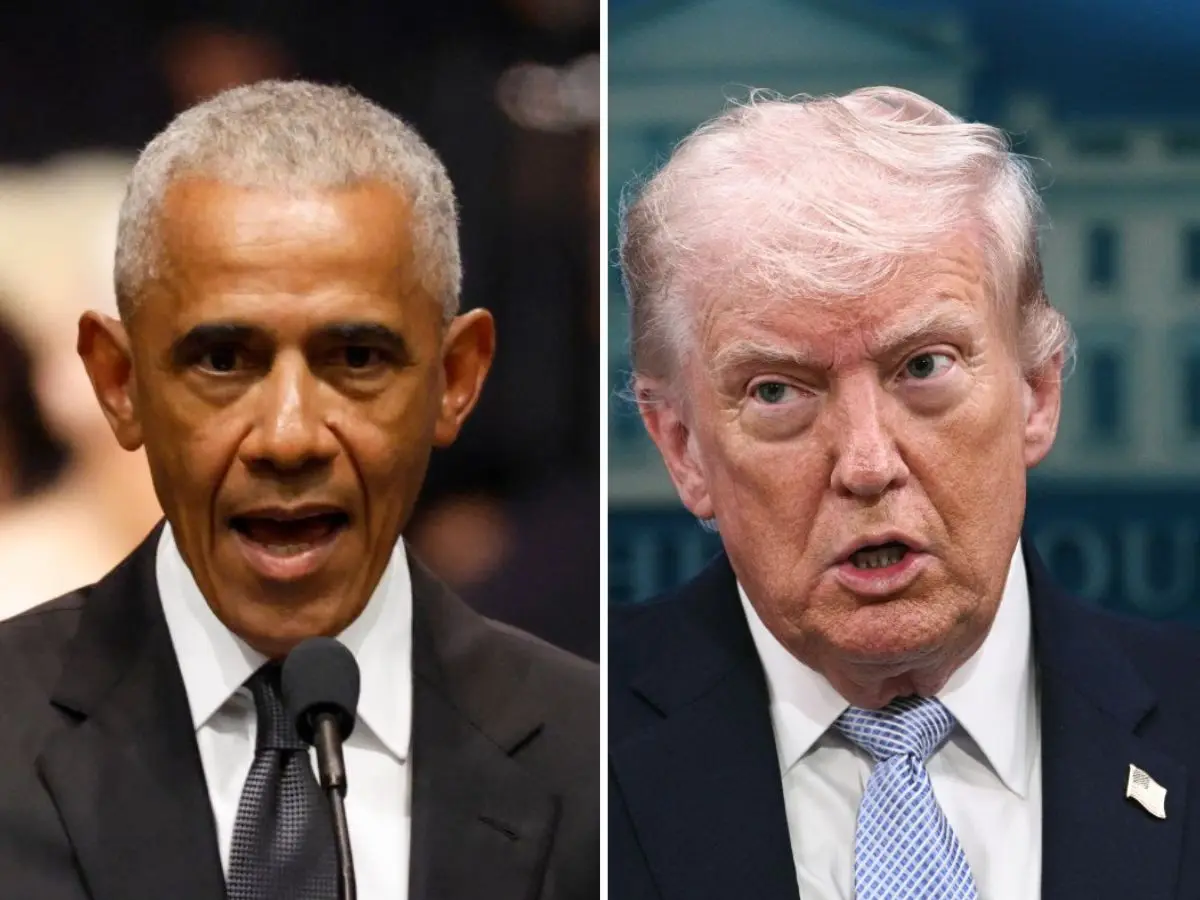
Trump vs Obama: Who got the better deal with Iran?
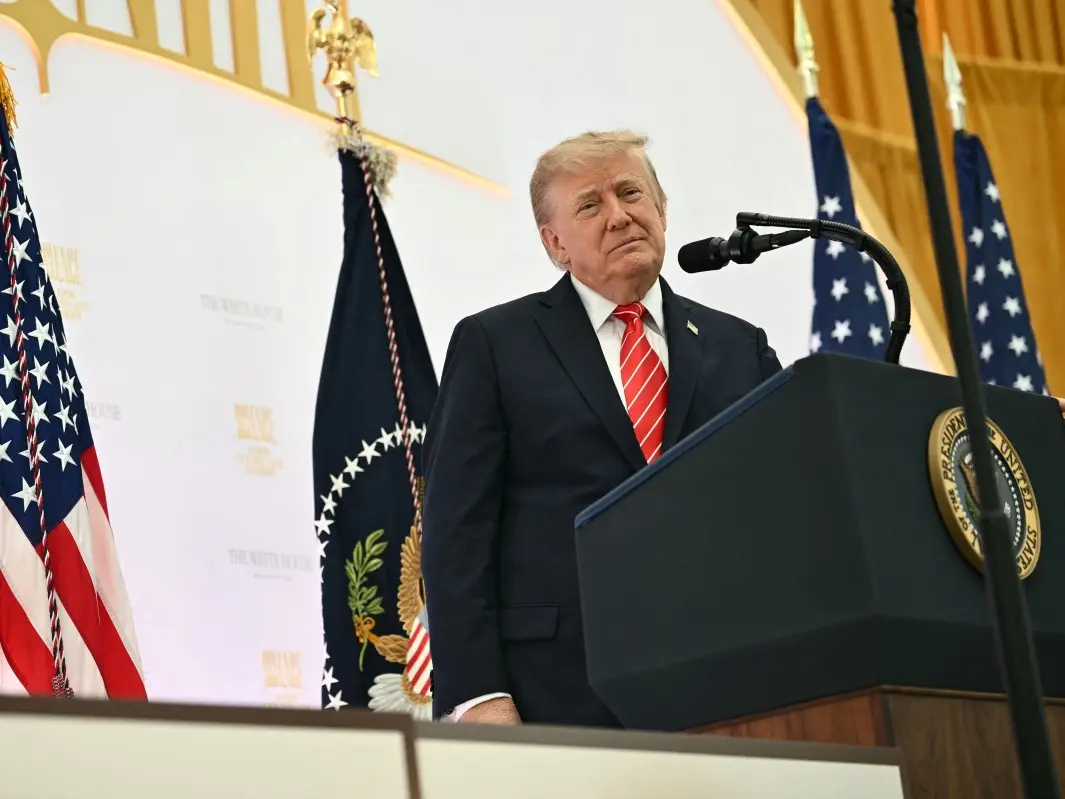
Donald Trump, the famous author of the book “Art of the Deal”, once claimed that Obama would start a war with Iran because he’s “weak and he’s ineffective,” and has “absolutely no ability to negotiate.” Obama signed the Joint Comprehensive Plan of Action (JCPOA), along with China, France, Russia, the United Kingdom, Germany and the United States. The deal imposed restrictions on Iran's civilian uranium enrichment in exchange for billions of dollars in sanctions relief. This was done without wasting a single penny and costing no civilian or military deaths.
US President Donald Trump walked out of the JCPOA, calling it a “horrible” and one-sided deal. However, after walking out of the JCPOA in 2018 and waging an offensive campaign from February 28, 2026, to April 7, 2026, and spending billions of dollar Trump was desperate to agree to a 10-point ceasefire proposal to salvage his and the GOP's deteriorating political future. The ceasefire proposal shows that Iran was negotiating from a position of strength. Iran agreed to open the Strait of Hormuz, but in coordination with the Iranian military. The US would be lifting all primary and secondary sanctions on Iran. Iran urged acceptance of Uranium enrichment and no IAEA oversight. Further, the US would cease all aggression, withdraw all troops from the region and agree to pay compensation. The proposal, even though not binding yet, puts the US at a disadvantageous position. If agreed, it will convert the US from an empire to a mere regional power.
Trending Stories
&imwidth=180&imheight=135&format=webp&quality=medium)
Premier League: Haaland wants Manchester City to 'try to enjoy the situation and win the game'
&imwidth=180&imheight=135&format=webp&quality=medium)
'Nidal Hasan's firing-squad execution to be livestreamed', says Pentagon; first US military execution since 1961
&imwidth=180&imheight=135&format=webp&quality=medium)
Trump's naked 23-karat gold statue unveiled near European Parliament
&imwidth=180&imheight=135&format=webp&quality=medium)
‘Never-ending flow of cheap labour’: JD Vance hits back at Indian-origin Congresswoman over US green card curbs for major tech companies
&imwidth=180&imheight=135&format=webp&quality=medium)
Thai Actors Fourth Nattawat, Gemini Norawit face racism accusations from Indian fans over viral Bollywood act
&imwidth=180&imheight=135&format=webp&quality=medium)
Nigeria govt rolls out 30-day NNPC petrol discount, insists it is not a subsidy
&im=FitAndFill=(700,400)&imwidth=180&imheight=135&format=webp&quality=medium)
Fastest-growing Asian economies in 2026: Who tops the chart? Where does India rank?
&imwidth=180&imheight=135&format=webp&quality=medium)
A Love Other Than Yours: The temptation to cheat and what pushes people over the edge
&imwidth=180&imheight=135&format=webp&quality=medium)
Russia president Putin promises to 'do everything' to help settle Middle East conflict as US-Iran negotiations stall
&imwidth=180&imheight=135&format=webp&quality=medium)
‘Wait till you discover the other guy’: Rahul Gandhi takes a swipe as Musk's 'Ambani real boss of India' remark triggers X subscription cancellations
&imwidth=180&imheight=135&format=webp&quality=medium)
BTS agency HYBE announces first-ever Weverse Con Festival in India
&imwidth=180&imheight=135&format=webp&quality=medium)
Trump has a new 'enemy': Anyone who calls it 'artificial intelligence'. Here's what we wants instead
&imwidth=180&imheight=135&format=webp&quality=medium)
India at UN: Pak allows terror groups to operate from its soil
&imwidth=180&imheight=135&format=webp&quality=medium)
Air India, Air India Express increase fuel surcharge on domestic, international flights amid rising ATF costs
&imwidth=180&imheight=135&format=webp&quality=medium)
'Something truly catastrophic will happen': Former OpenAI researchers sound the alarm, claim they were fired for prioritising AI safety
&imwidth=180&imheight=135&format=webp&quality=medium)
Scientists find highly radioactive nuclear particles at Chernobyl 40 years after the disaster
&imwidth=180&imheight=135&format=webp&quality=medium)
Nana Patekar's #MeToo controversy: From Tanushree Dutta’s allegations to court ruling
&imwidth=180&imheight=135&format=webp&quality=medium)
Pakistan denies reports of PAF jets being used in attacks against Iran-backed Houthis in Yemen
&imwidth=180&imheight=135&format=webp&quality=medium)
New York ICE shooting sparks protests as Mamdani to call on Trump to halt ICE operations
&imwidth=180&imheight=135&format=webp&quality=medium)
Atlantic hurricane Isaias could make landfall as a strong Category 2 storm, tornado warnings issued
&im=FitAndFill=(700,400)&imwidth=180&imheight=135&format=webp&quality=medium)
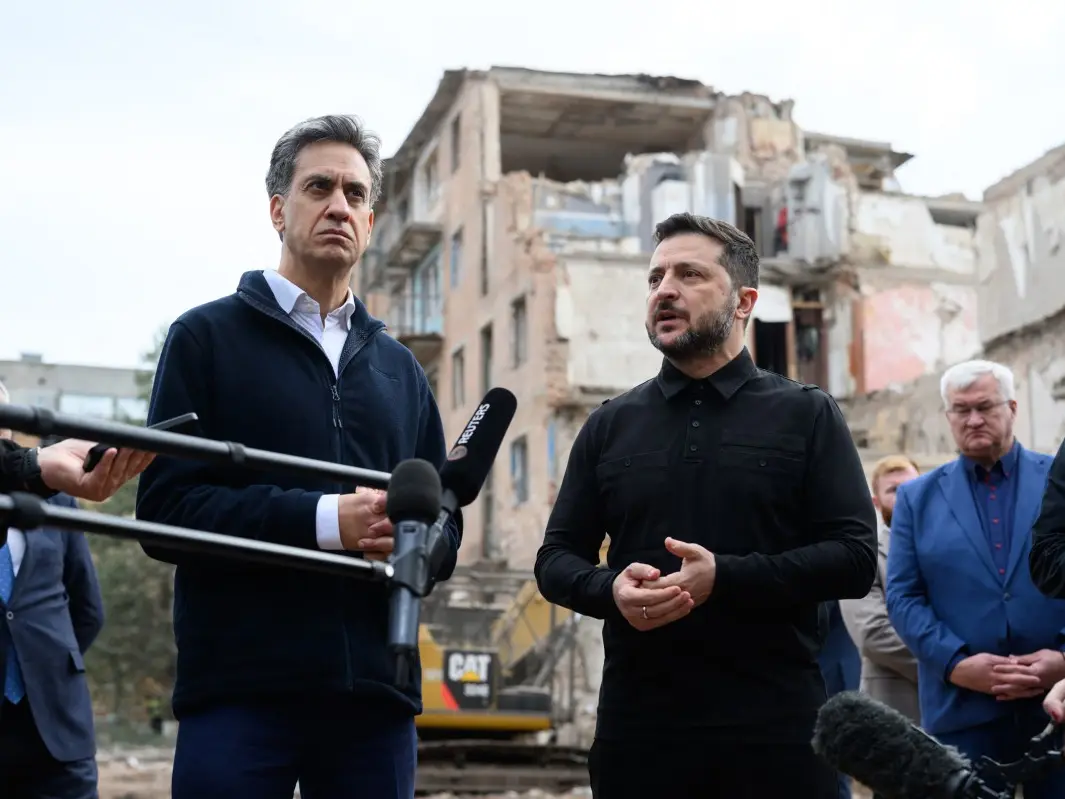
From Kramatorsk buses to Yandex fire: Russia-Ukraine war in the last 48 hours
&imwidth=180&imheight=135&format=webp&quality=medium)
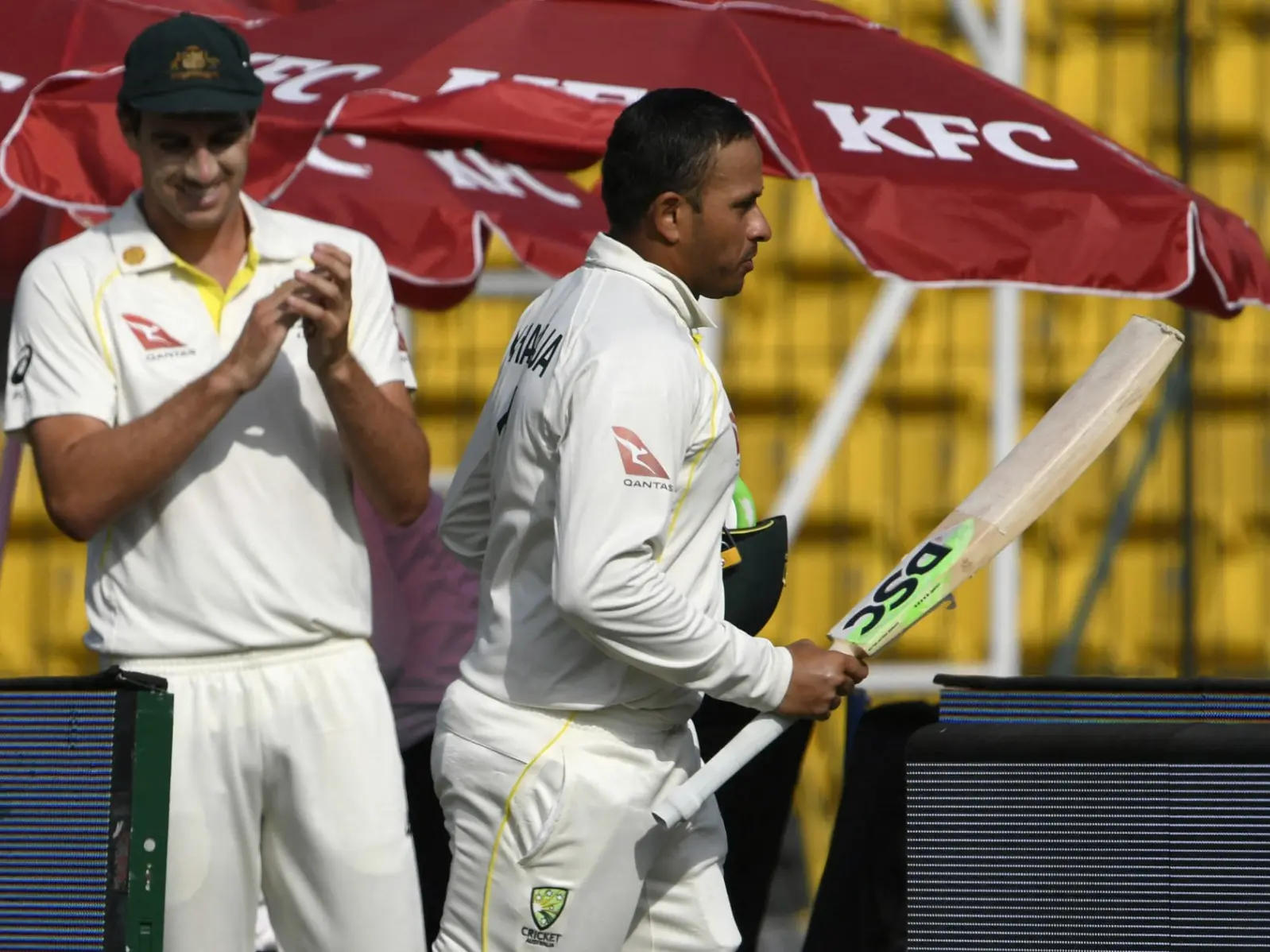
AUS vs SA: 'That's fine,' says Cummins on Khawaja's book contents about Sandpapergate
&imwidth=180&imheight=135&format=webp&quality=medium)
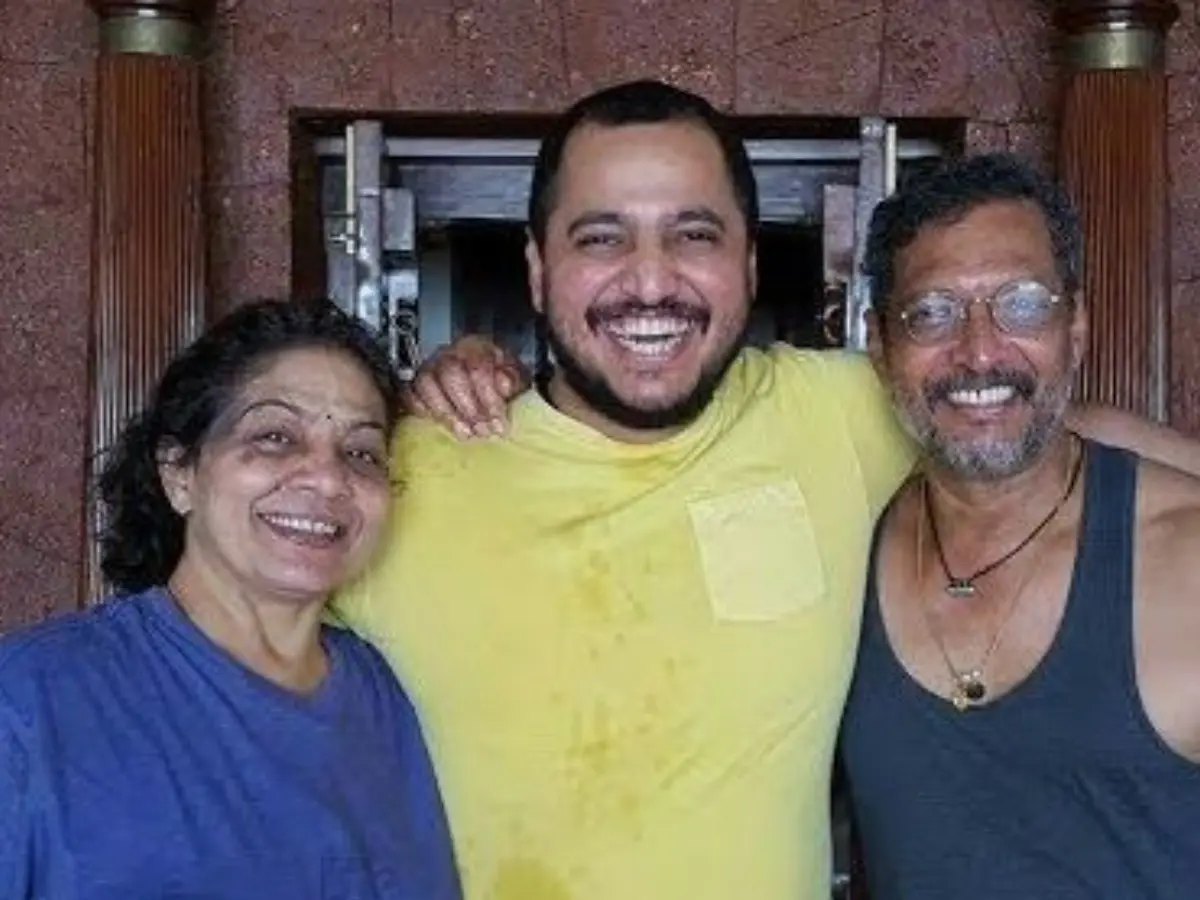
Who is Nana Patekar's wife Neelakanti? The bank officer who earned Rs 2,500 when he earned Rs 50
&imwidth=180&imheight=135&format=webp&quality=medium)
KATSEYE’s Sophia Laforteza to return in 2027 after hiatus, agency issues statement
&imwidth=180&imheight=135&format=webp&quality=medium)
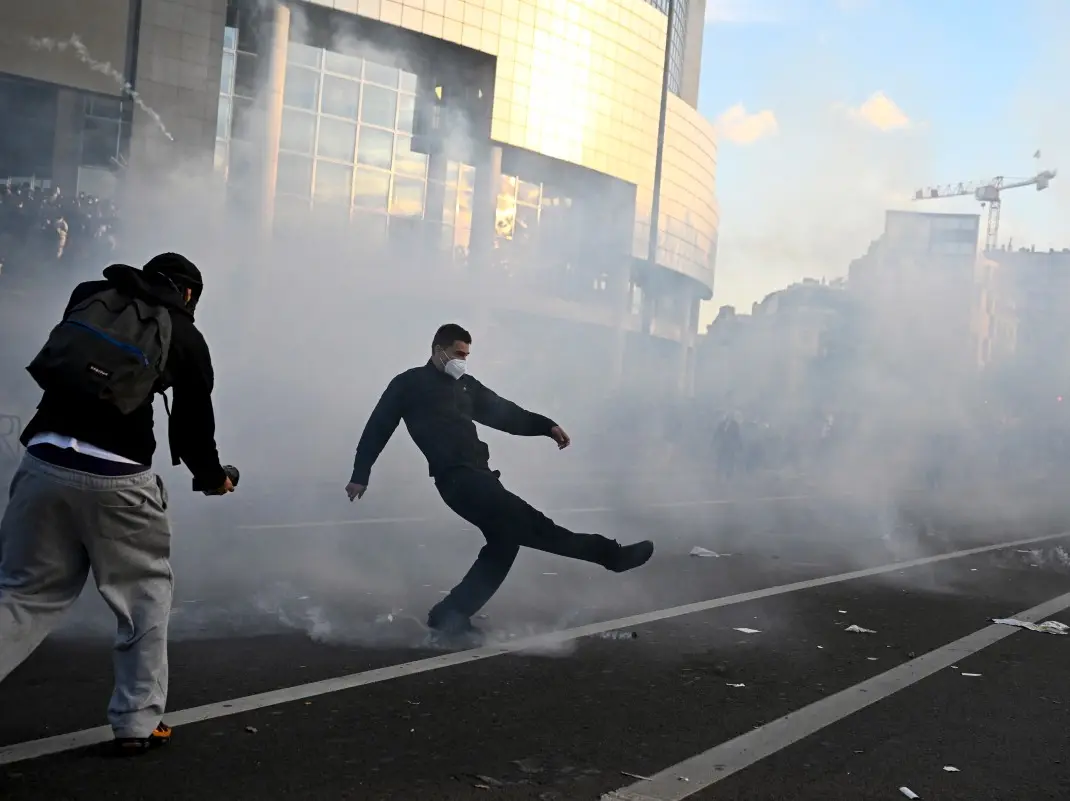
French students light European bonfire, protests erupt in Belgium, Italy & Greece | Gravitas
&imwidth=180&imheight=135&format=webp&quality=medium)
France student protests: Over 500 arrested, govt promises 3,000 substitute teachers
&imwidth=180&imheight=135&format=webp&quality=medium)
Arizona congressional candidate claims she was sexually assaulted while repairing signs
&imwidth=180&imheight=135&format=webp&quality=medium)
New Cold War: Why is China buying more gold? Explained
&imwidth=180&imheight=135&format=webp&quality=medium)
OpenAI shuts down Russian, Iranian influence operations using ChatGPT to spread propaganda
&imwidth=180&imheight=135&format=webp&quality=medium)
'Understood consequences of a few mistakes': Ishan Kishan reflects on journey back to India team
&im=FitAndFill=(700,400)&imwidth=180&imheight=135&format=webp&quality=medium)
435 House seats, 35 Senate races: The numbers behind US midterms 2026
&imwidth=180&imheight=135&format=webp&quality=medium)
Bangladesh named as Pakistan’s replacement for Asian Hockey Champions Trophy
&imwidth=180&imheight=135&format=webp&quality=medium)
Zendaya gives The Odyssey white lace jacket a stylish twist at Paris Fashion Week 2026
&imwidth=180&imheight=135&format=webp&quality=medium)
SC asks Centre to frame mechanism against unethical pharma marketing practices
&imwidth=180&imheight=135&format=webp&quality=medium)
US suspends Microsoft, Infosys, Tata, Wipro from green card programme over alleged H-1B abuse
&imwidth=180&imheight=135&format=webp&quality=medium)
Trump honours Microsoft CEO Satya Nadella with top technology honour amid immigration scrutiny
&imwidth=180&imheight=135&format=webp&quality=medium)
Flydubai flight attack: Indian pilot Smit Machchhar to receive Israel's highest civilian bravery award for saving 174 lives
Domestically in the US, there are intense debate between the Democrats and Republicans over who had better deals with Iran. Democrats have called Trump's handling of Iran an impeachable offence and raised concern about Trump's mental health to continue in office after he claimed that the Iranians want to be bombed. Both parties approached US foreign policy differently; on one hand, Barack Obama had a diplomatic approach, and on the other hand, Donald Trump had a “maximum pressure” approach. In the process, Trump managed to isloate US globally; it lost its European allies, who were earlier very efficient in covering the US aggression in the Gulf as a war for Western democratic values. The result is not only a botched-up military campaign but a total and absolute loss of moral legitimacy.

