

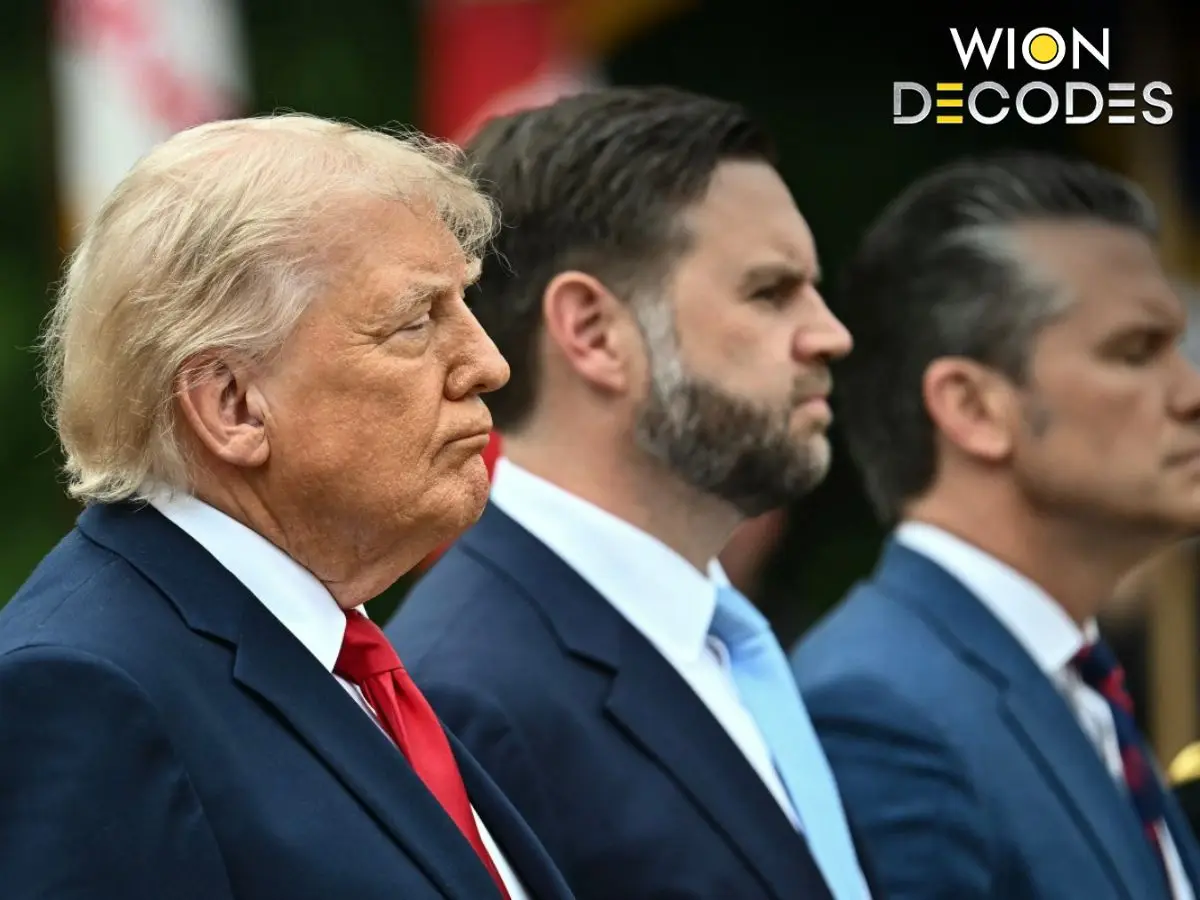
&imwidth=800&imheight=600&format=webp&quality=medium "Trump’s Hormuz gambit and Abraham Accords expansion: How does it sideline Palestine?")
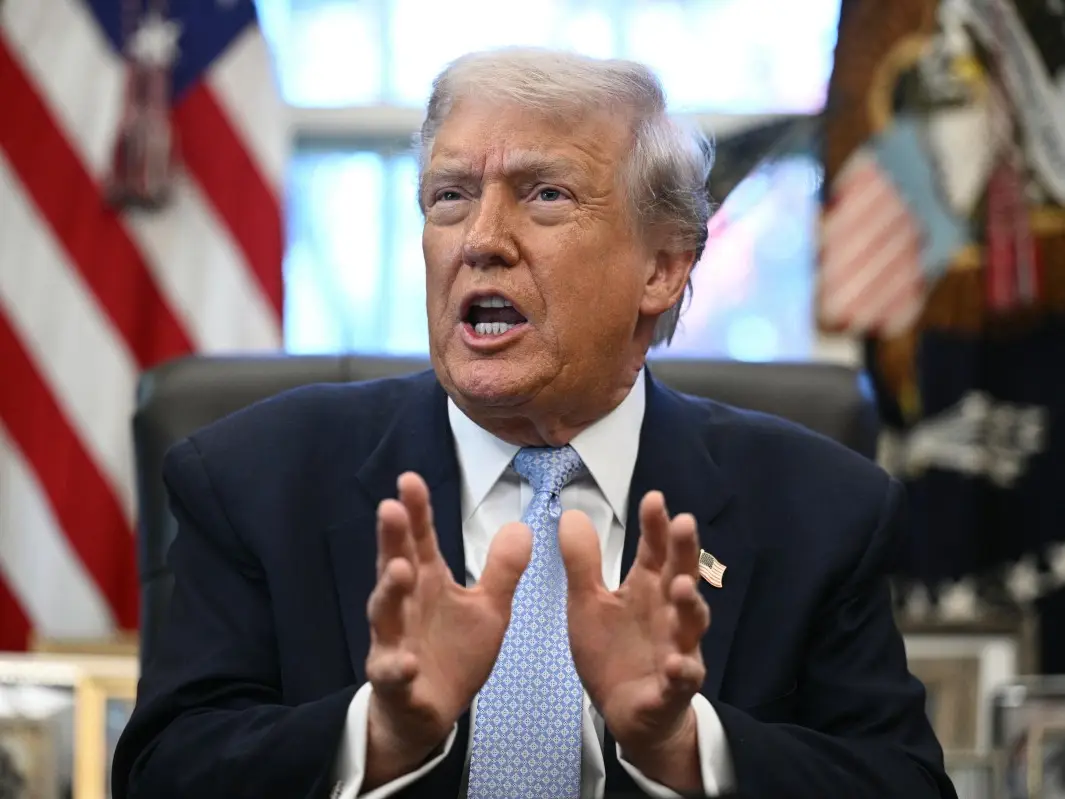
US President Donald Trump on Monday stunned Arab and Muslim leaders when he said that he would only broker a peace deal to reopen the Strait of Hormuz if there was a normalisation with Israel. Arab and Muslim leaders who were caught off-guard have reacted with deep hesitation, silence and conditional pushback. According to US officials who leaked the details of the conversation to Axios, told that the demand left Arab leaders in silence, so much so that Trump quipped, "Are they still there?" Later, Trump said that his team of Jared Kushner and Steve Witkoff will follow up with Arab countries on the normalisation with Israel in the following weeks.
What is Trump trying to achieve, and why did he leak the details of the call?
A Truth Social post by Trump claimed that the Abraham Accords will bring “peace to the Middle East for the first time in 5,000 years”, and Trump did not stop there; he also floated the highly controversial idea that the Islamic Republic of Iran join the Abraham Accords. Trump's push for the expansion of the Abraham Accords can be seen as his interest in consolidating the fractured MAGA base ahead of the midterms. By expanding the Abraham Accords, Trump will shield the potential Iran deal fallout from the pro-Israel camp among the Republicans. At the same time, he could claim a moral victory over the anti-war critics by bundling the peace deal with the Abraham Accords as a historic achievement.
The Strait of Hormuz is not just a shipping lane; it is the physical valve that regulates the Petrodollar system, yet he is using the security as a leverage against the very nations that sustain it. By publicly leaking the details of the call, Trump at first tested the reaction of the Arab and Muslim leaders. Because he is playing a gambit, which side is more desperate about the reopening of Hormuz? He wants to push the hands of the Arab leaders who do not openly normalise with Israel but hold reservations against the Islamic Republic of Iran.
What does it mean for Israel, Iran and a Palestinian state?
Trending Stories
&imwidth=180&imheight=135&format=webp&quality=medium)
Shreyas Iyer blames dew for West Indies' record run chase in 2nd T20I in Ranchi
&imwidth=180&imheight=135&format=webp&quality=medium)
100,000 strikes in 3 years: How October 7 redefined Israel's war
&im=FitAndFill=(700,400)&imwidth=180&imheight=135&format=webp&quality=medium)
Happy Birthday Rekha: Watch these 7 evergreen Bollywood hits on Netflix, Prime Video and more
&imwidth=180&imheight=135&format=webp&quality=medium)
'I am not going to be watching it': JD Vance on livestream of Nidal Hasan's firing squad execution
&imwidth=180&imheight=135&format=webp&quality=medium)
UK navy hit by espionage scandal: Sailor accused of spying for Russia | Gravitas
&imwidth=180&imheight=135&format=webp&quality=medium)
Katie Zacharia likely to succeed Karoline Leavitt as Trump's White House press secretary
&imwidth=180&imheight=135&format=webp&quality=medium)
Delhi on high alert for CJP protest: Delhi police to use body cams to 'prove whether we did anything’; Pink Force, RAF, 35,000 personnel deployed
&imwidth=180&imheight=135&format=webp&quality=medium)
‘Never-ending flow of cheap labour’: JD Vance hits back at Indian-origin Congresswoman over US green card curbs for major tech companies
&imwidth=180&imheight=135&format=webp&quality=medium)
Panama president declares ‘major disaster’ after powerful 7.7-magnitude earthquake; over 80 aftershocks recorded
&imwidth=180&imheight=135&format=webp&quality=medium)
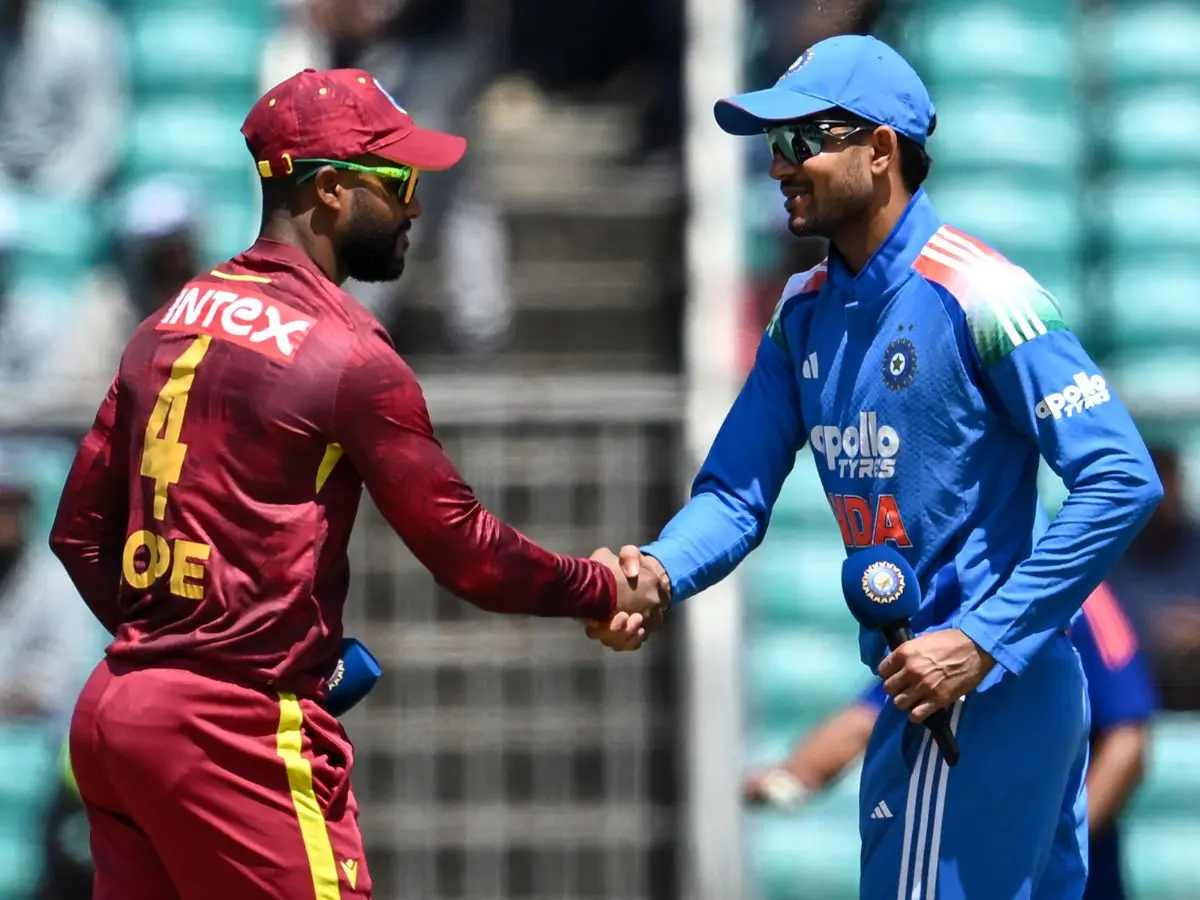
‘250? Cool.’: Shai Hope takes swipe at Shubman Gill’s Instagram caption after Ranchi T20I masterclass
&imwidth=180&imheight=135&format=webp&quality=medium)
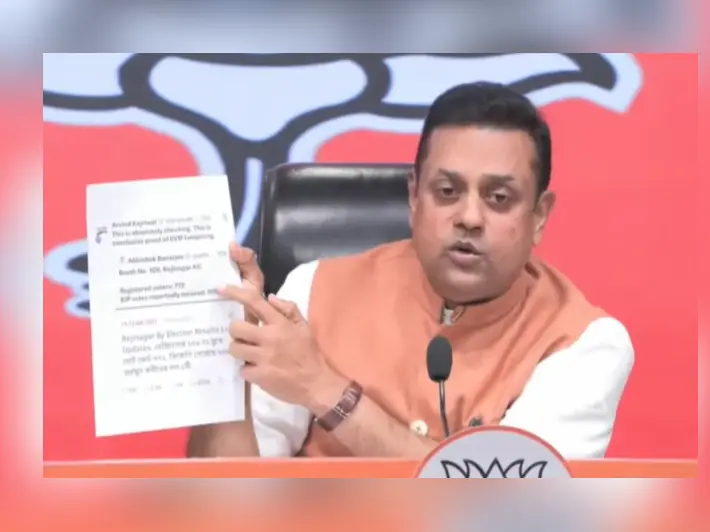
'Jantar Mantar not the story of India': BJP's Sambit Patra claims 'anarchists' tried to hold Delhi captive
&imwidth=180&imheight=135&format=webp&quality=medium)
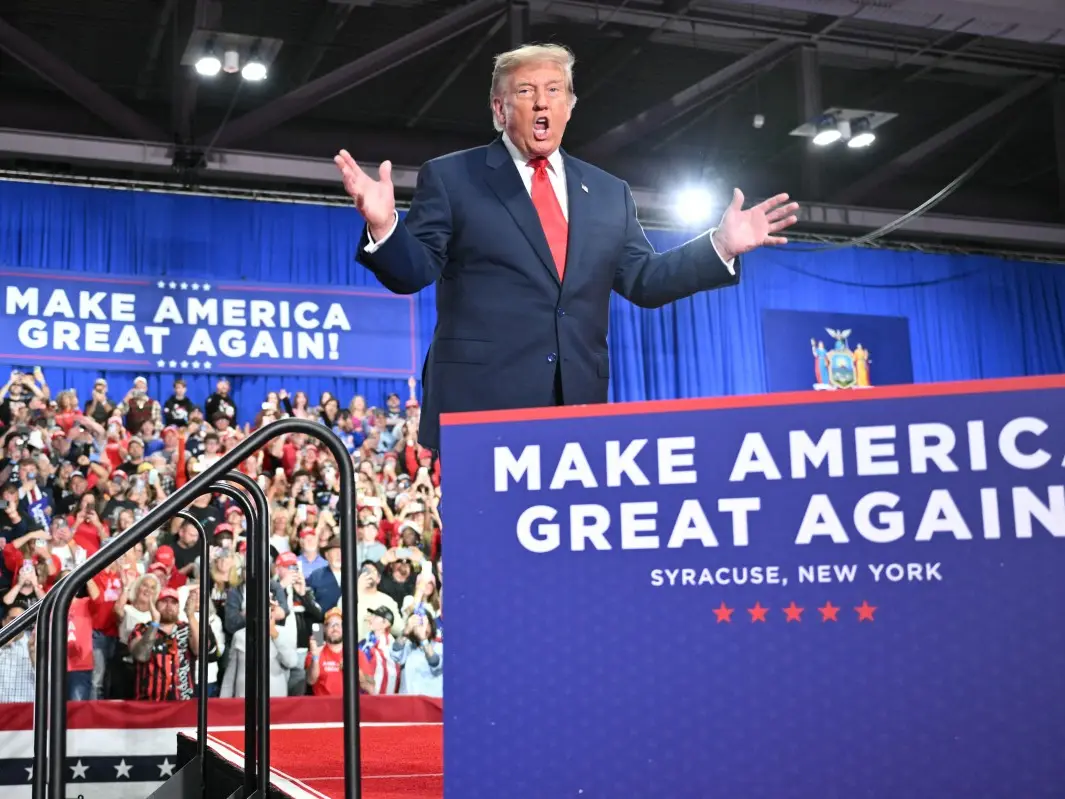
'I ended 8 wars': Trump slams Nobel Peace prize decision, claims award was his due
&imwidth=180&imheight=135&format=webp&quality=medium)
Dhurandhar: The Revenge album submitted for Grammy consideration; But what does it mean?
&imwidth=180&imheight=135&format=webp&quality=medium)
J&K Government orders major police reshuffle, transfers 100 officers across UT
&imwidth=180&imheight=135&format=webp&quality=medium)
Around 500 detained, 50 'anti-social elements' with criminal antecedents apprehended ahead of CJP protest against CEC Gyanesh Kumar: Delhi Police
&imwidth=180&imheight=135&format=webp&quality=medium)
New York protests erupt as Trump administration defends ICE shooting
&imwidth=180&imheight=135&format=webp&quality=medium)
Delhi protest: Metro curbs, train cancellations, traffic diversions as protesters seek CEC Gyanesh Kumar’s resignation
&imwidth=180&imheight=135&format=webp&quality=medium)
Powerful 7.7 magnitude earthquake strikes Panama, tsunami warning issued
&imwidth=180&imheight=135&format=webp&quality=medium)
Adéla gives KATSEYE’s Lara Raj and Megan Skendiel a shout-out at Fonda Theatre in LA
&imwidth=180&imheight=135&format=webp&quality=medium)
'Modi is a dictator': Abhijeet Dipke claims govt 'scared' of youth, slams stringent measures ahead of CJP Jantar Mantar protest
&im=FitAndFill=(700,400)&imwidth=180&imheight=135&format=webp&quality=medium)
New Friday OTT releases (October 9, 2026): Reporting Live, Animals, Take Charge of My Heart- 6 new titles coming on Netflix, JioHotstar and more
&imwidth=180&imheight=135&format=webp&quality=medium)
'Ouch!!! That must hurt': Kangana Ranaut hails Kamal Haasan's sharp reply to Elon Musk over Starlink row
&imwidth=180&imheight=135&format=webp&quality=medium)
Trump announces Russian diesel deal as Zelensky criticises move
&imwidth=180&imheight=135&format=webp&quality=medium)
‘Right to protest must be protected, but...’: Delhi Police reveals why it denied CJP permission for October 10 Jantar Mantar protest
&imwidth=180&imheight=135&format=webp&quality=medium)
Pakistan denies reports of PAF jets being used in attacks against Iran-backed Houthis in Yemen
&imwidth=180&imheight=135&format=webp&quality=medium)
Ella Langley’s Oklahoma show abruptly cancelled over safety concerns after threat report
&imwidth=180&imheight=135&format=webp&quality=medium)
TCS leads tech gains, lifts market sentiment
&imwidth=180&imheight=135&format=webp&quality=medium)
All 22 Indian seafarers safe in attack on Panama-flagged tanker off UAE coast
&imwidth=180&imheight=135&format=webp&quality=medium)
Ryan Reynolds’ private messages reveal his blunt views on Justin Baldoni from Blake Lively’s legal case
&im=FitAndFill=(700,400)&imwidth=180&imheight=135&format=webp&quality=medium)
Rakul Preet Singh birthday special: 7 times the Ramayana actress served glamorous looks

Kamal Haasan slams Elon Musk over Starlink delay row: 'Indian people, will decide our own future - not Western'
&im=FitAndFill=(700,400)&imwidth=180&imheight=135&format=webp&quality=medium)
Food shortages, suicide attempts and more: USS Abraham Lincoln returns to US after 321 day deployment — What happened aboard the US carrier?
&imwidth=180&imheight=135&format=webp&quality=medium)
Thai queen becomes first reigning monarch to fly jet solothailand #queen #wion
&imwidth=180&imheight=135&format=webp&quality=medium)
SC questions closure of 57 Delhi Metro stations, asks Centre to resume services in regulated manner
&imwidth=180&imheight=135&format=webp&quality=medium)
OpenAI shuts down Russian, Iranian influence operations using ChatGPT to spread propaganda
&imwidth=180&imheight=135&format=webp&quality=medium)
Flydubai co-pilot developed extremist views while studying in Australia: UAE prosecutors
&imwidth=180&imheight=135&format=webp&quality=medium)
'Even Indira Gandhi didn't do this': Abhijeet Dipke, Saurav Das and Ashutosh Ranka detained from inside their flight | Watch video
&imwidth=180&imheight=135&format=webp&quality=medium)
US midterm elections 2026: What a blue wave or blue tsunami could mean for Trump
&imwidth=180&imheight=135&format=webp&quality=medium)
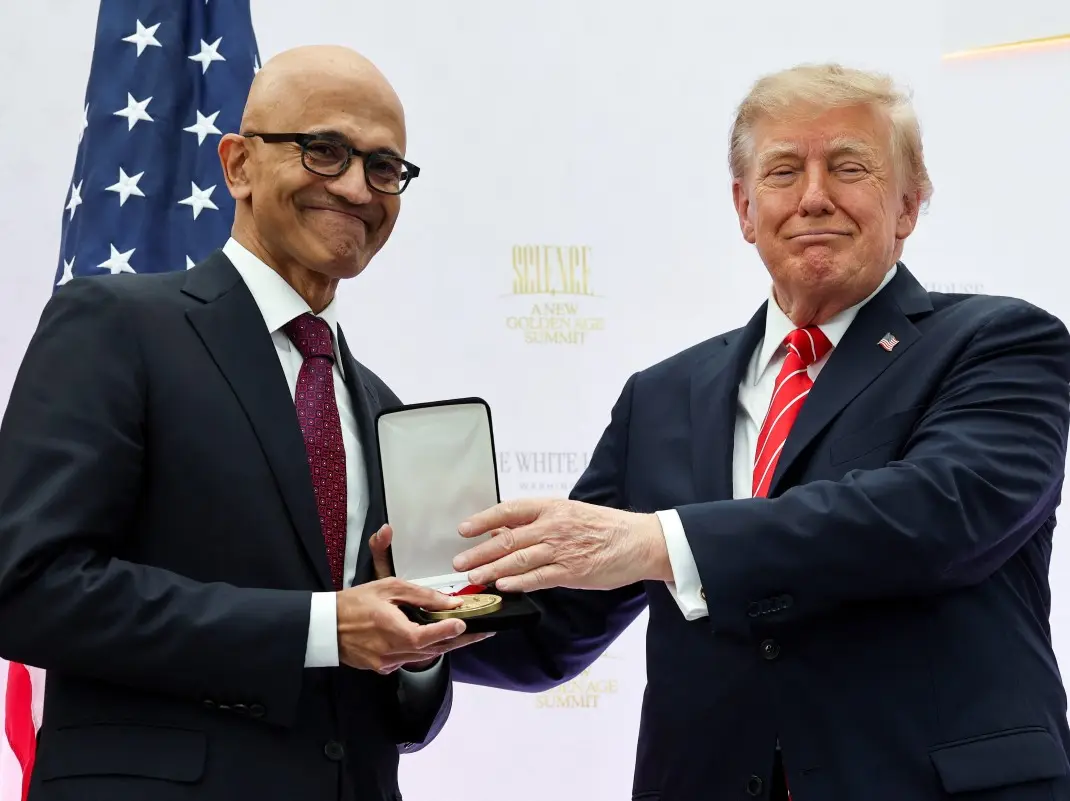
Trump honours Microsoft CEO Satya Nadella with top technology honour amid immigration scrutiny
The Abraham Accords expansion with major Arab nations will push Palestine into limbo, and it will sideline the UN-mandated two-state solution. The expansion will push Palestinians into a corner and change the peace for land to peace for peace paradigm. It undermines the 2002 Arab Peace Initiative, which sought the establishment of a Palestinian political state in exchange for normalisation of relations with Israel.
The whole narrative control and art of the deal of Trump does not seem to factor in the religious doctrine that drives both Israel, Iran and Christian Evangelists. The name “Abraham Accords” was chosen to emphasise the shared Abrahamic roots of Judaism, Islam, and Christianity. But the important caveat is that Iran and Israel have different eschatological world views. For Israel, its building of the Third Temple and the coming of the Messianic Age. Israel does not seek normalisation; it seeks total domination in the war of Gog and Magog. On the other hand, Iran's Shia doctrine holds the liberation of Jerusalem as the prerequisite for the end times; it is centred around the war with the "Great Satan". Further, this is complicated by Trump's own voter base of Christian Evangelical Zionists, who view Jewish control of Jerusalem as a prerequisite for the second coming of Jesus Christ. The important part where the scripts of all sides collide. The geopolitical and diplomatic involvement is part of fulfilling that script. Any everlasting diplomatic solution seems unlikely for religious zealots on both sides who see this as deferring cosmic events.

