

&imwidth=800&imheight=600&format=webp&quality=medium "Trump anti-India tariffs a strategic misstep or leverage? How US media, think tanks, experts are reacting to punishment over Russia oil trade")
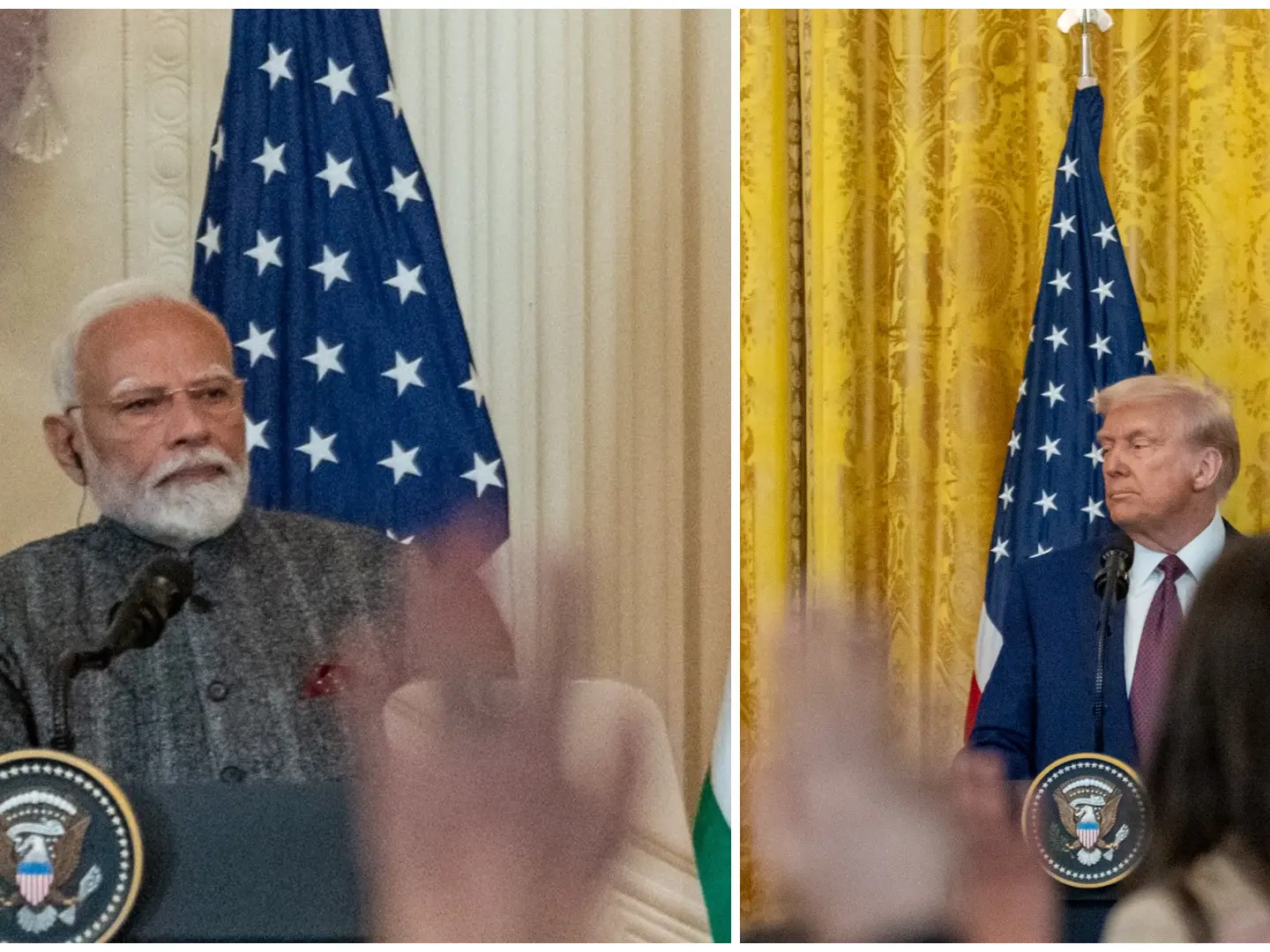
The US mainstream media, most of which Donald Trump calls ‘fake news’, as well as several policy-watching think tanks, have criticised the American president's move to punish India with 50 per cent tariffs over the purchase of Russian oil. Only Trump-aligned media appear to be accepting it as a wise decision. Here is a breakdown:
Criticism of Trump tariffs against India from media, thinktanks and experts
The Wall Street Journal editorial board, often supportive of free-market conservatism, has taken a critical stance, with commentators arguing that the tariffs are disproportionate and unnecessarily antagonistic towards a key democratic ally. They noted that while India-Russia ties could be a problem for the US, Trump’s approach would do more harm than good. The Journal questioned why a nation seen as being close to the US, particularly given the bonhomie between Trump and Indian PM Narendra Modi, is now facing such punitive treatment.
Analysts at the Carnegie Endowment for International Peace described the move as ‘dismantling decades of bipartisan progress’ in strengthening US-India relations. They suggested the tariff policy will be perceived in New Delhi as ‘heavy-handed interference’ in Indian sovereignty, particularly given India’s strategic reliance on Russian oil. Carnegie warned that this shift from engagement to economic punishment could unravel trust between two democracies once seen as natural partners in counterbalancing China’s rise.
Trending Stories
&im=FitAndFill=(700,400)&imwidth=180&imheight=135&format=webp&quality=medium)
What is the real meaning behind Pete Hegseth's tattoos?
&imwidth=180&imheight=135&format=webp&quality=medium)
Man marries off wife of 17 years to her lover in Uttar Pradesh
&imwidth=180&imheight=135&format=webp&quality=medium)
Boeing 737 MAX10 gets FAA certification, deliveries expected to begin in 2027
&imwidth=180&imheight=135&format=webp&quality=medium)
Shastri backs Shami comeback; lauds Bhuvi and warns Bumrah on format workload ahead of World Cup
&imwidth=180&imheight=135&format=webp&quality=medium)
US Midterm 2026: What do opinion polls and prediction markets say less than two weeks before voting
&imwidth=180&imheight=135&format=webp&quality=medium)
US midterms 2026: Red seats once deemed safe now appear shaky as Republicans spend big on ads
&imwidth=180&imheight=135&format=webp&quality=medium)
WATCH | Albania protesters set Supreme Court on fire as anti-Rama riots escalate
&imwidth=180&imheight=135&format=webp&quality=medium)
'Tap dancing through a minefield': Musk backs SpaceX-Tesla merger as AI boom fuels rocket firm's first profit
&imwidth=180&imheight=135&format=webp&quality=medium)
Dandiya Nite ’26: Indian High Commissioner hails diaspora as bridge between India and Nigeria
&imwidth=180&imheight=135&format=webp&quality=medium)
Trump says Ilhan Omar 'could go to jail' amid federal probe, calls Somalia a 's***house'
&imwidth=180&imheight=135&format=webp&quality=medium)
Punjab CM Bhagwant Mann allegedly detained for three hours at Delhi airport, fined ₹50,000: AAP
&imwidth=180&imheight=135&format=webp&quality=medium)
What the Mecca Joint Defence Agreement says about withdrawal and military support. Read full text of the pact here
&imwidth=180&imheight=135&format=webp&quality=medium)
Musk ordered Starlink restrictions that caught Ukraine off guard amid escalating tensions: Report
&imwidth=180&imheight=135&format=webp&quality=medium)
Far-left parties, global networks among 54 groups linked to France protests, only 16 are youth outfits: Report
&imwidth=180&imheight=135&format=webp&quality=medium)
Trump calls Le Pen France’s ‘conservative voice’ after riots, but holds back on endorsement
&imwidth=180&imheight=135&format=webp&quality=medium)
Trump considers removing White House press corps to restore historic indoor swimming pool
&imwidth=180&imheight=135&format=webp&quality=medium)
Tiger Shroff firing incident: Four arrested in arms supply probe, two women allegedly sent weapons to Mumbai
&im=FitAndFill=(700,400)&imwidth=180&imheight=135&format=webp&quality=medium)
Priyanka Chopra to Shilpa Shetty: 6 Bollywood actresses and their fitness secrets
&imwidth=180&imheight=135&format=webp&quality=medium)
'US will never part with niche technology' former IAF assistant chief on India's fighter jet ambitions
&imwidth=180&imheight=135&format=webp&quality=medium)
Pujara says 'Samson and Vaibhav cannot be in Playing XI' for India on NZ tour
&imwidth=180&imheight=135&format=webp&quality=medium)
'What's wrong with you? Are you a sick person?': Trump at it again as he snaps at reporters, faces backlash
&imwidth=180&imheight=135&format=webp&quality=medium)
Over 100 US lawmakers urge FBI to probe foiled Hindu temple shooting as hate crime
&im=FitAndFill=(700,400)&imwidth=180&imheight=135&format=webp&quality=medium)
New OTT releases this week (October 19-25, 2026): Gajab Raat to Chaar Yaar-8 titles to watch during Dussehra week on Netflix, Prime Video and more
&imwidth=180&imheight=135&format=webp&quality=medium)
Ukrainian drone airlifts wounded soldier in what is likely a world first
&imwidth=180&imheight=135&format=webp&quality=medium)
Trump says he wants Zelensky to 'make a deal' with Russia, asks Putin to release American prisoner Stephen Hubbard
&imwidth=180&imheight=135&format=webp&quality=medium)
The Verdict | Trump, Putin and Xi: A superpower triangle that could reshape global diplomacy
&imwidth=180&imheight=135&format=webp&quality=medium)
India moves to buy 10,000 more AI chips for a national compute pool open to startups
&imwidth=180&imheight=135&format=webp&quality=medium)
After France unrest, Italy tightens security amid violent protests in Milan
&imwidth=180&imheight=135&format=webp&quality=medium)
'They are not even telling us' - Mysterious metallic object discovered in Minnesota field
&imwidth=180&imheight=135&format=webp&quality=medium)
Cattle-feed bran in biscuits, detergent in milk: FSSAI acts against 3 companies
&imwidth=180&imheight=135&format=webp&quality=medium)
US midterms 2026: With Republicans spending big, Bloomberg opens his wallet for Democrats. Here's how much he is pouring
&imwidth=180&imheight=135&format=webp&quality=medium)
Iran rejects US talks until demands are met, rules out moving enriched uranium out of the country
&imwidth=180&imheight=135&format=webp&quality=medium)
Feds obtain DNA evidence that could prove Ilhan Omar married her brother: Report
&imwidth=180&imheight=135&format=webp&quality=medium)
Ramayana advance booking: Ranbir Kapoor, Yash's film cross $500K ahead of Diwali release
Opinions and experts quoted in The Guardian challenged the framing of tariffs as legitimate diplomatic tools. Dr Stuart Rollo, for instance, characterised the measures as a 'departure from traditional diplomacy', calling them instruments of 'geopolitical compulsion'. Economist Devashish Mitra pointed out that India’s regional importance as a counterweight to China appears to have been undervalued, suggesting the administration is sacrificing strategic stability for short-term pressure tactics.
Even opinion pieces in the New York Post, typically sympathetic to Trump, flagged concerns. While acknowledging India’s increased economic alignment with Russia, some writers there questioned whether tariffs are an appropriate vehicle for foreign policy enforcement. They warned that the move exposes fissures in the US–India relationship, which may not recover easily.
But conservative media defends Trump tariffs as ‘realpolitik’
In contrast, right-leaning media outlets aligned with Trump framed the tariffs as a logical extension of his “America First” agenda and a necessary recalibration of foreign policy. Fox News featured several columns positioning the tariffs as ‘tactical leverage’, not random economic aggression. Policy analyst Tanvi Ratna described the action as a ‘bold and ambitious realignment’, arguing that it is intended to force India to reassess its economic ties with Russia.
The goal, in this view, is not to punish, but to negotiate from a position of strength.
Some Fox News voices compared the strategy to ‘defensive warfare’, portraying tariffs as tools of reciprocity. They argued that if India penalises American exporters indirectly through strategic partnerships with adversaries like Russia, then the US is justified in returning the favour.
Can tariffs be a foreign policy tool?
Much of the debate centres on whether tariffs can be instruments of foreign policy at all.
On one side are those who believe in global cooperation, mutual economic benefit, and soft-power influence; while on the other, there are voice that favour transactional relationships and pressure-based negotiation.

