Trump again claims Hormuz as 'new US territory' as top Iranian general slams America of 'betraying negotiations'

&imwidth=600&imheight=450&format=webp&quality=medium "Trump again claims Hormuz as 'new US territory' as top Iranian general slams America of 'betraying negotiations'")
Iran US war
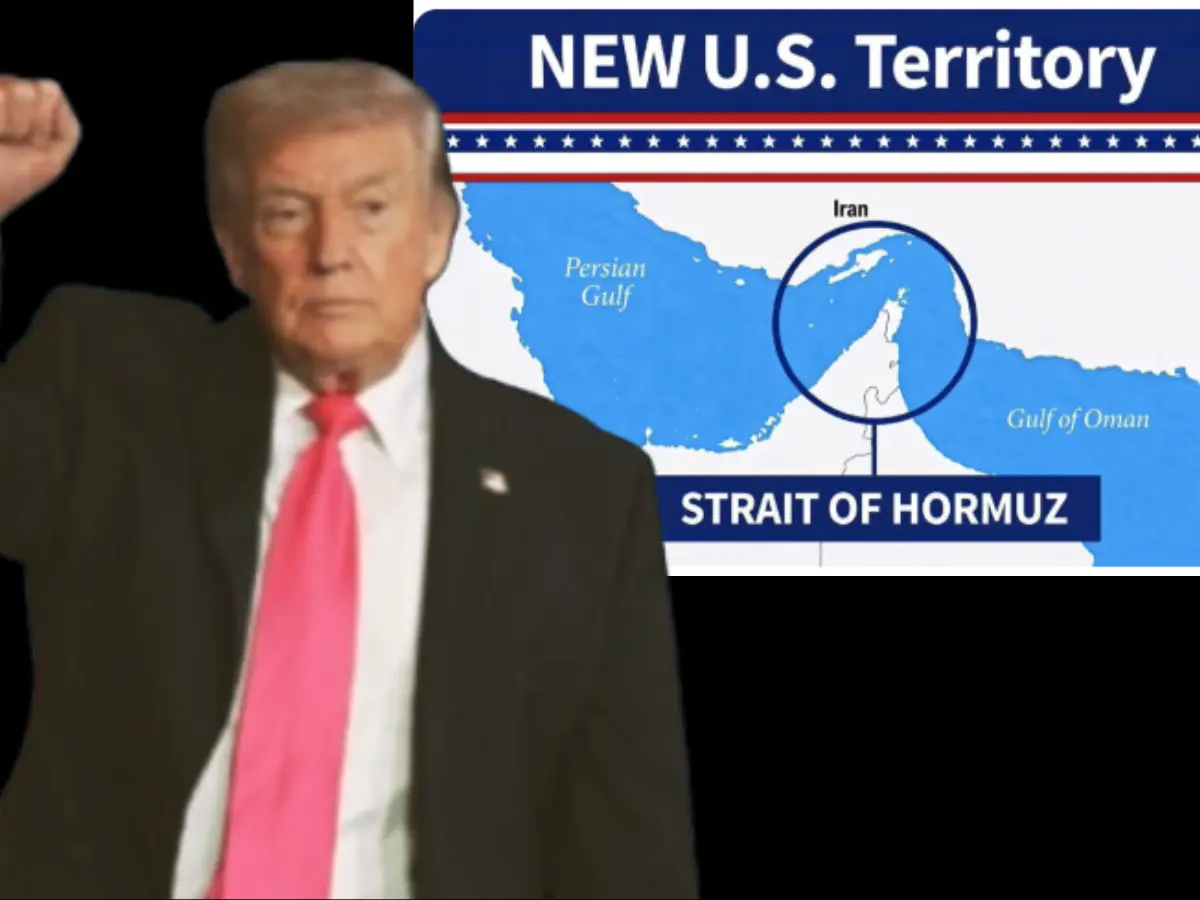
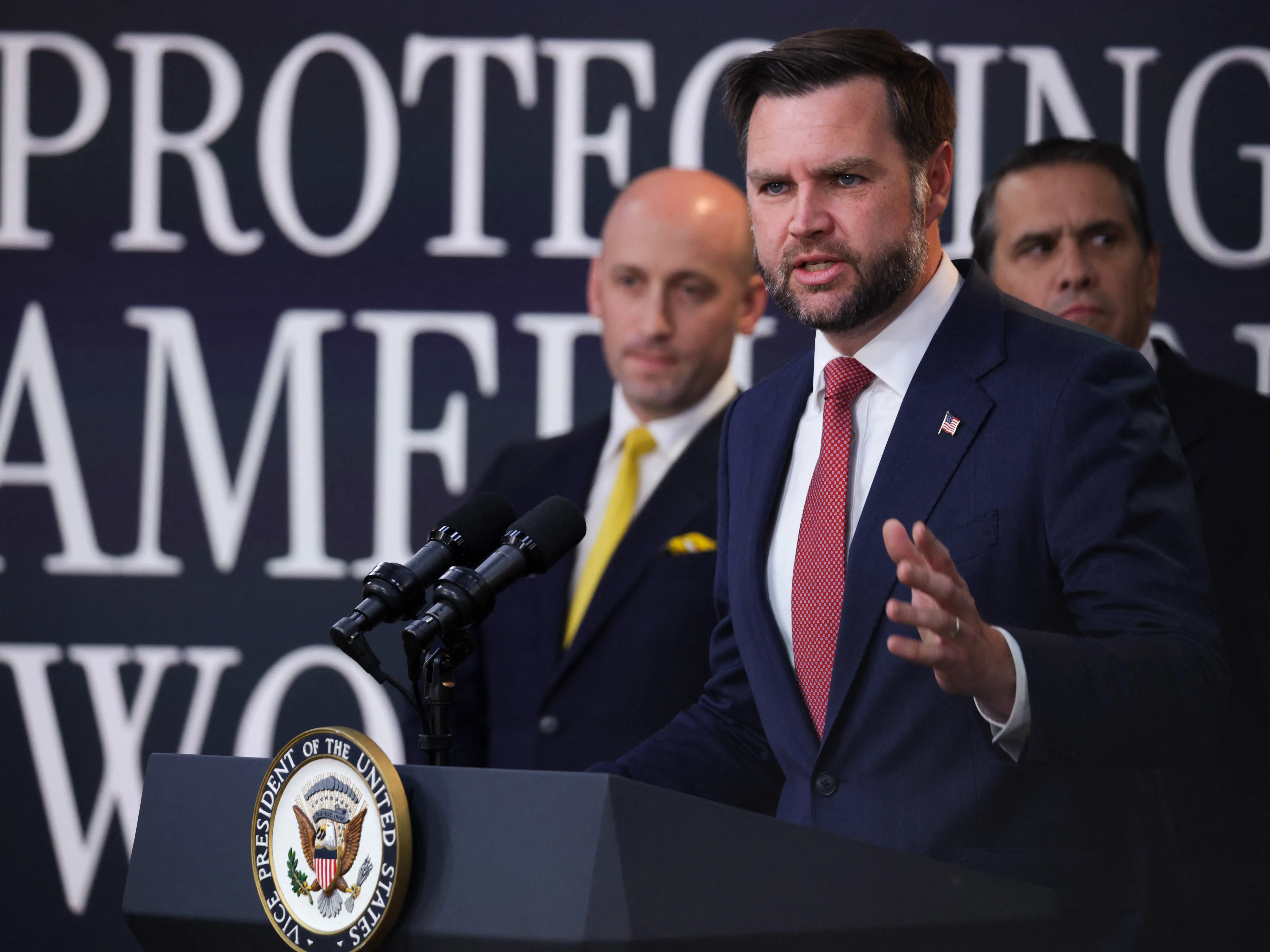
US President Donald Trump again called the Strait of Hormuz “US Territory” as tensions with Iran escalated over sanctions and oil trade. Iran's Mohsen Rezaei urged changes to Tehran's diplomatic approach, while President Masoud Pezeshkian vowed Iran would resist US pressure and aggression.
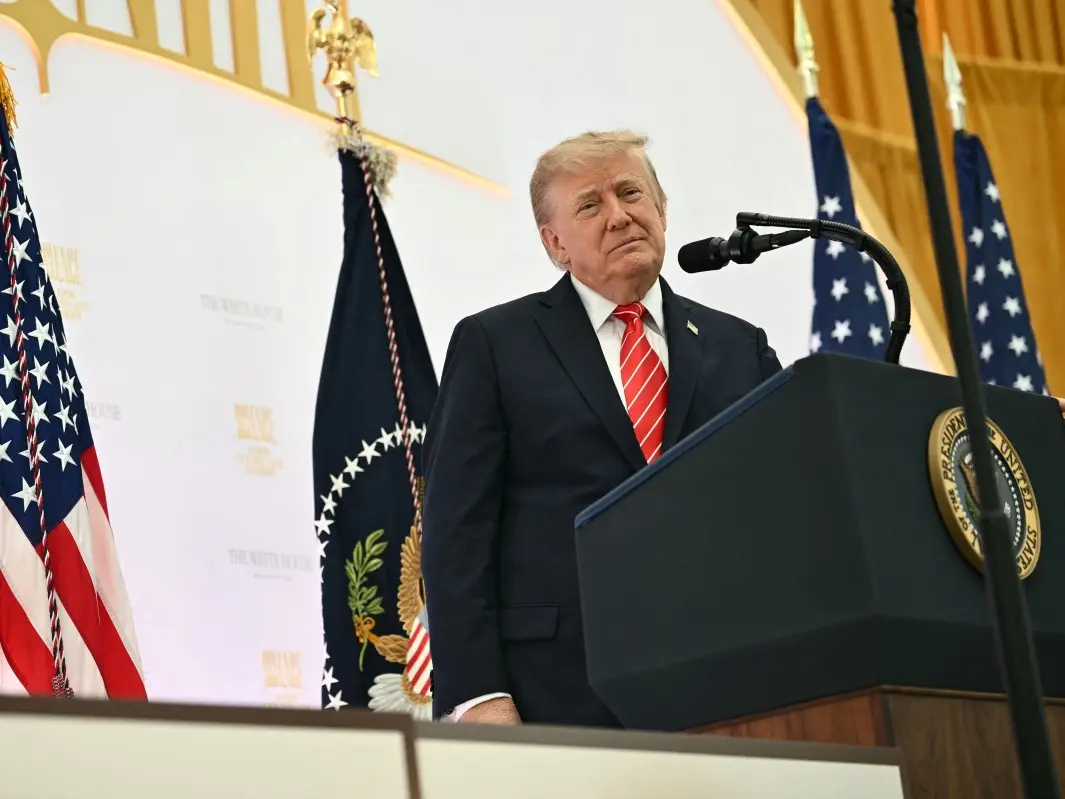
US President Donald Trump again shared an image calling the Strait of Hormuz calling it a "US Territory" even as Iran slammed him for making such claims stating it far from reality. Trump had first shared the same image on August 18, after previously declaring that he could soon claim the Strait of Hormuz as US territory. Speaking at a police academy on Long Island on August 14, Trump had said, “Pretty soon I’ll be declaring the Strait of Hormuz a territory of the United States.”
Trump has announced an aggressive new campaign of "unprecedented economic warfare and isolation" against Iran, shifting the strategy away from direct military combat as the conflict approaches its six-month mark. Dubbed "Economic D-Day," the operation aims to completely choke off Iran's remaining financial lifelines
What Iran said?
Meanwhile, Iran’s Supreme National Security Council secretary Mohsen Rezaei said that there has to be reforms in Iran's diplomatic behaviour given US reneging of its promises. The top Iranian securiity official, in an inteview with Iran's national TV, aired on suggested that Iran must change its “diplomatic behaviour” with respect to US. “The whole world looks at Iran through a new lens. After several negotiations and the Americans' breach of promise, reforms must be made in the diplomatic behavior of the Islamic Republic of Iran with the world. There will definitely be a change in the method of war.The Americans betrayed their negotiations, diplomacy, and signature,” he added.
Trending Stories
&imwidth=280&imheight=210&format=webp&quality=medium)
&imwidth=280&imheight=210&format=webp&quality=medium)
&imwidth=280&imheight=210&format=webp&quality=medium)
&imwidth=280&imheight=210&format=webp&quality=medium)
&imwidth=280&imheight=210&format=webp&quality=medium)
&imwidth=280&imheight=210&format=webp&quality=medium)
&imwidth=280&imheight=210&format=webp&quality=medium)
&im=FitAndFill=(700,400)&imwidth=280&imheight=210&format=webp&quality=medium)
&imwidth=280&imheight=210&format=webp&quality=medium)
&imwidth=280&imheight=210&format=webp&quality=medium)
&imwidth=280&imheight=210&format=webp&quality=medium)
&imwidth=280&imheight=210&format=webp&quality=medium)
&imwidth=280&imheight=210&format=webp&quality=medium)
&imwidth=280&imheight=210&format=webp&quality=medium)
&imwidth=280&imheight=210&format=webp&quality=medium)
&imwidth=280&imheight=210&format=webp&quality=medium)
&imwidth=280&imheight=210&format=webp&quality=medium)
&imwidth=280&imheight=210&format=webp&quality=medium)
&imwidth=280&imheight=210&format=webp&quality=medium)
&imwidth=280&imheight=210&format=webp&quality=medium)
&imwidth=280&imheight=210&format=webp&quality=medium)
&im=FitAndFill=(700,400)&imwidth=280&imheight=210&format=webp&quality=medium)
&imwidth=280&imheight=210&format=webp&quality=medium)
&imwidth=280&imheight=210&format=webp&quality=medium)
&imwidth=280&imheight=210&format=webp&quality=medium)
&imwidth=280&imheight=210&format=webp&quality=medium)
&imwidth=280&imheight=210&format=webp&quality=medium)
&imwidth=280&imheight=210&format=webp&quality=medium)
&imwidth=280&imheight=210&format=webp&quality=medium)
&imwidth=280&imheight=210&format=webp&quality=medium)
&imwidth=280&imheight=210&format=webp&quality=medium)
&im=FitAndFill=(700,400)&imwidth=280&imheight=210&format=webp&quality=medium)
&imwidth=280&imheight=210&format=webp&quality=medium)
&imwidth=280&imheight=210&format=webp&quality=medium)
&imwidth=280&imheight=210&format=webp&quality=medium)
&imwidth=280&imheight=210&format=webp&quality=medium)
&imwidth=280&imheight=210&format=webp&quality=medium)
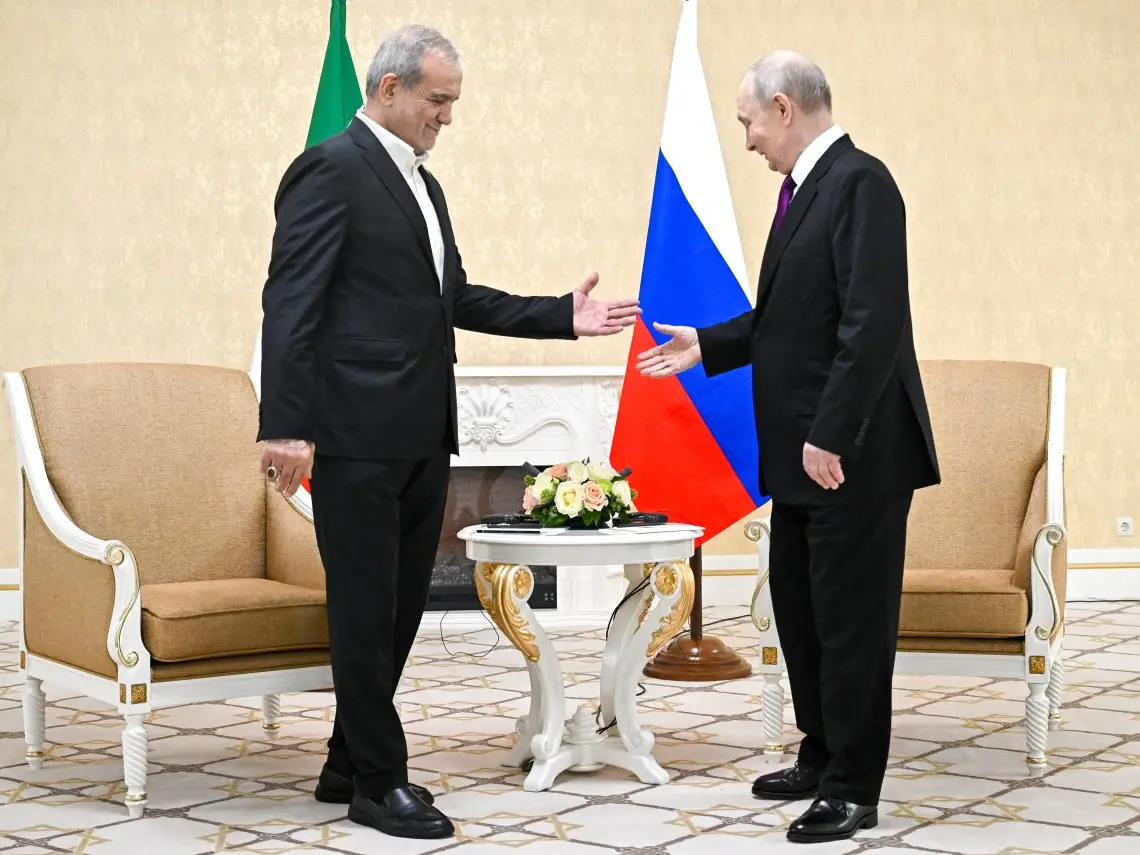
Speaking at the 31st general assembly of the Islamic Association of Iranian Medical Community, Pezeshkian defended the MoU as “honourable and valuable.” He said that it had been reached through unity in the Supreme National Security Council and that everyone involved had defended it firmly, and suggested that ending the war while Iran was strong and powerful was the right course. He also noted that the world recognised Iran's victory and saw the United States as "detested" for attacking schools, hospitals and infrastructure in violation of all norms. He stressed that this did not mean Iran would ever submit to aggression. "We will never bow to bullying. We will stand until our last breath and deliver a crushing response," he said.

