Trump administration targets German pharma with new trade probe; tariffs threaten sector

&imwidth=600&imheight=450&format=webp&quality=medium "Trump administration targets German pharma with new trade probe; tariffs threaten sector")
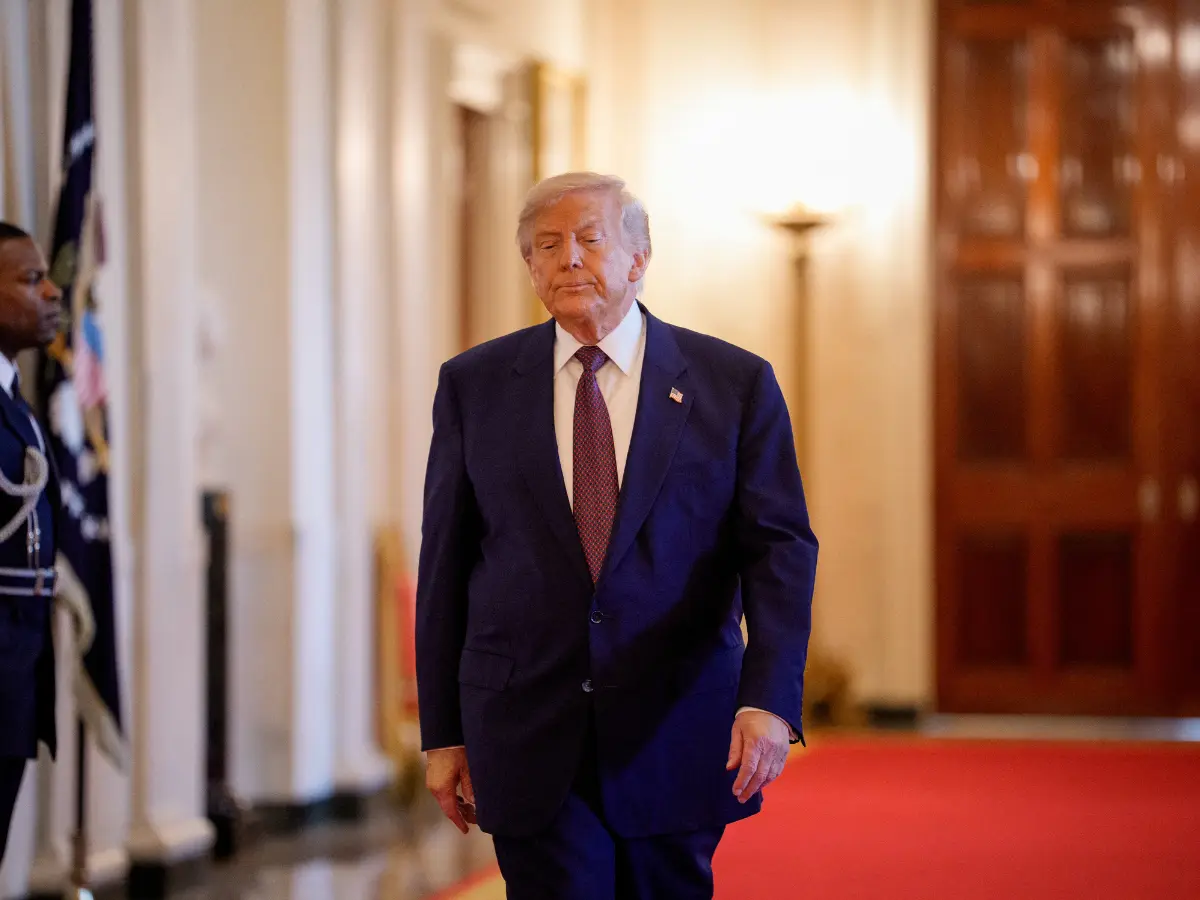
Trump administration targets German pharma with new trade probe; tariffs threaten sector Photograph: (Credit: AFP)
Washington claims Germany's drug pricing policies unfairly underpay for innovative medicines. Find out how the new US Section 301 probe impacts global medicine costs.
The United States has launched an investigation into Germany's pharmaceutical pricing policies under Section 301 of the Trade Act of 1974, a move that could result in new tariffs. The probe, announced by the US Trade Representative’s (USTR) office on Thursday (June 18), aims to determine if Germany's "persistent underpayment for innovative pharmaceutical products" is unreasonable or discriminatory and whether it burdens or restricts US commerce.
A Federal Register notice released by the USTR charged that Germany implements unfair pricing policies and practices regarding innovative pharmaceuticals. According to the notice, the reduced revenue from these practices appears to contribute to decreased investment in research and development (R&D). As a result, the USTR stated that the US pays a disproportionate share of global R&D costs for innovative pharmaceuticals.
The investigation will examine the specific means by which Germany implements these pricing policies. USTR Jamieson Greer stated that President Donald Trump has made it clear that American patients should not shoulder a disproportionate share of global pharmaceutical R&D costs. Greer also expressed concern over Germany's plans to fast-track legislation that would further reduce its spending on innovative pharmaceuticals. As part of the investigation, the trade envoy's office will receive comments and hold a hearing in September.
Also read: 'Those who think I haven't been tough enough are jealous': Trump blasts critics of Iran peace deal
This probe follows previous actions by the Trump administration, which tapped similar trade authorities months ago to investigate dozens of trading partners over issues like forced labour and industrial overcapacity. Earlier this month, the USTR's office proposed new tariffs of up to 12.5 per cent on dozens of economies under its forced labor investigation. While Trump has rolled out sweeping tariffs since returning to the White House last year, the Supreme Court struck down many of them in February. Consequently, the administration has turned to trade probes as officials seek to reimpose more lasting duties.
Trending Stories
&im=FitAndFill=(700,400))
)
)
)
)
&im=FitAndFill=(700,400))
)
)
)
)
)
)
)
)
)
)
)
&im=FitAndFill=(700,400))
)
)
)
)
)
&im=FitAndFill=(700,400))
)
)
)
)
)
&im=FitAndFill=(700,400))
)
)
)

