&imwidth=800&imheight=600&format=webp&quality=medium "There will be blood on Quds Day? Why this occasion in Islamic Republic calendar matters more this year amid Iran war")
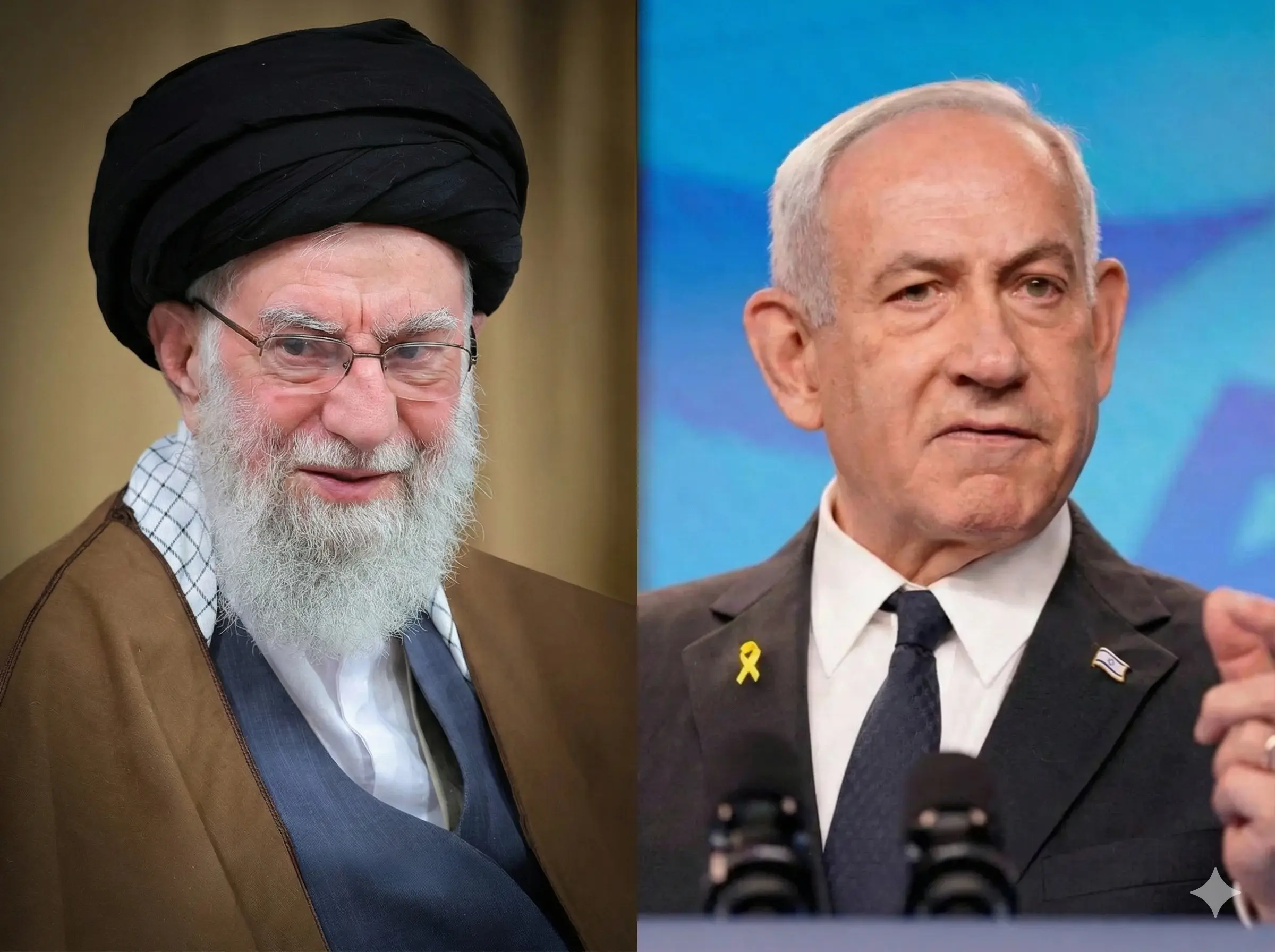
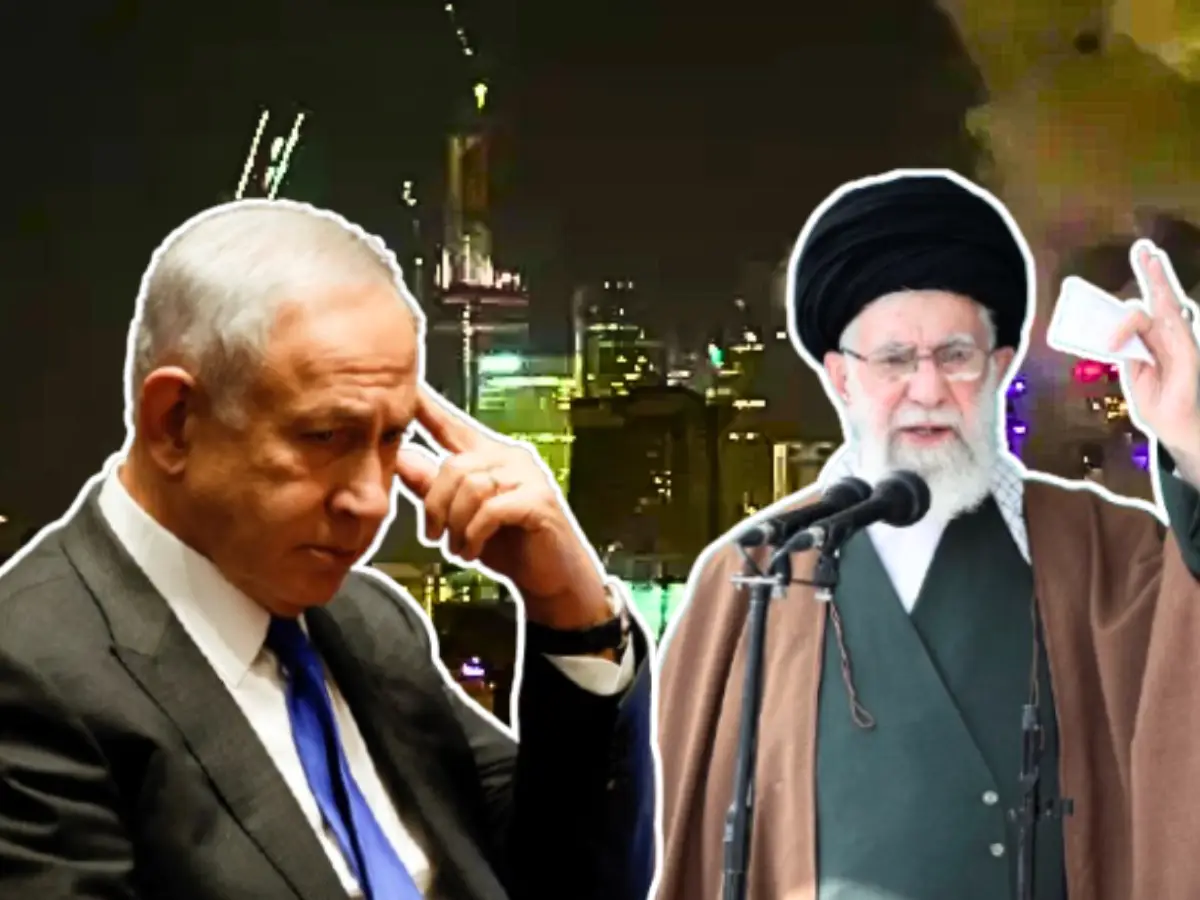
Mojtaba Khamenei, in his first public message since being chosen as Iran’s Supreme Leader, vowed revenge for those killed in the ongoing Israel–US attacks that began on February 28. He called for continued pressure on the Strait of Hormuz, warned neighbouring countries hosting US bases, and urged national unity. In the message, he also highlighted the Quds Day protests, calling for strong public participation and framing the rallies as a demonstration of resolve against Iran’s enemies. But what is Quds Day, which falls on Friday (Mar 13) this year? How did it come to symbolise themes of resistance, unity, and confrontation with Israel? Here is what you should know.
What did Mojtaba Khamenei say about Quds Day?
In various translations of his message circulated in Iranian media, Mojtaba Khamenei urged massive turnout at Quds Day events to project strength against Israel, the US, and ‘enemies of the Islamic Republic.’ One translation of his message read: “I remind you of the importance of attending the Quds Day rallies, where the spirit of wanting to crush the enemy must be everyone’s focus.” Another translation quoted him as saying: “Public presence on the streets, especially during the Quds Day ceremonies, must be strong and prominent.”

What is Quds Day?
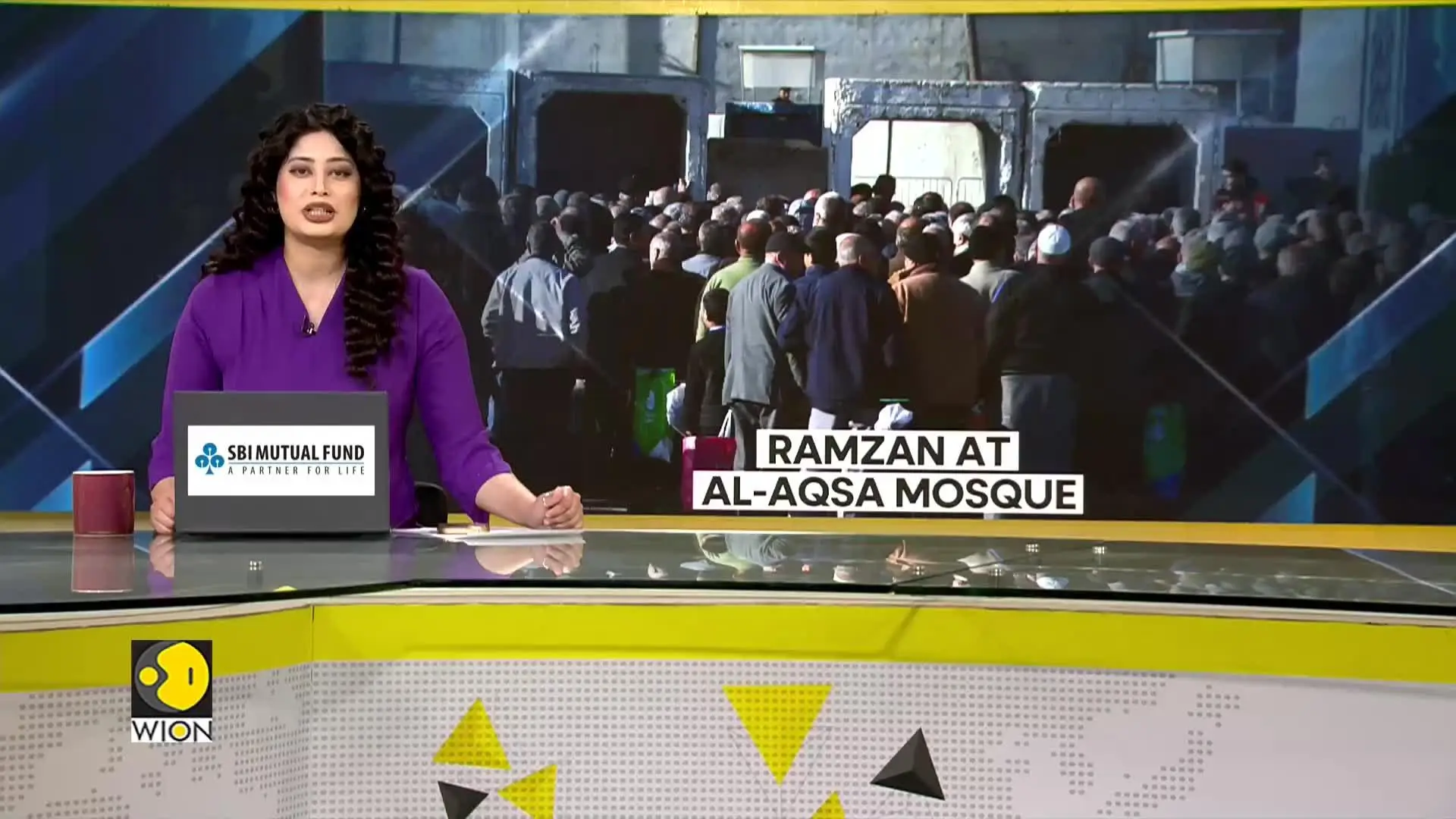
Quds Day, short for International Al-Quds Day, is observed on the last Friday of Ramadan. In 2026, it falls on March 13. It is an annual international event marked by rallies, marches, speeches, and demonstrations across parts of the Muslim world and in diaspora communities. Participants express support for the Palestinian people. Events often feature symbols of opposition to Israel, Zionism, and what participants describe as Israeli occupation of Jerusalem and Palestinian territories.
Trending Stories
)
Emmys 2026: Matthew Rhys wins Best Actor twice, sets historic 78-year record
)
3 Italians fly from Delhi to Munich without immigration clearance; Air India gets notice on major security lapse
)
Ex-CIA official David Rush nears plea deal in $40 million gold bar theft case
)
Did India risk its US trade deal despite softer stance at BRICS?
)
Pakistan puts Pak Rs 70 lakh bounty on UN terrorist Masood Azhar; move draws skepticism in Delhi
)
‘US ensuring global energy supplies’: Trump demands reimbursement for securing Strait of Hormuz
)
'She married her brother': Ilhan Omar faces criminal probe over immigration fraud claims
)
Ukraine strikes Syzran Oil Refinery deep inside Russia, fires erupt
)
Emmy Awards 2026: Widow's Bay and The Pitt win in lead categories- check out the complete list of winners
)
Indian-origin woman, Nepali-American friend crushed to death by subway train in New York
)
Emmys 2026: Michael J Fox honoured with Bob Hope Humanitarian Award for Parkinson’s advocacy
)
Emmys 2026 In Memoriam: Catherine O’Hara honoured by on-screen children Macaulay Culkin, Annie Murphy, Dan Levy; Dolly Parton, Rob Reiner remembered
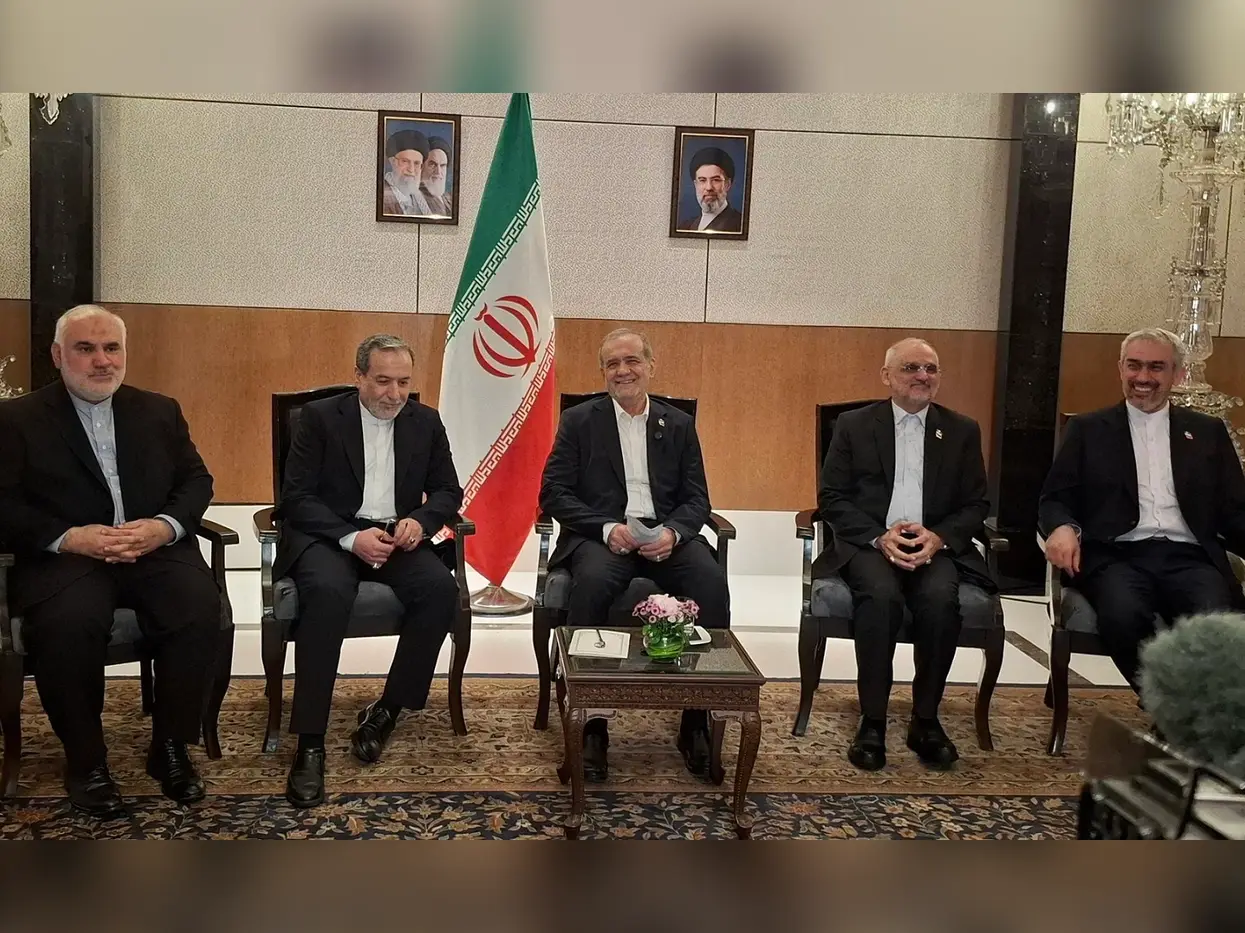)
Iran, India agree to deepen humanitarian and political ties, President Pezeshkian says
&im=FitAndFill=(700,400))
Emmys 2026 Red Carpet: Zendaya, Nicole Kidman and Julia Garner lead the glamour peak
)
Turkish Airlines plane flies through a storm three times, triggering severe turbulence
)
China's property crisis deepens as investment plunges nearly 20%
)
What is Hyrox, in news for athlete who soiled herself, but kept running and using common equipment?
)
Russia proposes to build 360 kmph Ivolga FG trains in India: What happened on sidelines of BRICS
)
800 million years old - Scientists discover 'fingerprints' of supercontinent Gondwana in ancient rocks
)
Former Pak PM Imran Khan's ex-wife Jemima Goldsmith marries Australian financier: Who is Cameron O'Reilly
)
UPI payments up to Rs 2,000 to stays free, but bigger transactions may soon cost you: Govt
)
Gurugram hit and run case: Police arrest car driver Kalyan Bainsla, book him for attempt to murder
&im=FitAndFill=(700,400))
New OTT releases this week (September 14-20, 2026): Lust Stories 3, Waiting Hai, Irumudi- 5 new titles coming on Netflix, Prime Video and more
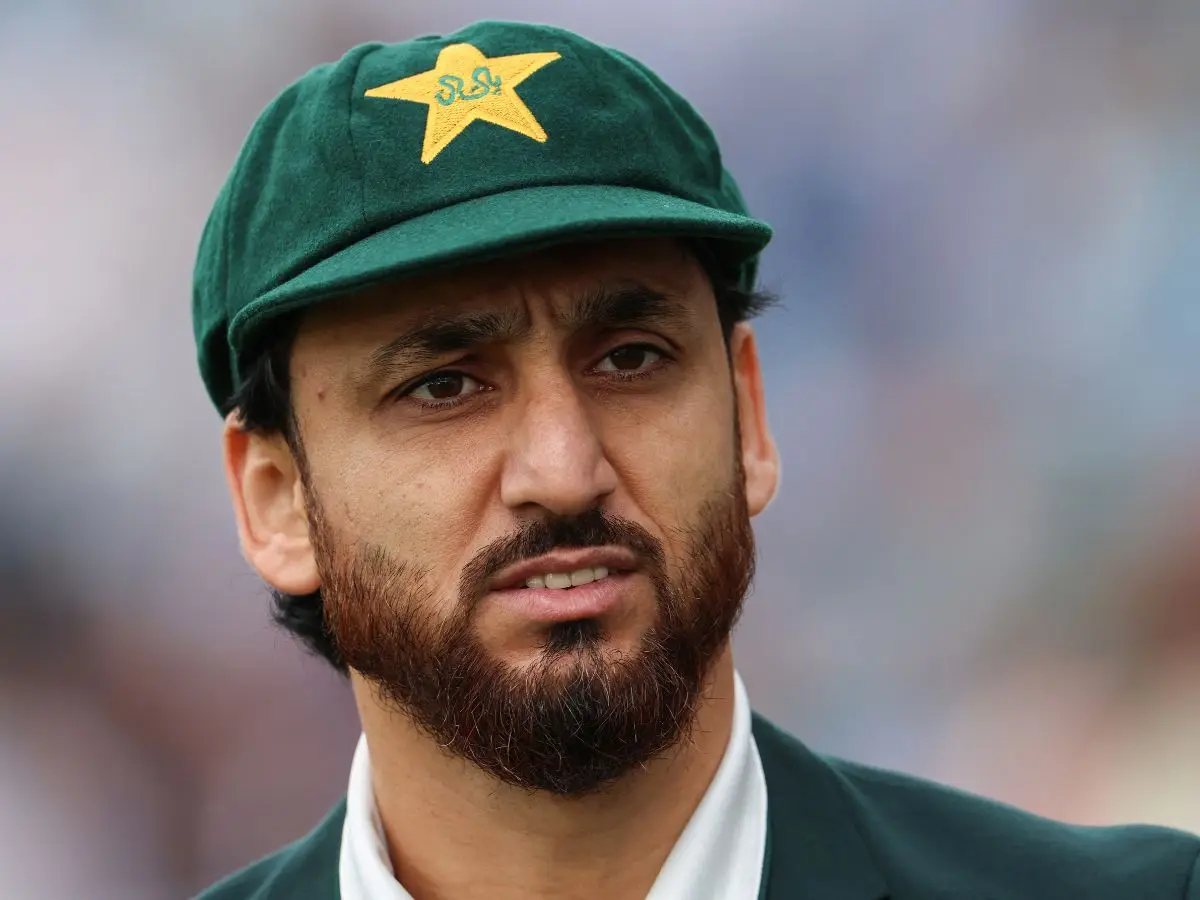)
Sent home midway from UK tour, Pakistan's Salman Agha hits 300* in domestic return
)
Who is Kalyan Bainsla, accused in the Gurugram hit-and-run case involving woman biker?
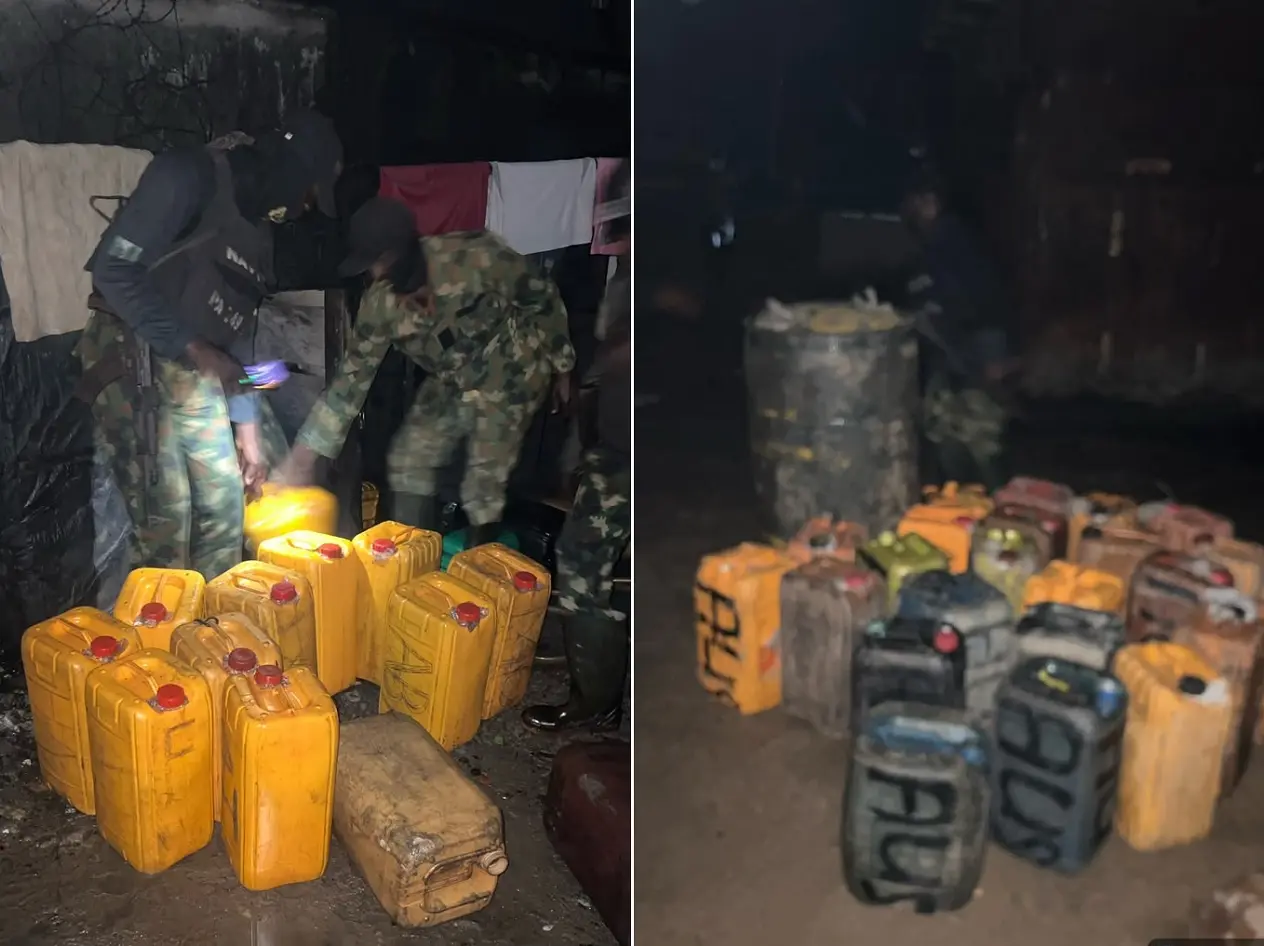)
Nigerian Navy seizes 10,000 litres of suspected illegal fuel in Rivers State crackdown
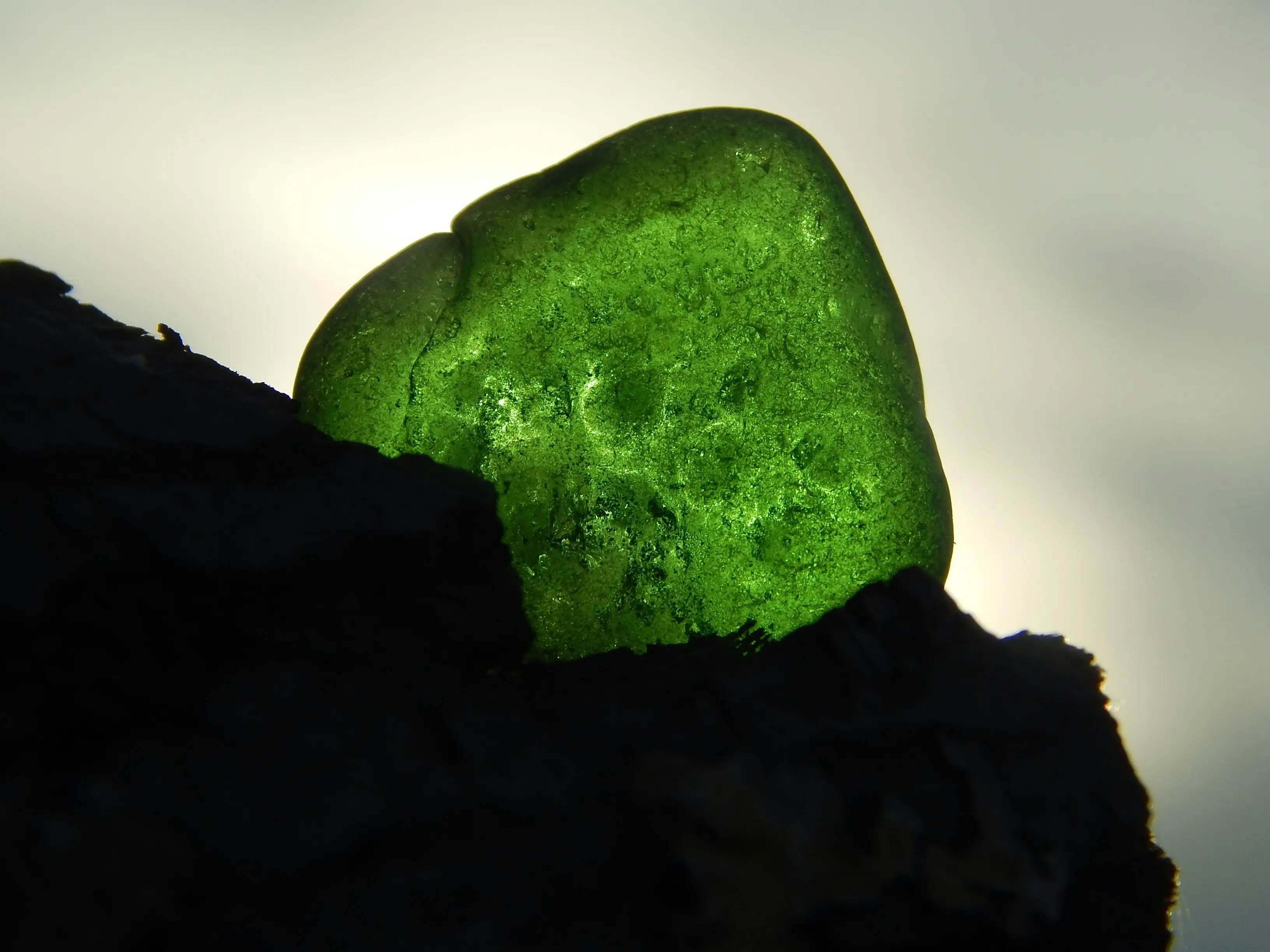)
Saudi Arabia discovers 110 million tonnes of Uranium-rich ore in Madinah region
)
Dodgers beat Reds for playoff berth in bid for third consecutive World Series
)
Ecstasy tablets are rage in 'drug haven' Libya | Gravitas
)
'Now Trump is copying us': Shivakumar links US $5,000 plan to Congress guarantees
)
Video of Pakistani lawmaker struggling to read English tribute to Jinnah goes viral - WATCH
)
Trump downplays China's alleged 'help' to Iran in strike on Jordan base | Gravitas
)
Trump loses Supreme Court battle over mail ballots ahead of US midterms: What happened?
)
BCCI VP Rajeev Shukla says Mohsin Naqvi 'did not object' India refusing trophy from ACC chief
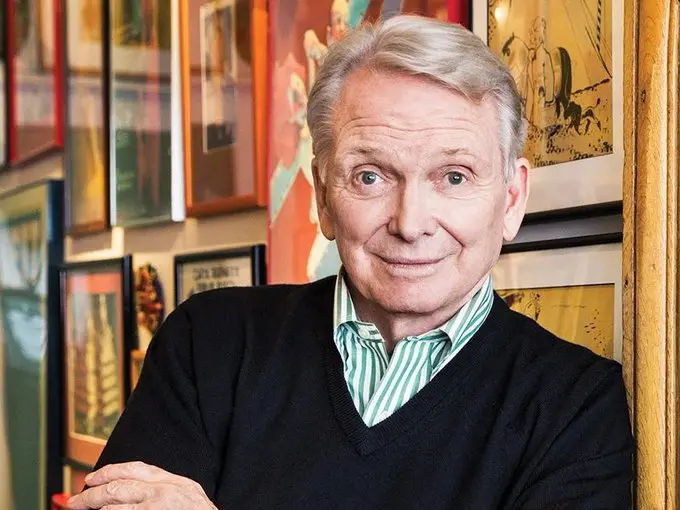)
Legendary costume designer Bob Mackie dies at 87: A look back at his iconic legacy
)
Delhi govt to roll out ₹13,820 crore development projects under Seva Sankalp Abhiyan: CM Rekha Gupta
)
UK man admits drugging, raping wife for 20 years in shocking abuse case
)
Extreme warming in Indian Ocean added 695 billion tons of ice to Antarctica ice sheet
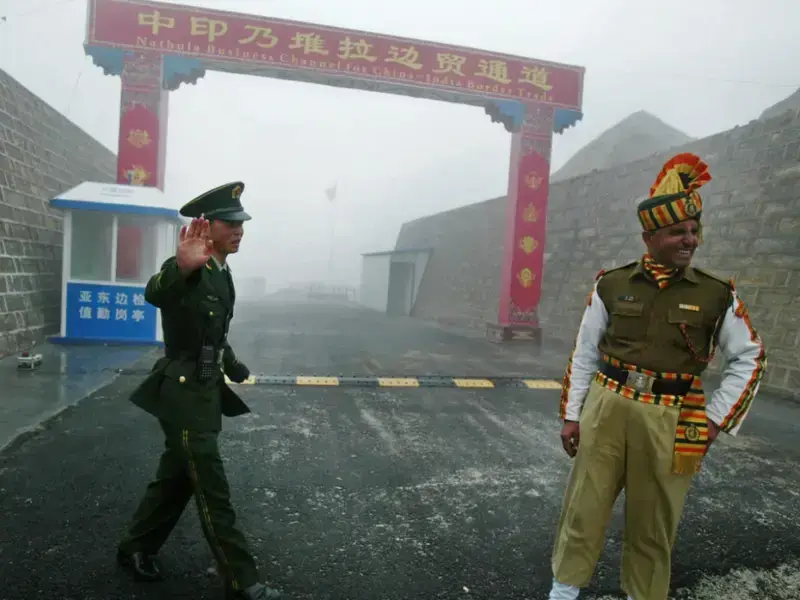)
China thinned Himalayan troop presence in 2025, India defence report says; terms border situation 'stable'
The origins of Quds Day
Quds Day was established by Iran’s first Supreme Leader, Ayatollah Ruhollah Khomeini, soon after the 1979 Islamic Revolution that brought the current theocratic state to power. Khomeini declared the last Friday of Ramadan as a day for Muslims worldwide to demonstrate unity and solidarity with Palestinians. He framed the occasion as opposition to Israel, which he described as an illegitimate occupier of Jerusalem. First observed in 1979, the day has since been marked annually. The largest events are typically held in Iranian cities such as Tehran, where state-organised rallies draw large crowds.
What does the word ‘Quds’ mean?
Quds Day literally means “Jerusalem Day”. Al-Quds is the Arabic name for Jerusalem and means the Holy or the Holy City. The word has Semitic roots and is linguistically related to the Hebrew term “kodesh”, meaning “holy”, and to “Ir HaKodesh”, meaning “Holy City”. The name became a common Arabic designation for Jerusalem around the ninth century, reflecting the city’s religious importance to Muslims, Jews, and Christians.
Why Quds Day is important in Iran’s political calendar
Quds Day is observed according to the Islamic lunar calendar, on the last Friday of Ramadan, a month of fasting and prayer for Muslims. In Iran’s political context, it has become one of the largest annual mobilisations in the Islamic Republic’s ideological calendar, often legitimising its rule as a defender of the faith. State-organised rallies in Tehran and other major cities feature speeches by political and religious leaders, anti-Israel slogans, and demonstrations expressing support for the Palestinian cause and for the legacy of the 1979 revolution.
The symbolism stresses on Muslim unity, resistance to perceived occupation, and solidarity with what Iranian leaders describe as oppressed peoples.
Iran has promoted Quds Day internationally
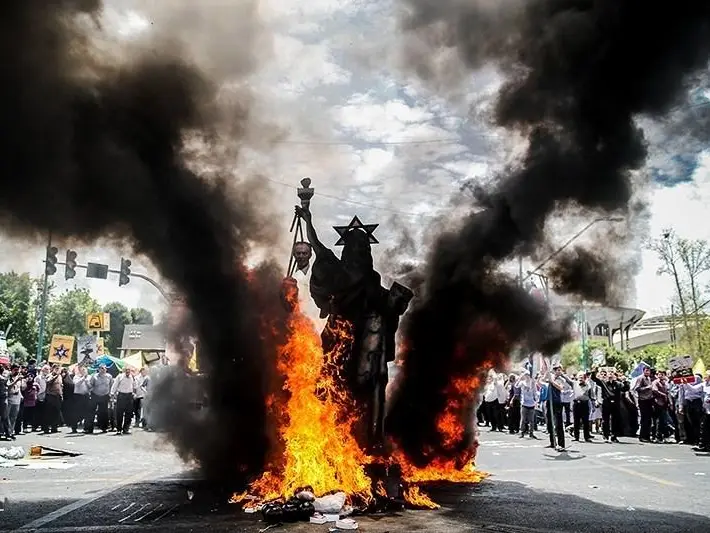
As part of its revolutionary messaging, Iran-linked groups and activist networks observe Quds Day in other countries, although it is not an official public holiday outside Iran. Rallies frequently witness chants such as “Death to Israel” or “Death to America”, the burning of Israeli or US flags, and expressions of support for groups such as Hezbollah and Hamas. Jewish organisations and several Western governments have criticised the events, arguing that some demonstrations promote antisemitism, hatred, or extremist rhetoric.
Violence associated with Quds Day
Violence has occasionally occurred during or around Quds Day events. In 1985, during the Iran–Iraq War, bombs exploded at a Quds Day gathering in Iran, killing 28 people and injuring hundreds.
Clashes have also occurred in Palestinian territories. In 2018 and 2021, protests linked to Quds Day in Gaza and parts of the West Bank escalated into confrontations between Palestinians and Israeli forces, involving stone-throwing, border incidents, and gunfire that resulted in deaths and injuries. Quds Day marches in Western cities have also drawn controversy. Some demonstrations have led to hate-crime investigations or public-order concerns due to antisemitic slogans or the display of symbols linked to militant groups.
Security concerns and tensions around Quds Day 2026
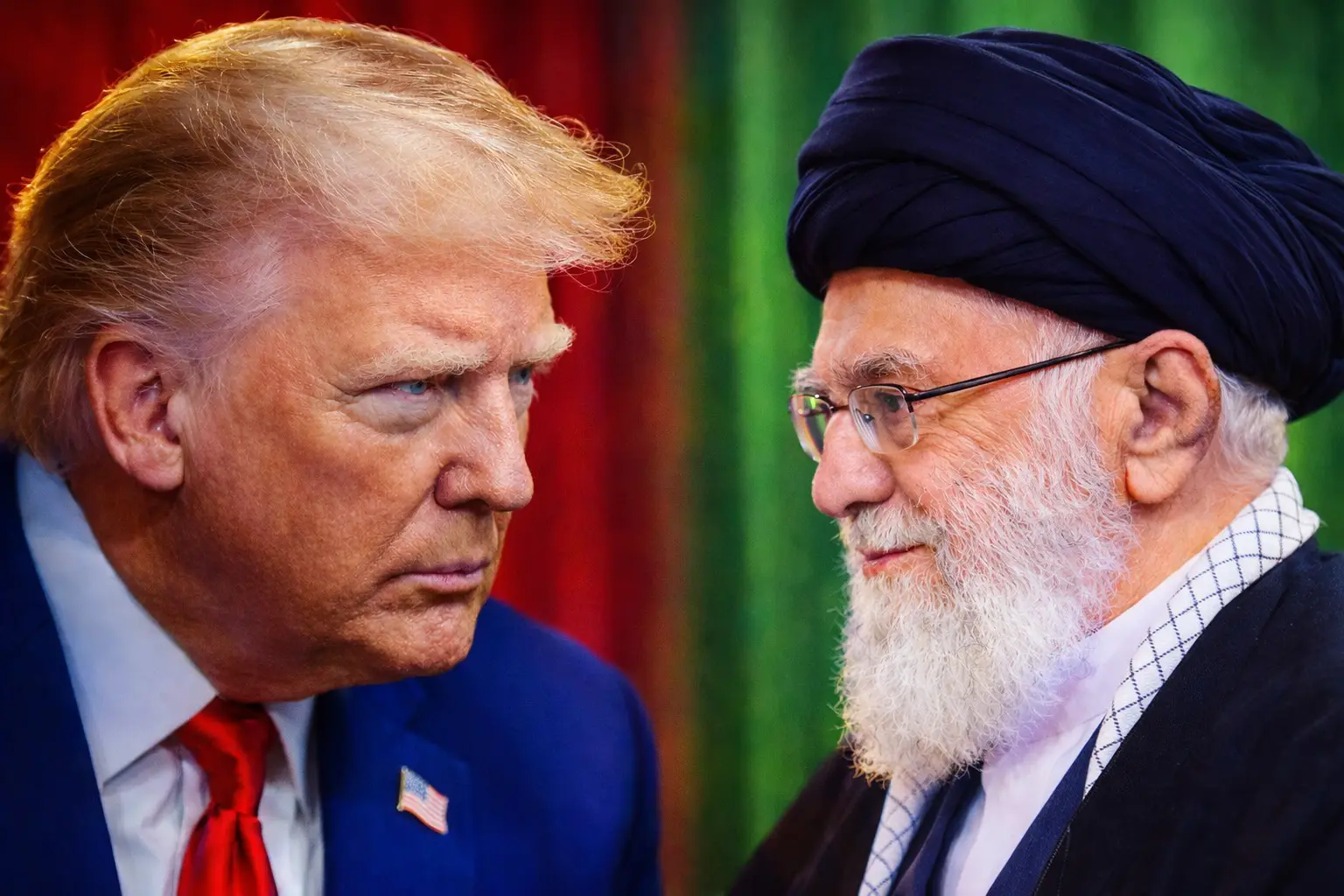
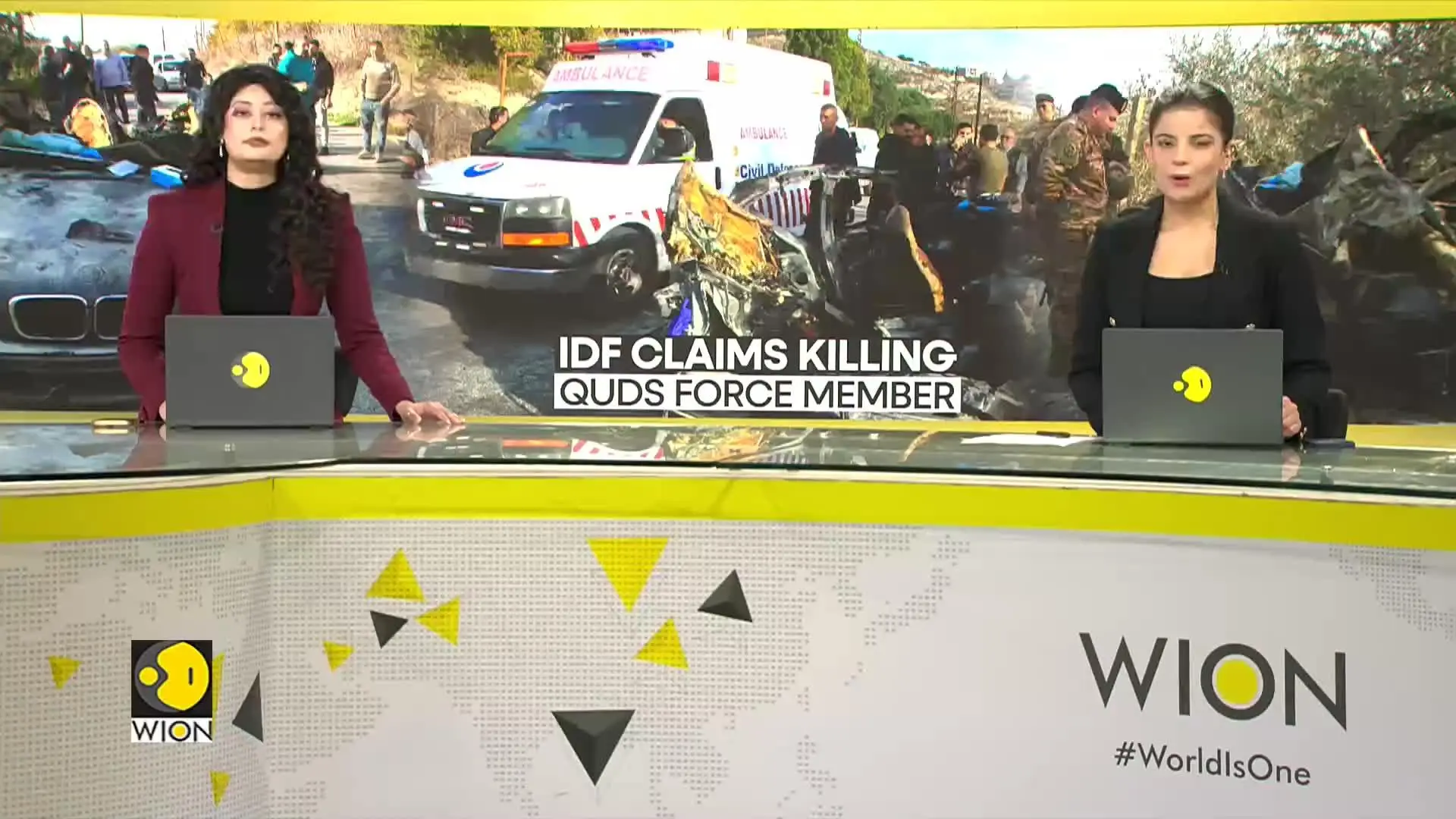
The 2026 Quds Day observances are taking place in the backdrop of Iran war.
Security has been tightened around planned demonstrations in several countries.
In London, the traditional Al-Quds Day march was banned due to intelligence assessments of a serious risk of public disorder. Police allowed only a limited static protest and deployed officers to prevent clashes between demonstrators and counter-protesters.
Disclaimer: WION takes utmost care to accurately and responsibly report ongoing conflicts in West Asia involving Israel, Iran, US, Gulf nations and non-state actors like Hezbollah, Hamas, Houthis, Islamic State, and others. Claims and counterclaims, disinformation and misinformation are being made online and offline. Given this context, WION cannot independently verify the authenticity of all statements, social media posts, photos and videos.