Who would win? Comparing the special forces of the US and Iran in case of a war

The US Special Forces and Iran's elite units possess vastly different strengths. While American units like the Navy SEALs hold a clear advantage in technology, budget, and firepower, Iran's Quds Force excels in asymmetric warfare and proxy networks.
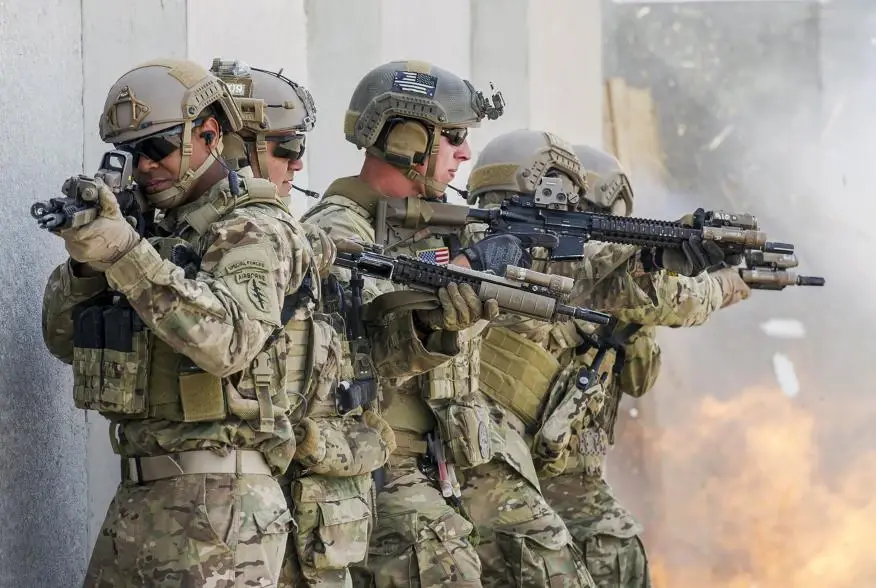
The US Titans: SEALs and Delta
The United States relies on Tier 1 units like the Navy SEALs (Team 6) and Delta Force for high-stakes missions. These units are world-renowned for their precision, hostage rescue capabilities, and direct action raids. They operate with the best equipment money can buy and have global reach.
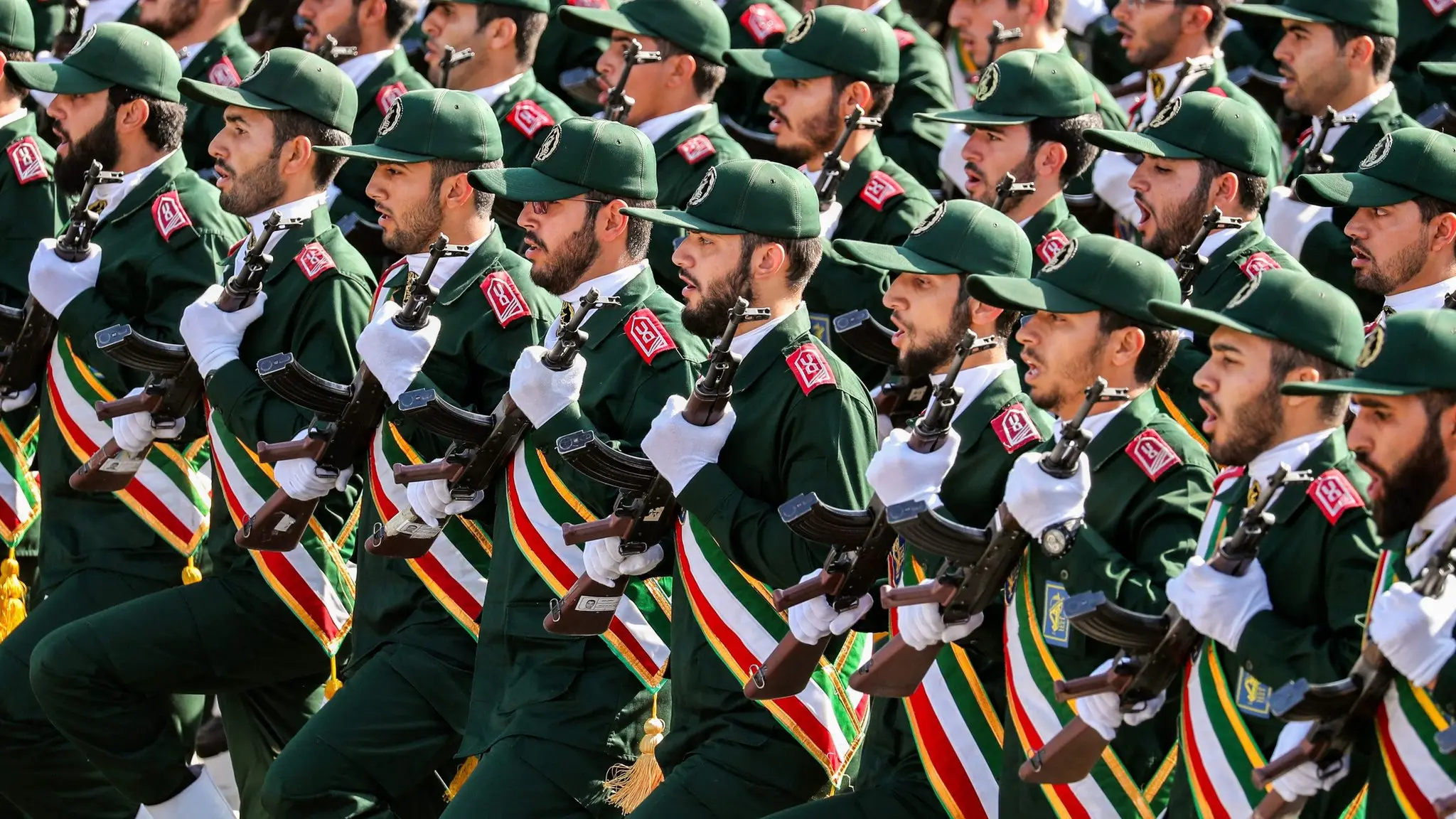
Iran's Shadow: The Quds Force
Iran's primary elite unit is the Quds Force, a branch of the Islamic Revolutionary Guard Corps (IRGC). Unlike the US units that focus on direct combat, the Quds Force specialises in unconventional warfare and intelligence. They are masters of asymmetric tactics and operating through regional proxies.
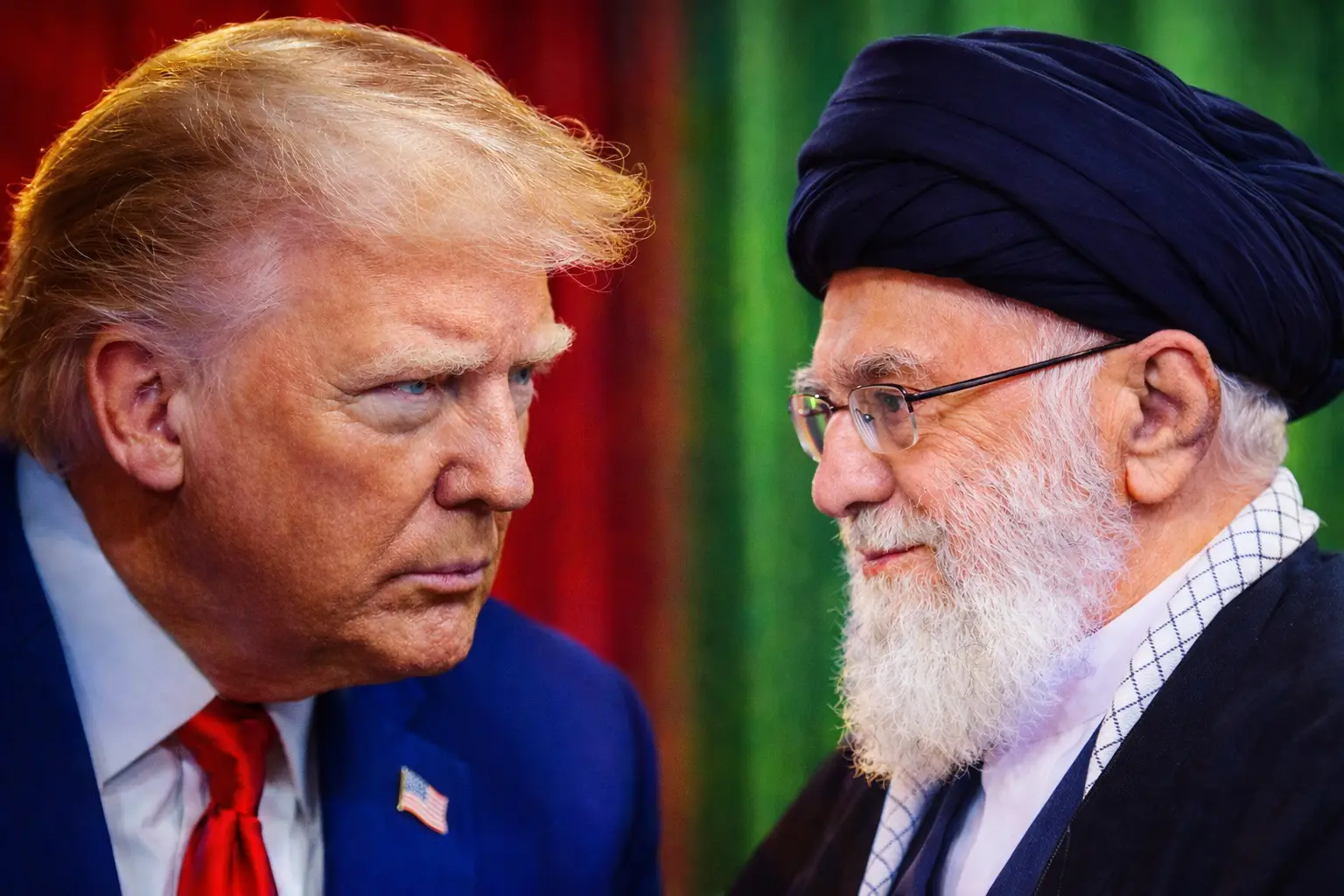
Massive Budget Disparity
The financial gap between the two nations is staggering. The US defence budget exceeds $800 billion, allowing for unlimited resources in training and gear. In contrast, estimates place Iran's military spending between $10 billion and $25 billion. This difference heavily impacts equipment quality and logistical support.
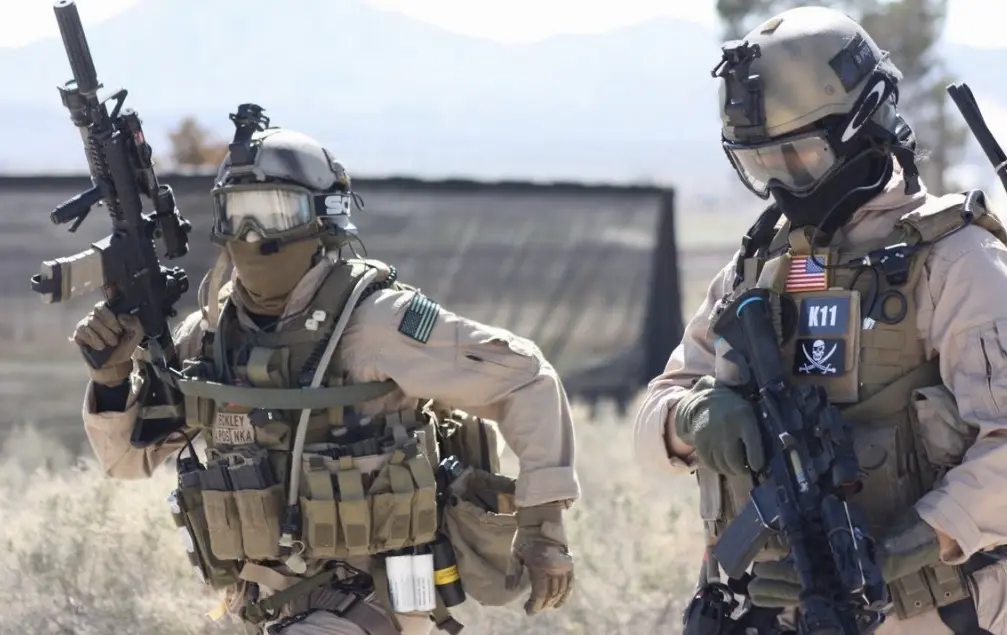
Air Support Advantage
US special forces rarely operate alone; they are backed by the world's most powerful air force. Operators on the ground can call in precise airstrikes or rapid extraction within minutes. Iran's air force is ageing, meaning their special units would likely operate without significant air cover in a conflict.
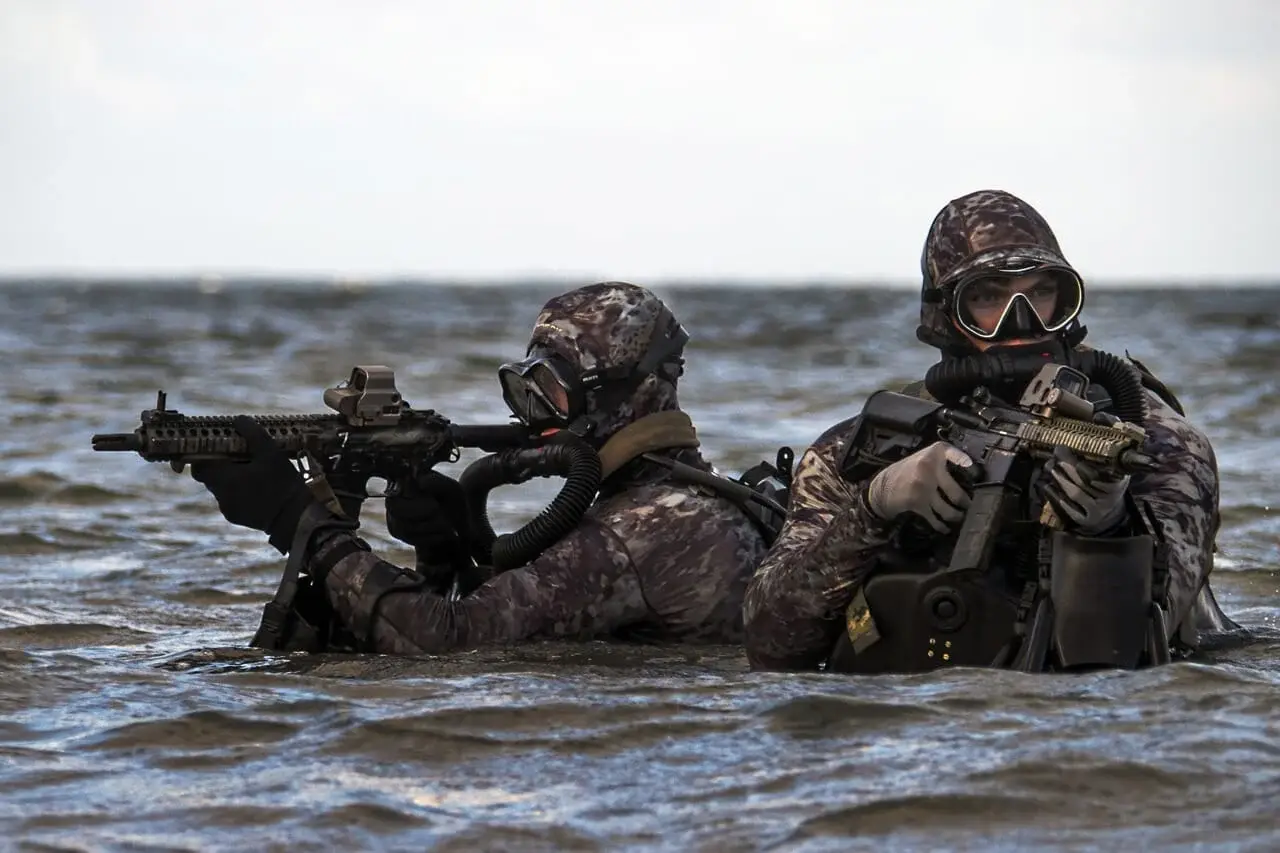
Naval Warfare Capabilities
In the Persian Gulf, US Navy SEALs would face Iran's unique naval tactics. While SEALs are experts in maritime operations, Iran uses the IRGC Navy's swarm tactics with speedboats and sea mines. This asymmetric approach is designed to counter superior US naval firepower in narrow waters.
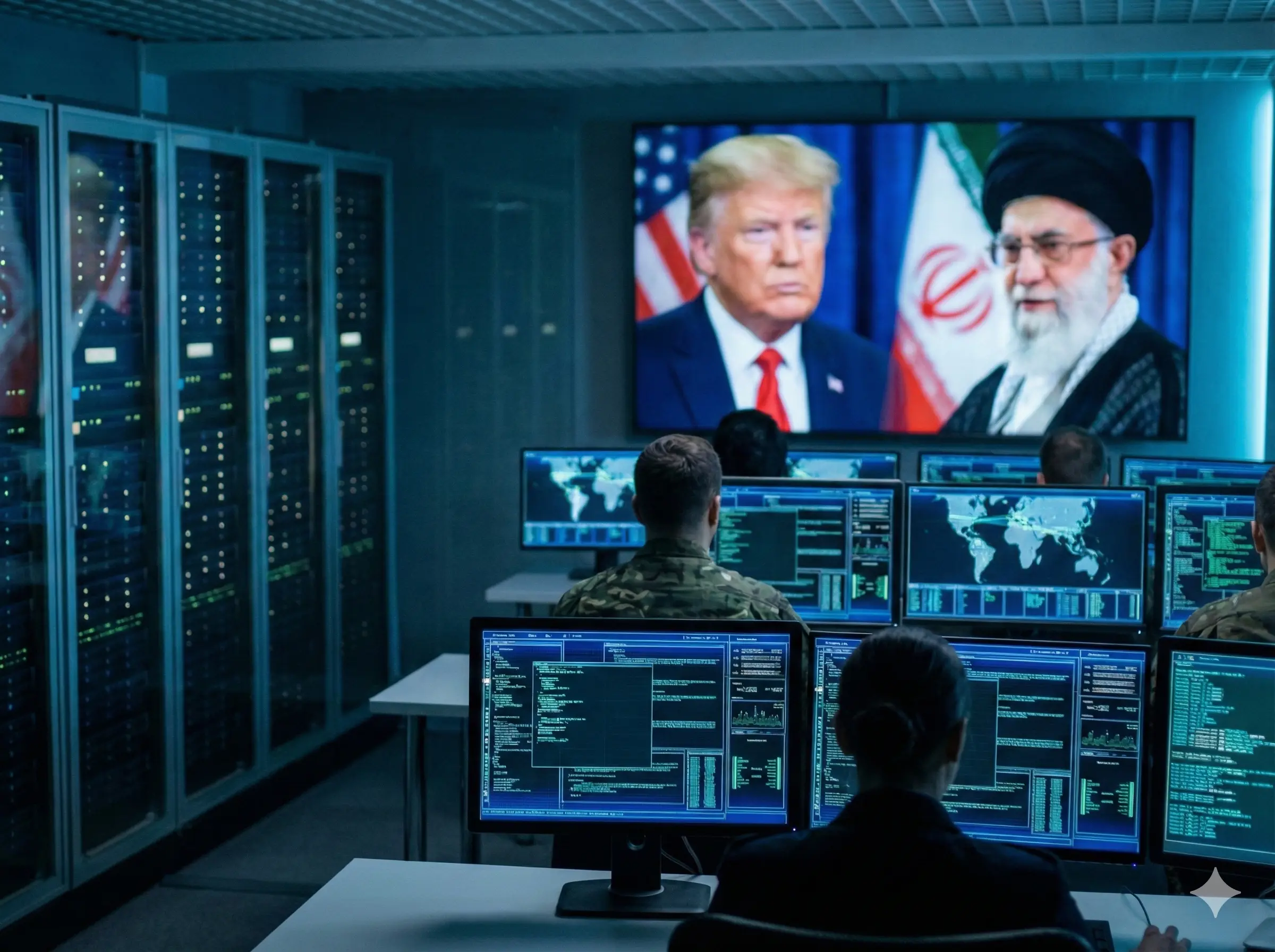
The Technology Gap
American operators possess a significant technological edge, from advanced night vision to encrypted communications and personal drones. This allows them to own the night and coordinate complex attacks. Iranian forces have improved their domestic equipment but still lag behind US cutting-edge standards.
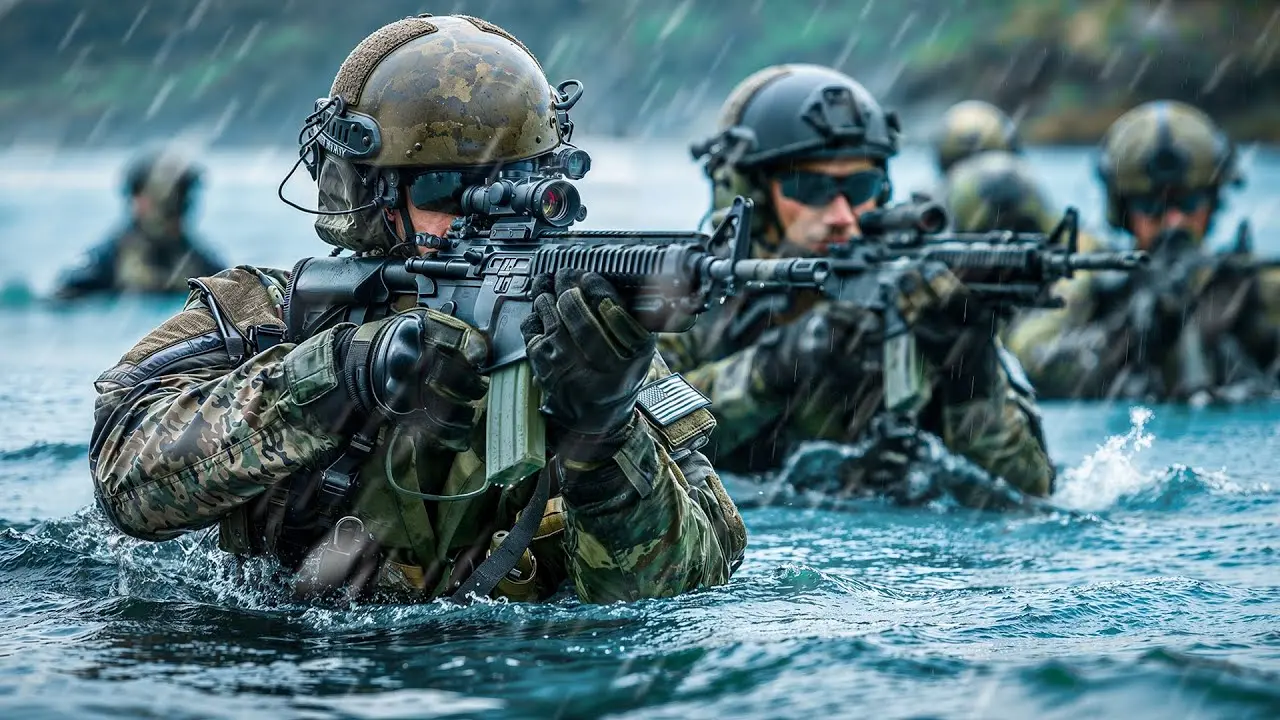
Training Philosophies
US training pipelines, such as the Navy's BUD/S, are scientifically designed to test physical and mental limits. Iranian training, particularly for the IRGC, emphasises ideological commitment and hardship. While US training creates versatile warriors, Iranian training breeds resilience and loyalty to the regime.
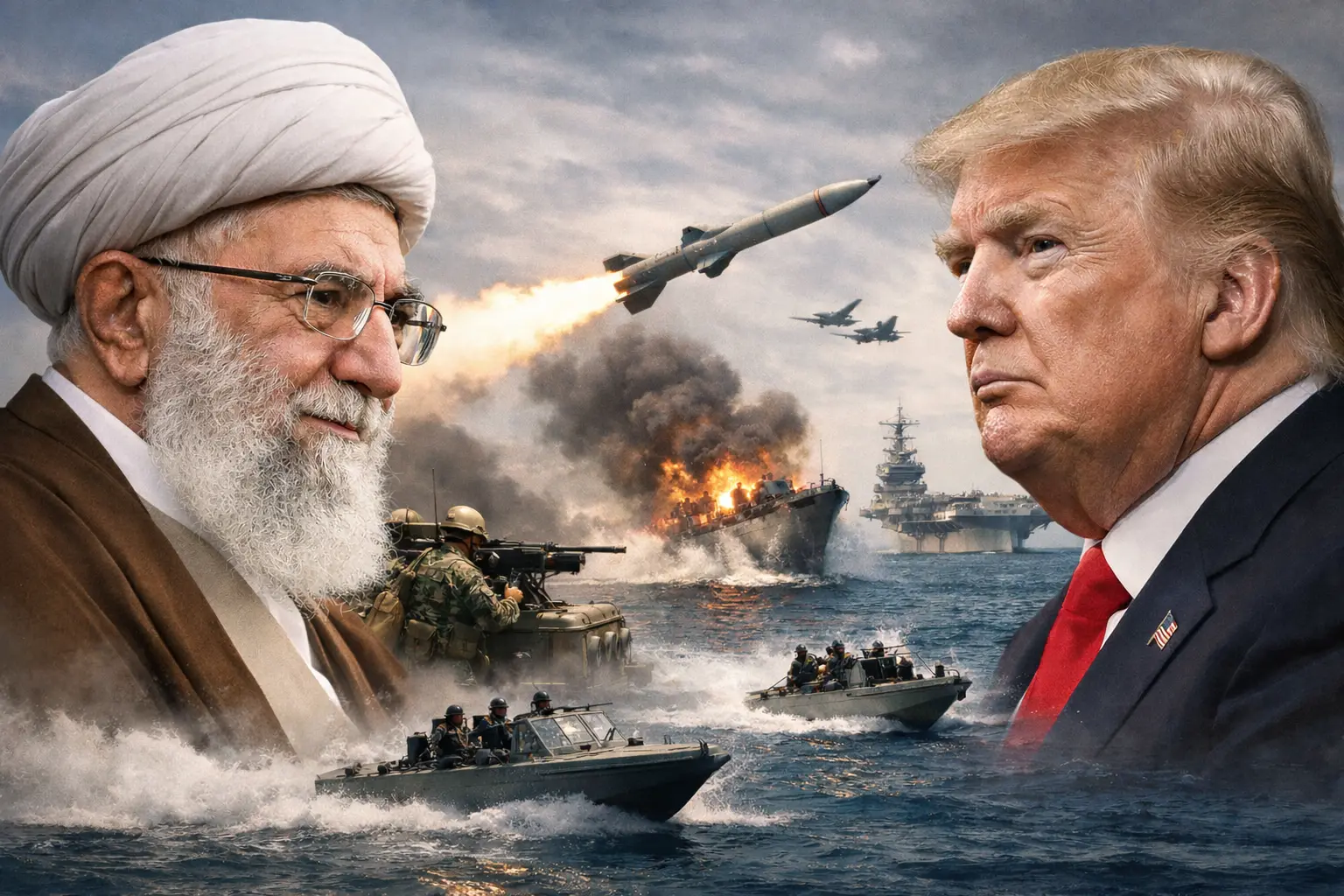
Experience in Combat
The US special forces have been at constant war for over two decades, gaining immense experience in Iraq, Afghanistan, and Syria. Iranian units also have significant combat experience, particularly in Syria and Iraq, fighting against groups like ISIS and supporting the Assad government.
The Proxy Factor
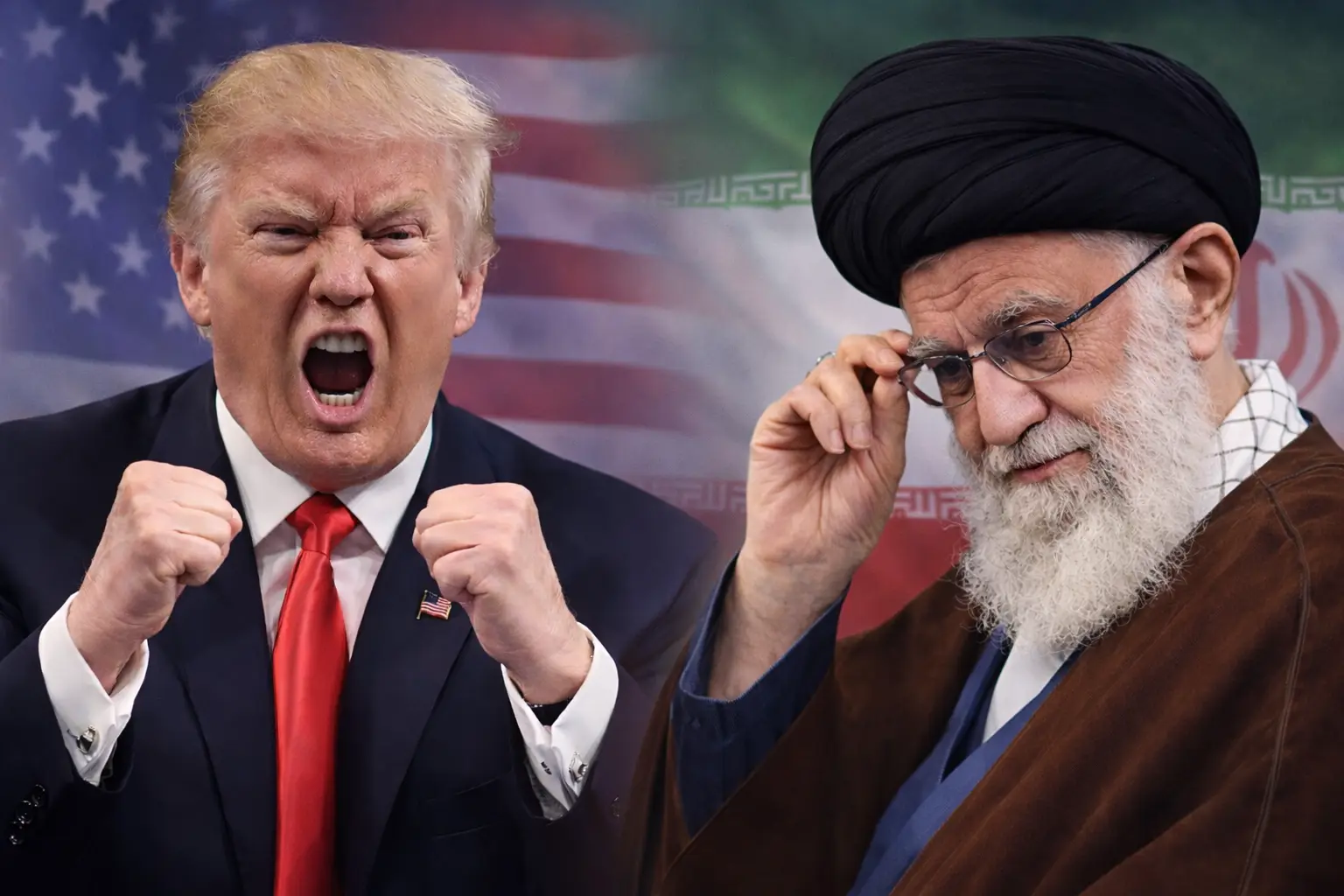
Iran's greatest strength lies in its network of proxy militias across the Middle East. In a war, the Quds Force would likely activate these groups to attack US targets regionally. This allows Iran to expand the battlefield without directly risking its own elite troops in head-to-head combat.
The Final Verdict
In a direct, conventional special forces battle, the US would likely win due to superior firepower, technology, and logistics. However, Iran would not fight a fair fight. They would use asymmetric tactics, mines, and proxies to inflict heavy costs, making any victory for the US extremely difficult and expensive.
)
)
)
)
)