Who would win? Comparing the special forces of the Israel and Iran in case of a war

Israel's Sayeret Matkal and Iran's Quds Force represent the peak of Middle Eastern covert warfare capabilities, differing sharply in doctrine and technology. While Israel prioritises high-tech precision raids, Iran focuses on asymmetric strategies and regional proxies to project power.
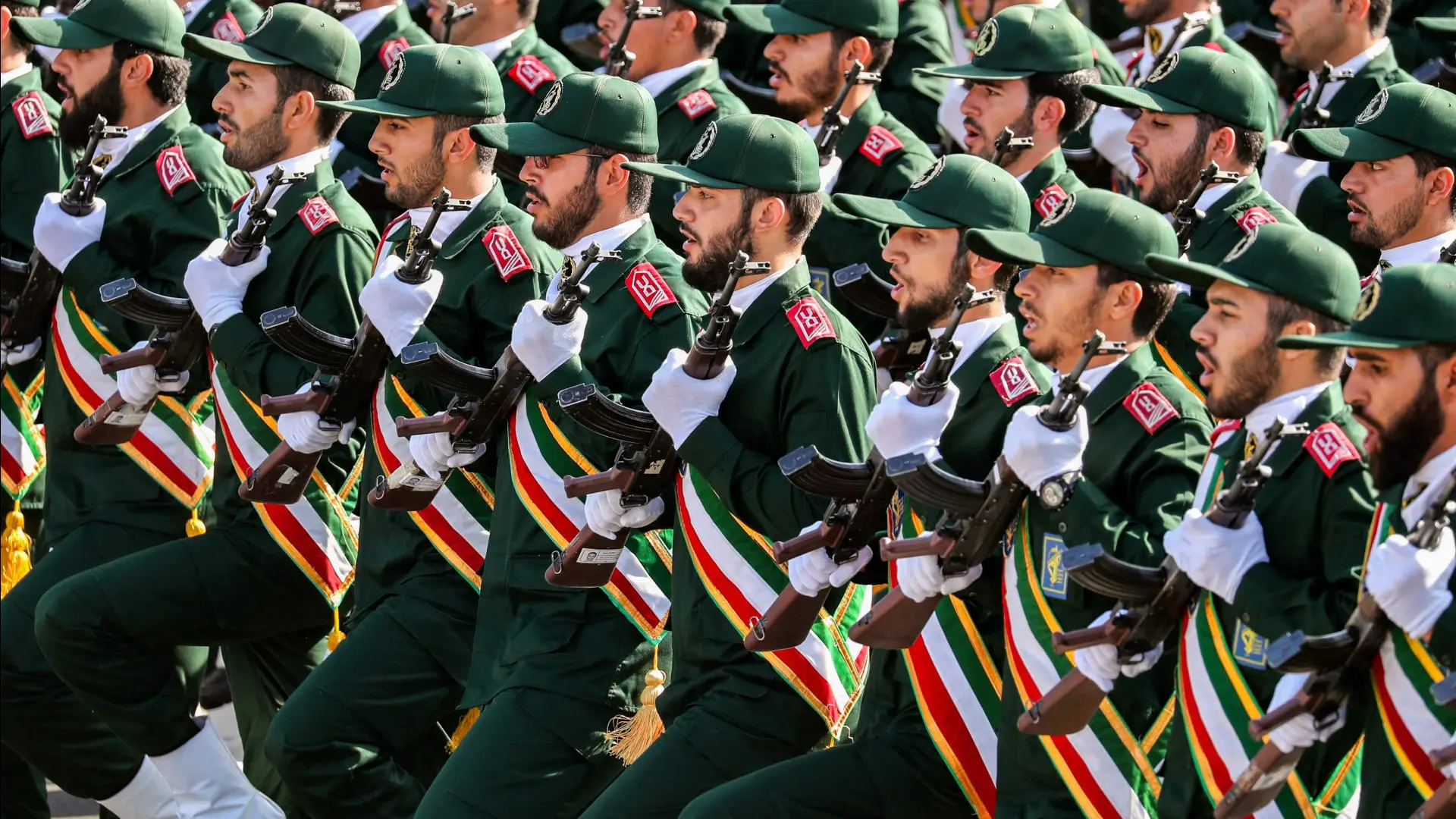
Sayeret Matkal vs Quds Force
Israel’s Sayeret Matkal is a top-tier intelligence gathering and hostage rescue unit, modeled after the British SAS and reporting directly to the General Staff. Iran’s Quds Force, part of the IRGC, specializes in unconventional warfare and managing overseas proxy militias. While the Israeli unit focuses on short, high-intensity raids, the Quds Force operates as a long-term strategic influencers across the Middle East.
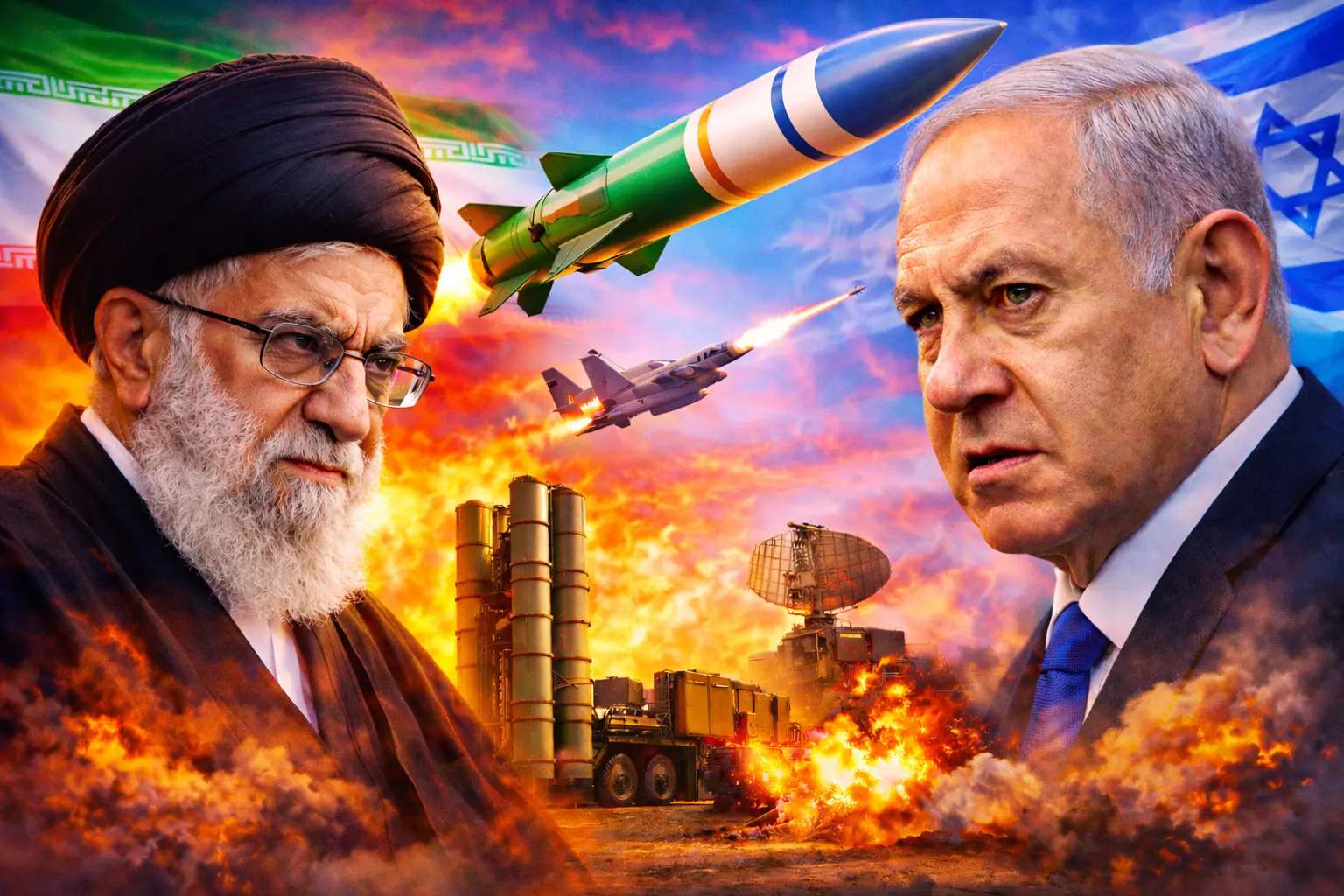
Manpower: Quality vs Quantity
Iran possesses a significant advantage in raw numbers, with the Quds Force estimated to have between 5,000 and 20,000 highly committed operatives. Israel’s special forces are much smaller, company-sized units that prioritise extreme selection standards over mass recruitment. In a direct skirmish, Israel favours agility, whereas Iran relies on waves of personnel and proxy support.
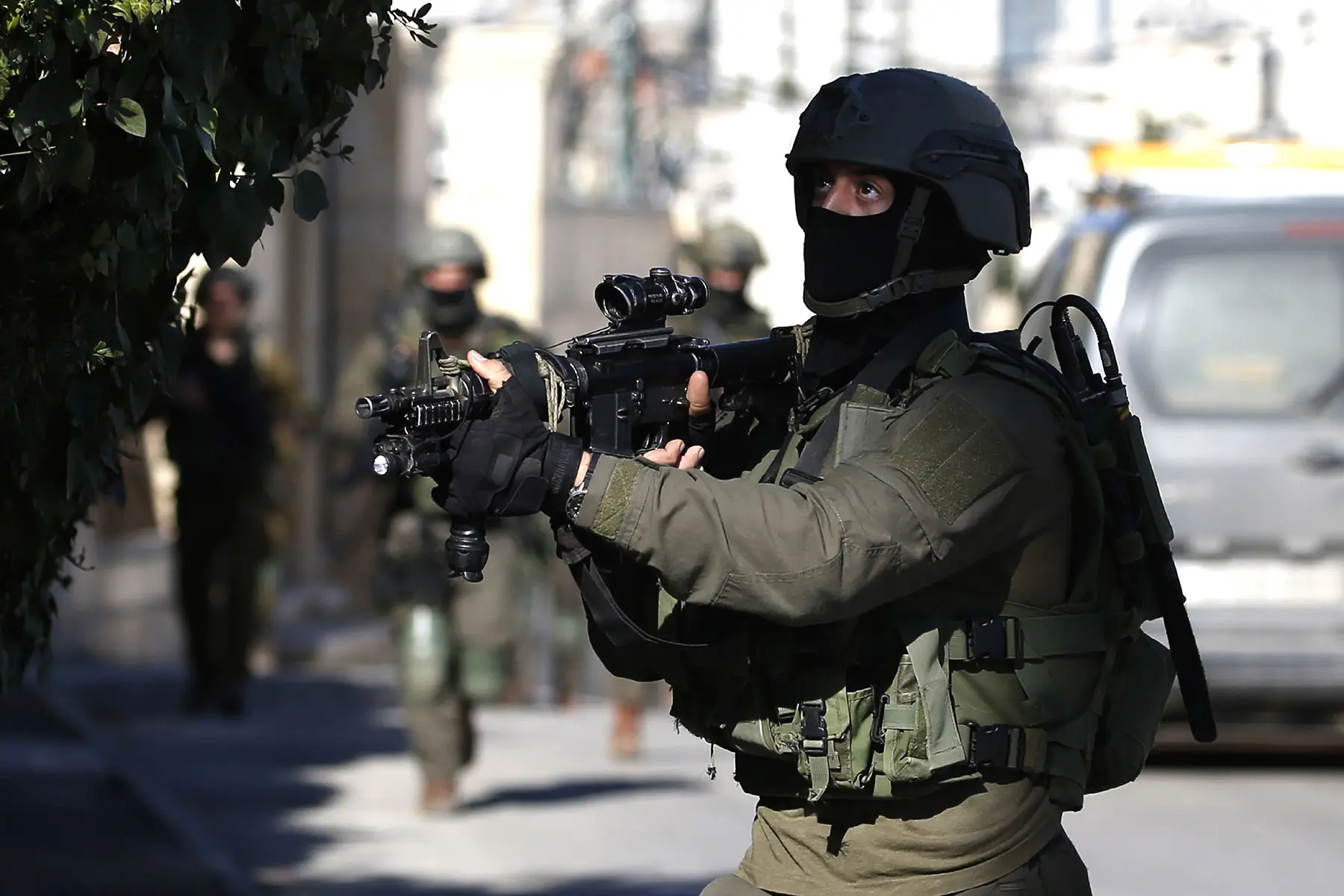
Mission Focus: Surgical vs Asymmetric
Israeli units like Duvdevan and Sayeret Matkal excel in counter-terrorism and pinpoint surgical strikes deep inside enemy territory. Conversely, Iranian special forces operate on a doctrine of "Forward Defense," mastering asymmetric warfare to disrupt superior militaries through sabotage and guerrilla tactics. Israel aims for rapid, decisive victories to minimize conflict duration, while Iran plans for prolonged wars of attrition to exhaust the enemy.
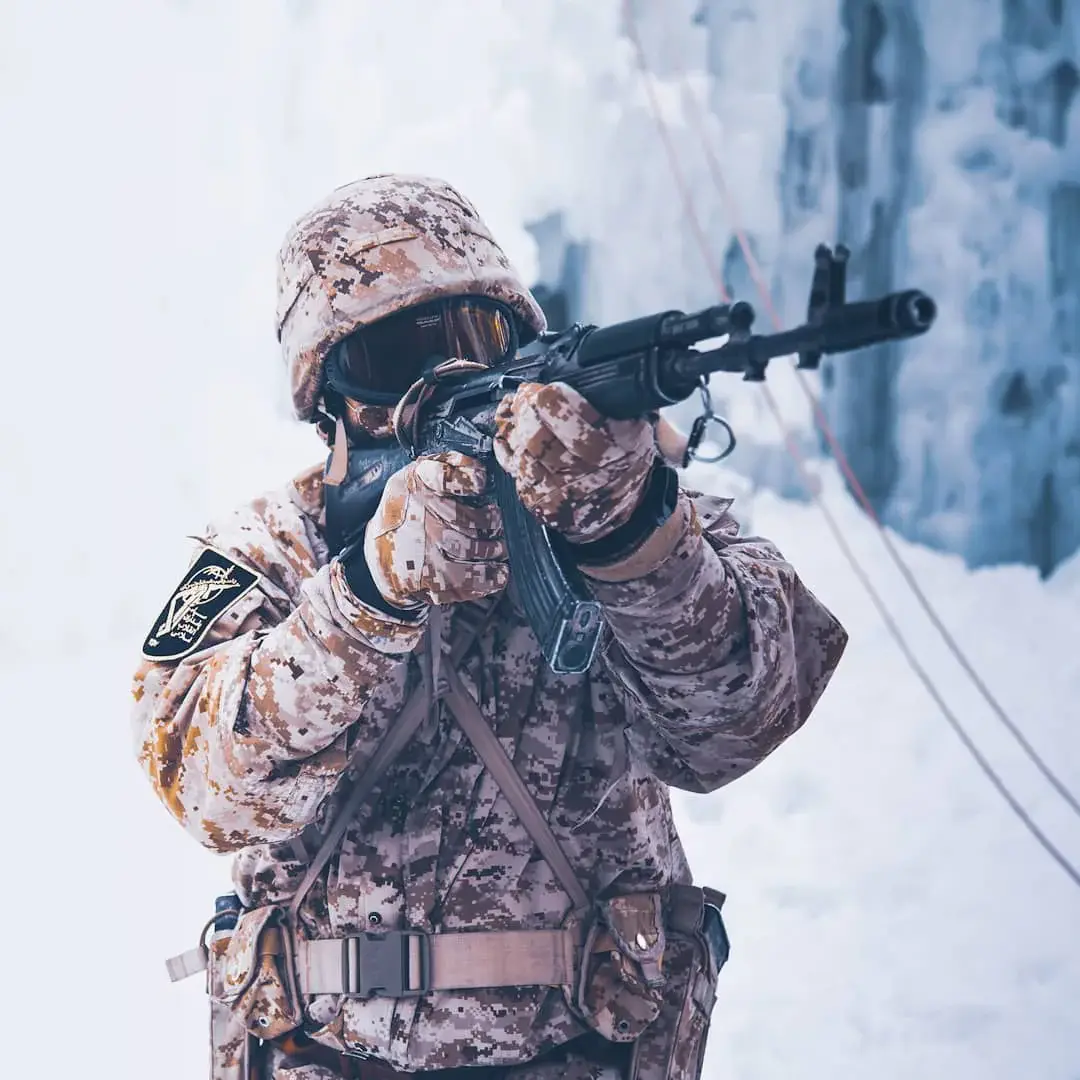
Naval Commandos: Shayetet 13 vs Takavars
Shayetet 13, Israel’s naval commando unit, is renowned for sabotage and covert beach landings using advanced rebreathers and submarines. Iran’s Takavars and IRGC Navy special forces focus on swarm tactics using speedboats and minelaying in the Strait of Hormuz. Shayetet 13 holds the technological edge in underwater operations, while Iran dominates in surface saturation attacks.
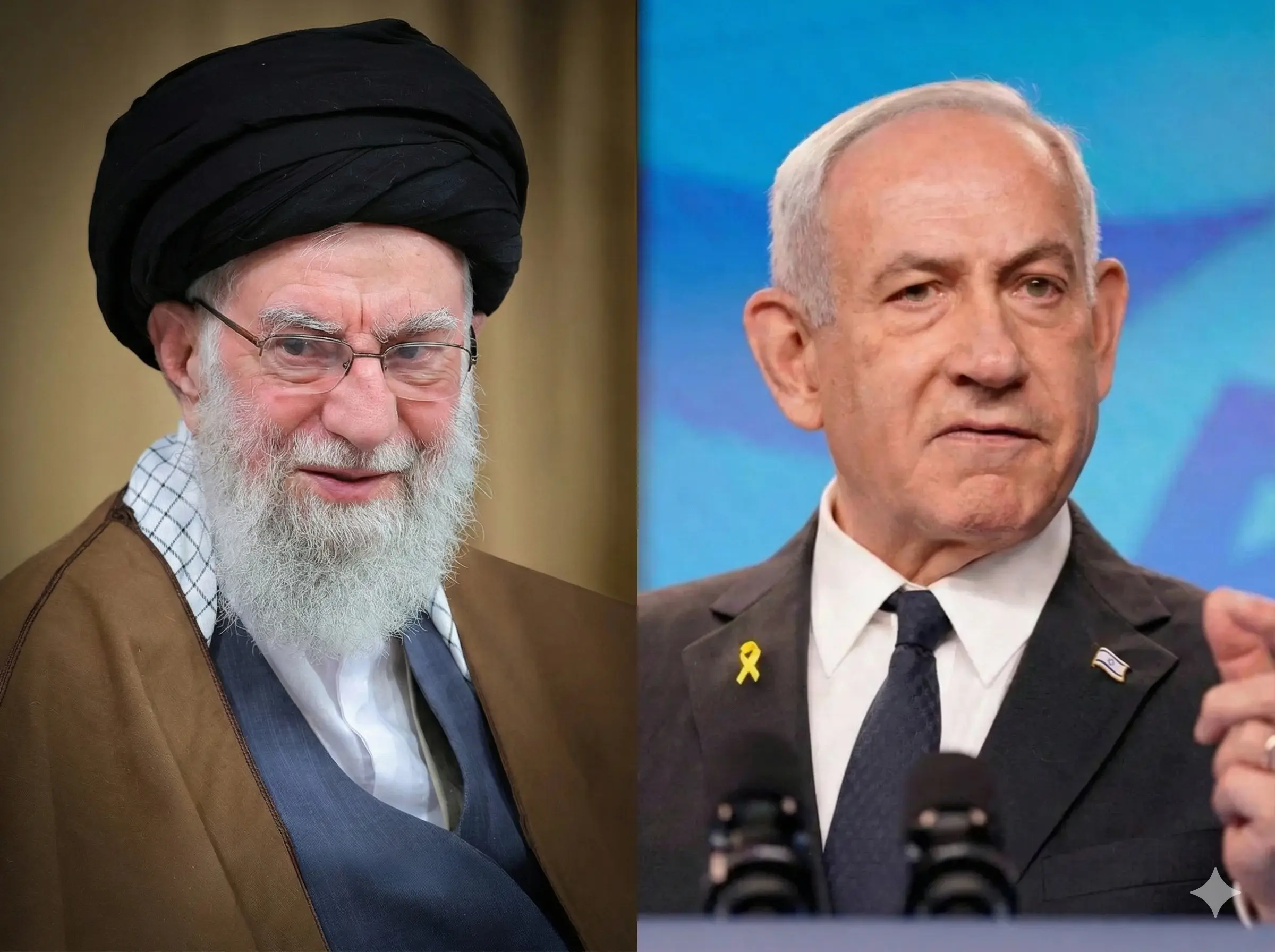
Training Standards: Intensity vs Ideology
Training for Israeli special forces typically lasts 20 to 24 months, focusing on navigation, technology, and mental resilience under pressure. Iranian special forces training emphasizes ideological indoctrination alongside combat skills, preparing soldiers for hardship and martyrdom. Israel’s pipeline produces technologically proficient operators, while Iran produces soldiers willing to endure extreme conditions.
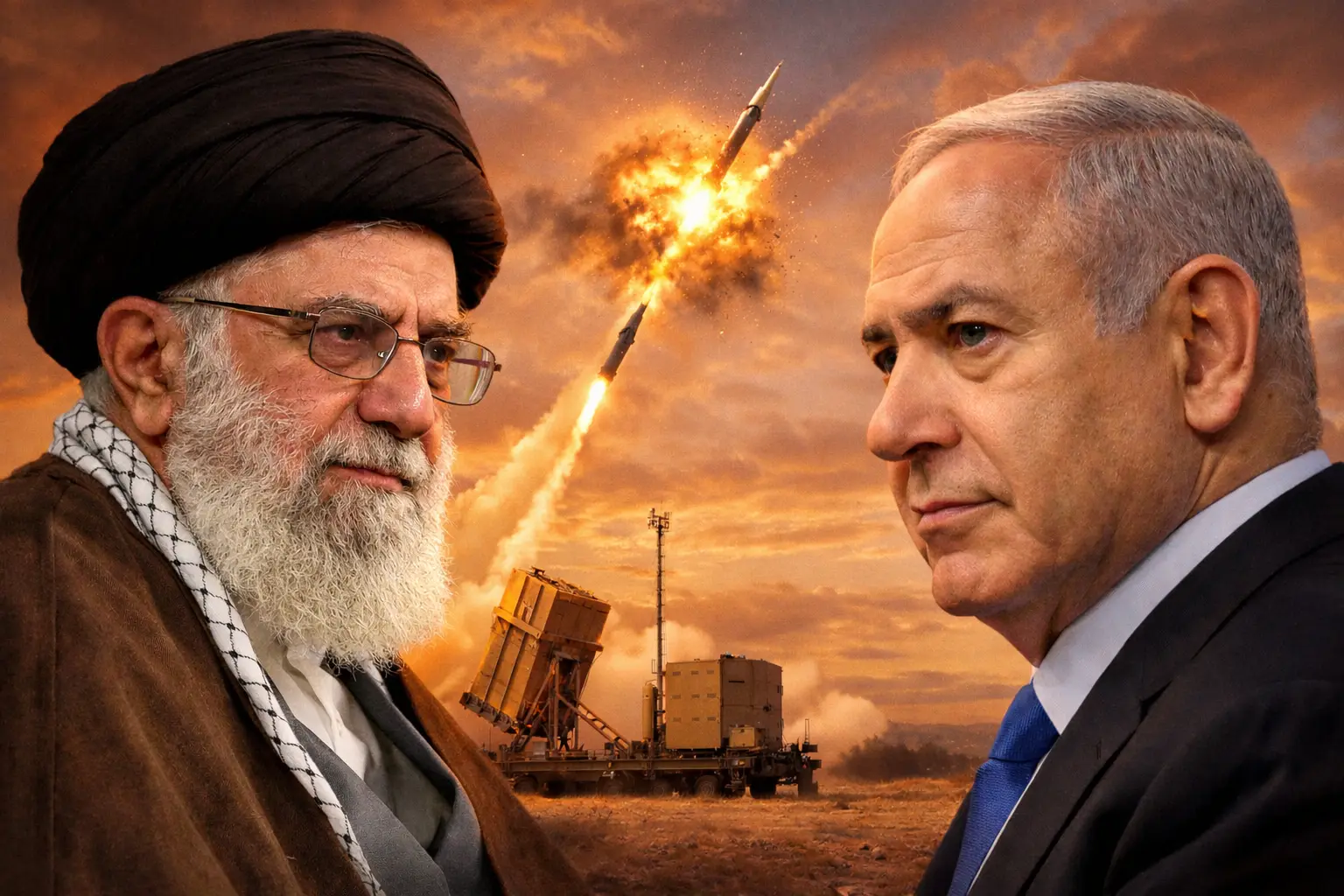
Technological Edge: Systems vs Mass Fire
Israeli commandos are equipped with cutting-edge night vision, encrypted comms, and the Tavor assault rifle, supported by real-time satellite intelligence. Iranian forces often use modernized versions of older equipment like the AK-103, relying more on rocket barrages and drone swarms than individual soldier tech. Israel’s budget allows for superior individual kit, giving them an advantage in night operations.
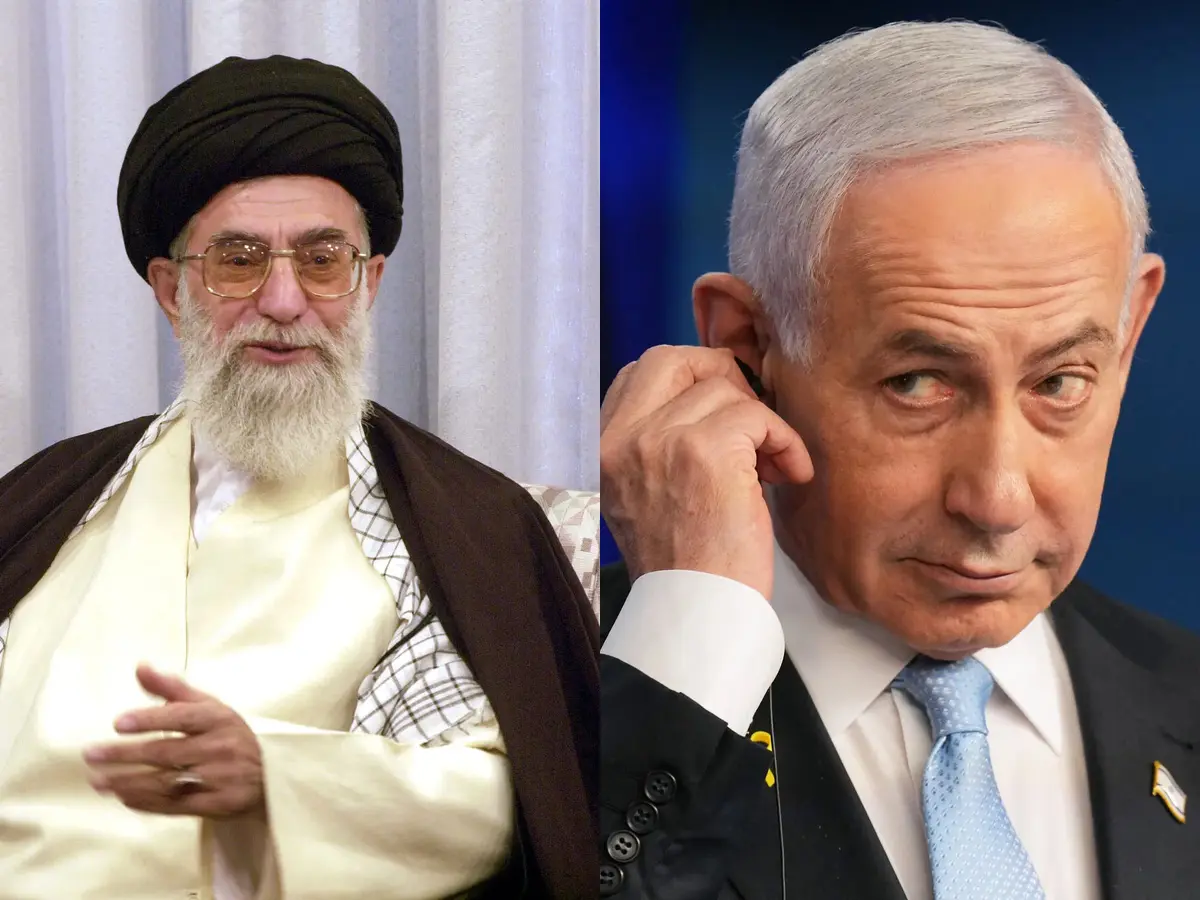
Airborne Capabilities: Shaldag vs Saberin
Israel’s Shaldag Unit coordinates closely with the Air Force to designate targets for airstrikes and conduct raids on missile sites, as seen in Syria. Iran’s Saberin Unit is the ground force’s elite airborne branch, trained for rapid deployment and mountainous warfare. Shaldag’s integration with F-35 jets gives it superior firepower support compared to Saberin’s reliance on older transport aircraft.
Regional Strategy: Direct Action vs Proxies
Israel’s special forces are designed to act directly to neutralise immediate threats, such as dismantling weapons factories or rescuing hostages. Iran’s strategy involves embedding Quds Force officers with allied militias in Lebanon, Syria, and Iraq to command foreign fighters. In a war, Israel would fight as a cohesive national force, while Iran would activate a multi-front proxy network.
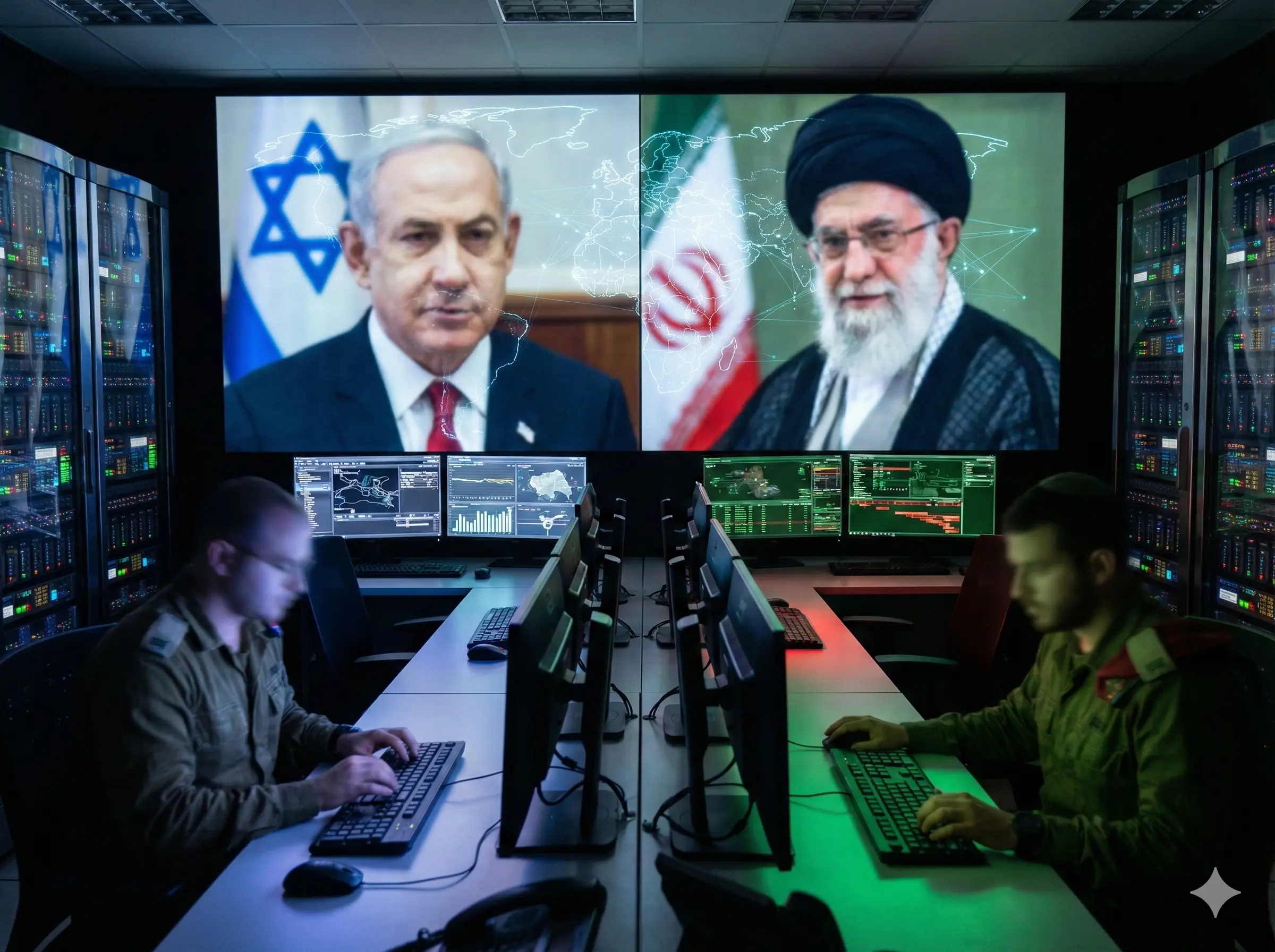
Cyber and Intel Support
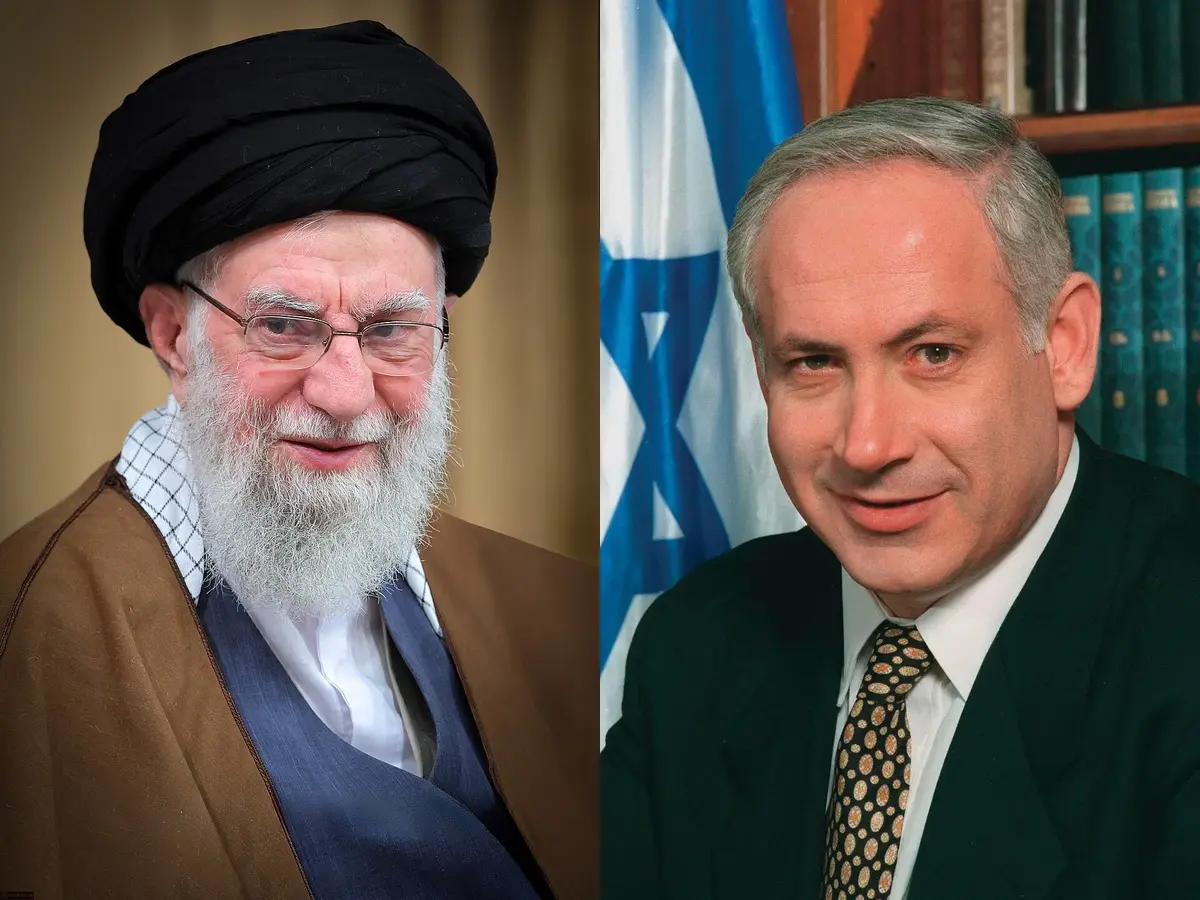
Israel’s special forces work in tandem with Unit 8200, the signals intelligence corps, ensuring they have precise data before any raid. Iran has developed its own cyber warfare capabilities to disrupt infrastructure, but lacks the same level of tactical integration with ground troops. This intelligence gap often allows Israeli units to strike targets before the enemy detects their presence.
The Verdict: Precision vs Endurance
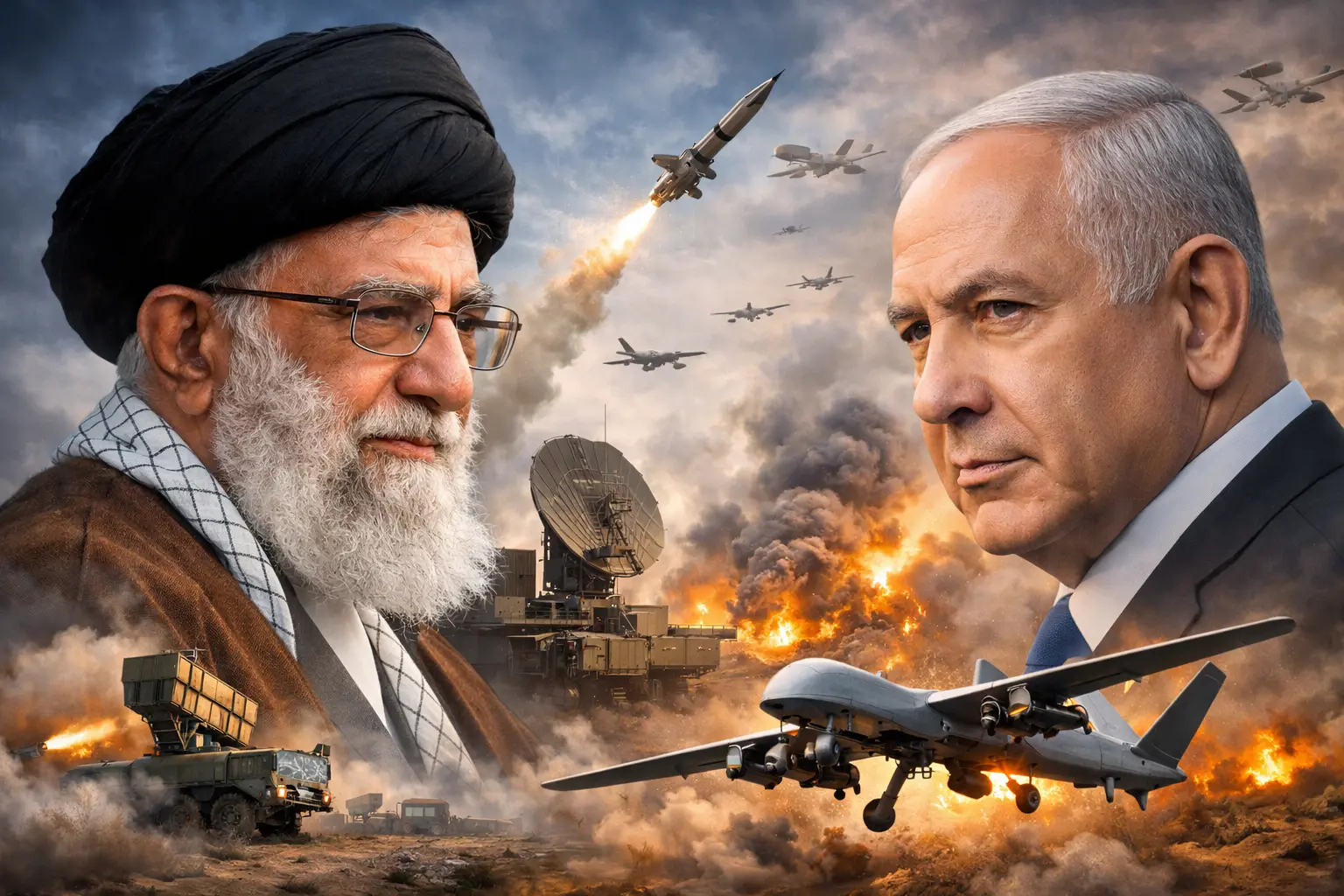
In a short, high-intensity conflict, Israel’s special forces are likely to achieve tactical victories due to superior training and technology. However, in a prolonged regional war, Iran’s Quds Force could leverage its strategic depth and proxy network to exhaust Israeli defences. The outcome depends on whether the conflict is a sprint of raids or a marathon of attrition.
)
)
)
)
)