Sydney at risk of becoming a city ‘with no grandchildren,’ experts warn

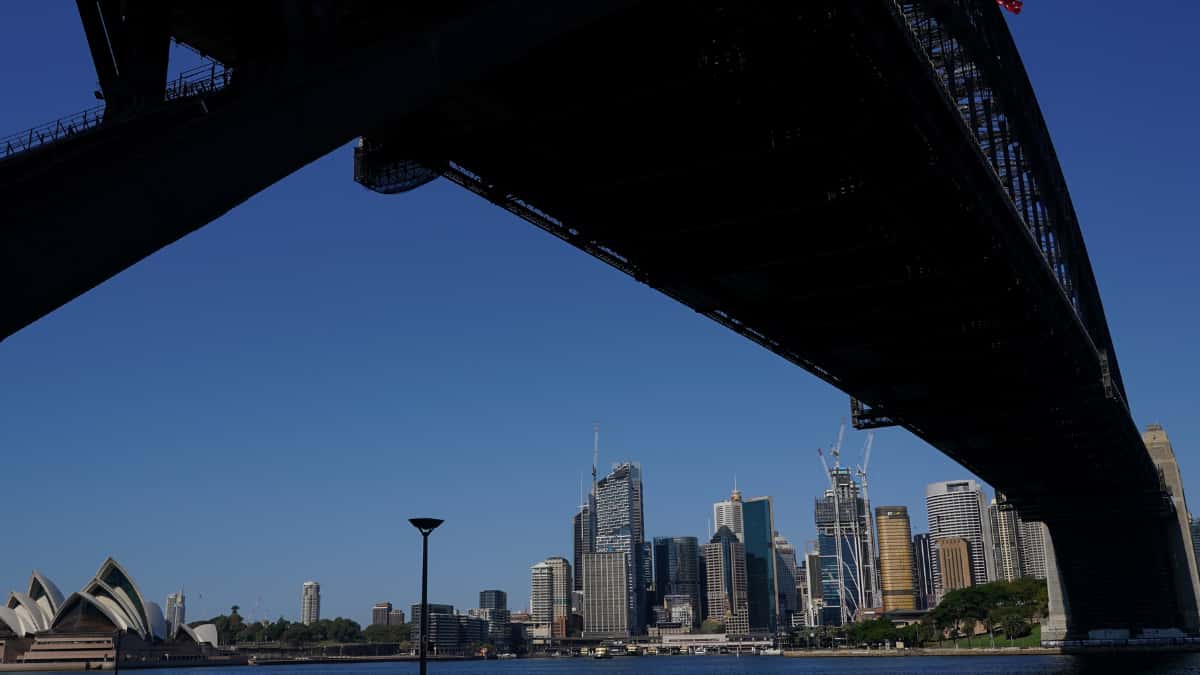
Sydney
The New South Wales Productivity Commission report, on Tuesday (Feb 13) warned that one of Australia’s most prominent cities, Sydney is on track to be “the city with no grandchildren” as its soaring house prices are driving young families out.
What did the commission say?
A study conducted by the commission found that Sydney lost double the number of people aged from 30 to 40 as it gained between 2016 and 2021, the reason for his exodus? Unaffordable housing costs.

The report titled 'What We Gain By Building More Homes In The Right Places' was released on Tuesday along with a video in which NSW productivity commissioner, Peter Achterstraat explained the dire situation that Sydney faces.
“Many young families are leaving Sydney because they can’t afford to buy a home. Or they can only afford one in the outer suburbs with a long commute,” said the NSW productivity commissioner.
“If we don’t act, we could become known as the city with no grandchildren,” Achterstraat warned. The report also highlighted the need for greater housing density across the city.
According to the commissioner, the officials must build inner Sydney suburbs and not just add houses on the city’s outskirts. He also said that Sydney needs “hundreds of thousands of new homes over the next two decades” to address the issue.
This, Achterstraat said, would not only help productivity and wages but also cut consumers’ carbon emissions due to shorter commutes and preserve land and green spaces.
“High housing costs work like a regressive tax, with the burden falling disproportionately on low-income earners,” said the productivity commissioner.
Problem to worsen?
Australia is also known for being one of the least affordable countries in the world for housing which, as per Bloomberg, has been attributed to strong population growth, limited construction, and an inclination towards smaller households.
Additionally, since there is reportedly a rebound in immigration with more than one million net arrivals in Australia over the next five years, the situation will likely worsen as these people would need a place to live.
However, the problem seems to have been exacerbated in Sydney due to a strong opposition to high apartment blocks among locals.
According to the report, Sydney would have generated 45,000 additional houses without the need for any extra land if the buildings constructed between 2017 and 2022 had been an average of 10 storeys high instead of seven.
Also Read |US Senate passes $95 billion aid bill for Ukraine, Israel and Taiwan
“Areas dominated by large, low-density, freestanding homes do not cater well for younger people moving out of home, or for older people looking to downsize while staying in their neighbourhood,” said the report.
Protecting the past or building for future?
The NSW productivity commissioner also called for a fresh discussion on heritage restrictions on housing close to the central business district and its role in keeping the prices high.
He noted that the proliferation of Heritage Conservation Areas limits new housing and affects more than half of residential land in prime suburbs.
New homes “in inner suburbs will let young families live near their parents and their children’s grandparents,” said Achterstraat, as quoted by the Guardian, adding that we can “preserve the gems of Sydney’s heritage without inadvertently freezing young people out.”
(With inputs from agencies)