Strait of Hormuz deal with Oman being ‘finalised’: Iran’s foreign ministry

&imwidth=600&imheight=450&format=webp&quality=medium "Strait of Hormuz deal with Oman being ‘finalised’: Iran’s foreign ministry")
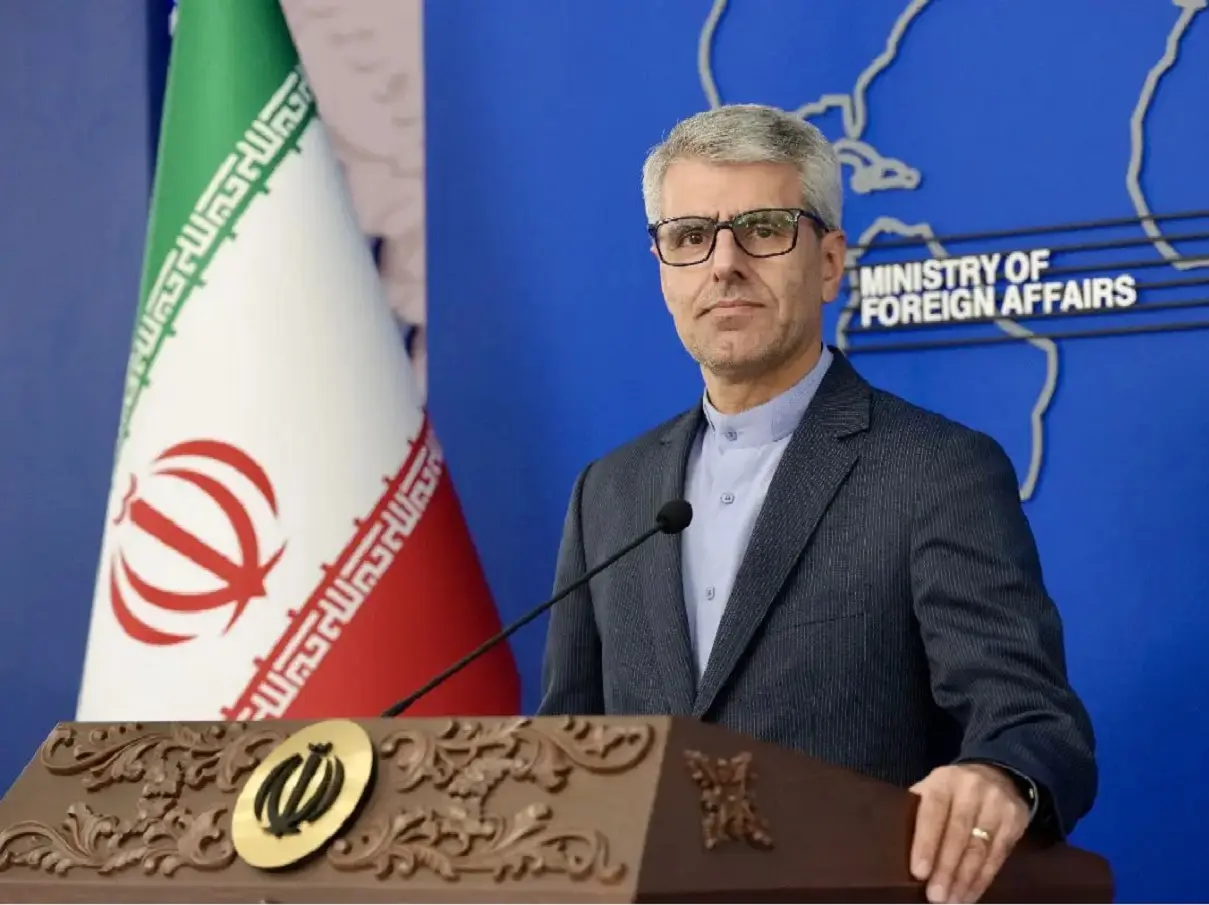
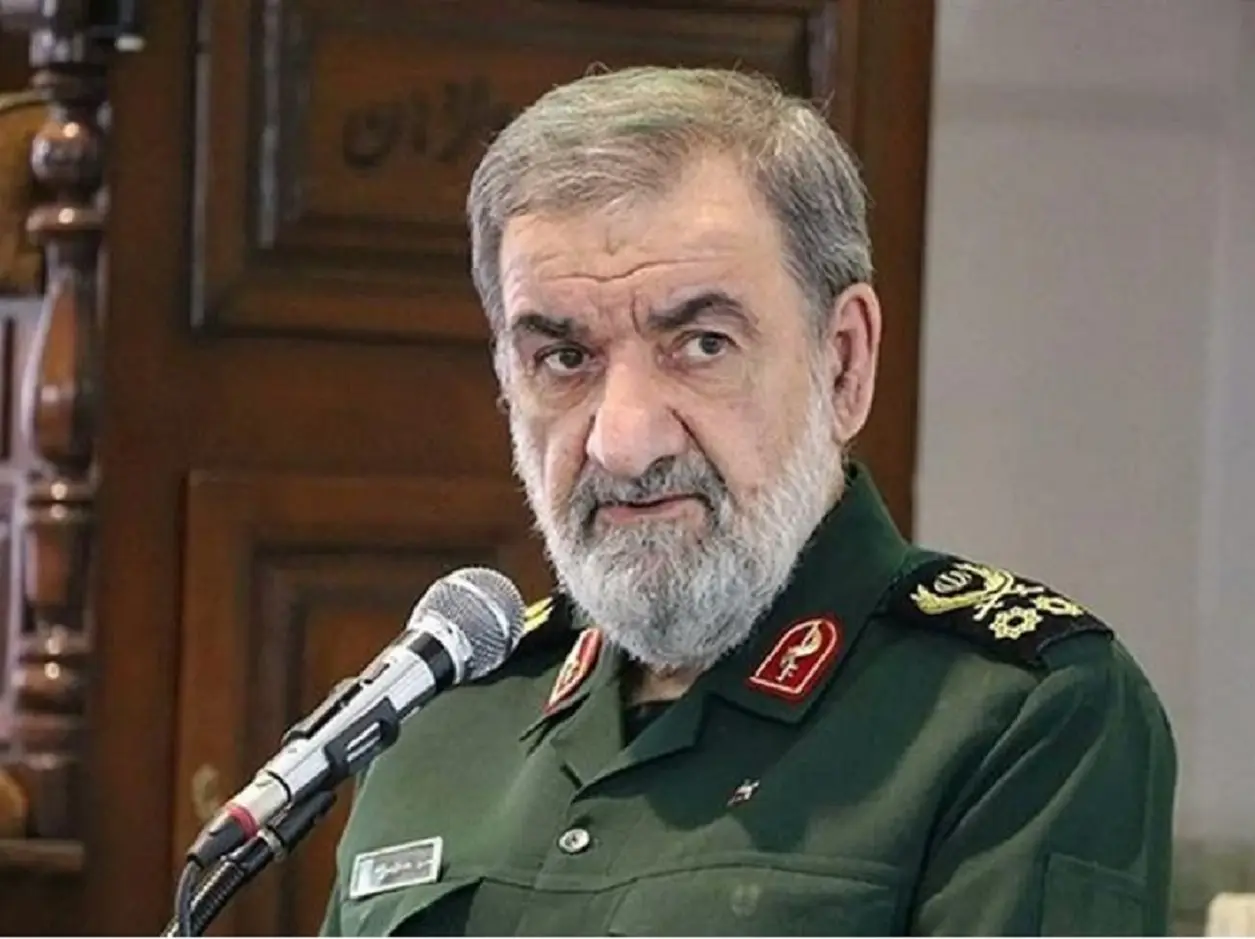
Foreign Ministry spokesman Esmaeil Baghaei said Iran and Oman have come to an agreement Photograph: (X)
Under the proposal, ships entering the strait would use the route closest to Iran, under Tehran’s coordination. To exit, ships would use the route closest to Oman, coordinated by Muscat. It would also exclude tolls or service fees to transit the vital waterway, a major sticking point.
Iran’s foreign ministry said on Wednesday that a deal with Oman on a route through the Strait of Hormuz is being “finalised”, but added that the US and Israel still pose a danger to ships in the vital waterway.
Iran’s Foreign Ministry spokesman Esmaeil Baghaei said in an interview with the country’s state broadcaster IRIB that talks with Oman on the reopening of the Strait of Hormuz have been positive and Iran and Oman have come to an agreement on the geographic characteristics of a shipping route in the key waterway.
Baghaei further said that Iran and Oman are in the final stage of preparing a joint announcement on the agreement, provided “certain third parties” do not interfere in the process.
Also Read: Pakistan Army discards WhatsApp over spying and data breach fears, switches to China’s WeChat
“Iran is trying to formulate the necessary mechanisms for future arrangements for the management of shipping traffic in this strategic crossing, in cooperation with Oman, and the final results of these negotiations will be announced after the conclusion,” Baqaei told IRIB.
The Iranian-Omani proposal to reopen the Strait of Hormuz would have no tolls or service fees for ships transiting the waterway, reported CBS News, citing sources.
Trending Stories
)
)
)
)
)
)
)
)
)
)
)
)
)
)
)
)
)
)
)
)
)
)
&im=FitAndFill=(700,400))
)
)
)
)
&im=FitAndFill=(700,400))
&im=FitAndFill=(700,400))
)
&im=FitAndFill=(700,400))
)
)
)
)
)
)
)
)
)
)
)
Under the proposal, ships entering the strait would use the route closest to Iran, under Tehran’s coordination. To exit, ships would use the route closest to Oman, coordinated by Muscat, sources said.
The proposal would also exclude tolls or service fees to transit the vital waterway, a major sticking point in the various talks held between the US, Iran, and mediators.
If approved, the US and Iran would return to the negotiating table under terms set out in the memorandum of understanding signed in June, which calls for a 60-day period of free transit through the strait.
Iranian Foreign Ministry’s Telegram page shared that Baghaei, however, pointed out that many factors contributing to insecurity in the strait are still in place, and cited the US’s declared naval blockade on Iran and other “aggressive and threatening actions against Iran and its interests”.