SPY VS SPY: As Xi meets Trump, a 12-year history of US-China espionage accusations | WION Decodes

&imwidth=600&imheight=450&format=webp&quality=medium "SPY VS SPY: As Xi meets Trump, a 12-year history of US-China espionage accusations | WION Decodes")
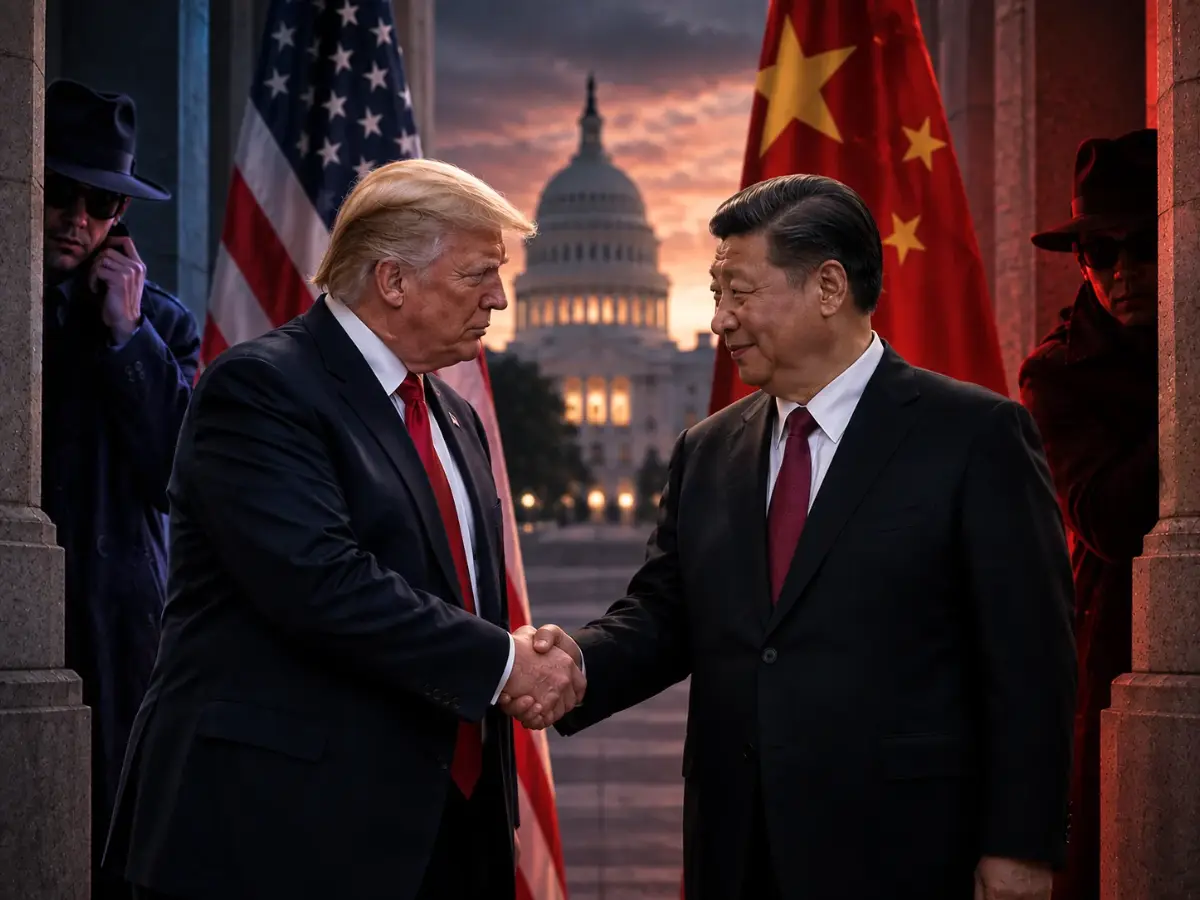
SPY VS SPY: From cyberattacks to secret agents, inside the US-China espionage war Photograph: (AI-generated image)
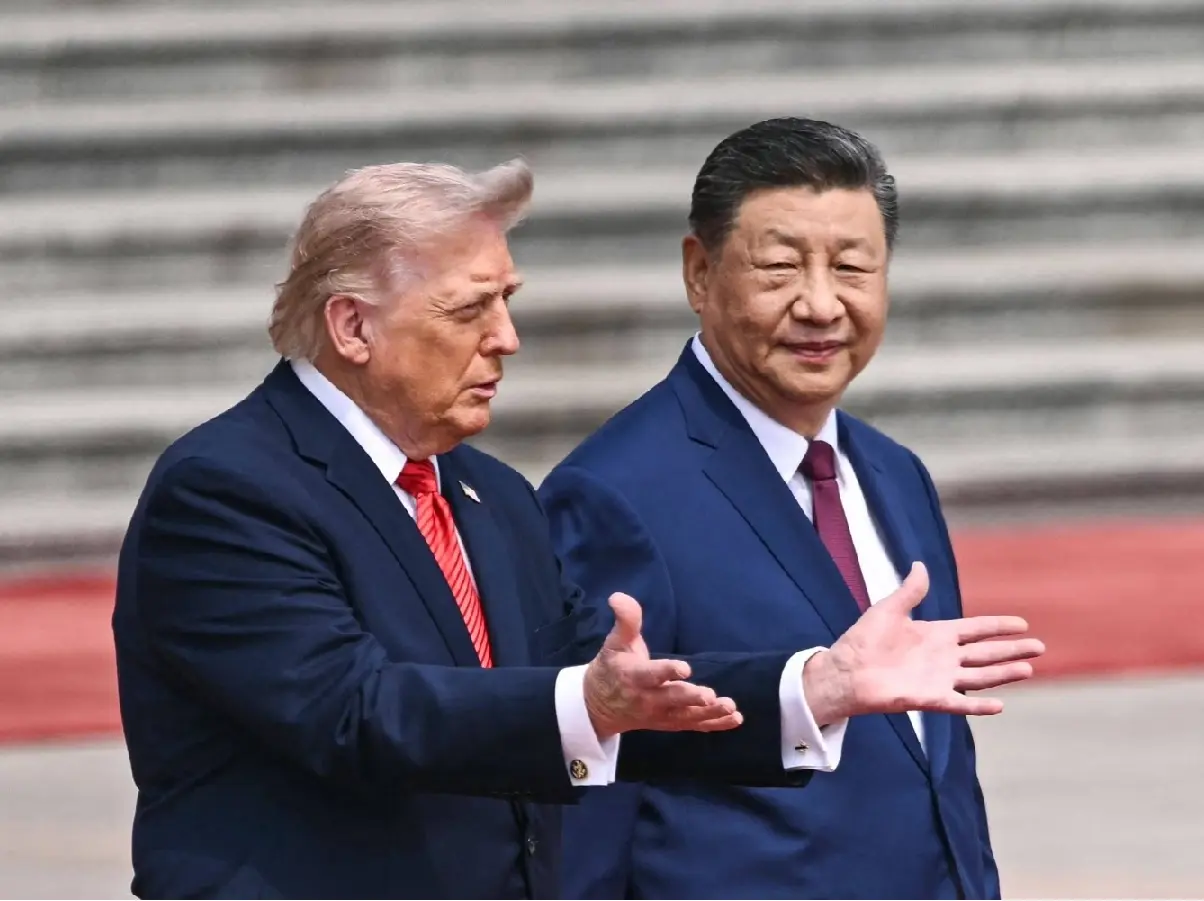
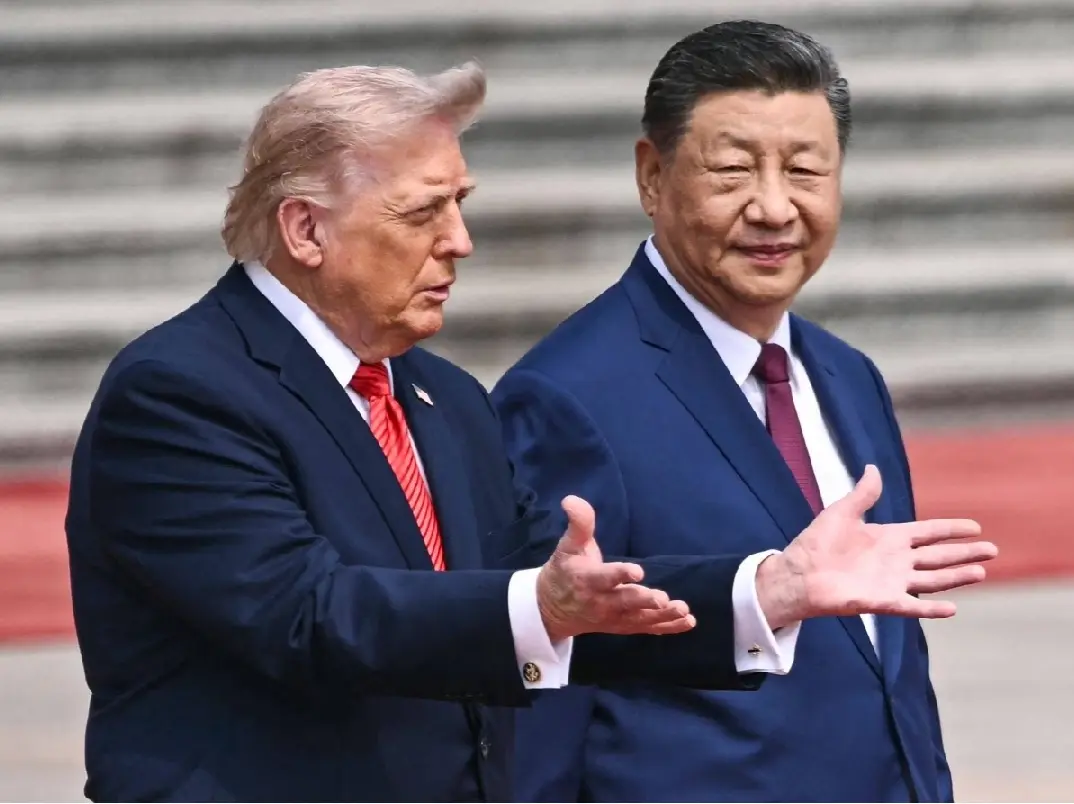
Chinese leader Xi Jinping will this week head to Washington for talks with Donald Trump. Ahead of that, let's take a look at the US-China relationship and its history of espionage accusations. From cyberattacks and intelligence recruitment to secret agents, here’s how the spy battle unfolded.
Chinese leader Xi Jinping will travel to Washington this week to meet US President Donald Trump. Xi would conduct a state visit from 23 September 2026 to 25 September 2026, with the two leaders holding a bilateral meeting on Thursday (Sep 24). The high-level meet comes just days after FBI Director Kash Patel told Congress that the US, during the past 18 months, has witnessed an unprecedented increase in spying and illegal operations by Chinese and other adversary intelligence services.
China espionage threat among the greatest
On Sept 15, 2026, Kash Patel told Congress that China posed the most significant foreign intelligence threat, along with Russia and Iran, posed the most significant foreign intelligence threat to the US. "All are working to erode our institutions, and each is growing bolder and more capable," warned the FBI director. He further revealed that just in last 18 month period, the FBI has a total of 130 counterintelligence arrests, of which nearly half (60) were Chinese-related spying or other illegal activity against Washington.
US-Chinese spy vs spy: A quick recap from the last 12 years
Over the past decade, US and Chinese authorities have repeatedly accused each other of stealing sensitive information, recruiting sources and conducting cyber espionage. Let's take a quick look:
Trending Stories
)
)
)
)
)
)
)
)
)
)
)
)
&im=FitAndFill=(700,400))
)
)
)
)
)
)
)
)
)
)
)
)
)
)
)
)
&im=FitAndFill=(700,400))
)
)
)
)
)
)
Times Washington accused Beijing of espionage
In 2016, the US Justice Department charged Chinese national Xu Jiaqiang with economic espionage and theft of proprietary source code, alleging that the material was intended to benefit China's National Health and Family Planning Commission. Xu later pleaded guilty to the charges.
In 2017, former CIA officer Kevin Patrick Mallory was charged with passing classified information to a Chinese intelligence officer. He was later convicted and sentenced to 20 years in prison. Separately, Chinese intelligence officer Xu Yanjun was accused of attempting to obtain aviation trade secrets from US companies. Xu was extradited to the US, convicted and sentenced to 20 years in prison.
In 2020, US prosecutors accused four members of China's People's Liberation Army of hacking Equifax and stealing personal information belonging to about 145 million Americans. That year, the Justice Department also charged Chinese hackers allegedly working with the Ministry of State Security with a global hacking campaign targeting intellectual property, business information and COVID-19 research.
In 2021, US prosecutors accused four Chinese nationals, including alleged MSS officers, of carrying out a years-long hacking campaign targeting companies, universities and government entities. The alleged theft included information considered economically valuable to Chinese companies and commercial sectors.
In 2022, the Justice Department charged Chinese intelligence officers and a US citizen in separate cases involving alleged efforts to spy on dissidents and human rights activists in the United States. Another case alleged that Chinese intelligence officers used an academic institution as cover while attempting to recruit people in the US to support Chinese intelligence objectives.
In 2024, US authorities accused China-linked hackers of conducting extensive cyber espionage. The Justice Department charged seven alleged members of the APT31 hacking group, saying the group had targeted political officials, candidates, campaign personnel, businesses and critics of China. Separately, the FBI and CISA said PRC-affiliated actors had compromised multiple telecommunications companies in what they described as a broad cyber espionage campaign.
In 2025, US authorities continued announcing cases involving alleged Chinese intelligence activity. The Justice Department charged two people with allegedly carrying out clandestine intelligence tasks for China's MSS, including gathering information about US Navy personnel and bases and attempting to recruit potential military assets. A former US Army soldier also pleaded guilty to attempting to provide national defense information to China, while a US Navy sailor was convicted of espionage and export violations after prosecutors said he sold Navy secrets to a Chinese intelligence officer.
In 2026, the Justice Department announced that an American citizen, Thomas Weir Pauken II, had pleaded guilty to acting as an agent of the PRC. Prosecutors said he worked under the direction of people he knew were connected to the Chinese government and helped identify potential intelligence assets in the US. In June, US authorities also seized 13 websites that they said were being used by suspected Chinese agents to target current and former US security clearance holders for sensitive information.
The allegations have not been limited to Chinese activity. Beijing has also accused Washington of cyber espionage.
Also read | India at UNGA81: Jaishankar warns global order under 'growing stress', pushes for ‘reformed multilateralism’
Times China accused US of espionage
2014: China accuses US of hacking Huawei
China demanded an explanation from Washington after reports based on documents leaked by former NSA contractor Edward Snowden alleged that the US agency had infiltrated Chinese telecommunications giant Huawei. Chinese officials said they were "gravely concerned" about alleged US eavesdropping, surveillance and theft of secrets.
2015: Beijing says it is also a victim of hacking
As Washington stepped up warnings about Chinese cyber activity, Beijing said the US was making "groundless accusations". Chinese officials maintained that China was itself a victim of cyberattacks and called for dialogue rather than confrontation.
2018: China rejects US economic espionage allegations
After the US and its allies accused China of economic espionage, Beijing rejected the allegations and said Washington itself had a record of hacking and listening in on foreign governments, companies and individuals. China described the US accusations as an attempt to blame Beijing while ignoring American cyber activity.
2024-25: The cyber accusations escalate
The two sides continued to trade accusations as Washington blamed Chinese-linked groups for cyber espionage campaigns, while Chinese authorities accused the US and its allies of conducting similar operations against Chinese targets.
In 2025, Chinese authorities accused the US National Security Agency of carrying out cyberattacks during the Asian Winter Games in Harbin. China's Foreign Ministry said a government-backed report had identified cyber activity originating from the US and described China as a major victim of cyberattacks.
Chinese authorities went further, alleging that three people they identified as NSA agents were involved in attacks against Chinese critical infrastructure. At the time, Reuters reported that Beijing also accused the NSA of targeting energy, transportation, communications and defence research institutions in Heilongjiang. These were Chinese government allegations, and the US did not publicly confirm them.
2025: China accuses US of infiltrating its national time centre
China's Ministry of State Security also accused the US of infiltrating the National Time Service Center, saying investigators had traced stolen data and credentials to operations dating back to 2022. Beijing alleged that US intelligence had targeted staff devices and network systems and had attempted attacks against the centre's high-precision timing system in 2023 and 2024.
Spy vs Spy: A long-running cycle of accusations
The pattern is therefore not simply one of Washington accusing Beijing. The US has repeatedly accused Chinese intelligence services and state-linked hackers of espionage and theft of sensitive information, while Beijing has repeatedly accused US intelligence agencies of hacking Chinese government institutions, companies, telecommunications networks and critical infrastructure.
'We spy like hell on them too'
Trump himself acknowledged the reciprocal nature of the intelligence relationship in May 2026, saying of US spying on China: "Well, we do it too...We spy like hell on them too."
When the two leaders met earlier this year, among the key topics they discussed were cyberattacks and espionage activities carried out by both nations. In what was a rare public acknowledgement of the nation's clandestine attempts to monitor Chinese officials and networks, Trump told reporters after the bilateral, "I told him, 'We do a lot of stuff to you that you don't know about and you’re doing things to us that we probably do know about'."
CIA officials have also previously acknowledged that they use video campaigns to recruit Chinese officials and intelligence sources.
The cloak and dagger equation between the two nations can be summed up with an interesting incident that happened earlier this year. When Trump visited China earlier this year, members of the US delegation and accompanying press were required to discard Chinese-issued items, including delegation pins, credentials and phones, before boarding Air Force One. The reported security measure reflected concerns about the potential risks posed by electronic devices and other items provided during the visit, rather than establishing that they had been used for espionage.
As Xi and Trump prepare to meet in Washington, the long record of accusations from both sides provides an important backdrop to their talks.

