
&imwidth=800&imheight=600&format=webp&quality=medium "Close to G7, not far behind NATO: How big is the SCO economy and who are its biggest players?")
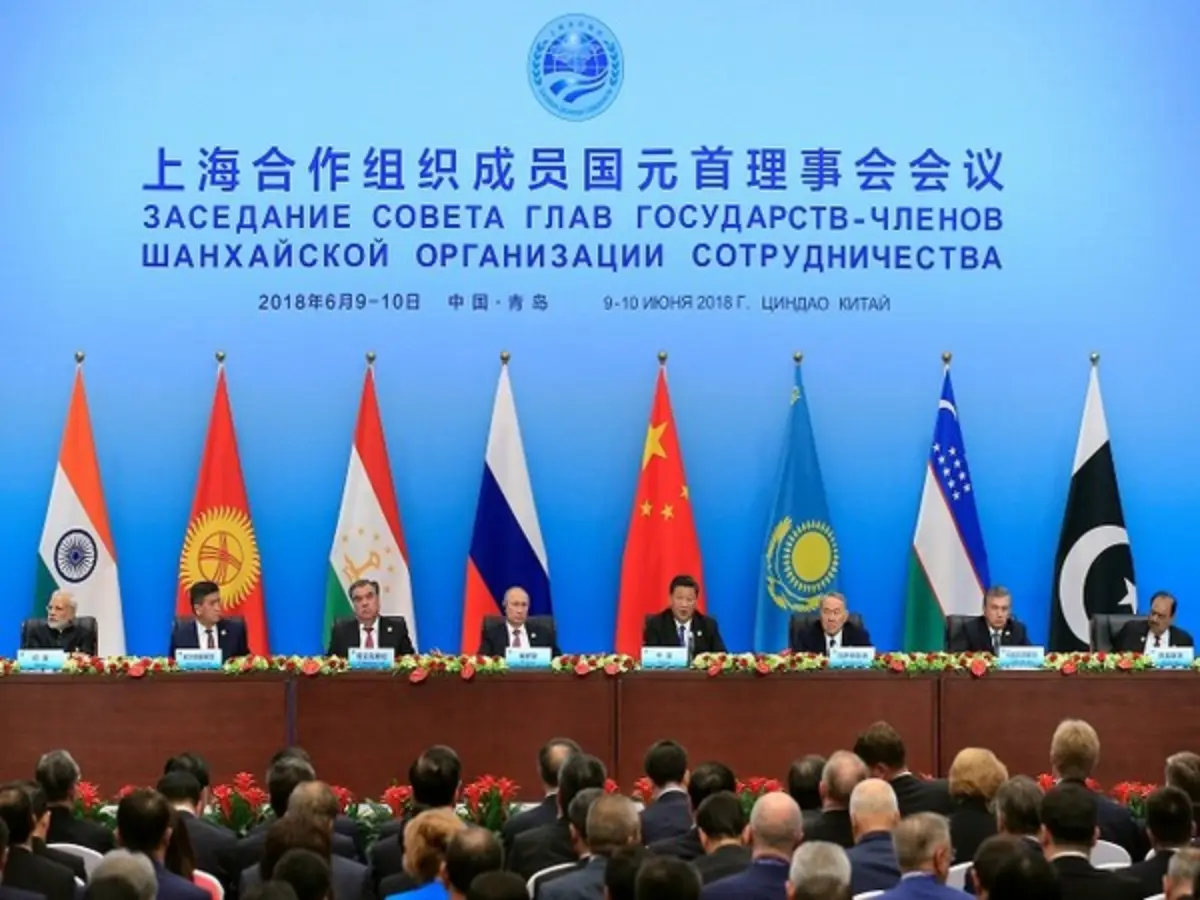
In July 2024, Chinese President Xi Jinping told fellow Shanghai Cooperation Organisation leaders in Astana that “no mountain or ocean can distance people who have shared aspirations.” At the time, the words rang hollow. Indian Prime Minister Narendra Modi skipped the summit, a move seen as a snub at the time. A year on, the picture has changed. As China hosts the SCO summit this Sunday (August 31), it expects a record turnout of leaders. Modi will return to China for the first time since 2018, driven partly by tensions with Washington after President Donald Trump slapped 50 per cent tariffs on Indian goods, nudging New Delhi closer to Beijing and its Eurasian partners.
While, the Shanghai Cooperation Organisation (SCO) is usually seen as a security club, its economic size is striking. Together, its ten members now make up nearly $26.8 trillion in GDP, around 22.5% of the world economy, based on IMF estimates for 2025. That puts the group close to the G7 in scale, and not far behind NATO, which represents about 30% of global GDP.

Who are the biggest players?
The SCO is dominated by its three largest members. China accounts for more than 70% of the bloc’s GDP, at over $19 trillion. India contributes $4.2 trillion, and Russia adds about $2.1 trillion. Together, they make up nearly nine-tenths of the total economy. The other members, Iran, Pakistan, Kazakhstan, Uzbekistan, Belarus, Kyrgyzstan and Tajikistan, together provide less than 15%.
Trending Stories
)
BRICS Summit 2026: Trump wants to weaken BRICS, but maybe doing the opposite
)
BRICS Summit 2026: PM Modi, Xi reach key consensus on ties, China to assume BRICS chairmanship in 2027
)
Trump defends Lincoln Memorial pool amid NYT report blaming renovation flaws, not vandalism
)
Indian importers urge Bangladesh to lift export ban on 'Hilsa' fish ahead of Durga Puja
)
War is making Russia stronger? How Ukraine is shaping Moscow’s next generation of weapons
&im=FitAndFill=(700,400))
Shahid Kapoor to Rajkummar Rao: Actors who rule both theatres and OTT
)
'80% of Indians are non-vegetarian': Rahul Gandhi slams BRICS Summit dinner menu, BJP calls it 'politics on food menu'
)
BRICS Summit 2026: Modi-Xi moment highlights India-China thaw at BRICS
)
800 million years old - Scientists discover 'fingerprints' of supercontinent Gondwana in ancient rocks
&im=FitAndFill=(700,400))
Meet top 5 batters fastest to 3000 runs in T20Is
&im=FitAndFill=(700,400))
Why European Meteor missiles use ramjet engines compared to standard US solid rockets
)
‘Partners, not rivals’: Xi outlines four point plan for stronger India-China ties
)
Did BRICS Summit 2026 prove that an 11-member bloc with India and China in it can still agree on key issues?
)
9-year-old Chennai prodigy clears Cambridge IGCSE grade 10 exams
)
Russian drone hits Warsaw-bound train near Polish border, Zelensky accuses Moscow of ‘deliberate’ targeting
)
US diplomat accused of possessing child abuse images secretly flown out of UK by US Marines
)
Russia-Ukraine-US talks in October? Kremlin says not ruling out possibility of trilateral
)
'He is popular...': Malaysian PM Anwar Ibrahim's praise for PM Modi during bilateral meeting | WATCH
)
Top 5 places to visit in Goa beyond its famous beaches
)
NATO under Russian threat? Drone strikes just 2 km from Poland, narrow escape for former UK PM, CIA chief
)
PM Modi and China's Xi offered to help resolve Russia-Ukraine war: Kremlin
)
Bigg Boss 20: Who Is Rohed Khan? Meet the Austrian actor from Bade Miyan Chote Miyan
)
BRICS Summit 2026: Russia-India-China grouping never formalised
)
‘Want to reset ties with India, have engagement based on mutual interests,’ says Bangladesh minister
)
The Verdict | Africa is too big to remain a guest at the BRICS table
)
Akram, Afridi, Mushtaq tear into PCB after Pakistan’s Test series collapse in UK
)
Humans may lose control of AI: Anthropic CEO calls for slowdown, Altman, Musk back him
)
'It’s going to be a war': Ben Shelton on facing Zverev in US Open title clash
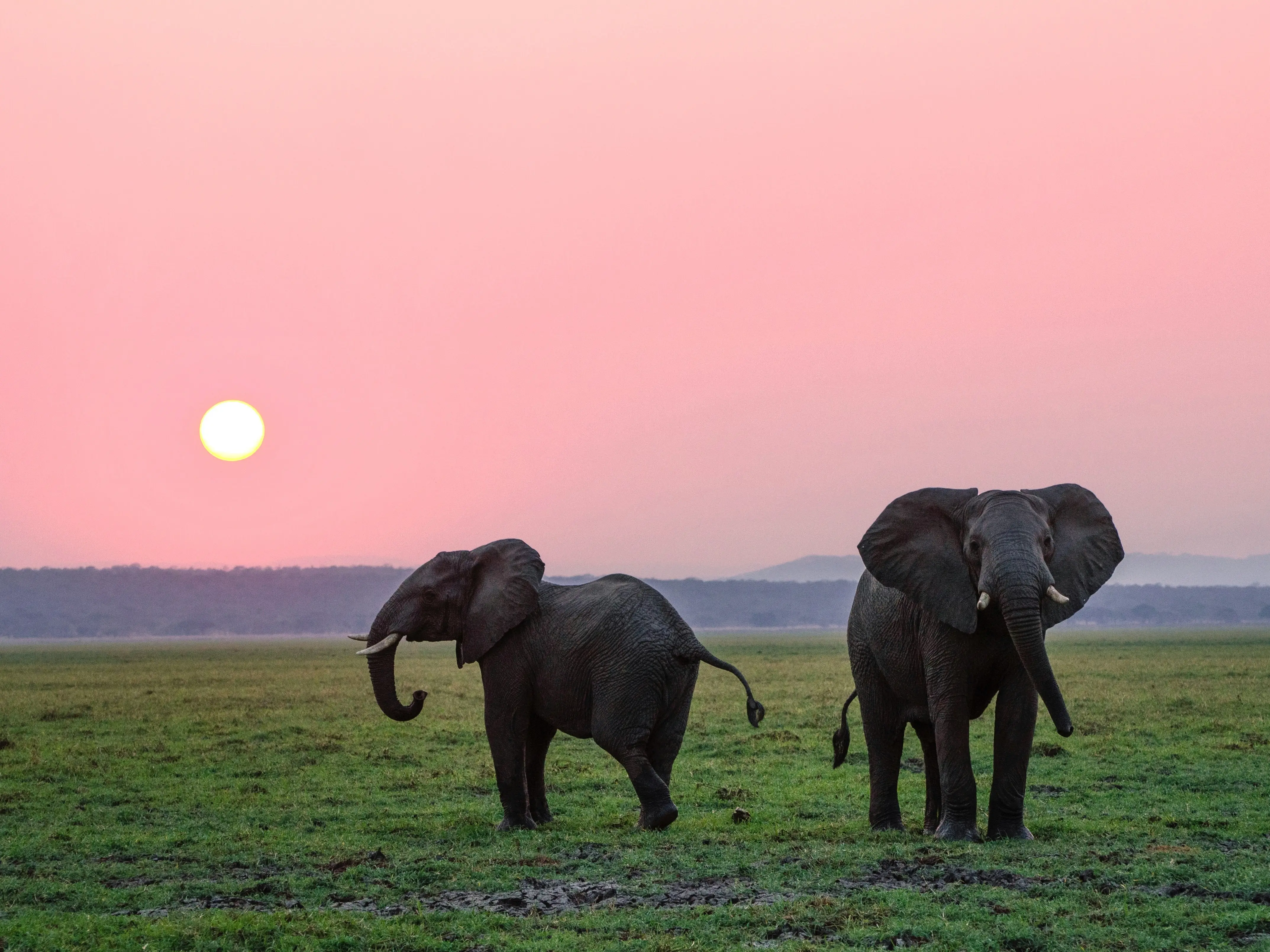)
From severe mobility problems to recovery: Madhuri the elephant’s journey of wildlife care
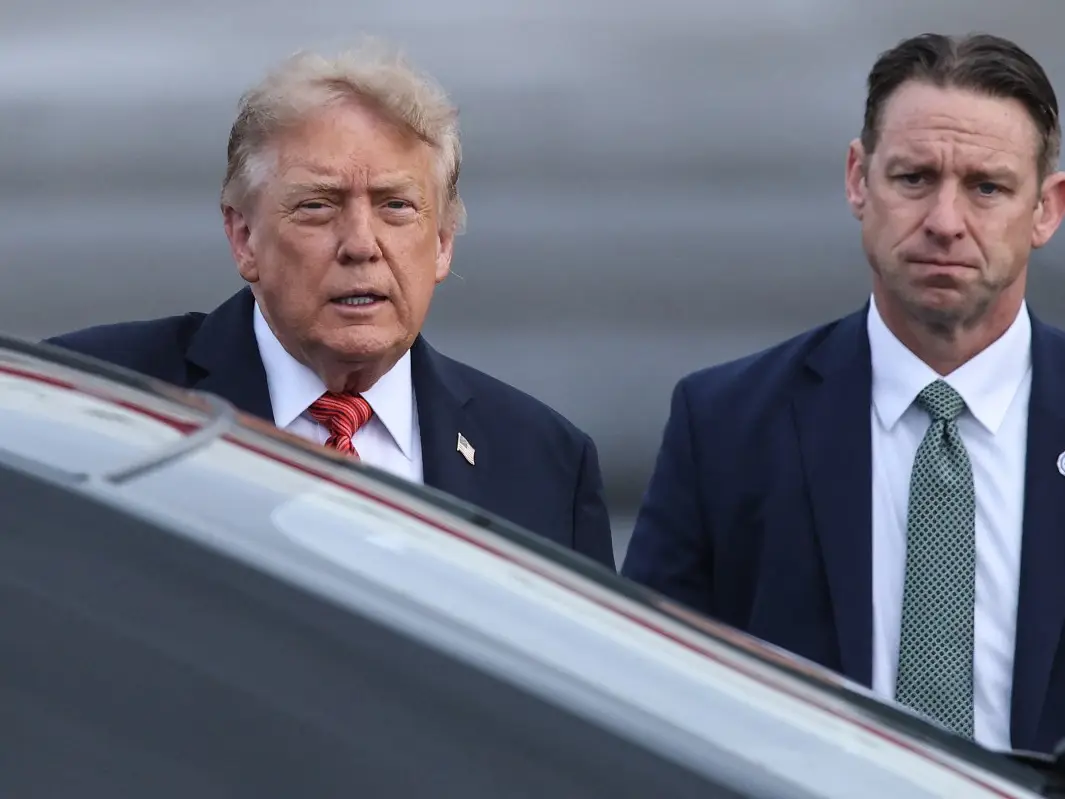)
Trump says Canada eager to reach a deal, it could come ‘fairly soon’ if Ottawa treats US farmers better
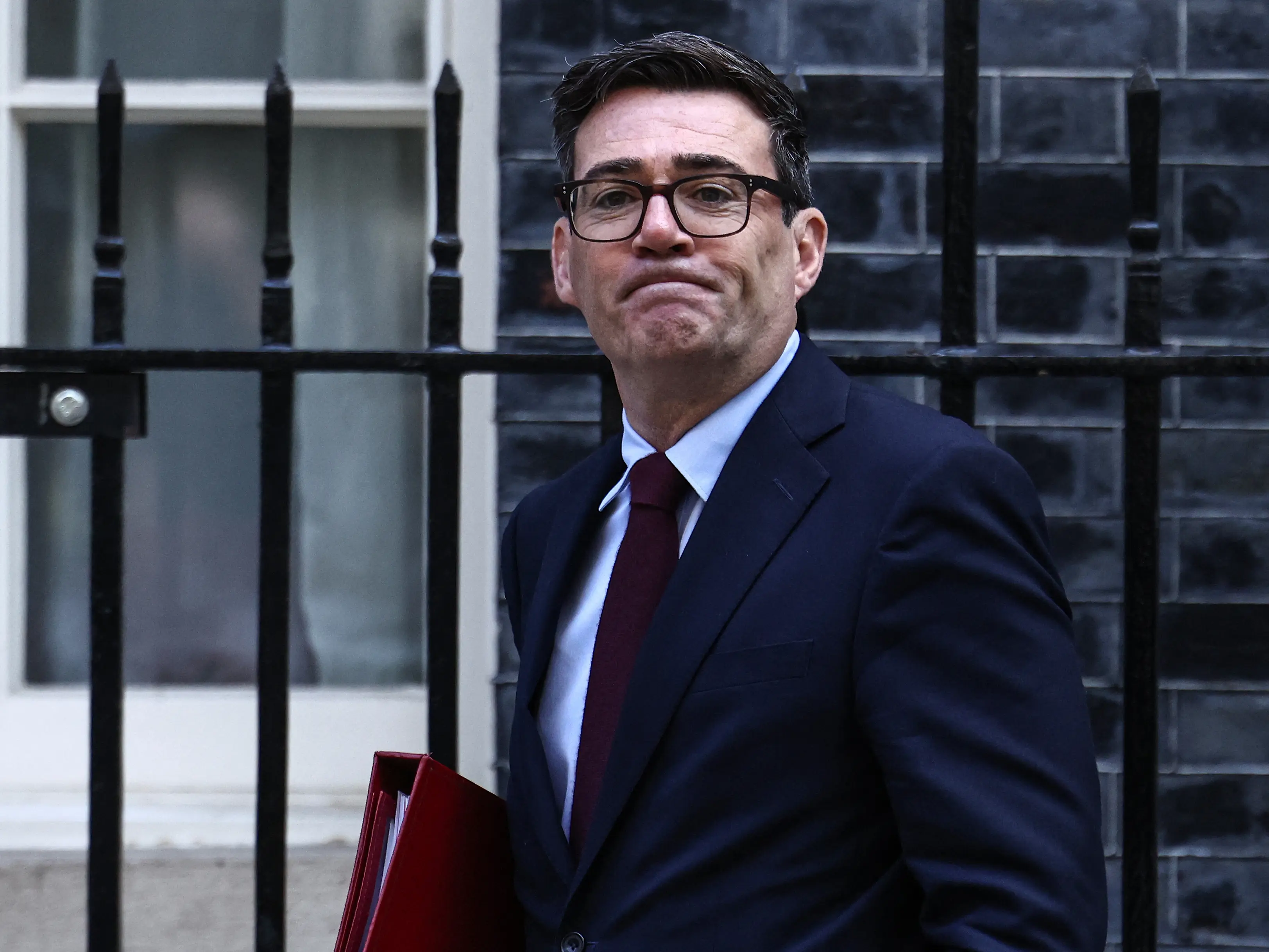)
UK breakup on the cards? Scotland, Wales and Northern Ireland push for independence
&im=FitAndFill=(700,400))
Why Chinese PL-15 air-to-air missiles use dual-pulse motors compared to European interceptors
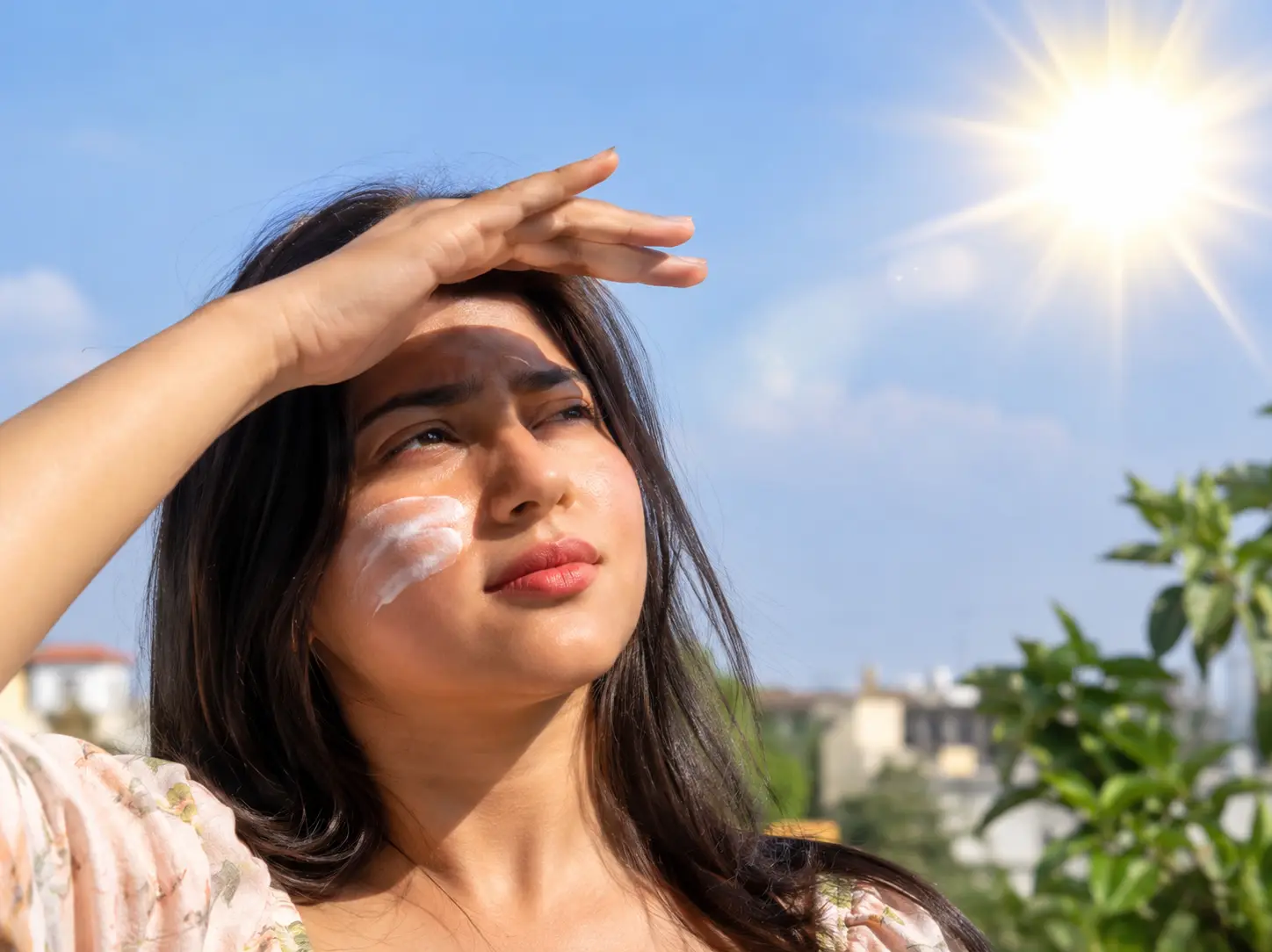)
Why does your skin need protection from UV rays?
)
BRICS Summit: New Delhi declaration adopted with full consensus, big diplomatic win for India
&im=FitAndFill=(700,400))
How 2nm technology improves iPhone performance
How does SCO compare with other blocs?
The SCO is big, but not the largest. The G7 represents about $30 trillion in GDP, while NATO members combined make nearly $36 trillion. The BRICS group, after its expansion, is the largest of all, with an expected $48 trillion, or almost 40% of global GDP. By comparison, the SCO looks smaller, but still powerful enough to be counted as a major bloc.
GDP and GNP: What do the figures show?
GDP measures output inside a country, while GNP tracks the income of its citizens. The differences are small for most SCO states. For example, China’s GNP is $18.9 trillion versus GDP of $19.4 trillion. India’s GNP is $3.6 trillion, slightly lower than its GDP. Iran’s GNP ($421B) is higher than its GDP ($341B), while Kazakhstan’s is lower. These numbers show that while the SCO is large, most of its economic power is still concentrated inside its borders.
