
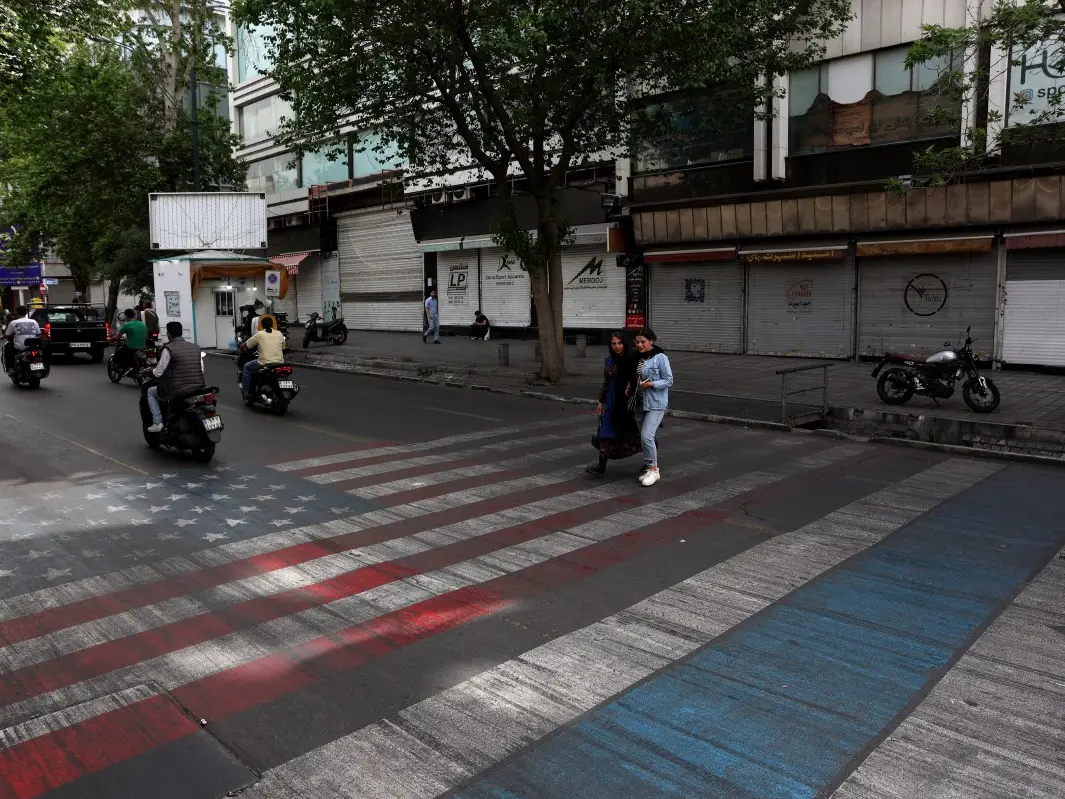
&imwidth=800&imheight=600&format=webp&quality=medium "Saudi Arabia, UAE separately launched retaliatory strikes on Iran amid regional conflict: Report")
Saudi Arabia and the United Arab Emirates reportedly carried out separate strikes on Iran in retaliation for attacks launched against them during the ongoing Middle East conflict, according to two current and one former senior US officials. The reported operations mark the first known direct military action by Saudi Arabia and the UAE against Iran, signaling a major shift in regional dynamics and a more aggressive stance by Gulf monarchies toward Tehran. The officials, who spoke anonymously due to the sensitive nature of the operations, declined to reveal the exact targets or timing of the strikes.
Neither Riyadh nor Abu Dhabi has publicly acknowledged the attacks. Both governments have consistently maintained that they are acting only in self-defense despite hosting American military bases during the conflict. Reuters earlier reported the Saudi operation, while The Wall Street Journal first reported the Emirati strikes. For decades, Saudi Arabia and the UAE have relied heavily on the United States for protection against Iran. However, regional tensions escalated sharply after the United States and Israel launched attacks on Iran on February 28, despite opposition from several Gulf nations.
Iran later responded with thousands of missiles and drone attacks targeting Gulf states that host US military installations. The strikes reportedly caused severe damage to airports, energy facilities, seaports, and hotels across the region, killing at least 19 civilians and disrupting the Gulf’s reputation as a secure business and tourism hub.

The continued attacks are said to have prompted Saudi Arabia and the UAE to launch direct retaliation against Iran. It remains unclear whether either Gulf nation coordinated the strikes with the United States or whether the actions reflect weakening confidence in Washington’s ability to deter Iran.
“Both Saudi Arabia and the UAE understand that they ultimately have to come to their own understandings with Iran,” said Firas Maksad, managing director for the Middle East and North Africa at Eurasia Group. “They realize that the war is unlikely to topple the Iranian government, and any US-Iran deal is unlikely to decisively eliminate the threat that Iran’s ballistic missiles and drones, and support for regional militias, pose to them,” he added. Maintaining leverage while avoiding a wider regional war was a key objective, according to Maksad.
Trending Stories
)
Asian Games 2026: India face Afghanistan in quarterfinal on Sep 28; Pakistan clash with Hong Kong
)
Myanmar training camp case: US national, 6 Ukrainians allowed to meet their families abroad
)
Bigg Boss 20: Salman Khan schools Rhiti Tiwari over Qazi Touqeer clash, compares her to Dolly Bindra
)
Mushtaq Khan dies at 56: When Welcome actor opened up about his salary for iconic role Ballu
)
LPU students go on rampage, vandalise campus amid widespread protest: What's happening
)
'FIRST LOOK from inside Noah’s Ark': Researchers share video from inside mysterious mound in Turkey
)
‘Attack on Mecca a red line for Pakistan’: Shehbaz Sharif warns Houthis at UN
)
Pakistan deploys over 20,000 security personnel as PTI vows march for Imran Khan's release
)
OpenAI AI Agents hacked 4 websites before Hugging Face, researchers reveal
)
'A terrorist country is asking me that question?': Jaishankar hits back at Pakistani journalist at UN; flags attacks on commercial shipping
)
Trump-Xi summit wrap: Big pageantry, Iran talks, few major developments and more meetings planned
)
Did Hitler kill his niece Geli Raubal? Newly found records reopen a 95-year-old mystery
)
Hawaii braces for Hurricane Nolo: NOAA warns of flash flooding and mudslides
)
'What kind of confession is this?': Pakistan PM Shehbaz Sharif’s 'terrorists would be roaming New York' remark goes viral, raises alarm online. Watch
)
US-Iran war: Trump rejects Iran's Hormuz proposal, reports suggest talks expected next week
)
Bollywood x K-pop crossover! LE SSERAFIM’s Kazuha charms fans with Shah Rukh Khan’s ‘Chammak Challo’ steps
)
Gaza's war turned environmental damage into second crisis
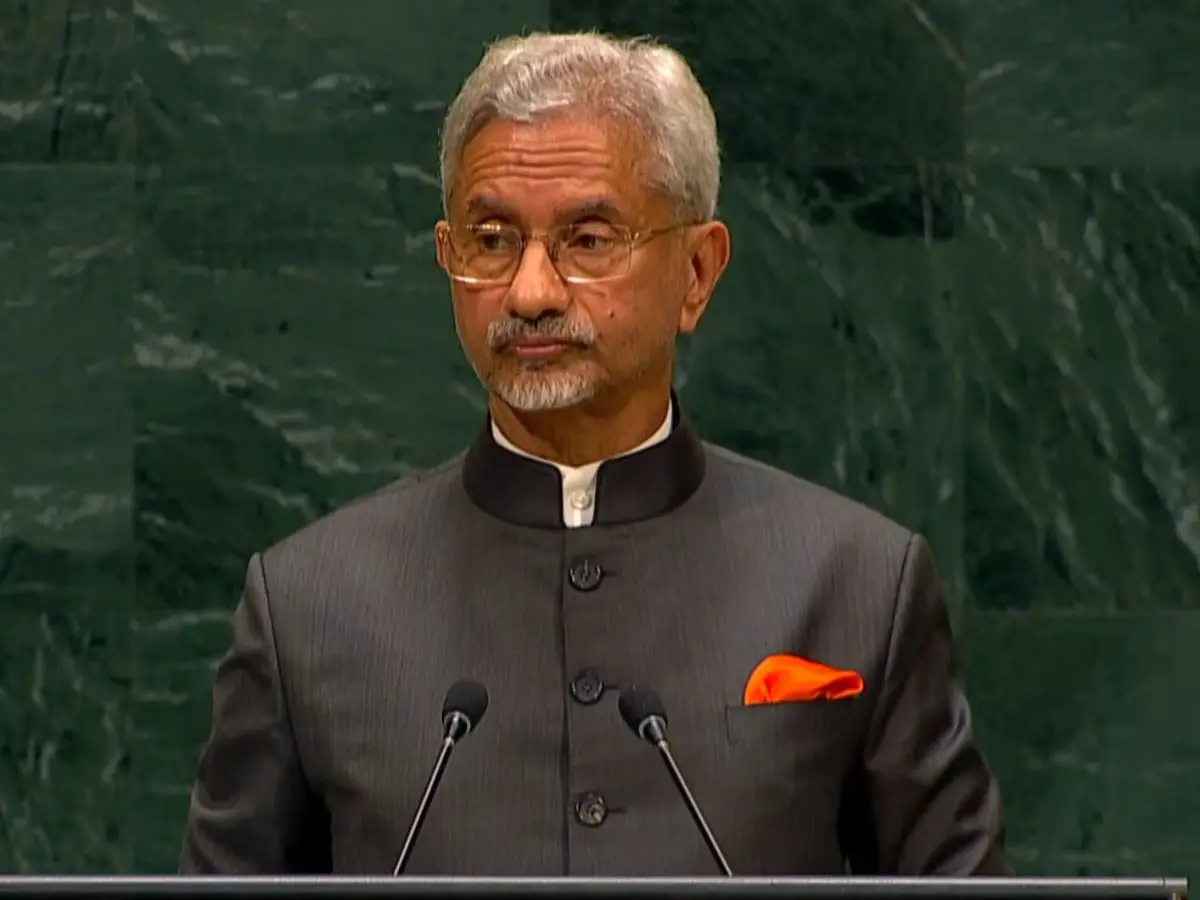)
‘Serial practitioner of terrorism’: Jaishankar calls out Pakistan’s ‘state-sponsored’ terror at UNGA
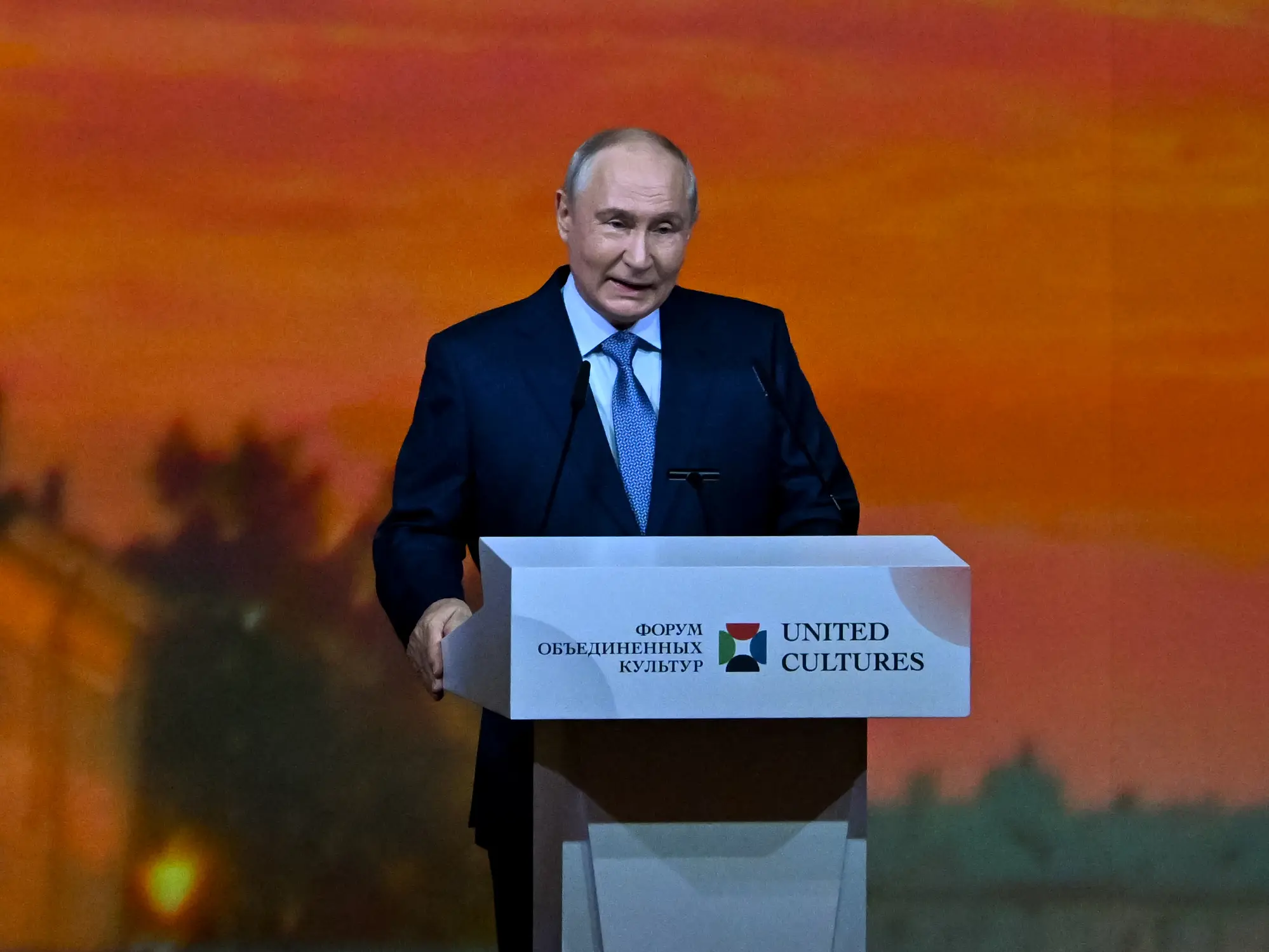)
‘It is all possible’: Putin weighs next steps on Ukraine talks, rules out Europe conflict
)
Prince Harry offers rare glimpse into Archie and Lilibet’s life after UK move
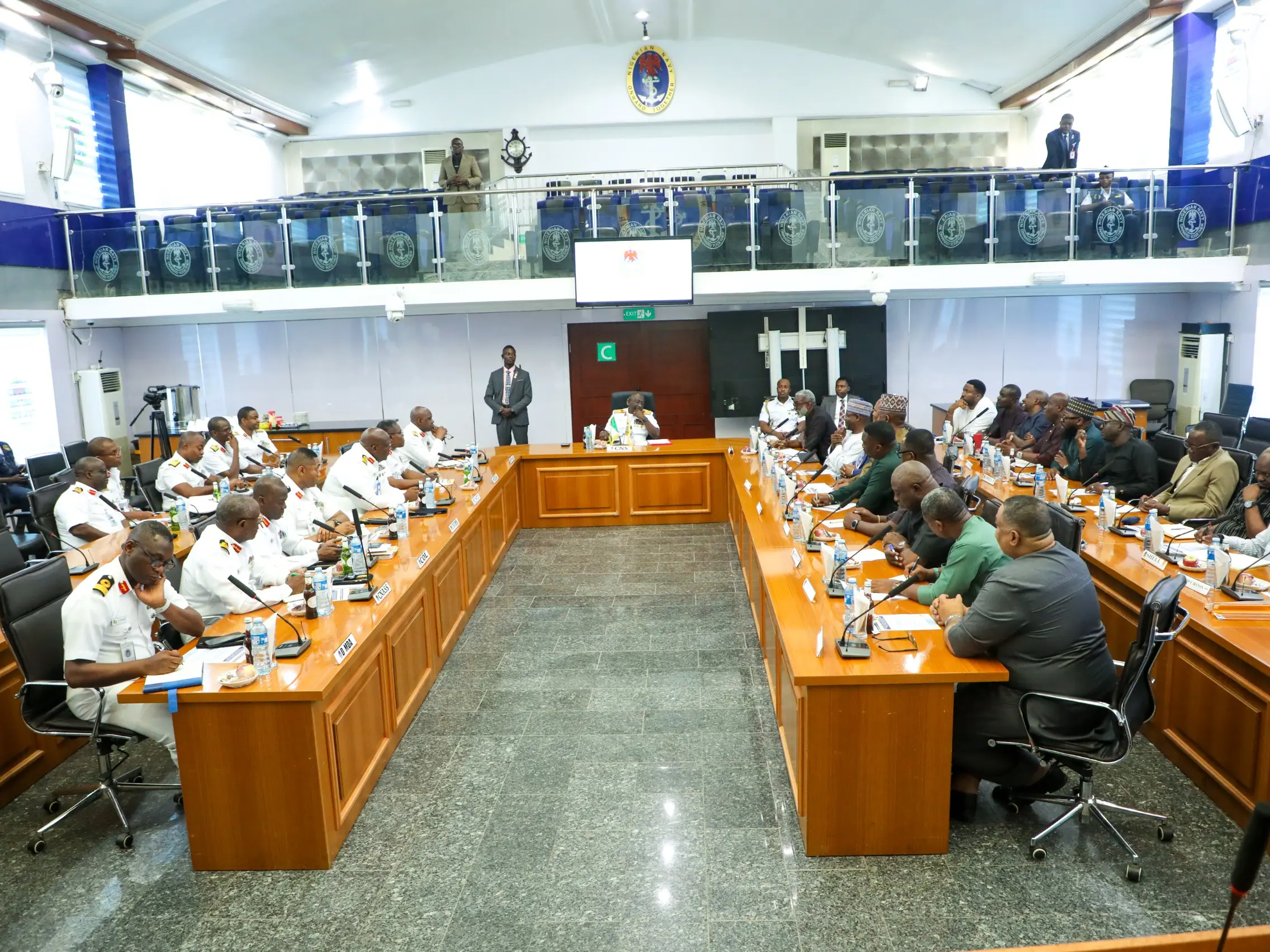)
Nigeria Navy moves to boost oil security, tackle crude theft and infrastructure threats
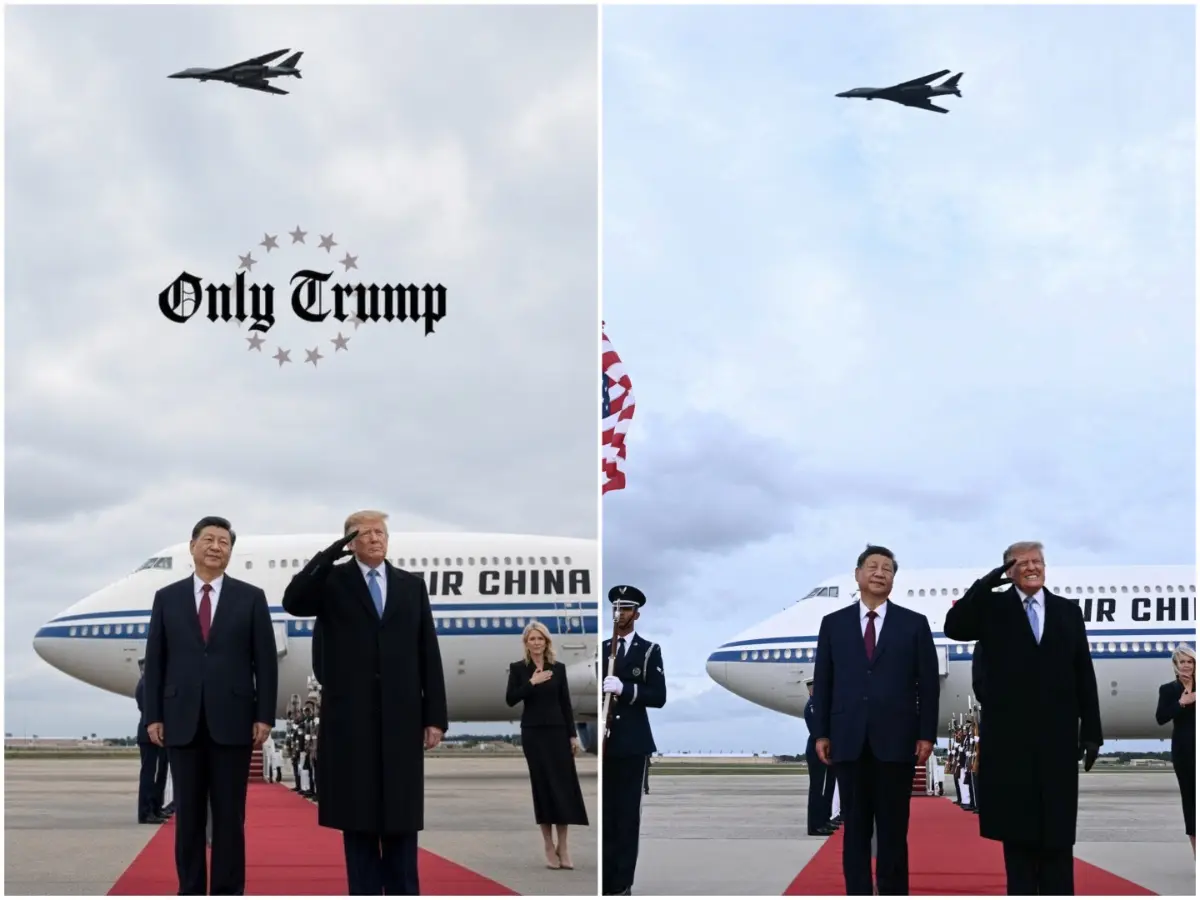)
Donald Trump shares image of Xi's arrival in Washington, carries signs of AI
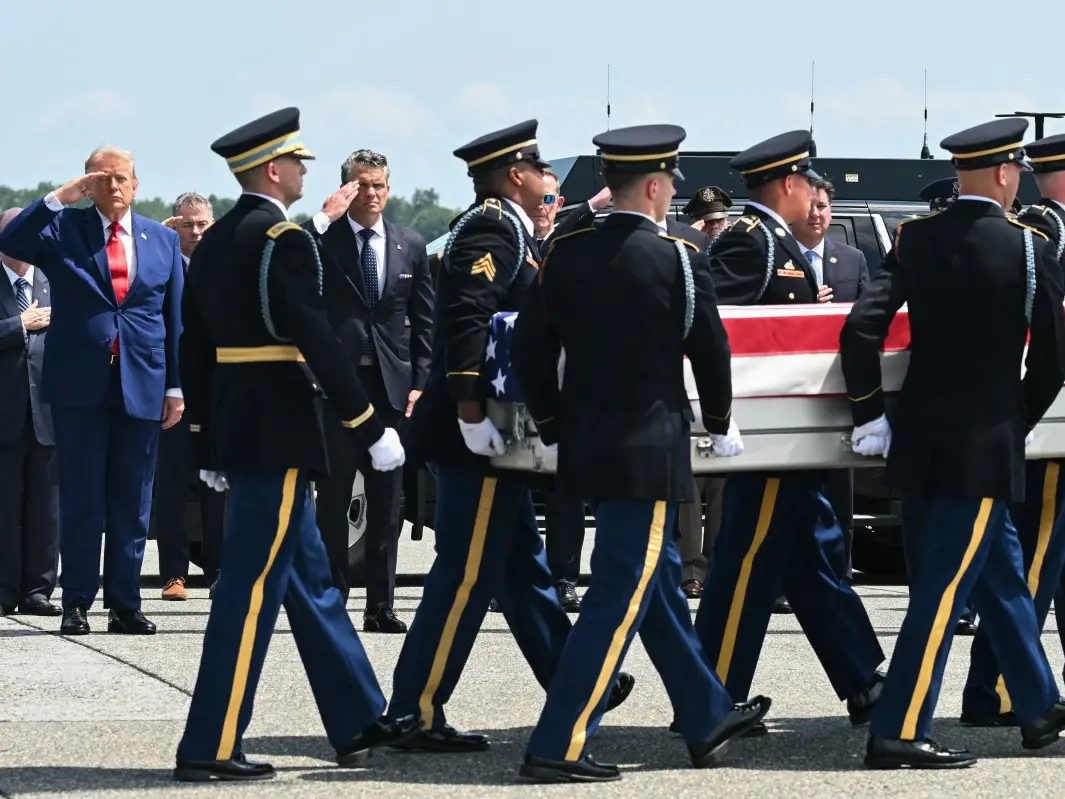)
Pentagon quietly adds 37 wounded troops to Iran war tally without explaining when or how
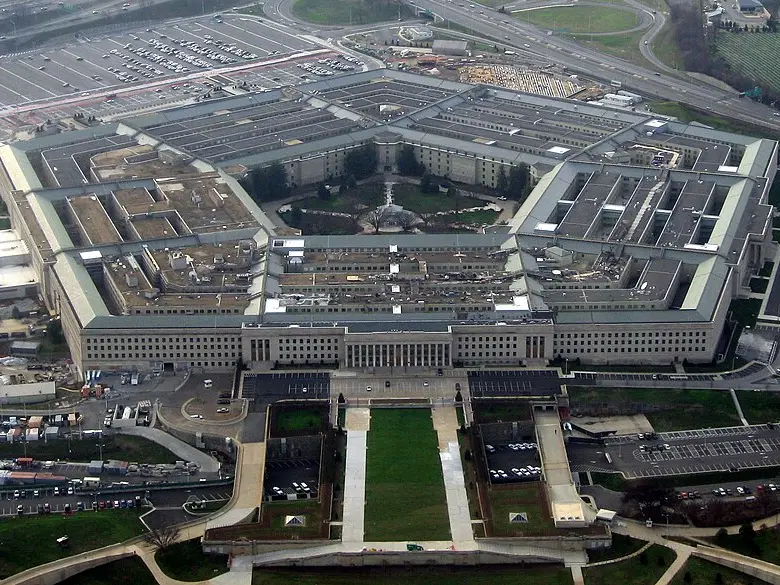)
US court backs Pentagon's decision to exclude Anthropic over Claude AI restrictions
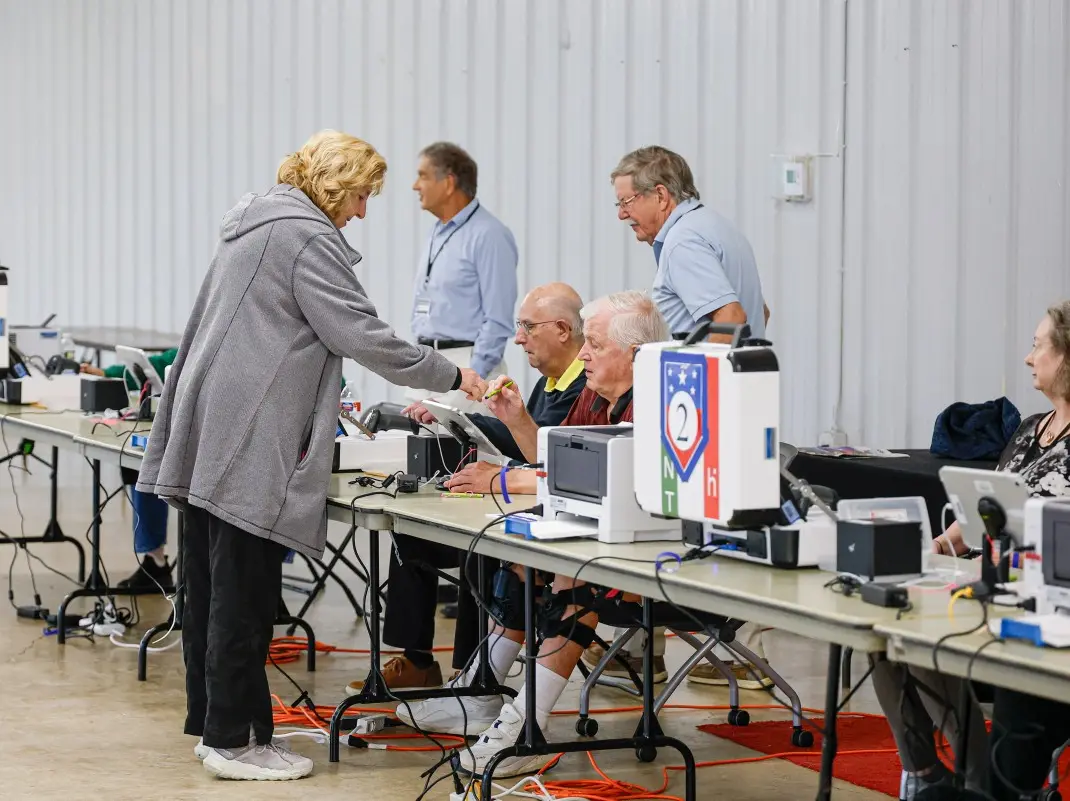)
US Supreme Court backs Trump administration's use of SAVE database to check voter citizenship
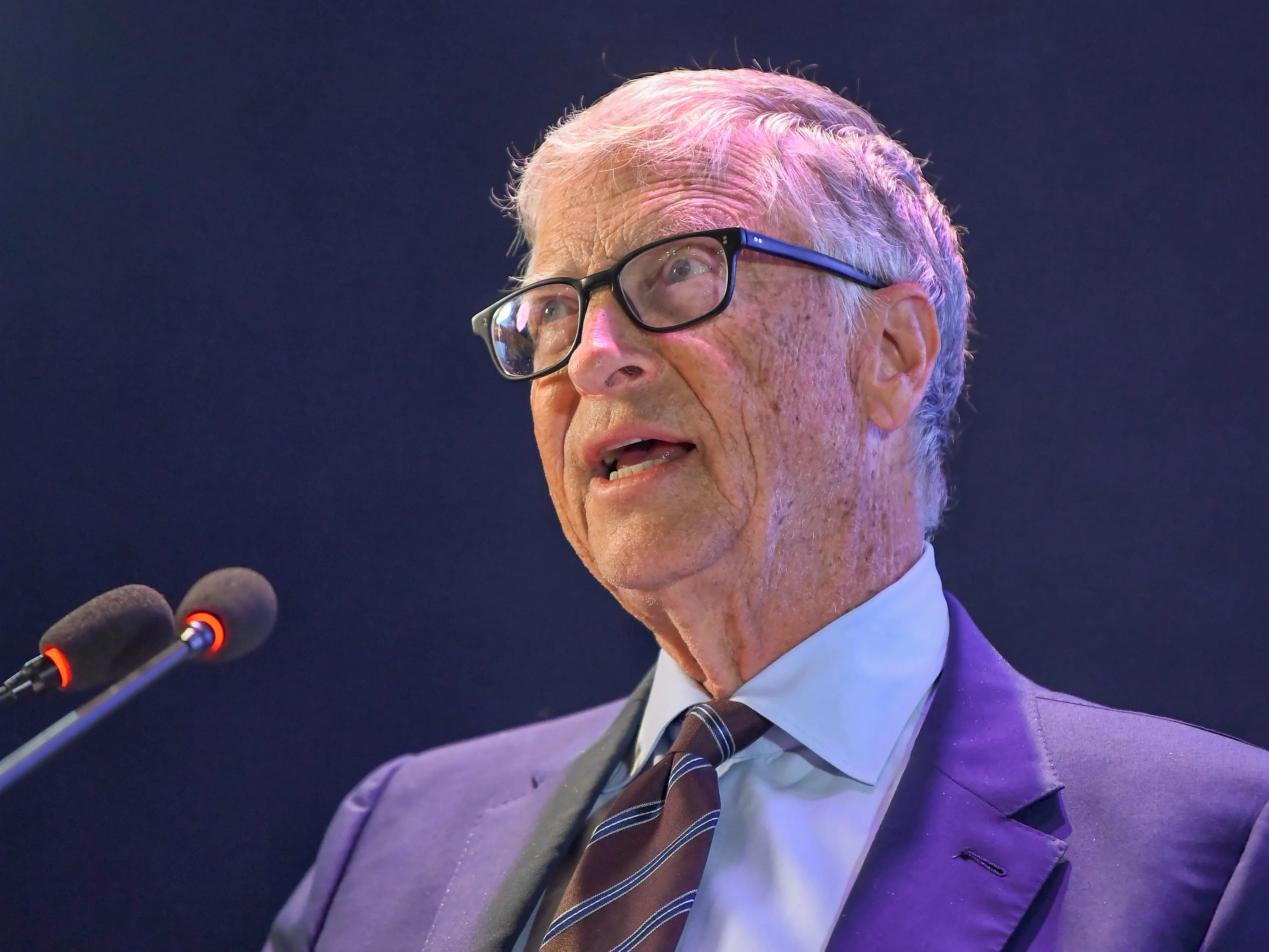)
‘Could kill billions...’: Bill Gates backs calls to slow AI development amid fears of catastrophe
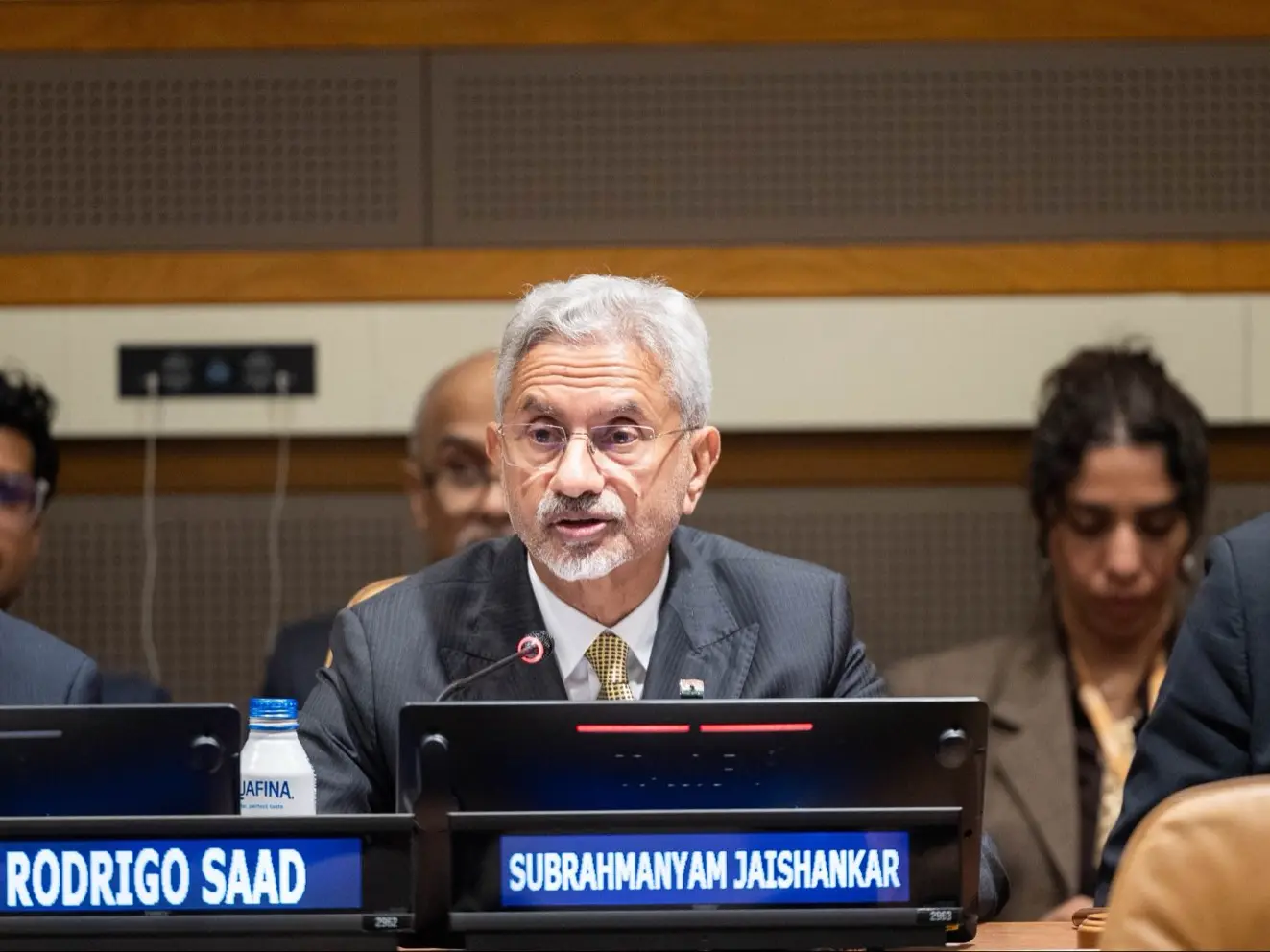)
'Countries far from conflict are penalised': Jaishankar calls for Gulf peace, seafarer safety at UN
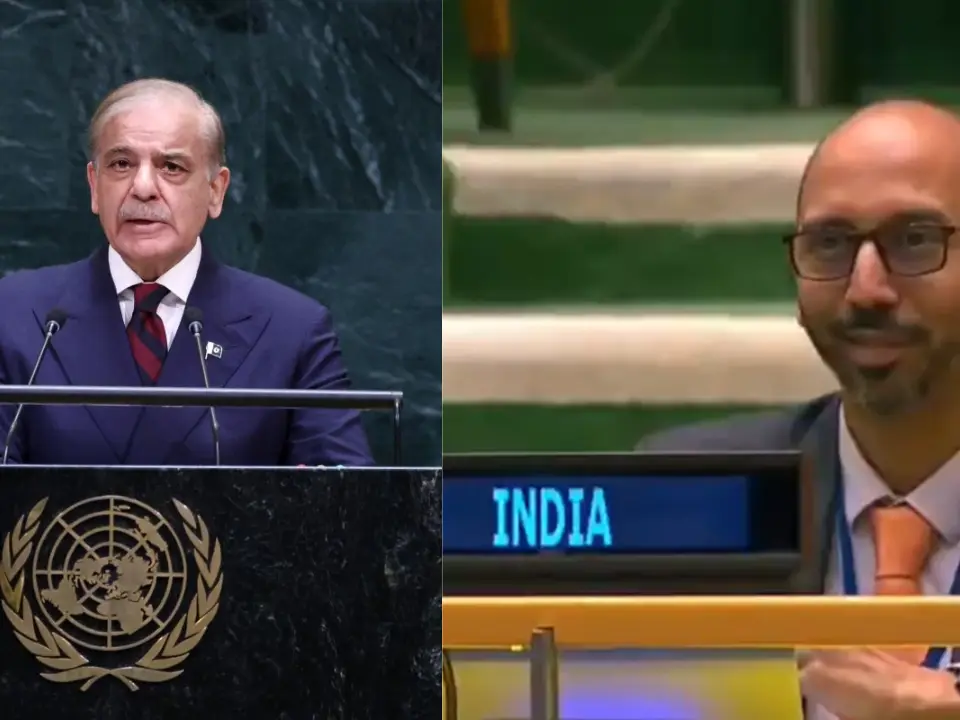)
WATCH | As Shehbaz Sharif claims Pakistan’s ‘victory’ during 2025 conflict, Indian diplomat R Srinivas laughs at UN
)
Outrage erupts after 3-year-old is married to 60-year-old man in Pakistan, link to her sister's murder being probed
&im=FitAndFill=(700,400))
New Friday OTT releases (September 25, 2026): Don’t Be Shy, Hunkkaar: The Roar, Mango Pachcha- 6 movies and TV shows on Netflix, Prime Video and more
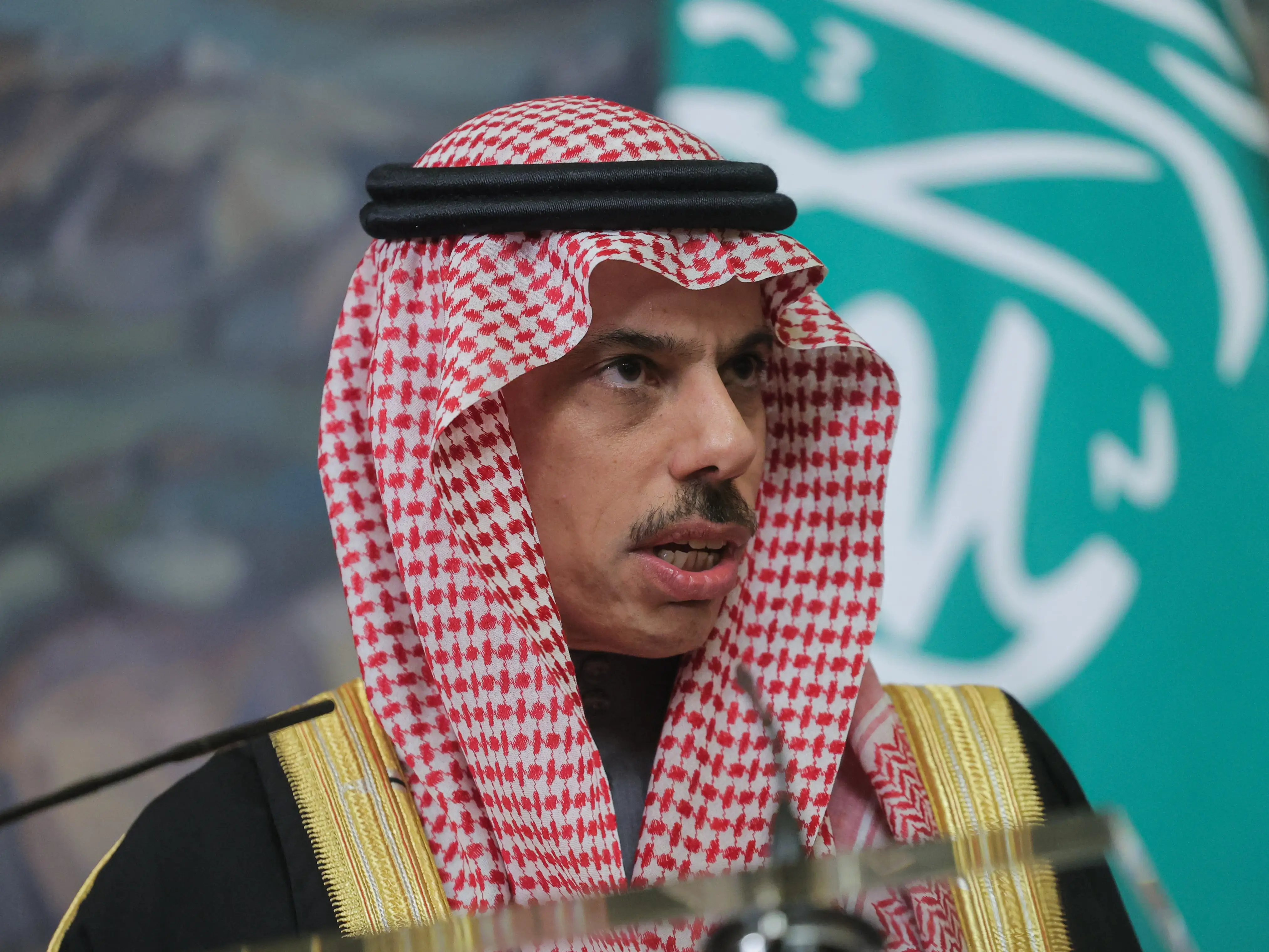)
Global community 'absent' in Gulf crisis: Saudi at UN calls for freedom of navigation, pre war status for Hormuz
)
Farhan, who went viral for AK47 celebration vs India in Asia Cup, hopes to lead Pakistan beyond Asian Games
)
‘I rejected it’: Trump confirms turning down Iran’s proposal to reopen Hormuz, claims Tehran is losing ‘badly’
)
Russia will achieve Ukraine war aims; Europe doing everything to block peace talks: Lavrov at UN
“Their retaliatory strikes were carried out with that reality in mind, but also while calibrating the response so as not to slide into further escalation.” Analysts also believe the military actions may have been intended, at least partly, to strengthen ties with the administration of US President Donald Trump. Trump had earlier hinted at Gulf involvement in anti-Iran operations. In March, he said Crown Prince Mohammed bin Salman was “fighting with us.” Later that month, Trump stated: “Saudi Arabia fought, Qatar fought, UAE fought, Bahrain fought, and Kuwait fought.”
None of those Gulf nations has officially confirmed direct participation in attacks against Iran or whether US operations were launched from their territories. Security experts say regional governments fear that openly joining the conflict could invite more Iranian retaliation and trigger domestic backlash due to widespread anti-Israel sentiment across the Middle East. Still, Saudi and Emirati leaders had previously warned that military action against Iran remained an option.
After ballistic missiles exploded over Riyadh in March, Saudi Foreign Minister Faisal bin Farhan Al Saud warned that the kingdom’s patience was limited. “We will not shy away from protecting our country and our economic resources,” he said. Despite the escalation, Saudi Arabia has continued diplomatic engagement with Iran and supported mediation efforts led by Pakistan between Tehran and Washington.
The UAE, however, has adopted a tougher approach, strengthening defense ties with both the United States and Israel. During the conflict, Israel reportedly transferred Iron Dome missile defense systems to the Emirates to help intercept Iranian attacks. On Thursday, Iranian Foreign Minister Abbas Araghchi directly accused the UAE of taking part in hostile operations against Tehran. “They participated in these attacks and may even have acted directly against us,” he said, according to Iran’s semiofficial Fars news agency.
Disclaimer: WION takes utmost care to accurately and responsibly report ongoing conflicts in West Asia involving Israel, Iran, the US, Gulf nations, and non-state actors like Hezbollah, Hamas, Houthis, Islamic State, and others. Claims and counterclaims, disinformation and misinformation are being made online and offline. Given this context, WION cannot independently verify the authenticity of all statements, social media posts, photos, and videos.

