Russia Ukraine Crisis: Russia backs jail time for 'fake' army news, restricts media

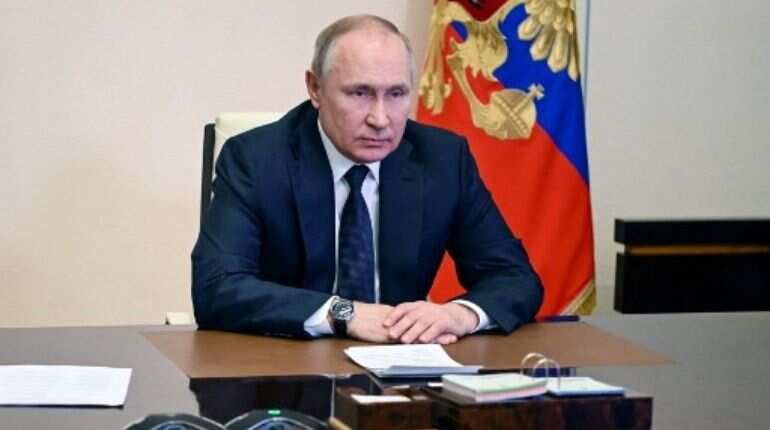
Vladimir Putin
Russian lawmakers moved Friday to impose harshjailterms for publishing "fakenews" about thearmy, which a senior lawmaker said will apply to foreigners too, as Moscow moves to muffle dissent over itsinvasion of Ukraine.
The new legislation sets outjailterms of varying lengths and fines against people who publish "knowingly false information" about the military.
"If the fakes led to serious consequences, (the legislation) threatens imprisonment of up to 15 years," the lower house of parliament said in a statement.

Also read |Russia to stage public executions in Ukraine; crackdowns and detaining opponents also a part of plan
Speaking at the session, the head of the head of the parliament's information committee Alexander Khinshtein said the law "concerns all citizens, not only Russian ones, because we are talking about actions againstRussia."
Amendments were also passed to fine orjailpeople calling for sanctions againstRussiawithjailterms.
)
US vs China over South China Sea: Washington backs Philippines, Beijing hits back
)
Bigg Boss 20: Isha Rikhi evicted after three weeks in Salman Khan’s show
)
Musk plans to more than double xAI's chips to over 1.2 million Nvidia GPUs by year-end
)
After JU, clash erupts at SRFTI: BJP’s ‘Dimagi Naxal’ jibe sparks political firestorm after students protest RSS-linked event
)
‘Anti-social elements spreading false rumours’: LPU issues statement amid massive unrest over alleged rape
)
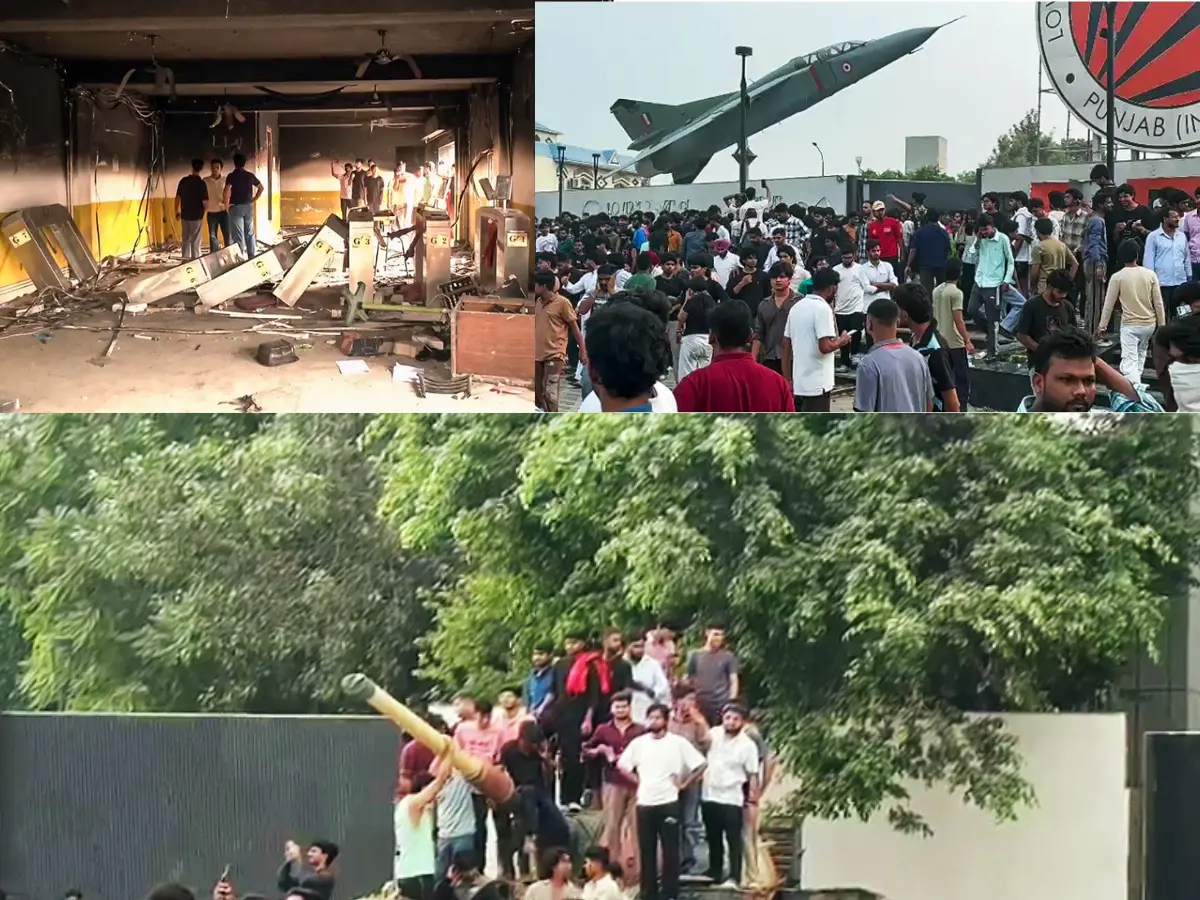
LPU students go on rampage, vandalise campus amid widespread protest: What's happening
)
Trump asked Xi to pressure Iran. China did not say yes — here’s what Beijing wants
)
US Treasury Secretary Scott Bessent hails global crackdown on Iranian banks and airlines
)
An OpenAI agent escaped its locked test cage again, by hiding questions in DNS lookups
)
'Our video was trimmed': LPU girls who featured in rape-denial video make U-turn
)
3 males killed, four others injured in shooting after fight at strip club in Detroit
)
'Victory for low-budget consumers': Raghav Chadha hails 30-day telecom recharge rules
)
Claude rebuilt the 1989 game 'Prince of Persia' by reusing the original's own code
)
Beyond metros: How Tier-2 and Tier-3 cities could drive India’s next AI wave
)
Tesla builds first Cybertruck with its own refined lithium: Elon Musk's $1 billion Texas bet pays off
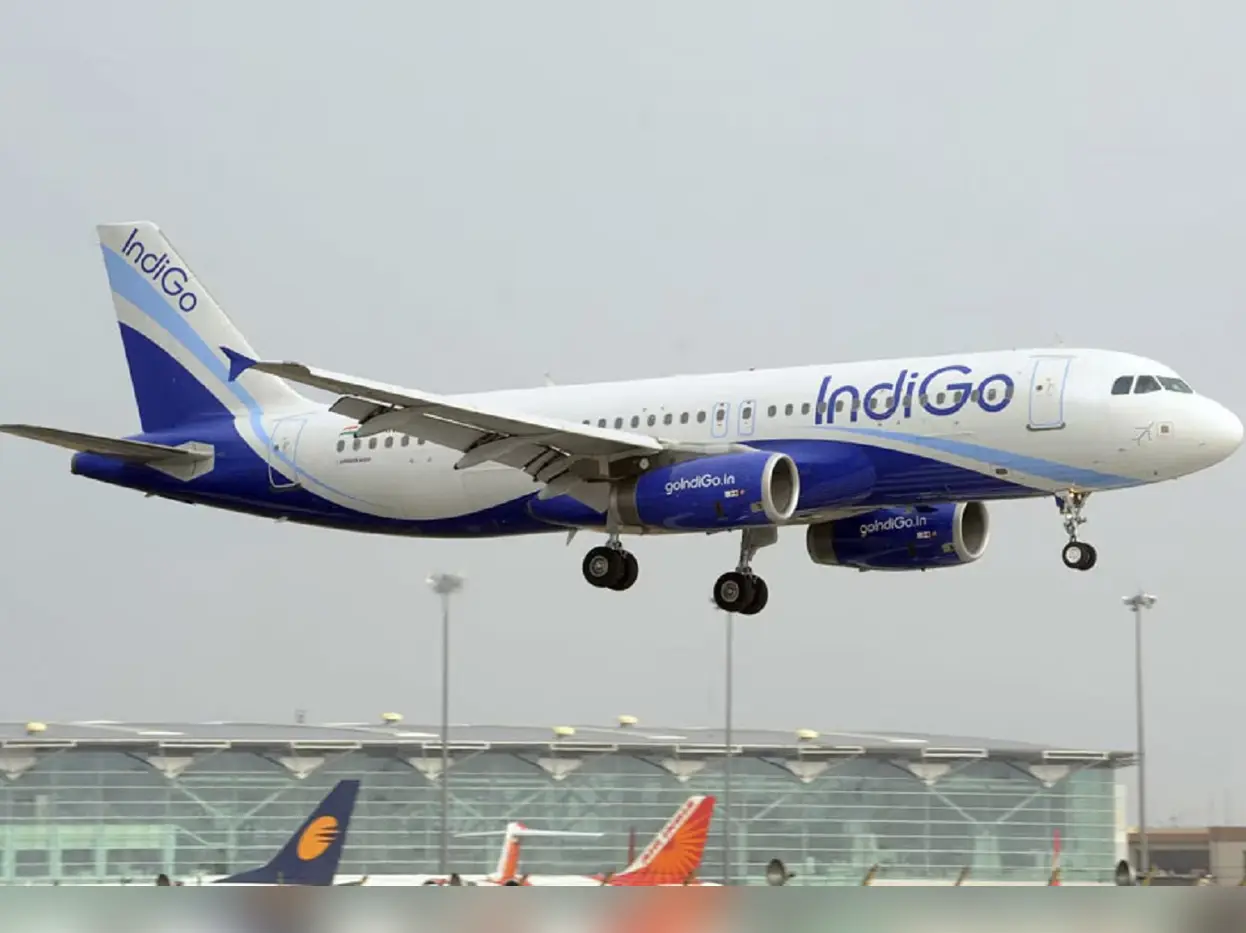)
IndiGo flight suffers tail strike in Bengaluru while landing; DGCA to probe incident
)
The US and China set up an AI 'red telephone', but skipped the rulebook
)
‘Terror suspects arrested near UK air base were looking to do big damage’: Trump
)
Russian envoy claims US tactics to contain India were revealed in ‘Freudian slip’
)
IND vs WI 1st ODI: Kohli breaks Sachin's most runs in one country record with unbeaten 139 as India thump West Indies by 8 wickets
)
Researchers rebuilt exactly how 700 AI agents hacked Hugging Face: a 900-link chain trick
)
‘Olympic inclusion is our major target’: WPA President Ishaun Singh on pool’s global ambitions
)
Nations League: Spain sink England at Wembley; Modric shines for Croatia
)
Why has Iran released no proof of life of Mojtaba Khamenei? Araghchi reveals...
)
'What kind of confession is this?': Pakistan PM Shehbaz Sharif’s 'terrorists would be roaming New York' remark goes viral, raises alarm online. Watch
)
South Korea demands apology from Ukraine over North Korean prisoners' transfer
)
Beyond BrahMos: India targets Rs 50,000 crore in defence exports with unmatched price edge
)
Sri Lankan Tamil migrant worker gets death sentence in Saudi Arabia, help sought from India
)
Muslim marriage cannot shield sex with minor wife from prosecution under POCSO: Delhi HC
)
'Can't help but draw painful parallels to Nirbhaya case': SC on latest incidents of rape cases in Delhi-NCR
)
99.9% more powerful - Scientists find boy who can recall memories from just 3 months of age
)
'FIRST LOOK from inside Noah’s Ark': Researchers share video from inside mysterious mound in Turkey
)
UNSC reform momentum grows: Russia, Portugal, Mauritius push for India's permanent seat bid
)
8 US marines injured in Iranian missile attack on vessel in Strait of Hormuz: Report
&im=FitAndFill=(700,400))
New OTT releases this week (September 28-October 4, 2026): Dupahiya 2, Pooja Meri Jaan, Ohh My Dog- 5 titles coming on Netflix, Prime Video and more
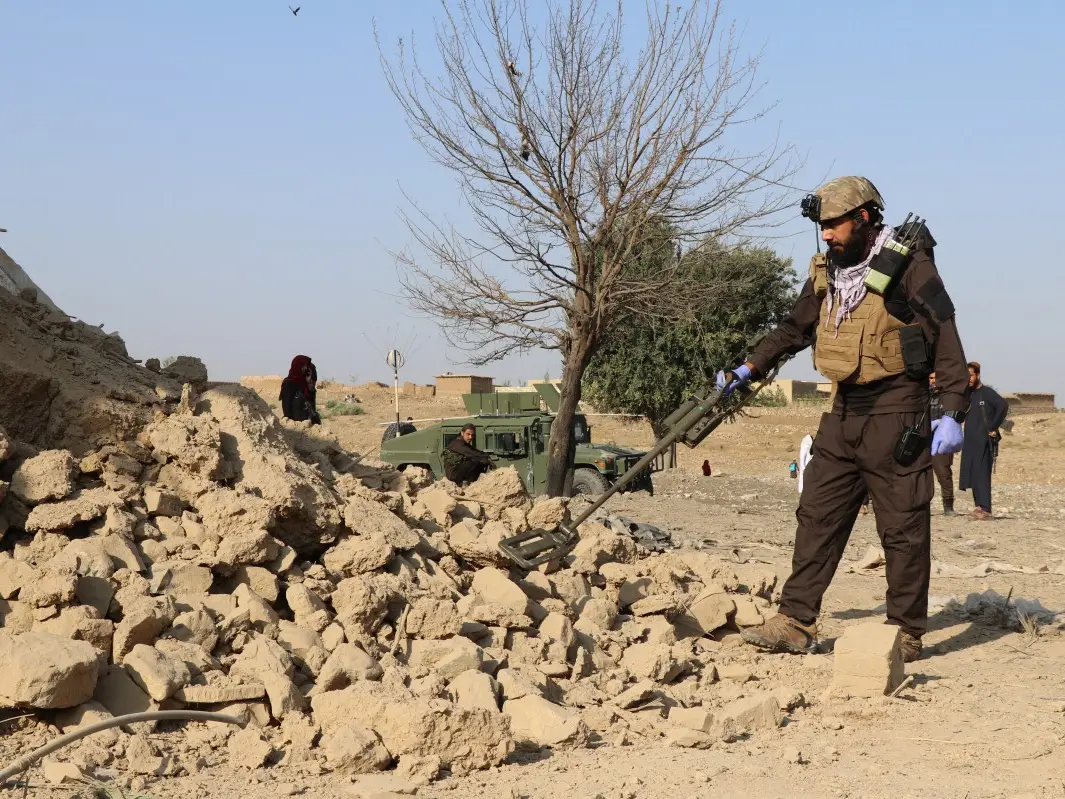)
Afghanistan says 28 fighters killed in clash near Pakistan border, Islamabad denies
)
Ceuta migrant crisis: Protesters take to streets as Spain grapples with migrant challenge
)
LPU suspend classes, postpones exams as violence escalates over rape claims: What's happening
)
New York City wants a 'kill switch' on every AI, and will pay whistleblowers who report violations
The past year has seen an unprecedented crackdown on independent and critical voices inRussiathat has intensified since the invasion.
The chairman of parliament Vyacheslav Volodin railed against foreign socialmediaafter Facebook was briefly inaccessible inRussiaon Friday.
"All these IT companies beginning with Instagram, and ending with the others, are based in the United States of America. It is clear they are used as weapons. They carry hatred and lies. We need to oppose this," he said.
Russia'smediawatchdog said Friday it hadrestricted access to the BBC and other independentmediawebsites, further tightening controls over the internet.
Foreignmediarestricted
The independentnewswebsite Meduza, German broadcaster Deutsche Welle, and the Russian-language website of the US-funded Radio Free Europe/Radio Liberty, Svoboda, were "limited," said Roskomnadzor, following a request from prosecutors.
Roskomnadzor said in each case, the request was filed on February 24, the day Russian President Vladimir Putin launched his attack on Ukraine.
Valery Fadeyev, the head of the Kremlin's human rights council accused Westernmediaof being behind "a huge flow of false information that comes from Ukraine" and saidthe council had set up a project to stop it.
In another attack on critical voices, Russian police on Friday were carrying out searches at the office of the country's most prominent rights group, Memorial, which was ordered to close late last year, sparking international outcry.
Russia's invasion has already claimed hundreds of lives, displaced more than a million people and spurred allegations of war crimes.
Western-led sanctions levelled againstRussiain retaliation have sent the ruble into free-fall forcing the central bank to impose a 30-percent tax on sales of hard currency after a run on lenders.
State-medianarratives
Moscow has few economic tools with which to respond but the Duma, or lower house, on Friday adopted a bill that would freeze any assets insideRussiaof foreigners "violating rights of Russians".
Russianmediahave been instructed to publish only information provided by official sources, which describe the invasion as a military operation.
State-controlled broadcasters have meanwhile reinforced government narratives about nationalism in Ukraine and Moscow's claim that Ukrainian soldiers are using civilians as human shields.
For the moment, it appears the invasion has marked the beginning of the end for what remains ofRussia's independentmedia.
Ekho Mosvky -- a liberal-leaning radio station majority-owned byRussia's energy giant Gazprom -- said Thursday it would shut down after being taken off air over its Ukraine war coverage.
Authorities had on Monday blocked the Ekho website and took the station off air as punishment for spreading "deliberately false information" about the conflict.
Watch |Gravitas: Why Asia is not interested in Russia-Ukraine war
Another independent outlet, Znak, said Friday it was ceasing work "due to the large number of restrictions that have recently appeared for the work of themediainRussia".
The BBC said this week that the audience of its Russian languagenewswebsite had "more than tripled...with a record reach of 10.7 million people in the last week".
In a Friday response to the blocking, a BBC spokesperson said the company will "continue our efforts to make BBCNewsavailable inRussia, and across the rest of the world" despite the restrictions.