Russia rules out extending Easter truce without Ukraine agreeing to its demands

&imwidth=600&imheight=450&format=webp&quality=medium "Russia rules out extending Easter truce without Ukraine agreeing to its demands")
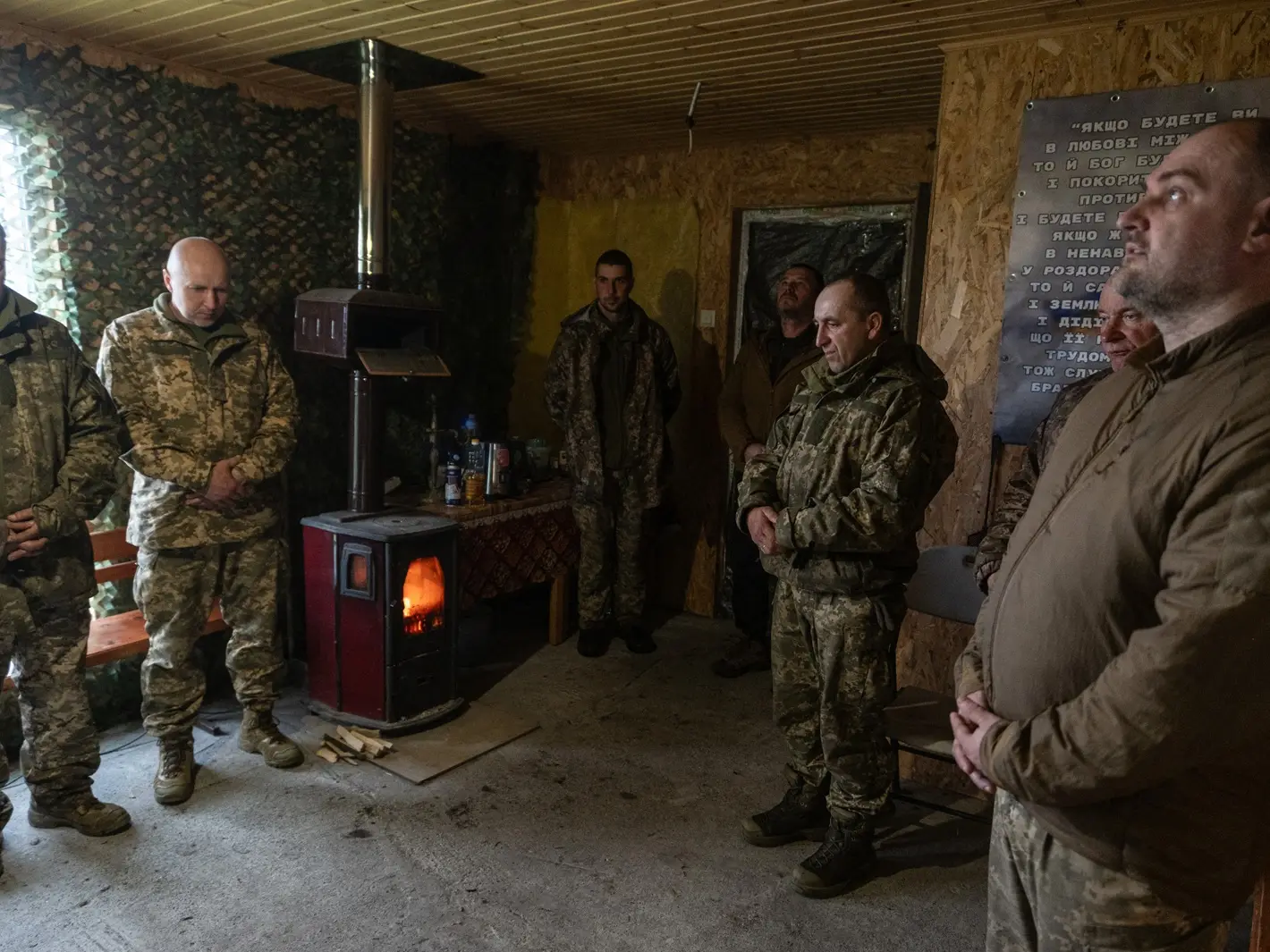
In this handout photograph taken on April 10, 2026 and released on April 11, 2026 by the press service of the 93rd Kholodnyi Yar Separate Mechanized Brigade of the Ukrainian Ground Forces, Ukrainian servicemen attend a religious service in a room turned into a church at an undisclosed location near Sloviansk, Donetsk region.
This hardline stance follows a fragile period of a limited ceasefire that was due to expire at the end of Sunday. While President Zelensky initially proposed the truce and Vladimir Putin later ordered it as a "humanitarian" gesture, it was marred by immediate reports of violations.
The Kremlin announced Sunday (April 12) that Russia will not extend the 32-hour Orthodox Easter truce with Ukraine unless President Volodymyr Zelensky yields to its long-standing demands, signalling a return to full-scale hostilities.
"Sustainable peace can come when we secure our interests and achieve the goals we set from the very start. This can be done literally today. But Zelensky must accept these well-known solutions," Kremlin spokesman Dmitry Peskov said, according to Russian news agencies.
"Until Zelensky musters the courage to assume this responsibility, the special military operation will continue after the truce expires," Peskov added, referring to the war in Ukraine.
This hardline stance follows a fragile period of a limited ceasefire that was due to expire at the end of Sunday. While President Zelensky initially proposed the truce and Vladimir Putin later ordered it as a "humanitarian" gesture, it was marred by immediate reports of violations.
Kyiv accused Russian forces of continuing drone strikes in several regions shortly after the ceasefire began Saturday afternoon, while Moscow countered with its own claims of nearly 2,000 Ukrainian violations.
Trending Stories
&im=FitAndFill=(700,400)&imwidth=280&imheight=210&format=webp&quality=medium)
&imwidth=280&imheight=210&format=webp&quality=medium)
&imwidth=280&imheight=210&format=webp&quality=medium)
&imwidth=280&imheight=210&format=webp&quality=medium)
&imwidth=280&imheight=210&format=webp&quality=medium)
&imwidth=280&imheight=210&format=webp&quality=medium)
&imwidth=280&imheight=210&format=webp&quality=medium)
&imwidth=280&imheight=210&format=webp&quality=medium)
&imwidth=280&imheight=210&format=webp&quality=medium)
&imwidth=280&imheight=210&format=webp&quality=medium)
&imwidth=280&imheight=210&format=webp&quality=medium)
&imwidth=280&imheight=210&format=webp&quality=medium)
&imwidth=280&imheight=210&format=webp&quality=medium)
&imwidth=280&imheight=210&format=webp&quality=medium)
&imwidth=280&imheight=210&format=webp&quality=medium)
&imwidth=280&imheight=210&format=webp&quality=medium)
&imwidth=280&imheight=210&format=webp&quality=medium)
&imwidth=280&imheight=210&format=webp&quality=medium)
&im=FitAndFill=(700,400)&imwidth=280&imheight=210&format=webp&quality=medium)
&imwidth=280&imheight=210&format=webp&quality=medium)
&imwidth=280&imheight=210&format=webp&quality=medium)
&imwidth=280&imheight=210&format=webp&quality=medium)
&imwidth=280&imheight=210&format=webp&quality=medium)
&imwidth=280&imheight=210&format=webp&quality=medium)
&imwidth=280&imheight=210&format=webp&quality=medium)
&imwidth=280&imheight=210&format=webp&quality=medium)
&im=FitAndFill=(700,400)&imwidth=280&imheight=210&format=webp&quality=medium)
&imwidth=280&imheight=210&format=webp&quality=medium)
&imwidth=280&imheight=210&format=webp&quality=medium)
&imwidth=280&imheight=210&format=webp&quality=medium)
&imwidth=280&imheight=210&format=webp&quality=medium)
Despite the tension, the two nations successfully conducted a significant exchange of 175 prisoners of war each on Saturday, a rare moment of cooperation mediated by the United Arab Emirates.
As the religious holiday concludes, the refusal to extend the pause suggests a grim outlook for diplomatic breakthroughs, with both sides reporting the commitment of strategic reserves to the front lines.
The war between Russia and Ukraine entered its fifth year, with negotiations involving US officials and delegations from both nations continuing despite a battlefield deadlock.
American-led talks in Geneva have struggled to find common ground, as Moscow demands territorial concessions that Kyiv rejects. These efforts are further complicated by the 2026 West Asia conflict, which has diverted global diplomatic focus and bolstered Russia's economy through rising energy prices.