&imwidth=800&imheight=600&format=webp&quality=medium "Putin India visit: How India–Russia civil nuclear cooperation stood the test of time in spite of global headwinds")
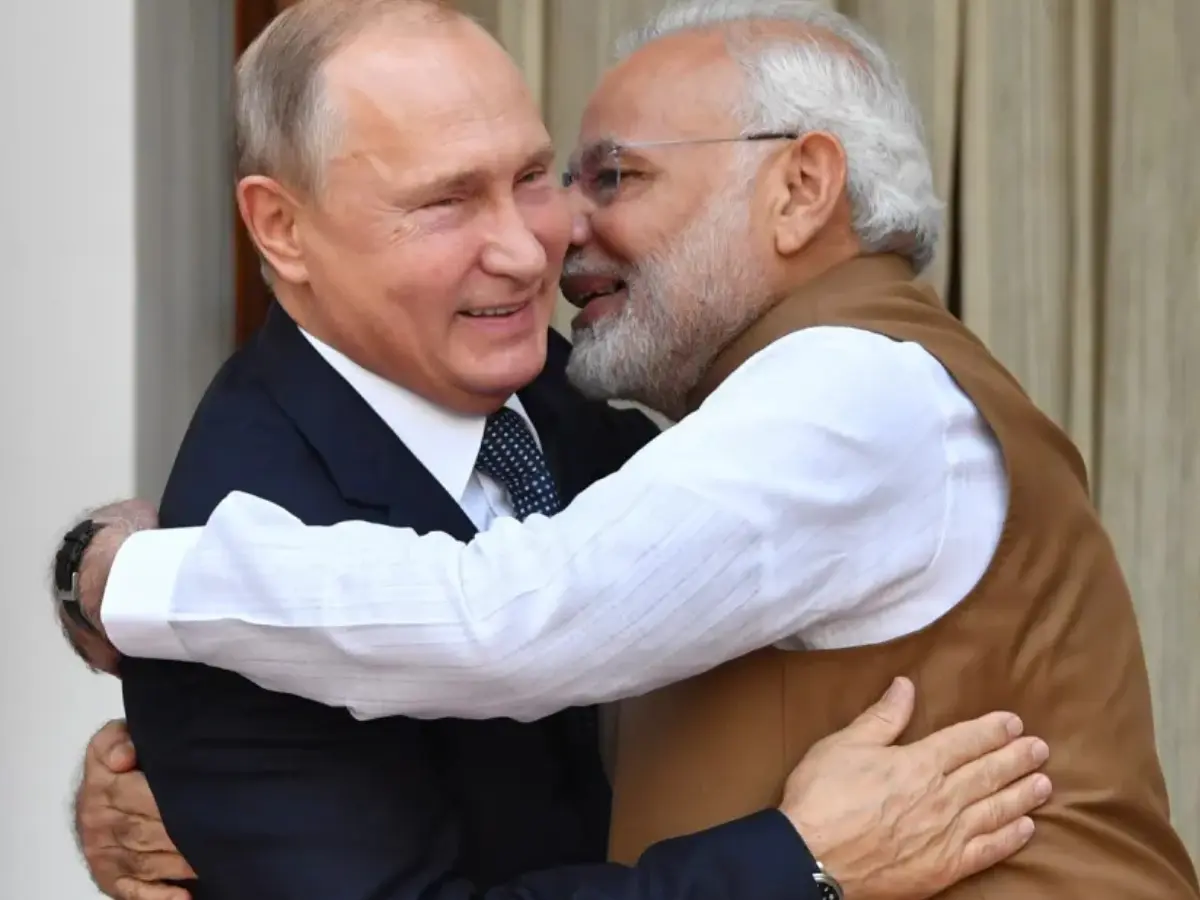
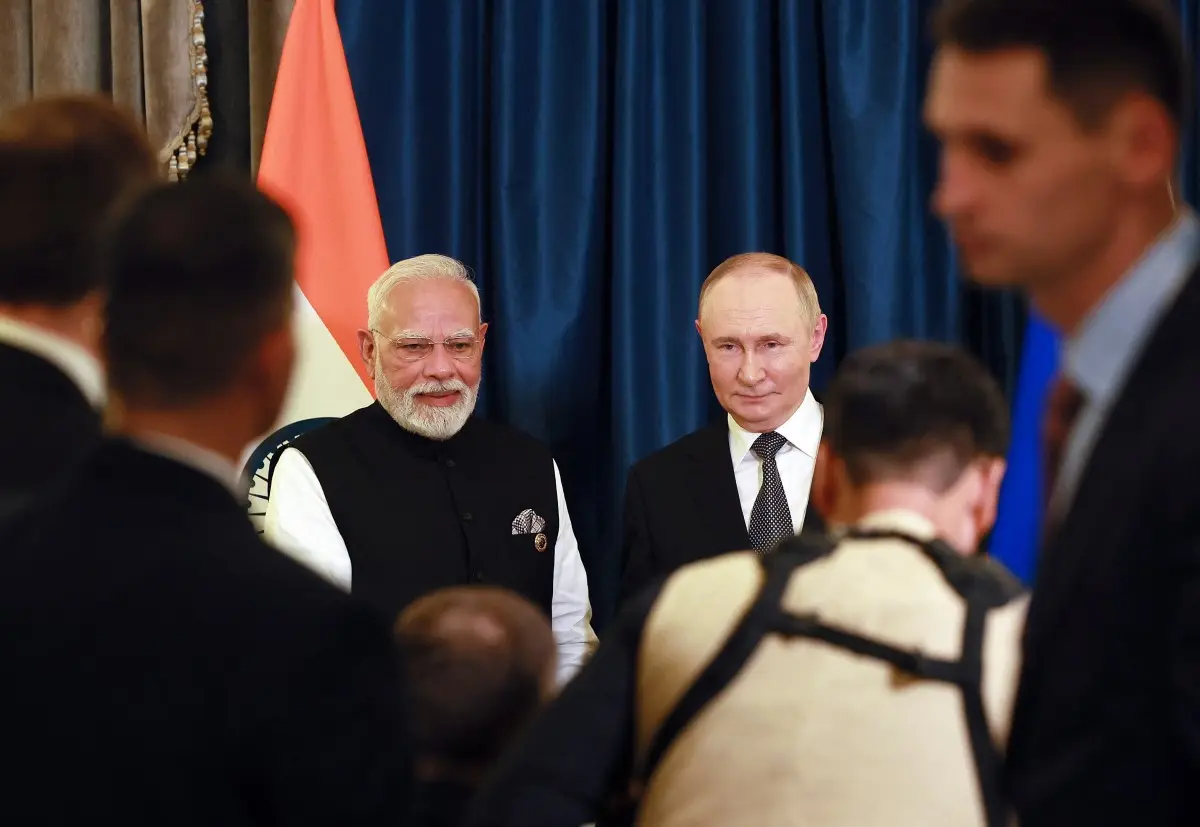
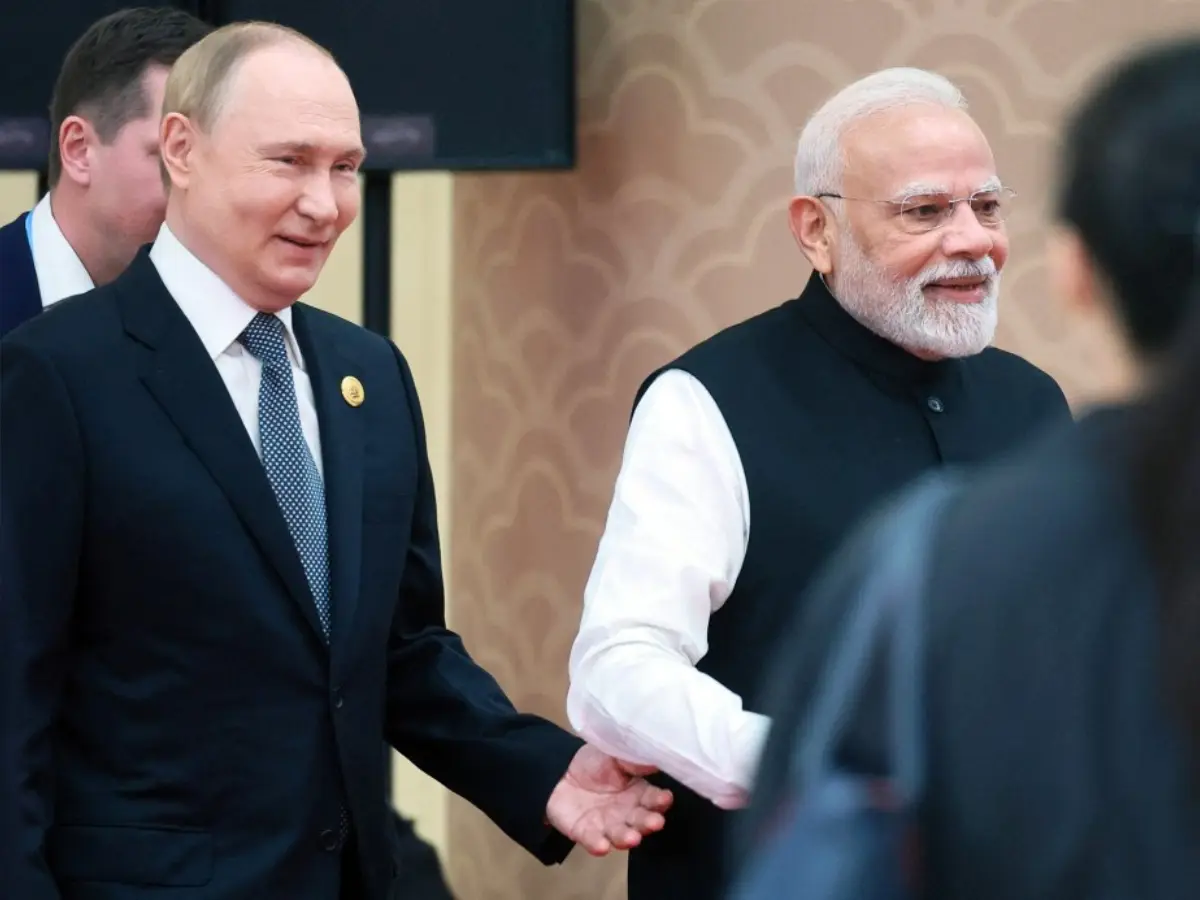
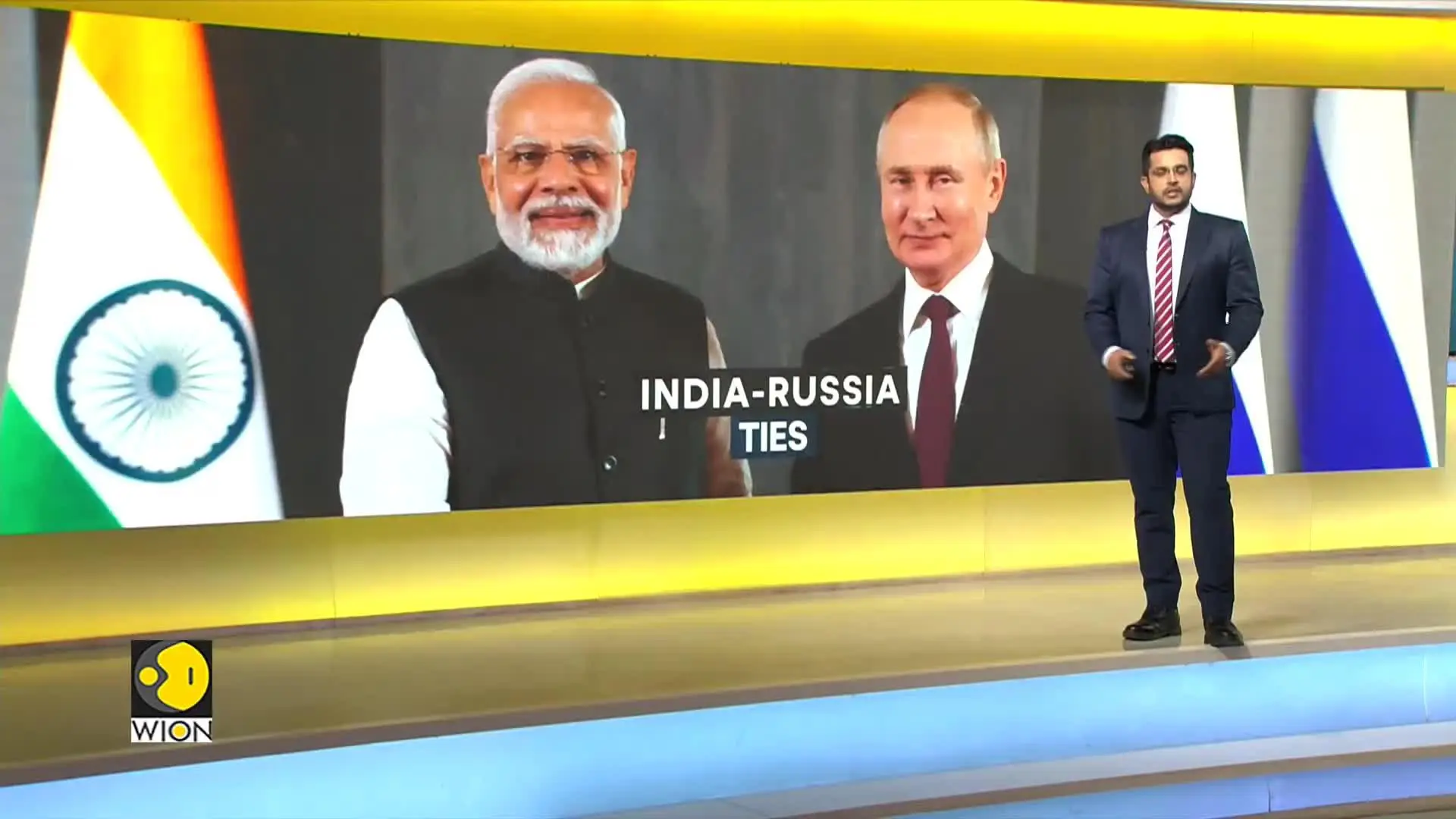
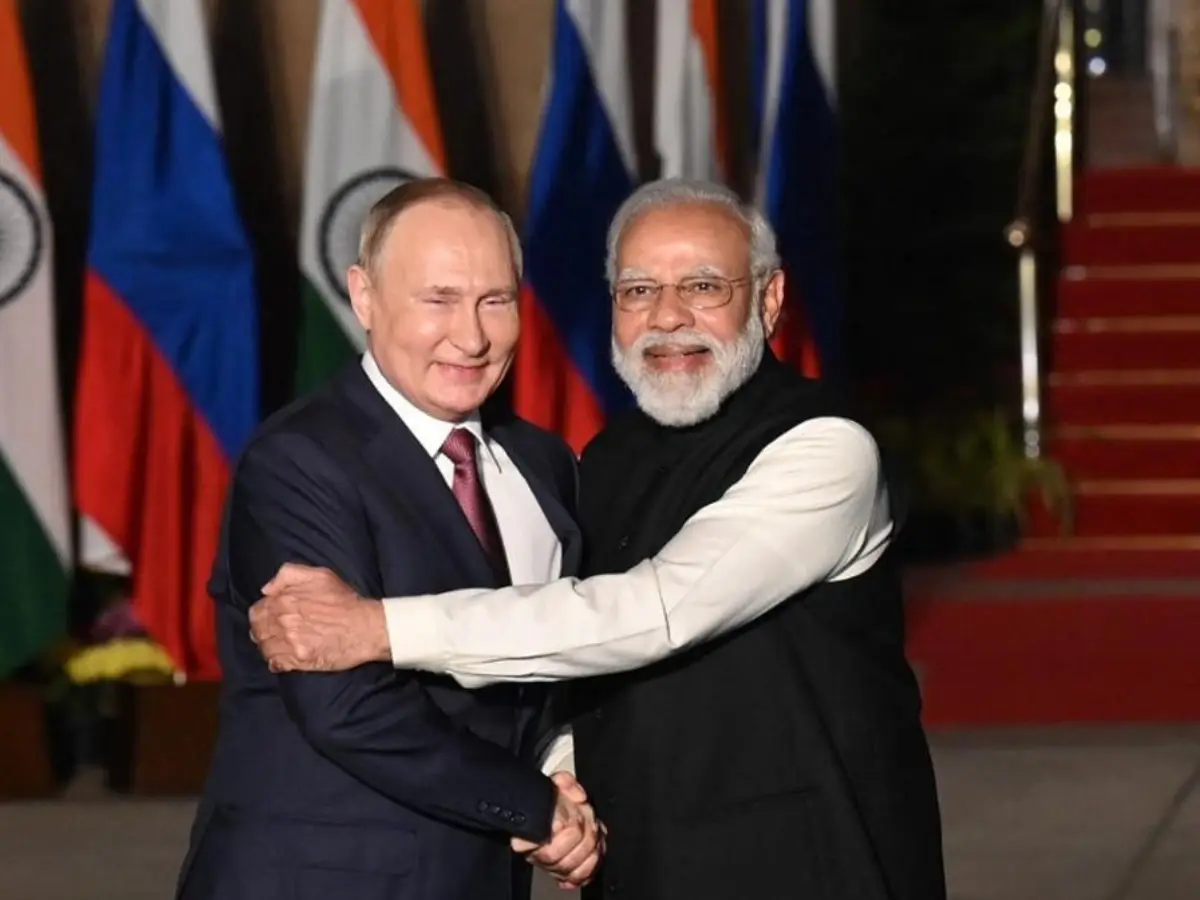
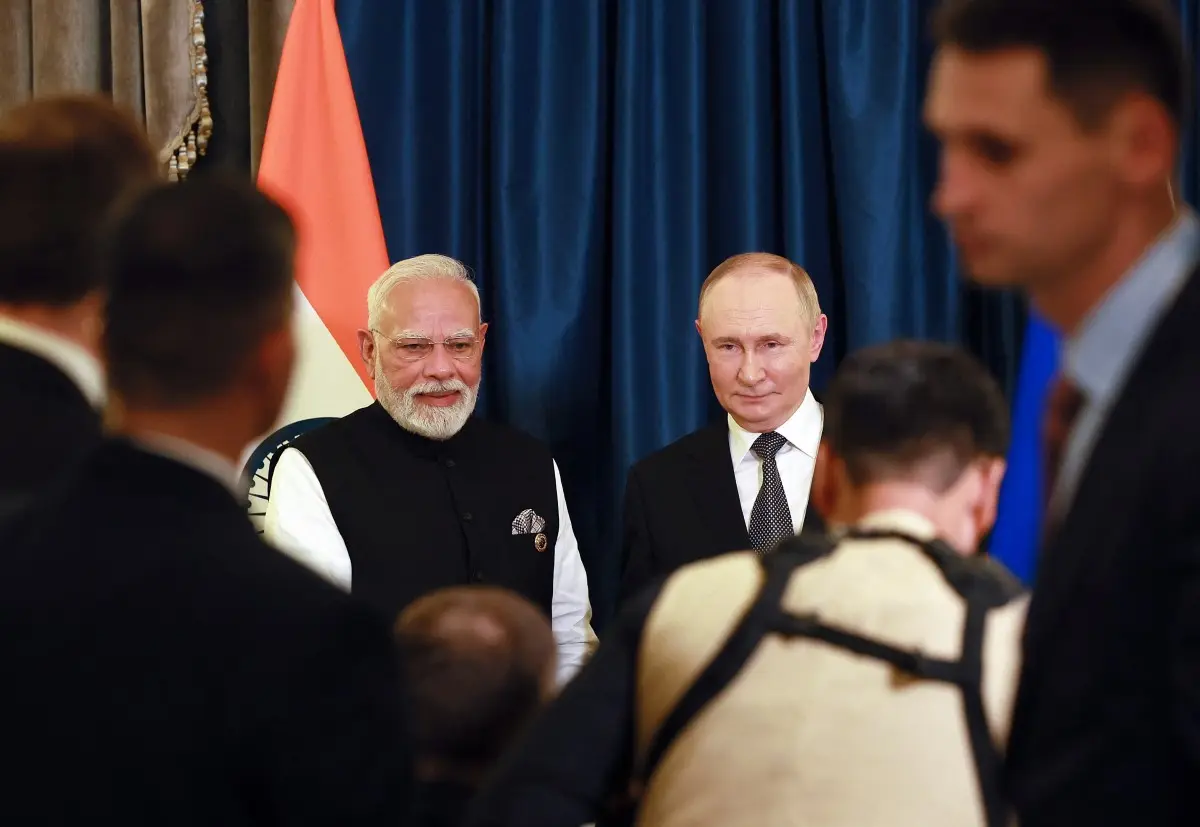
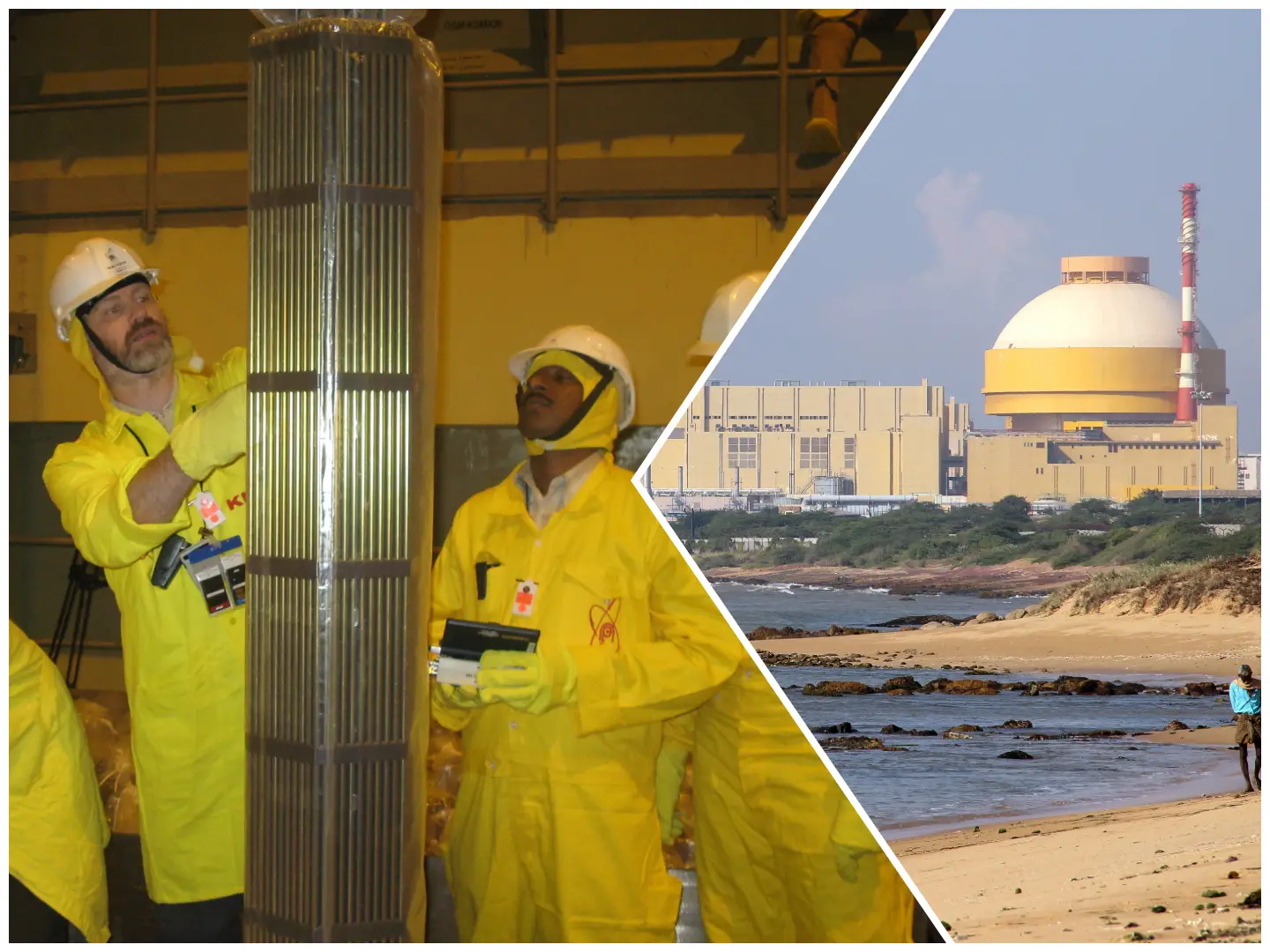
When Russian President Vladimir Putin visits India this week, the two nations are expected to further boost civil nuclear cooperation. The Russian cabinet has reportedly cleared an MoU to this effect. Russia’s Rosatom is already building several nuclear reactors at the Kudankulam Nuclear Power Plant in the south Indian state of Tamil Nadu. The Russian atomic energy agency will sign the MoU with Indian authorities. This is the latest in more than half a century of civil nuclear cooperation between India and Russia, dating back to the Soviet Union days. Here is a timeline.
The Soviet-era cooperation with India on civil nuclear cooperation

At the height of the Soviet Union’s emergence as a global power in the 1950s and 1960s, India maintained broad scientific and technical exchanges with the nation.
India’s first nuclear test in 1974 under Prime Minister Indira Gandhi caused outrage among Western powers, but the Soviet Union stood by New Delhi, continuing its stable political relations. In 1988, India and the Soviet Union signed the first pact on civil nuclear cooperation, to build two VVER-1000 reactors at Kudankulam in Tamil Nadu. But in the years that followed, the Soviet Union collapsed, and Russia became one of the several new states emerging from the Union.
Also read: Russian President Putin's India visit: Full schedule, key meetings and strategic announcements
Trending Stories
)
Pakistan puts Pak Rs 70 lakh bounty on UN terrorist Masood Azhar; move draws skepticism in Delhi
)
Trump loses Supreme Court battle over mail ballots ahead of US midterms: What happened?
&im=FitAndFill=(700,400))
Emmys 2026 Red Carpet: Zendaya, Nicole Kidman and Julia Garner lead the glamour peak
)
Ecstasy tablets are rage in 'drug haven' Libya | Gravitas
)
UK man admits drugging, raping wife for 20 years in shocking abuse case
)
China discovers vast gold and silver 'mine' in the Pacific with unheard-of deposits
)
Iran, India agree to deepen humanitarian and political ties, President Pezeshkian says
)
Baba Vanga's first prophecy for 2027 is out, and straight out of science fiction
)
Russia proposes to build 360 kmph Ivolga FG trains in India: What happened on sidelines of BRICS
)
Delhi govt to roll out ₹13,820 crore development projects under Seva Sankalp Abhiyan: CM Rekha Gupta
)
Plane carrying prominent figure crashes at Libya’s Misrata airport: Report
)
Extreme warming in Indian Ocean added 695 billion tons of ice to Antarctica ice sheet
)
Trump downplays China's alleged 'help' to Iran in strike on Jordan base | Gravitas
)
'Huge destructive power': North Korea calls its latest missile launches 'live-fire drill' even as US dismisses 'immediate threat'
)
What is Hyrox, in news for athlete who soiled herself, but kept running and using common equipment?
)
‘US ensuring global energy supplies’: Trump demands reimbursement for securing Strait of Hormuz
)
Historic first: ‘Ganga aarti’ performed on River Thames in London
)
Photographs, LeT labels vanish from two 2008 Mumbai attack entries in Pakistan’s most wanted list
)
Sent home midway from UK tour, Pakistan's Salman Agha hits 300* in domestic return
)
Did India risk its US trade deal despite softer stance at BRICS?
)
‘Want to reset ties with India, have engagement based on mutual interests,’ says Bangladesh minister
&im=FitAndFill=(700,400))
Why Chinese PL-15 air-to-air missiles use dual-pulse motors compared to European interceptors
)
Emmy Awards 2026: Widow's Bay and The Pitt win in lead categories- check out the complete list of winners
)
Nigerian Navy seizes 10,000 litres of suspected illegal fuel in Rivers State crackdown
)
China thinned Himalayan troop presence in 2025, India defence report says; terms border situation 'stable'
)
Saudi Arabia discovers 110 million tonnes of Uranium-rich ore in Madinah region
)
3 Italians fly from Delhi to Munich without immigration clearance; Air India gets notice on major security lapse
&im=FitAndFill=(700,400))
New OTT releases this week (September 14-20, 2026): Lust Stories 3, Waiting Hai, Irumudi- 5 new titles coming on Netflix, Prime Video and more
)
800 million years old - Scientists discover 'fingerprints' of supercontinent Gondwana in ancient rocks
)
‘Let’s go’: Newly declassified videos show dramatic rescue of US Air Force officers downed in Iran
)
Who is Kalyan Bainsla, accused in the Gurugram hit-and-run case involving woman biker?
)
Turkish Airlines plane flies through a storm three times, triggering severe turbulence
&im=FitAndFill=(700,400))
Why European Meteor missiles use ramjet engines compared to standard US solid rockets
)
Emmys 2026: Matthew Rhys wins Best Actor twice, sets historic 78-year record
)
Dodgers beat Reds for playoff berth in bid for third consecutive World Series
)
'Now Trump is copying us': Shivakumar links US $5,000 plan to Congress guarantees
)
Video of Pakistani lawmaker struggling to read English tribute to Jinnah goes viral - WATCH
1990s to 2000s: Slow progress as Russia emerges from Soviet Union collapse
As Russia struggled with the dissolution of the Soviet Union and its economic impact, the Kudankulam project slowed down. But the 2000s saw the revival and expansion of cooperation, with agreements reactivating the 1988 plan. Contracts for Kudankulam Units 1 and 2 were finalised, and the construction of the plant began in 2002.
Around this time, Russia stood by India even as much of the Western world, led by the United States, tried to stymie India’s progress towards nuclear energy, especially after the Pokhran nuclear tests of 1998 that led to several sanctions.
In 2008, India got the Nuclear Suppliers Group waiver, which lifted global restrictions on nuclear trade with India despite it being a non-signatory of the Non-Proliferation Treaty or NPT. Russia continued to be a key supporter and supplier of India, fulfilling its nuclear energy ambitions, with agreements on fuel supply and more reactor units.
Also read: Putin-Modi bromance: Times when Russian president and Indian PM put their chemistry on full display
2010s: Commissioning and new construction of nuclear power projects
Major operational milestones came in the 2010s, with Kudankulam Unit 1 reaching criticality in 2013. It entered commercial operation in 2014. Unit 2 achieved criticality in 2016 and began commercial operation in 2017. These two reactors rely on Russian VVER-1000 technology and Russian enriched uranium fuel.
In 2014, the two countries signed a strategic cooperation vision, outlining long-term collaboration and expansion of nuclear sites. The groundwork for Units 3 and 4 at Kudankulam was carried out in 2017–2018. Agreements for Units 5 and 6 were completed too.
Continuing cooperation despite geopolitical headwinds
Despite the Covid pandemic and events like the Russia–Ukraine war, the India-Russia cooperation continued, including on civil nuclear energy. Russia gives steady fuel and technical support to the reactors. Construction of Units 3 through 6 at Kudankulam is ongoing, with commissioning dates likely between 2026 and 2029.
There have been discussions on new nuclear sites in India as well as small modular reactors.
A monument to the India–Russia cooperation, Kudankulam stands tall as India’s largest nuclear power complex. Russia remains India’s only foreign partner in building nuclear power reactors on Indian soil, with lifetime fuel-supply commitments for all VVER units.