Photographs, LeT labels vanish from two 2008 Mumbai attack entries in Pakistan’s most wanted list

&imwidth=600&imheight=450&format=webp&quality=medium "Photographs, LeT labels vanish from two 2008 Mumbai attack entries in Pakistan’s most wanted list")
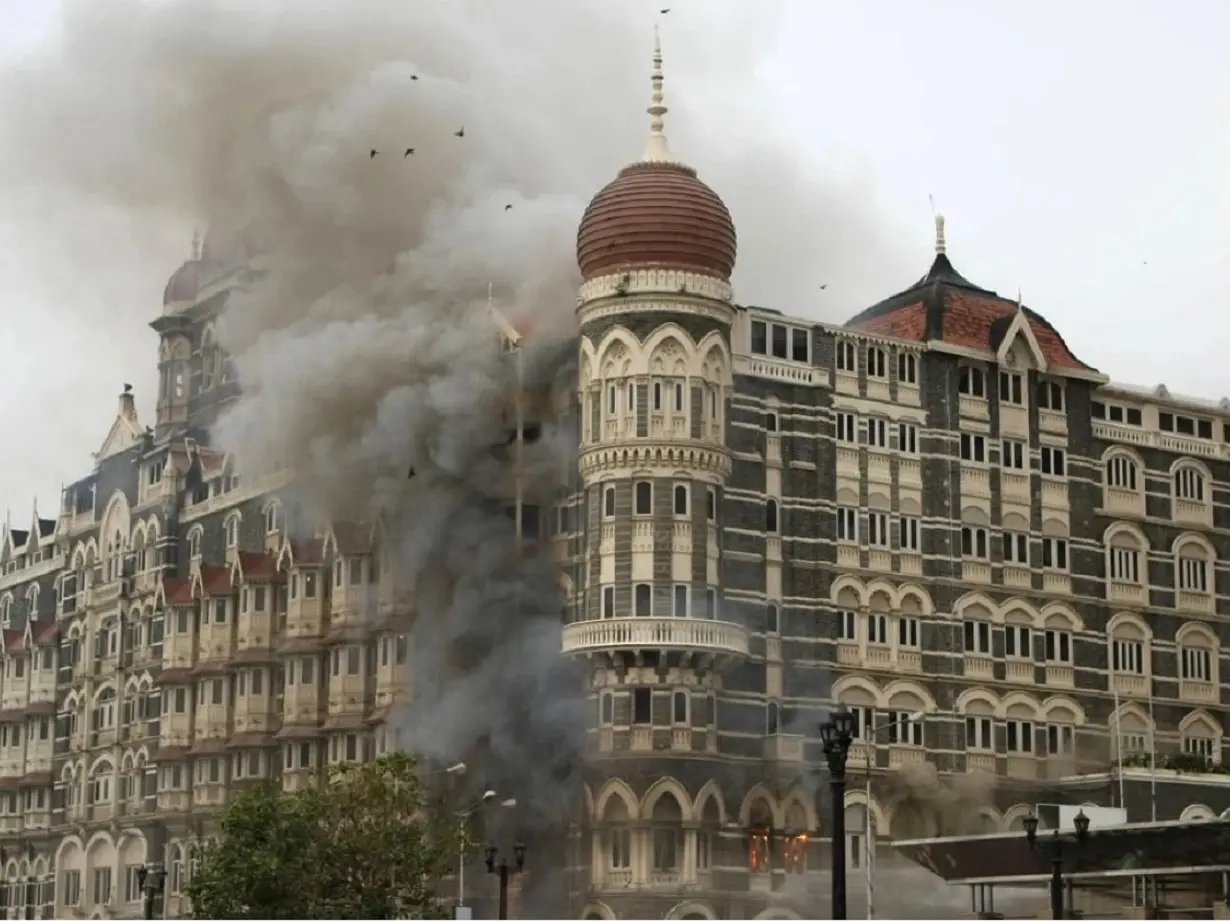
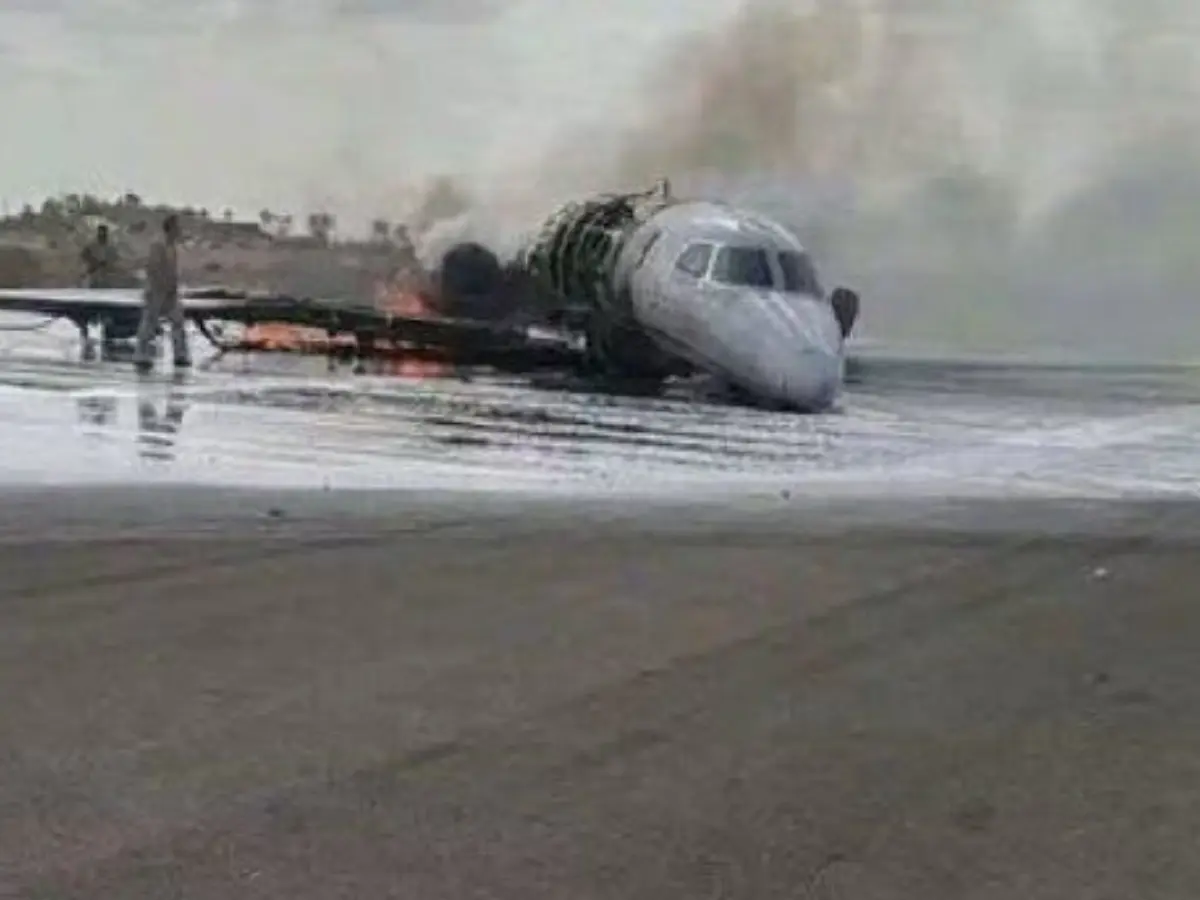
Smoke billows from the Taj Mahal hotel in Mumbai during the terror attack on November 29, 2008 Photograph: (AFP)
Pakistan’s Federal Investigation Agency states that the 17 men with full profiles have been absconding for 18 years. Indian officials, speaking on condition of anonymity, say the men remain in Pakistan and listing them without arrests is an eyewash intended to blunt international scrutiny.
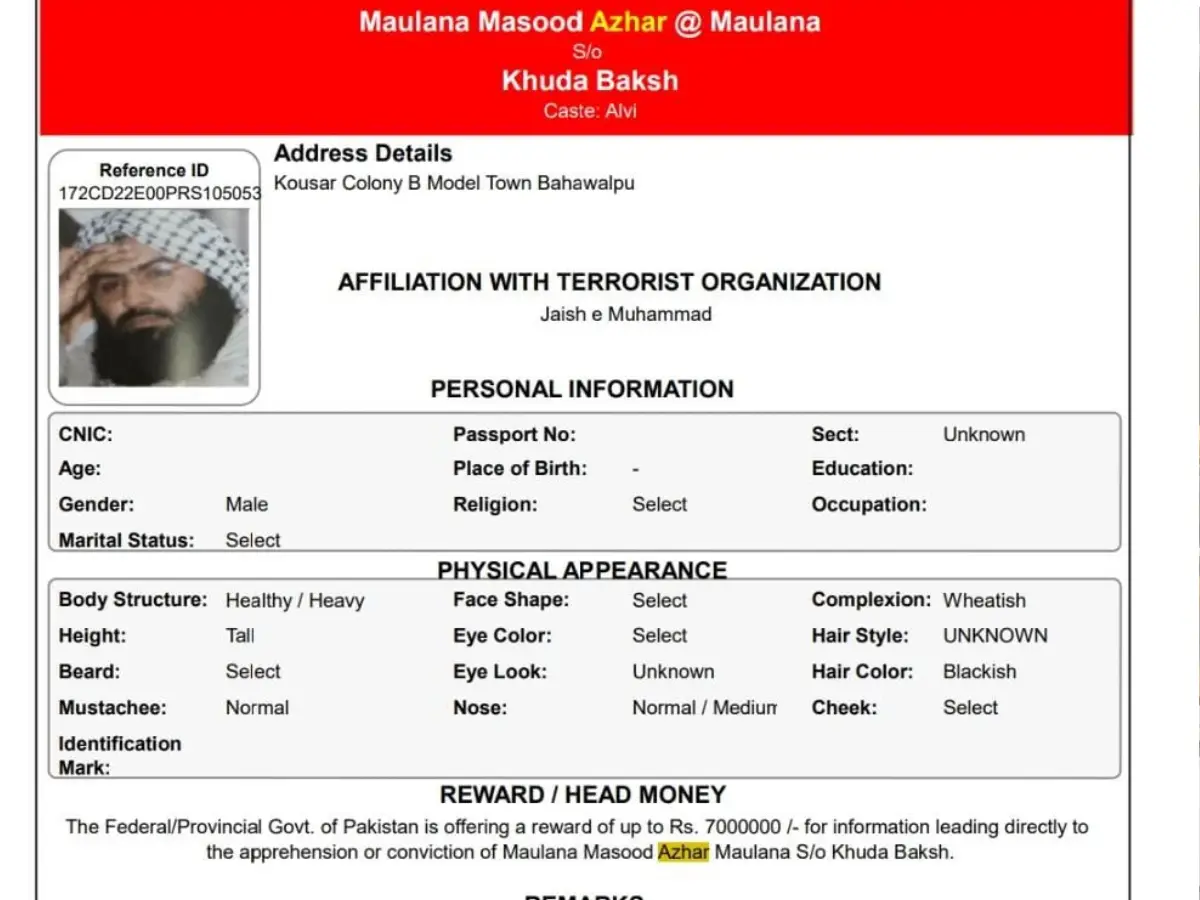
New Delhi: Pakistan’s Federal Investigation Agency has published an updated Red Book of most-wanted terrorists that again names 19 men linked to the 2008 Mumbai attacks, yet two of those entries have been stripped of photographs, Lashkar-e-Taiba affiliations and operational detail that appeared in earlier editions.
The November 2008 terror attack, carried out by 10 terrorists who reached Mumbai by sea, killed 166 people and injured more than 300. Nine attackers died in the operation; the sole survivor, Ajmal Kasab, was later executed in India.
Muhammad Khan of Turbat, previously identified as the man who supplied the fishing vessel Al-Hussaini used to move the attackers toward Indian waters, remains on the list by name only. His photograph, LeT link and account of that role have been removed. Abdul Rehman of Bahawalnagar has likewise lost his picture and organisational affiliation. Both men were fully documented in the 2021 edition of the same book.
The updated pages that retain photographs describe 11 men as former Lashkar crew of Al-Hussaini and Al-Fauz. Shahid Ghafoor, of Bahawalpur’s Islami Colony, is listed as captain or “tandol” of both boats. Other entries identify crew members from across Punjab and Sindh: Muhammad Usman of Sahiwal, Ateeq ur Rehman of Lahore, Riaz Ahmad of Hafizabad, Muhammad Mushtaq of Gujranwala, Muhammad Naeem of Dera Ghazi Khan, Abdul Shakoor of Karachi, Muhammad Sabir Saifi of Multan, another Muhammad Usman of Lodhran, and Shakil Ahmad of Rahim Yar Khan.
Six other men are listed as financiers. Muhammad Iftikhar Ali of Faisalabad is accused of spending 70,000 rupees on voice-over-internet connections used by the gunmen and their handlers. Smaller sums are attributed to Mohammad Zia of Rawalpindi and larger ones to Mohammad Abbas Nasir of Khanewal, Javed Iqbal of Kasur, Mukhtar Ahmad of Mandi Bahauddin and Ahmed Saeed of Battagram, the last of whom is said to have provided 2.1 million rupees.
Trending Stories
)
)
)
)
)
)
)
)
)
)
)
)
)
)
)
)
)
&im=FitAndFill=(700,400))
)
&im=FitAndFill=(700,400))
)
)
)
)
)
&im=FitAndFill=(700,400))
)
)
)
)
)
)
)
)
The FIA states that the 17 men with full profiles have been absconding for 18 years.
Indian officials, speaking on condition of anonymity, say the men remain in Pakistan and that listing them without arrests is an “eyewash” intended to blunt international scrutiny.
The terrorists left the Karachi area in late November 2008, transferred at sea, hijacked the Indian fishing trawler Kuber, killed most of its crew, and later came ashore in inflatable craft. Al-Hussaini is widely identified as the vessel that carried the gunmen toward Indian waters; Al-Fouz was later found in Karachi and treated as case property in Pakistan’s stalled trial.
The 26/11 terror attacks lasted three days. Targets included the Taj Mahal Palace hotel, the Oberoi-Trident, Chhatrapati Shivaji Terminus, a Jewish centre and cafés. Nine attackers were killed; Ajmal Kasab, the only one captured alive, was later executed in India.
Also Read: ‘Want to reset ties with India, have engagement based on mutual interests,’ says Bangladesh minister
For families of the dead, and the Indian government that lost citizens in the attack, justice is incomplete till the perpetrators, planners and masterminds of the 26/11 Mumbai terror attacks are fully held accountable and brought to justice. India formally launched in absentia trial proceedings against key Pakistani nationals accused of masterminding and executing the attacks. This list includes Lashkar-e-Taiba (LeT) handlers and masterminds like Hafiz Saeed, Zaki-ur-Rehman Lakhvi, and Sajid Mir.
The FIA sheets add little that is new in substance. They do show, in bureaucratic form, that Pakistan’s own investigators still treat the boat crew as wanted, and still have not closed the file.