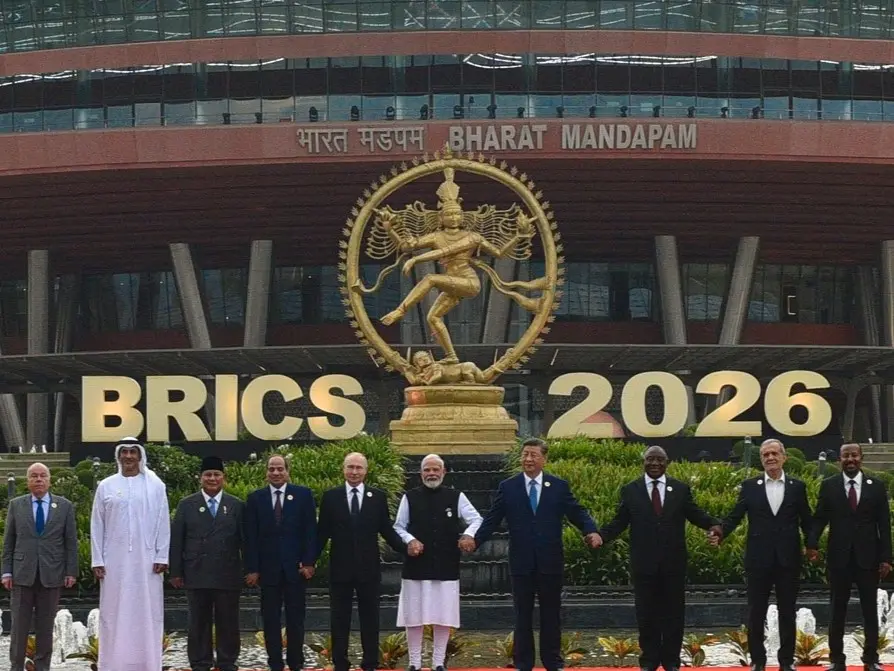
People’s connectivity core of BRICS agenda at New Delhi

&imwidth=600&imheight=450&format=webp&quality=medium "People’s connectivity core of BRICS agenda at New Delhi")
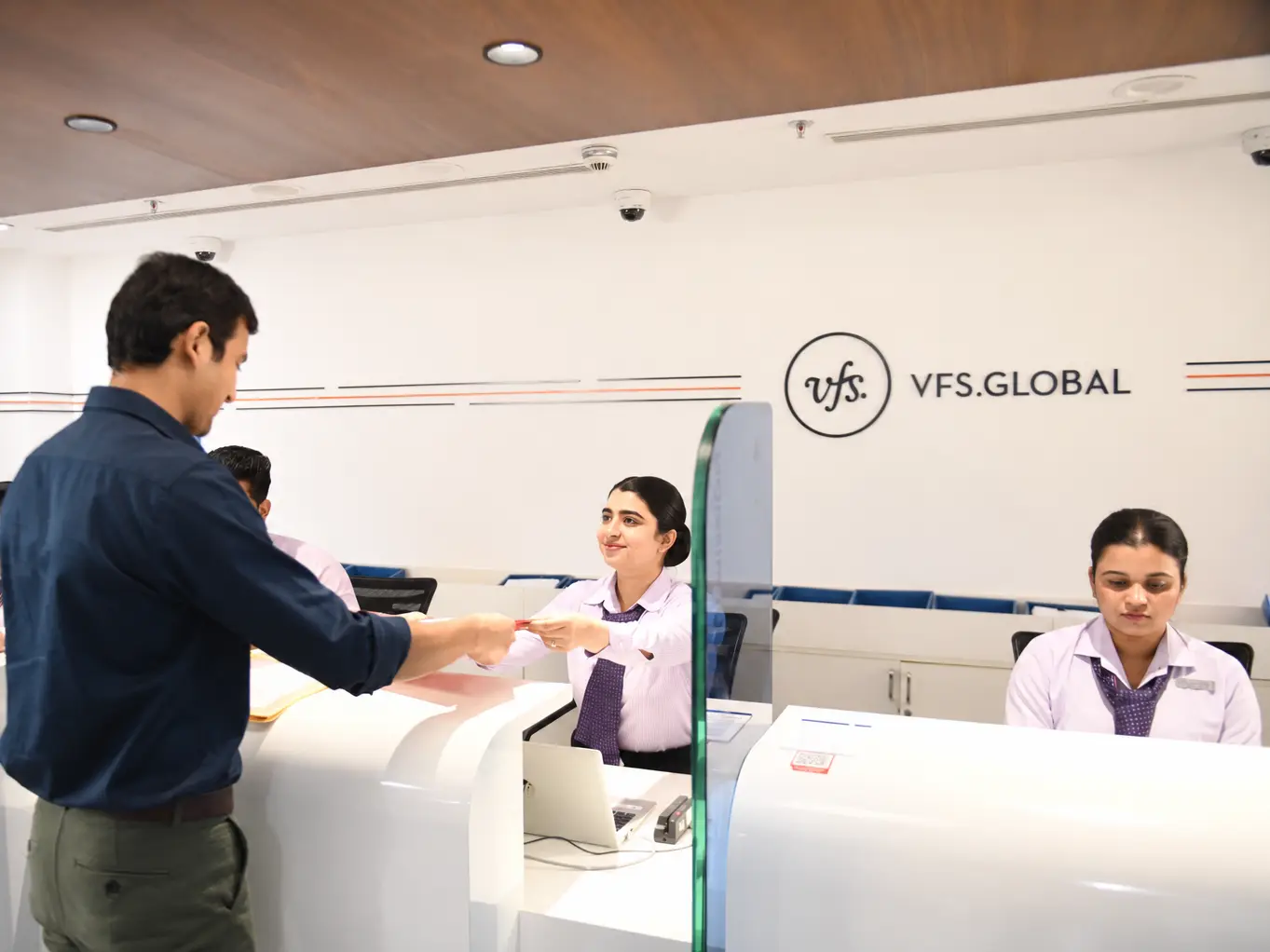
One of the prominent collaborators of BRICS governments in the mobility ecosystem is VFS Global. Photograph: (Others)
The BRICS grouping's focus on people and mobility highlights how air connectivity, visa systems and trusted infrastructure can support tourism, trade, investment and stronger cross-border cooperation.
Some 72 hours after one of the largest gatherings of world leaders in India, the BRICS summit’s focus on people and mobility offers a useful way to examine what makes international cooperation work in practice. The BRICS New Delhi Declaration places people-to-people cooperation among the bloc’s three central pillars, alongside political and security cooperation and economic and financial cooperation. One of the key focus areas was people and mobility. The message was clear: connectivity is not only about roads, ports, railways and digital networks. It is also about whether students, tourists, business travellers, researchers and families can move across borders with greater clarity and confidence.
In 2023, nearly 8 million Indians travelled to BRICS countries, while around 414,000 visitors from BRICS nations came to India. Those figures point to a significant imbalance, but they also underline the scale of the opportunity. As trade, education, tourism and investment expand across the bloc, the movement of people will become an increasingly important part of the BRICS story.
Against this backdrop, one of the most closely watched developments was the gradual resumption of direct air services between India and China after a six-year interruption. China Southern Airlines has re-started regular passenger flights between Guangzhou and New Delhi, marking the return of the carrier’s India service. Direct services have also returned or begun on routes linking Indian and Chinese cities, including New Delhi and Shanghai, Kolkata and Kunming, and Kolkata and Shanghai.
Air routes are a visible sign of a diplomatic thaw. But they are also economic infrastructure. For BRICS, the larger question is whether this momentum can be extended across the bloc through better air connectivity, interoperable digital systems and more predictable visa arrangements.
From transport link to trusted systems
One of the prominent collaborators of BRICS governments in the mobility ecosystem is VFS Global. VFS has partnered with some of the most critical BRICS nations like Brazil, Russia, India, China, South Africa, Egypt, Ethiopia, Iran, Saudi Arabia, the United Arab Emirates and Indonesia.
Trending Stories
)
)
)
)
)
)
)
)
)
)
)
)
)
)
)
)
)
)
)
)
)
)
)
&im=FitAndFill=(700,400))
)
)
)
)
)
)
)
)
)
)
)
The company was set up in 2001 on a single premise: a government could outsource the queue without outsourcing the decision. Twenty-five years on, that premise underpins a large share of the world's travel. VFS Global currently serves 71 client governments and operates more than 4,200 application centres across 169 countries.
The trustworthy systems that run mobility
Supporting all of it is an operational network of appointment scheduling, online payment collection, contact-center interactions, translation services, courier logistics, document digitization and data management. More than 240 million biometric enrolments have been completed since 2007. The company is investing in digital platforms, artificial intelligence and data-led technologies to support governments in areas such as predictive analytics, secure identity management and fraud detection.
VFS Global handles the administrative and non-judgmental aspects of the process. Appointment availability, documentation requirements, processing timelines and the final visa decision remain entirely with the government concerned. The administrative work is completed in advance so that the visa officer spends more time on assessment and less on paperwork.
That separation is what makes the model portable across very different political systems. A government that wants tighter scrutiny can have it. )
More partnerships in the offing
Much of the world's visa, passport and identity paperwork is still processed in-house. Reliable estimates of how much are difficult to pin down, in part because definitions of the market vary widely. VFS Global's view is that considerable potential remains for governments to outsource a greater share of administrative visa, passport, identity and citizen services to specialist providers.
“We are focusing on mobility and making sure trade improves because when we increase mobility and people travel, trade automatically improves,” says Zubin Karkaria, Founder and Chief Executive Officer, VFS Global.
That is the connection BRICS leaders spent two days describing in other languages. Trade corridors are also travel corridors.