Pakistan continues to harbour terror groups against India, warns US Congressional report

&imwidth=600&imheight=450&format=webp&quality=medium "Pakistan continues to harbour terror groups against India, warns US Congressional report")
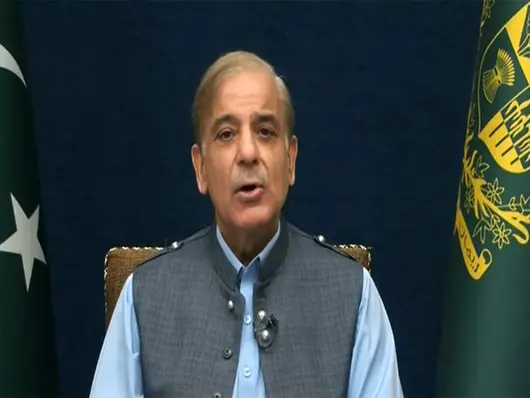
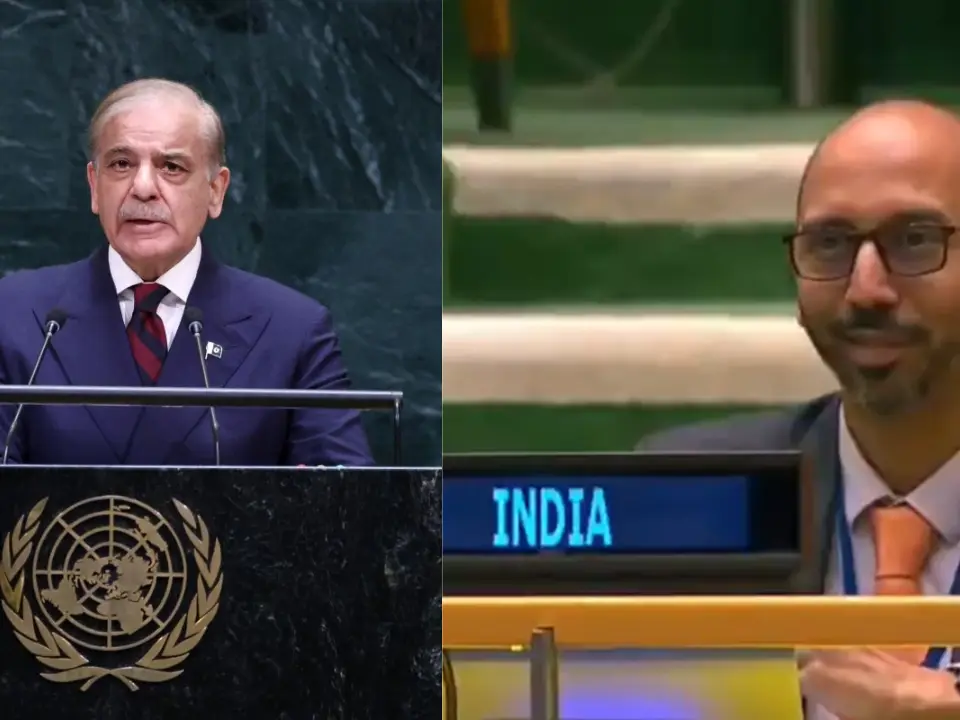
(File photo) Pakistani Prime Minister Shehbaz Sharif Photograph: (ANI)
"Several major military offensives, including airstrikes, and hundreds of thousands of 'intelligence-based operations' have failed to defeat the numerous U.S.- and United Nations-designated terrorist groups that continue to operate on Pakistani soil," the CRS states.
New Delhi: A fresh U.S. Congressional Research Service (CRS) report has highlighted that Pakistan remains a persistent hub for terrorist groups. For India, the report carries a familiar and troubling message -groups long focused on India, particularly the union territory of Jammu & Kashmir, continue to operate from Pakistani soil with apparent impunity.
The March 25, 2026, CRS "In Focus" brief details 15 outfits, many designated as Foreign Terrorist Organizations (FTO) by the US. The report points to enduring threats from "India- and Kashmir-oriented terror groups" such as Lashkar-e-Taiba (LeT), Jaish-e-Mohammed (JeM), Harakat-ul Jihad Islami (HUJI), Harakat ul-Mujahidin (HuM), and Hizbul Mujahideen (HM).
LeT, formed in the late 1980s and designated an FTO in 2001, remains based in Pakistan's Punjab and Pakistan-occupied Kashmir. Report says, "led by now incarcerated Hafiz Saeed", it "has changed its name to Jamaat-ud-Dawa to circumvent sanctions". With "several thousand fighters", LeT orchestrated the 2008 Mumbai attacks that killed 166 people.
JeM, founded in 2000 by Masood Azhar and also designated in 2001, joined LeT in the 2001 Indian Parliament attack. It says JEM's roughly 500 armed supporters THAT operate in India, Afghanistan, and Pakistan while seeking "annexation" of Indian union territory of J&K into Pakistan. It also says, "JEM has openly declared war on the United States." The report notes these groups operate alongside globally oriented outfits like Al Qaeda and its Indian Subcontinent affiliate (AQIS).
"Several major military offensives, including airstrikes, and hundreds of thousands of 'intelligence-based operations' have failed to defeat the numerous U.S.- and United Nations-designated terrorist groups that continue to operate on Pakistani soil," the CRS states. A 2014 National Action Plan aimed to eliminate armed terror groups and militias, yet the groups persist.
Trending Stories
&imwidth=280&imheight=210&format=webp&quality=medium)
&imwidth=280&imheight=210&format=webp&quality=medium)
&imwidth=280&imheight=210&format=webp&quality=medium)
&imwidth=280&imheight=210&format=webp&quality=medium)
&imwidth=280&imheight=210&format=webp&quality=medium)
&imwidth=280&imheight=210&format=webp&quality=medium)
&imwidth=280&imheight=210&format=webp&quality=medium)
&imwidth=280&imheight=210&format=webp&quality=medium)
&imwidth=280&imheight=210&format=webp&quality=medium)
&imwidth=280&imheight=210&format=webp&quality=medium)
&imwidth=280&imheight=210&format=webp&quality=medium)
&imwidth=280&imheight=210&format=webp&quality=medium)
&imwidth=280&imheight=210&format=webp&quality=medium)
&imwidth=280&imheight=210&format=webp&quality=medium)
&imwidth=280&imheight=210&format=webp&quality=medium)
&imwidth=280&imheight=210&format=webp&quality=medium)
&imwidth=280&imheight=210&format=webp&quality=medium)
&imwidth=280&imheight=210&format=webp&quality=medium)
&imwidth=280&imheight=210&format=webp&quality=medium)
&imwidth=280&imheight=210&format=webp&quality=medium)
&imwidth=280&imheight=210&format=webp&quality=medium)
&imwidth=280&imheight=210&format=webp&quality=medium)
&imwidth=280&imheight=210&format=webp&quality=medium)
&imwidth=280&imheight=210&format=webp&quality=medium)
&imwidth=280&imheight=210&format=webp&quality=medium)
&imwidth=280&imheight=210&format=webp&quality=medium)
&imwidth=280&imheight=210&format=webp&quality=medium)
&imwidth=280&imheight=210&format=webp&quality=medium)
&imwidth=280&imheight=210&format=webp&quality=medium)
&im=FitAndFill=(700,400)&imwidth=280&imheight=210&format=webp&quality=medium)
&imwidth=280&imheight=210&format=webp&quality=medium)
&imwidth=280&imheight=210&format=webp&quality=medium)
&imwidth=280&imheight=210&format=webp&quality=medium)
&imwidth=280&imheight=210&format=webp&quality=medium)
Pakistan took "some steps to curtail" terrorist activities in 2023, per the US State Department, but madrassas continue teaching doctrines that "could lead to greater acceptance of violent extremist ideology." For India, the implications are stark. Kashmir-focused groups like Hizbul Mujahideen, formed in 1989, designated as a terror group by the US in 2017 has a cadre of 1500 who seek "independence for Kashmir or annexation of UT of J&K into Pakistan."
The CRS report, prepared by South Asia specialist K. Alan Kronstadt, paints Pakistan as both victim and enabler. While Islamabad battles a domestic surge in violence, with separatism in restive Baluchistan province, and a deteriorating situation in Khyber Pakhtunkhwa, it continues to host terror networks that have long targeted India.
The report divides terror and other groups operating in Pakistan into five broad, often overlapping categories: globally oriented, Afghanistan-oriented, India- and Kashmir-focused, domestically oriented, and sectarian (anti-Shia). Pakistan's inability, or unwillingness, to fully dismantle these outfits keeps tensions high with its neighbours. India maintains that addressing cross-border terrorism remains essential for lasting peace, a stance reinforced by the latest American assessment of persistent terror infrastructure on Pakistani territory.
