&imwidth=800&imheight=600&format=webp&quality=medium "Not so fast: Iran war reaches 12 days, and Tehran is not losing - 16 reasons why")
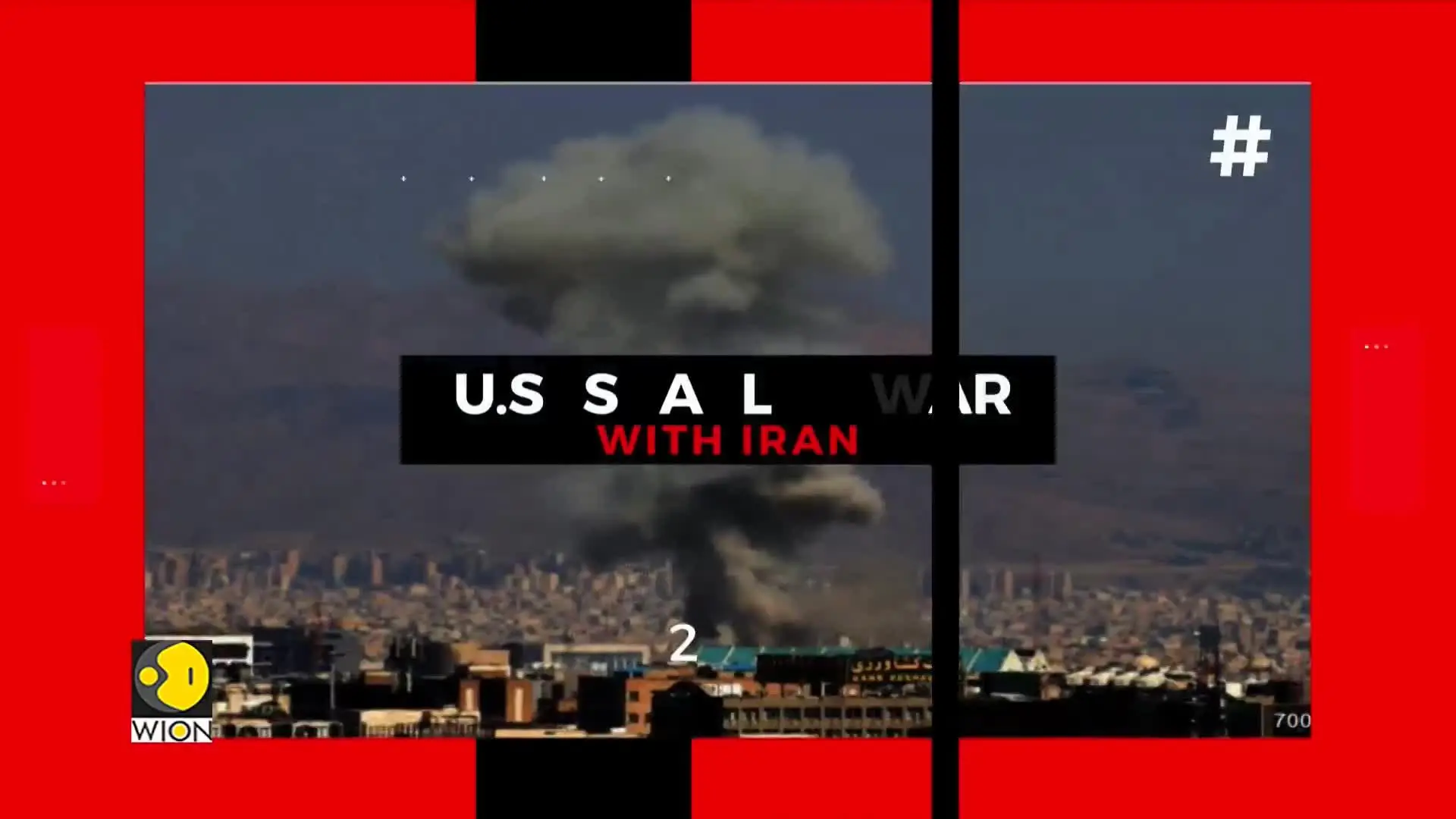
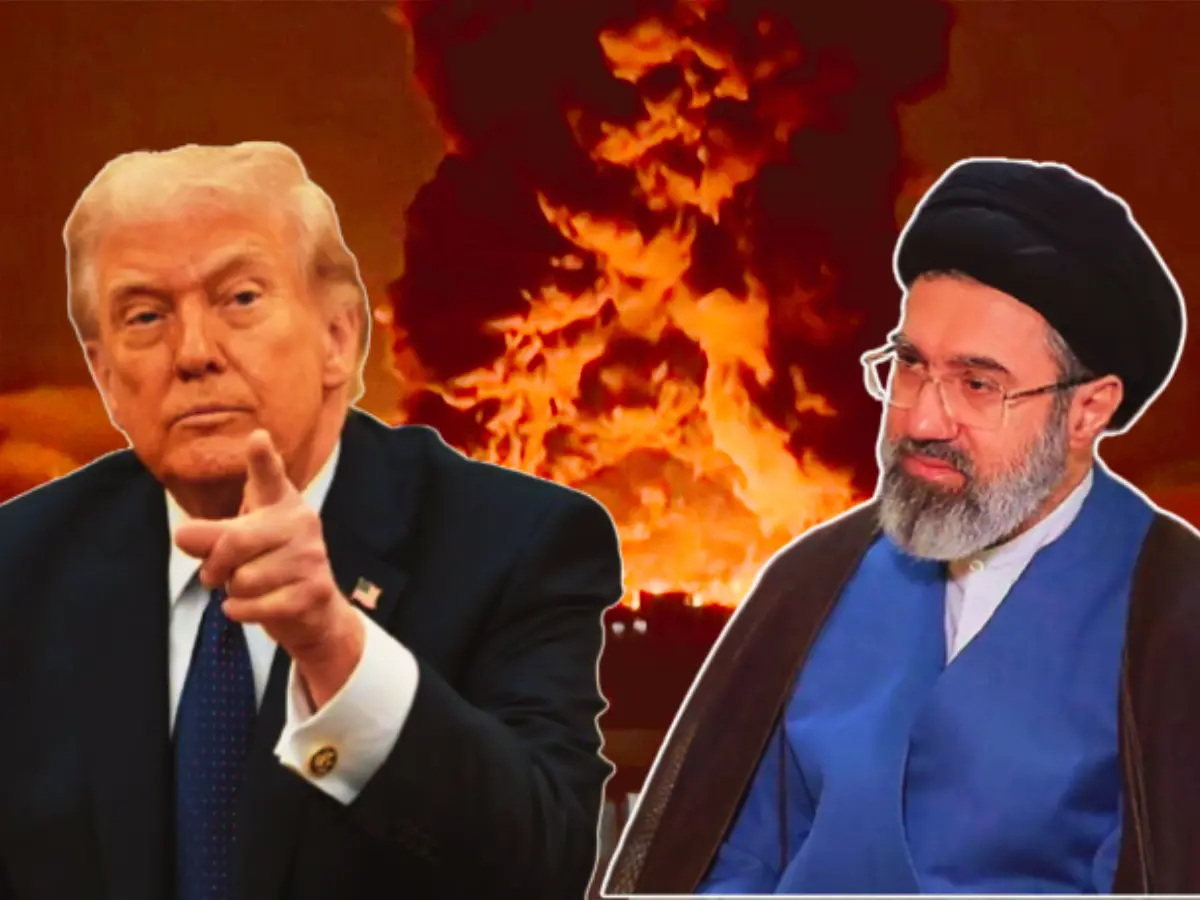
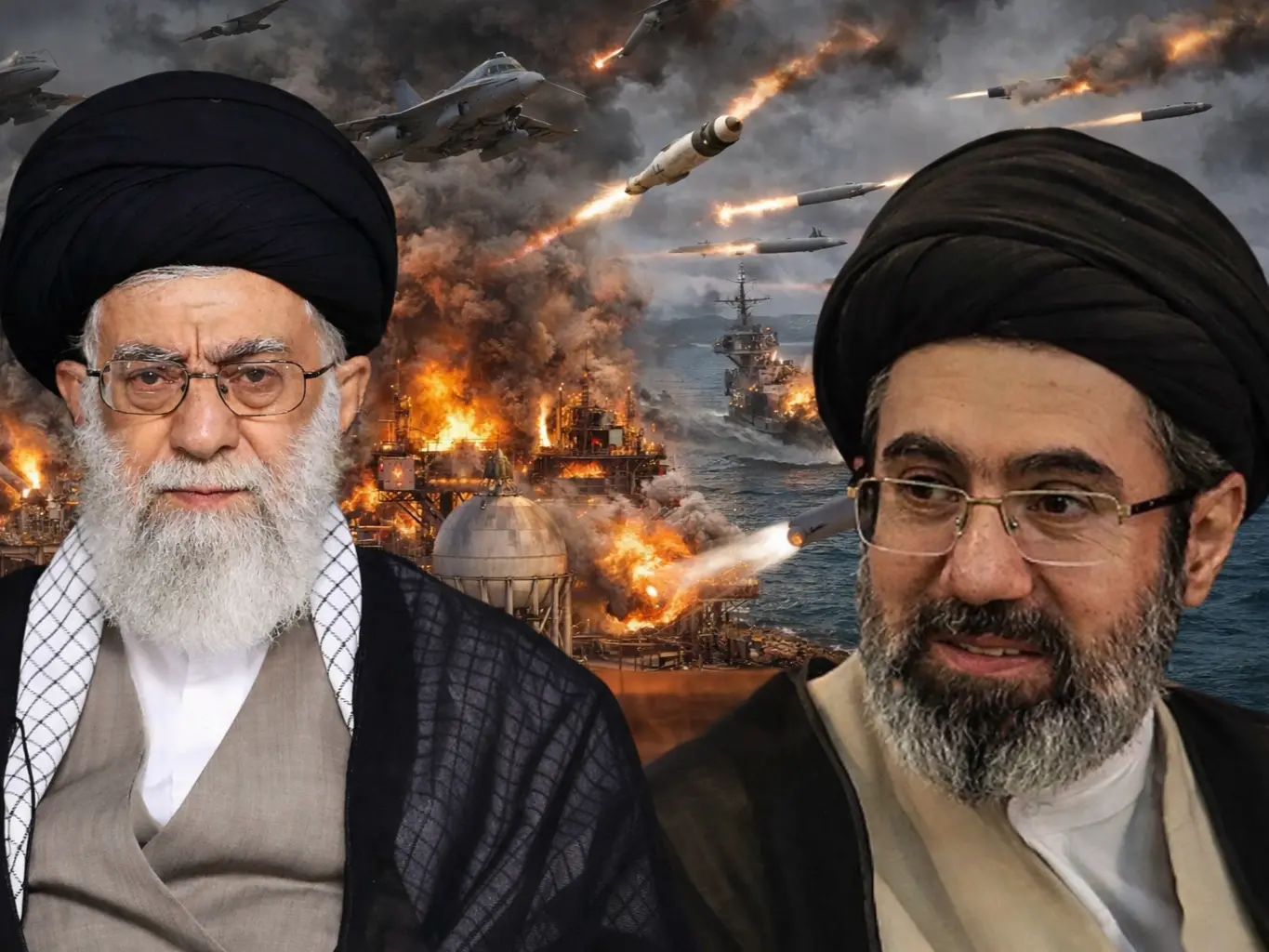
The Iran–Israel conflict of June 2025 lasted 12 days, ending after American B-2 bombers targeted alleged Iranian nuclear sites. The new US-Israel joint strikes on Iran started exactly 12 days ago, but there is no sign of it ending as fast as last time. Neither has the Islamic Republic regime fallen, nor is Iran waving the white flag, having declared a pause to all negotiations. Regime change and the capitulation of Iran were the supposed aims of the war. The US now seems to have changed the goalposts, suggesting that regime change was not the aim. But Israeli Prime Minister Benjamin Netanyahu’s government will not let the regime be, with his officials suggesting that the new Supreme Leader, Mojtaba Khamenei, is a ‘legitimate’ target for assassination. If the US and Israel were thinking it would be an ‘in and out’ war, they are being proven wrong. Direct war was not the only card Iran had. It has used a number of tactics that could force the international community to pressure the US and Israel to end the war.
16 ways in which Iran is still staying in the war
The following are the key ways in which Iran’s war strategy is helping it not to lose. This goes beyond actual ground or air offensives, with Tehran incorporating regional expansion of the conflict and the choking of global energy supplies for strategic edge over adversaries.

1. Iran attacked specific targets in regional countries, making them indirect ‘party to the conflict’: The UAE, Qatar, Bahrain, Kuwait and Iraq were attacked with Iranian drones and missiles, bringing both their defence systems and economies under stress. This is putting pressure on the Gulf nations to bring back normalcy fast through diplomatic means as their defence systems slowly wear out.
2. Iranian attacks targeted both oil and gas sites and military bases of the Gulf nations: The Iranian calculation was not off the mark, as the cascading effect is now felt in everything from oil and gas prices to food and living costs in the region and all the way to Europe and Asia.
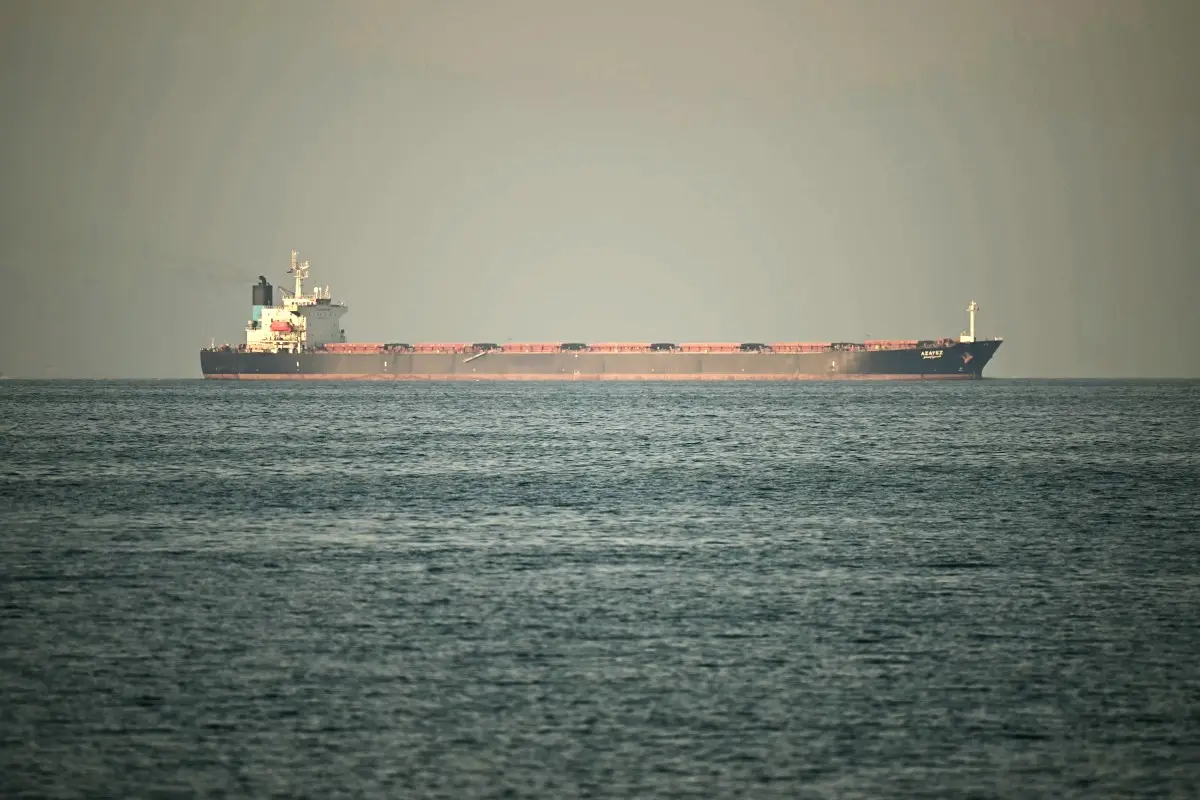
3. Iran made tactical use of the Strait of Hormuz: It had only threatened to block the global fuel trade chokepoint without much action, and yet shocks are being felt in fuel prices because big container carriers have partially or fully suspended operations through the waterway.
Trending Stories
)
Why asking questions could be more important than memorising answers
)
BRICS Summit 2026: Iran's Pezeshkian praises PM Modi at BRICS
)
Osama Bin Laden ‘planned’ to target India, CIA reveals dozens of declassified documents
)
BRICS rejects EU carbon tax as ‘punitive’, ‘discriminatory’; warns of burden on Global South
)
BRICS Summit 2026: Global leaders of BRICS nations attend main open session
)
Why dehydration is the hidden cause of travel fatigue on long flights
)
Top 5 places to visit in Goa beyond its famous beaches
)
'He is popular...': Malaysian PM Anwar Ibrahim's praise for PM Modi during bilateral meeting | WATCH
)
BRICS Summit 2026: 30+ countries seek BRICS membership
)
Frustrated man demolishes his kitchen after thousands flock to see Mother Mary his wife spotted on the wall
)
BRICS Summit 2026: PM Modi, Xi reach key consensus on ties, China to assume BRICS chairmanship in 2027
)
Trump says Canada eager to reach a deal, it could come ‘fairly soon’ if Ottawa treats US farmers better
)
From drones to KAAN fighters: Turkey outlines 229% surge in defence spending amid regional shifts
)
‘Partners, not rivals’: Xi outlines four point plan for stronger India-China ties
&im=FitAndFill=(700,400))
Why Chinese PL-15 air-to-air missiles use dual-pulse motors compared to European interceptors
)
Could staying indoors all day affect your health?
)
Who is the smiling man beside Modi, Putin and Xi at BRICS Summit 2026?
)
Why going digital does not always mean becoming more efficient
)
800 million years old - Scientists discover 'fingerprints' of supercontinent Gondwana in ancient rocks
&im=FitAndFill=(700,400))
Why do air defence missiles explode near their target instead of hitting it?
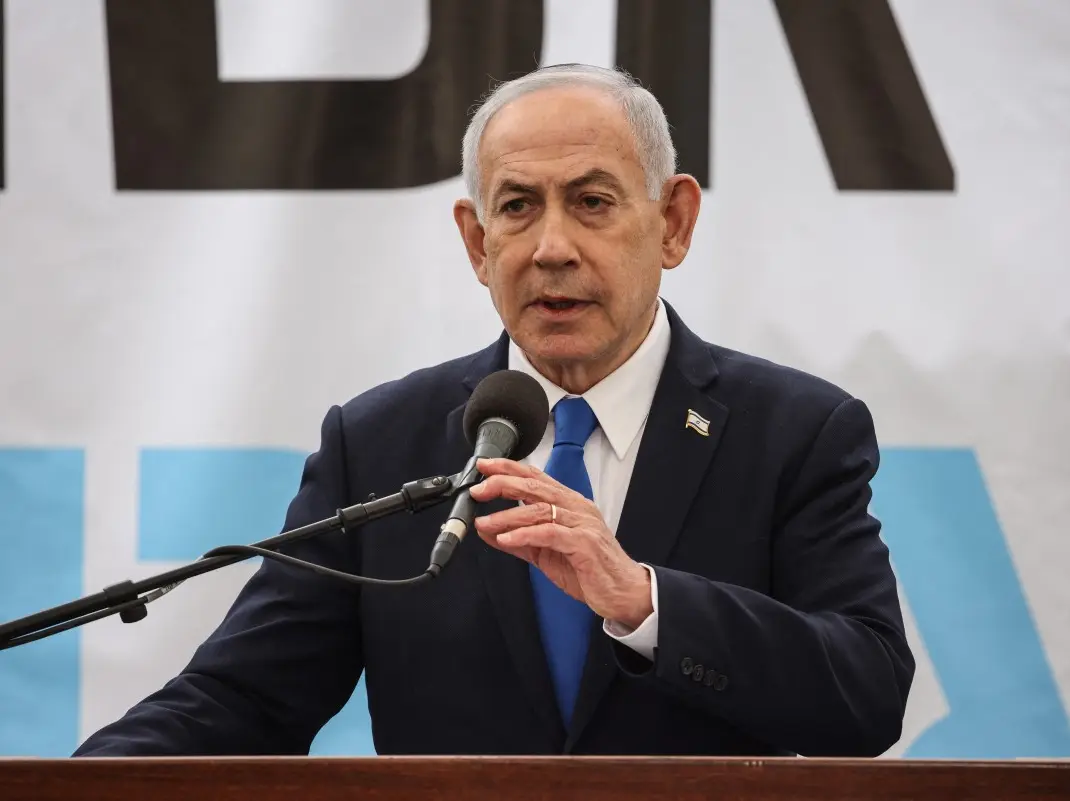)
Israel spent nearly $470,000 on PM's hair, makeup since 2019, data shows
)
From severe mobility problems to recovery: Madhuri the elephant’s journey of wildlife care
)
BRICS Summit day 1: New Delhi declaration adopted with full consensus, big diplomatic win for India
)
From India, Putin warns Europe against sending troops to Ukraine, Zelensky expresses willingness to meet him at G20 Summit
)
Did Iran President Pezeshkian touch feet of Hindu spiritual leader at Delhi event as shown in viral video?
)
9-year-old Chennai prodigy clears Cambridge IGCSE grade 10 exams
)
Why does your body need time to adjust after a long journey?
)
Baba Vanga's first prophecy for 2027 is out, and straight out of science fiction
)
BRICS Summit 2026: PM Modi to hold bilateral with leaders of seven countries
)
Ramanathaswamy temple takes centre stage as PM Modi welcomes world leaders at BRICS
)
Why does your skin need protection from UV rays?
)
How does the loss of forests affect the way wildlife lives and moves?
)
IND vs AFG, 1st T20I: When and where to watch live streaming in India?
)
Why do wild animals need quiet places to survive?
)
Humans may lose control of AI: Anthropic CEO calls for slowdown, Altman, Musk back him
4. Iran is making the best use of the asymmetry of cost in this war: Its thousands of cheap Shahed drones and missiles are slowly exhausting million-dollar defence systems of the Gulf nations.
5. The Iranian regime has made sure that there are no large-scale street protests : The ostensible trigger point for the joint US–Israel decapitation strikes was the massive nationwide protests against the regime. But all of a sudden, the political opposition that many thought would replace the Islamic Republic is nowhere in sight.
6. The Islamic Republic system is still intact : It stands in spite of the decapitation strike that killed Supreme Leader Ayatollah Ali Khamenei on Day One of the war. A new Supreme Leader has now been named, and secondary leadership is still running the country.
7. ‘All systems running’ for Iran in spite of airstrikes: Iran's military bases, airports, oil installations, warships, nuclear and ballistic missile sites were targeted. But the Iranian regime continues to operate, and post propaganda on social media. It still has the on-and-off switch of the Iranian internet, which has gone dark for several days for everyone except the regime.
8. Iran's military doctrine is designed to function despite leadership losses and disruption:
Iran’s ‘mosaic defence’ has decentralised command and control structures. Local units of IRGC are capable of continued fighting even if senior leadership or communications are destroyed. The expectations was that the commanders would be killed and infrastructure bombed, but combat operations must continue.
9. Terrain makes a decisive military victory against Iran extremely difficult: From a war analysis point of view, Iran is ‘blessed by geography’. It is a vast country with mountainous terrain, underground facilities, and dispersed military infrastructure. Missile sites, command bunkers, and storage depots are spread across a large territory rather than concentrated in a few locations, many of them underground, making it hard to destroy only through strikes from above.
10. Ground invasion of Iran is yet to happen: Large-scale ground operations would be needed to completely destroy Iran's nuclear, missile and drone sites. The US and Israel appear reluctant, given the troop commitments and potential casualties.
11. Iran missile and drone arsenal can confront long-term pressure: Iran still possesses thousands of ballistic missiles and possibly tens of thousands of drones. Having one of the largest missile forces in the Middle East helps Iran strike intermittently for extended periods, preventing the conflict from ending quickly.
12. Iranian regime is accustomed to operating under extreme sanctions and isolation: The US, the West and Israel used sanctions for decades against Iran as a ‘war by other means’. This meant Iran always functioned under economic siege conditions with its smuggling networks, informal trade channels, and state control mechanisms to cushion shocks.
13. War fatigue and political constraints in the attacking countries: There are domestic political limits on long wars, in a world that is worn out by continuing wars since the start of the new decade. Iran is deliberately making this conflict prolonged and costly for the other parties, even those who are not direct belligerents.
14. Ambiguity around Iran’s nuclear capability is a deterrent: Iran insists it does not have a nuclear weapon, but not many are sure. Can it quickly develop and use a nuclear weapon? That doubt raises the stakes for adversaries, as a desperate Iran could accelerate nuclear weaponisation.
15. Attackers not sure of the final desired outcome of the war: A military campaign can succeed only when objectives are defined. What do Israel and US want to achieve in Iran — territorial control, destruction of nuclear and missile capabilities, destruction of armed forces, or regime change? Their lack of clarity on this is helping Iran.
16. Survival itself is strategic victory for Iran: For all practical purposes, not losing fast can itself amount to winning for Iran. Iran is facing a test of survival against much stronger adversaries. The burden of expectations of victory is on US and Israel, not Iran.
Global realities are helping Iran not to lose, though not winning the war
For much of the global community, including India, the Islamic Republic is still the government. The Indian external affairs minister, for instance, held at least three phone calls with his Iranian counterpart. Other global players like China and Russia consider it the legitimate government. Iranian ethnic factions like the Kurds are not having much of an impact in the actual war. European nations are yet to fully rally behind either the US or Israel and more worried about continued fuel supply from the region. The US-led military alliance NATO has not invoked the ‘one for all, all for one’ clause in its Article 5, which would have seen them enter the war militarily. Even the US is being forced to acknowledge the need for global energy flows to continue, exemplified in the de-sanctioning of Russian oil supplies to India. Globalisation is helping Iran in odd ways, as fuel supply disruptions caused by the war would affect economies, including that of the US.
Iran, which is accused of raising proxies like Hamas, the Houthis and Hezbollah, does not seem to need them to stay in the war. Most of them are not even fully active in the war to support Iran, yet.
Domestic concerns of Trump and Netanyahu may have led to the war. Now they don't know how to get out
For the past three decades, Netanyahu has been talking about Iran being ‘very near to building a nuclear bomb’. But there is no sign of Iran detonating a bomb. Iran has threatened to target Israel’s nuclear facility. Many observers believe Israel probably has nuclear weapons, or at least the capability to develop them. Iran went ahead and threatened the main Dimona nuclear site, a message pretty similar to the gangsters’ phrase: ‘we know where you live’.
The war happened at pivotal points for the political survival of both Trump and Netanyahu. Trump was facing the fallout from the Epstein files, which could affect the Republican Party’s prospects in this year's US midterm elections. If his party loses its majority in the US Congress, he would become a ‘lame-duck’ president for the next two years, opening a Pandora’s box of further legal scrutiny of his actions. He is yet to get congressional approval for the war. He needs something to show as having been achieved through the Iran operation. He could go deeper into Iran, including even boots on the ground to ‘secure uranium’ and prevent Iran from acquiring the nuclear bomb. Even that could probably not lead to total regime change in Iran.
Netanyahu is facing corruption cases, and Trump even publicly pleaded with the Israeli president to pardon him, which is yet to happen. He is currently leading a minority government, essentially clinging to power thanks to the war situation. In fact, the last elections did not give him a clear majority, but he managed to stay in office largely because most of his tenure has been about the war on Hamas and now on Iran. He is also facing the next general elections, scheduled this year. The elections could make both Trump and Netanyahu less powerful. But Iran’s own specific form of elections has no such burdens.
Ultimately, both the US and Israel are realising that this war is not going to get over in 12 days, like the last one did.