'Oil, markets and security at risk': Did US–Iran conflict expose economic fault lines across the Middle East?

The war has moved beyond military confrontation to become an economic stress test for the Middle East and global markets.
Why the Conflict Matters
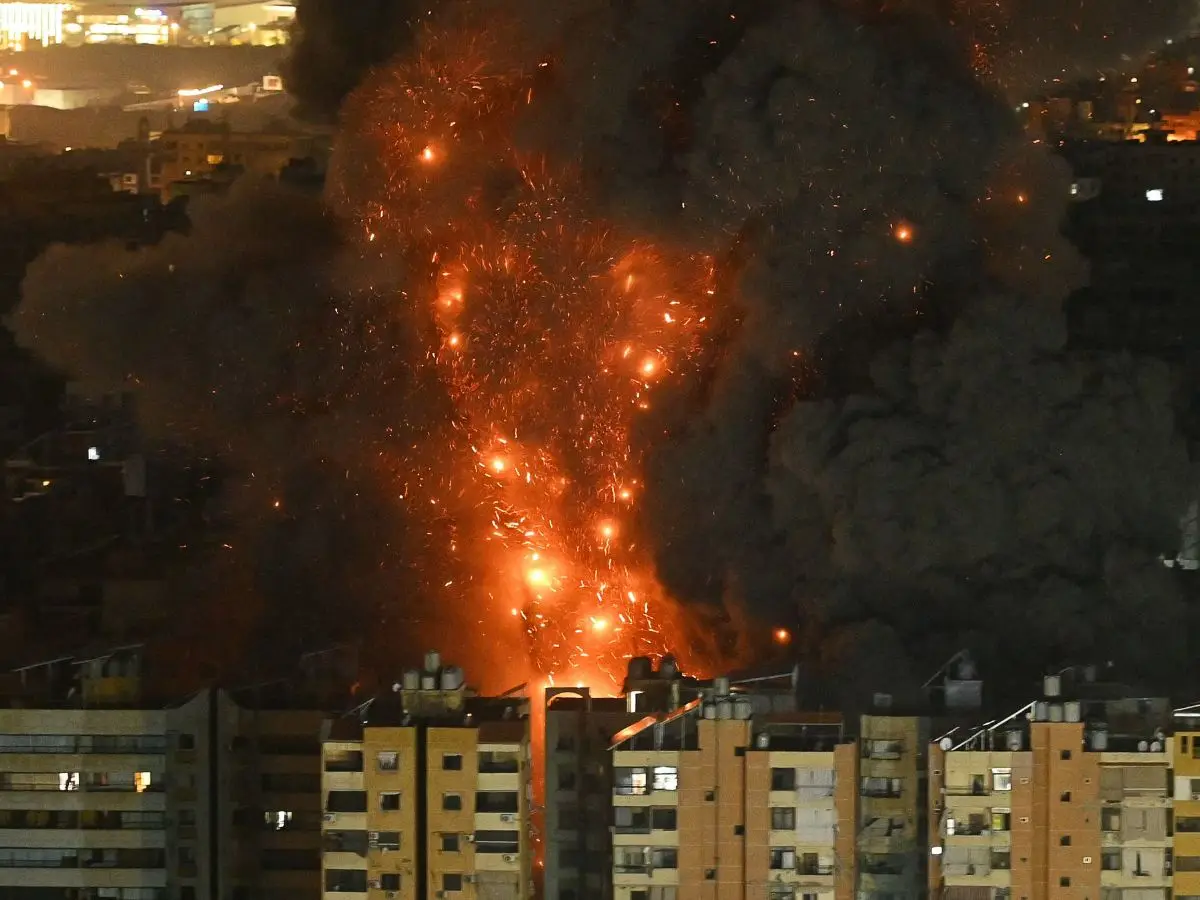
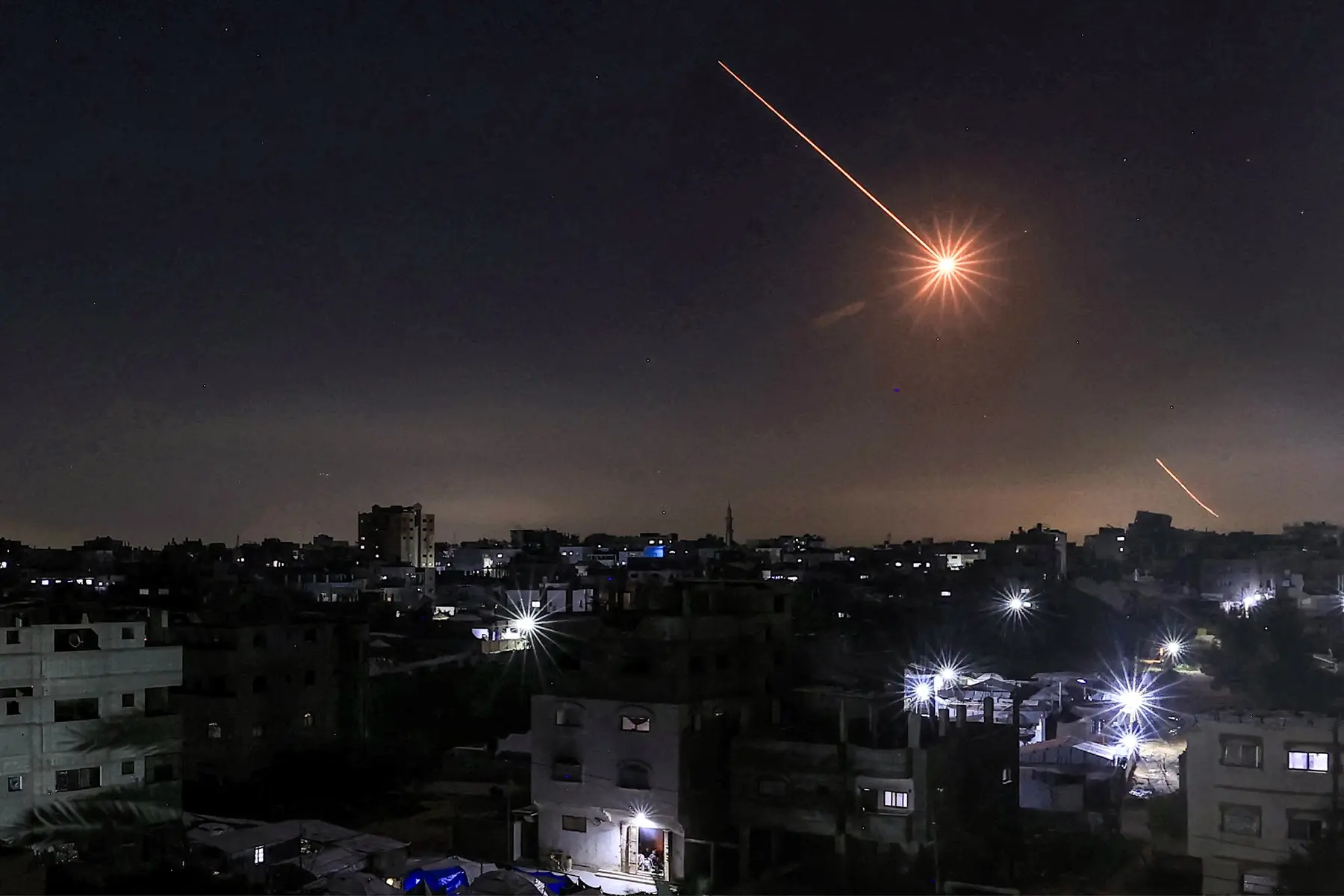
The Middle East war entered its 11th day with rising tensions over global oil supplies. Iran’s Islamic Revolutionary Guard Corps warned it would not allow 'one litre of oil' to leave the region if US and Israeli strikes continued, threatening a wider energy shock. In response, US President Donald Trump said that Washington would hit Iran 'twenty times harder' if it blocked tanker traffic through the Strait of Hormuz, which carries about a fifth of the world’s oil. The conflict escalated after the United States and Israel conducted strikes on Iranian missile facilities on February 28. In retaliation, Iran launched missile and drone attacks on Israel and Gulf Arab states, including Bahrain, Saudi Arabia, and the UAE. On Tuesday, US Defence Secretary Pete Hegseth announced the 'most intense day of strikes'. The war has moved beyond military confrontation to become an economic stress test for the Middle East and global markets.
Strait of Hormuz and Oil Supply
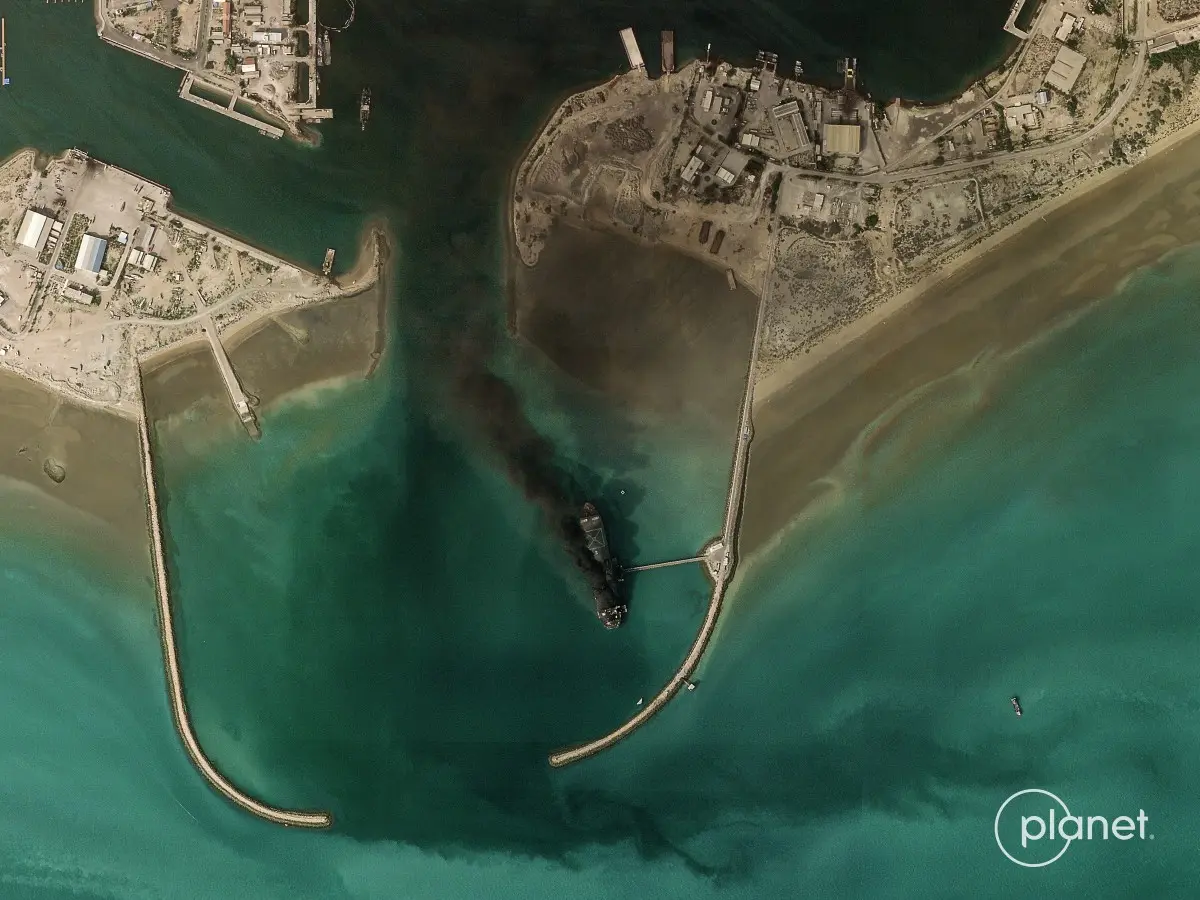
A critical economic fault line in the Middle East is the Strait of Hormuz, through which roughly 20 per cent of global crude and liquefied natural gas passes. Attacks and threats to close the waterway have removed about 15 million barrels per day of Gulf oil and products from global markets, according to Reuters and Wood Mackenzie. Gulf producers supply 60 per cent of Europe’s jet fuel and 30 per cent of its diesel, intensifying the impact. Analysts warn that Brent crude may rise to $150 per barrel if disruptions continue. Saudi Aramco described potential consequences as “catastrophic,” while Egypt raised domestic fuel prices by up to 17 per cent.
Economic Vulnerabilities Exposed
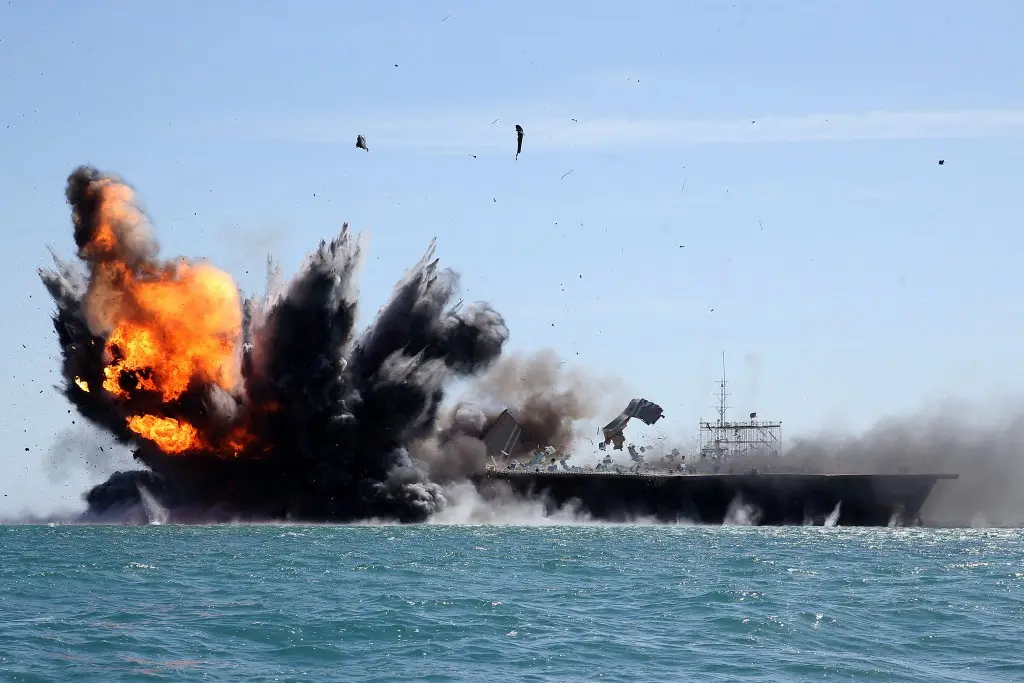
The conflict has swiftly highlighted economic fragilities across the Middle East. Several Countries, especially key Gulf economies face supply chain disruptions and rising commodity prices. The Gulf’s heavy reliance on oil and gas revenues means that any interruption in exports or price volatility could trigger widespread fiscal strain. Disruptions have forced major producers to reduce output. Sources suggest Iraq’s oil production plunged as tanker bottlenecks filled storage, while other Gulf states have also limited exports as logistical and security constraints mount.
Economic Strain on Importers
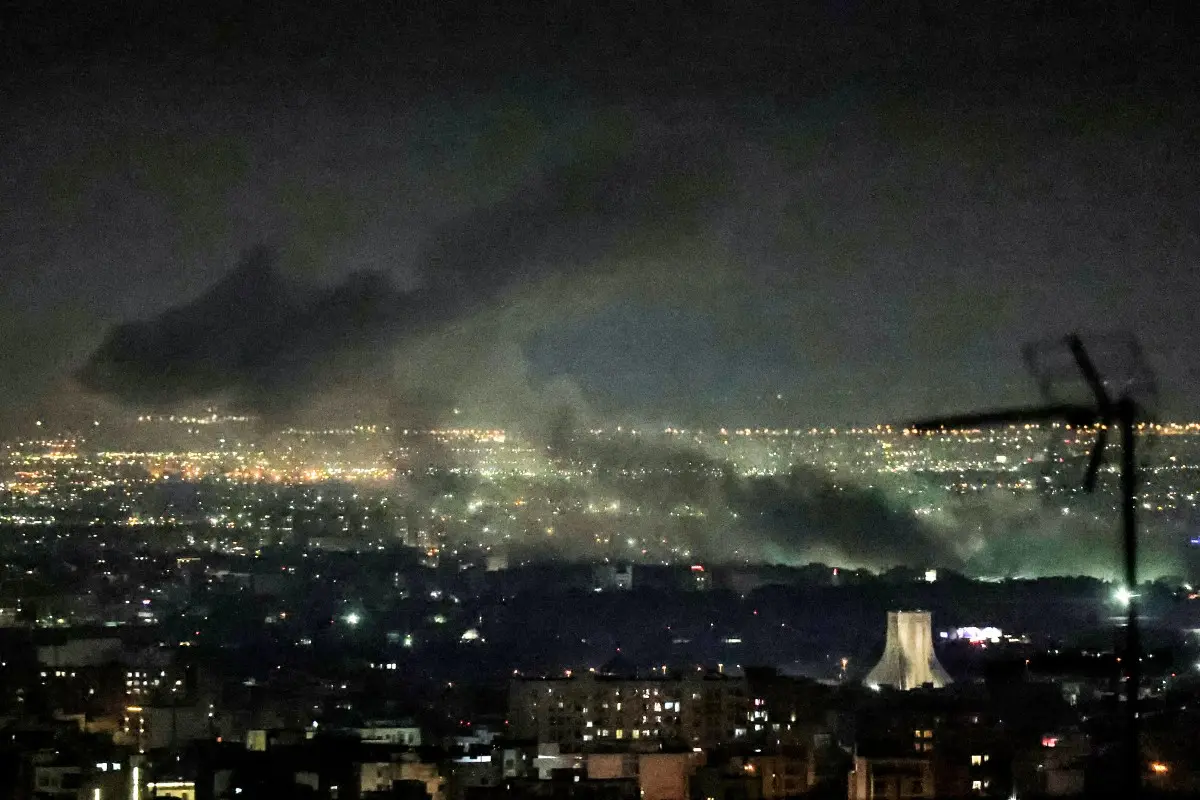
Countries heavily dependent on energy imports from Gulf nations, including parts of Asia and Europe, are facing rising import bills and currency pressures. The disruption of flows through the Strait of Hormuz has forced some states to seek alternative supplies and tap strategic reserves. The International Energy Agency (IEA) and G7 nations are reportedly discussing a coordinated release of 300–400 million barrels from stockpiles to stabilise the market. Several countries have also implemented domestic energy measures: Japan is preparing for a national crude release from its 260-million-barrel government reserve, the Philippines and Pakistan has adopted a four-day workweek, Bangladesh closed universities and rationed fuel for motorcyclists, while India is exploring alternative crude sources, including increased purchases from Russia.
Impact on Gulf States
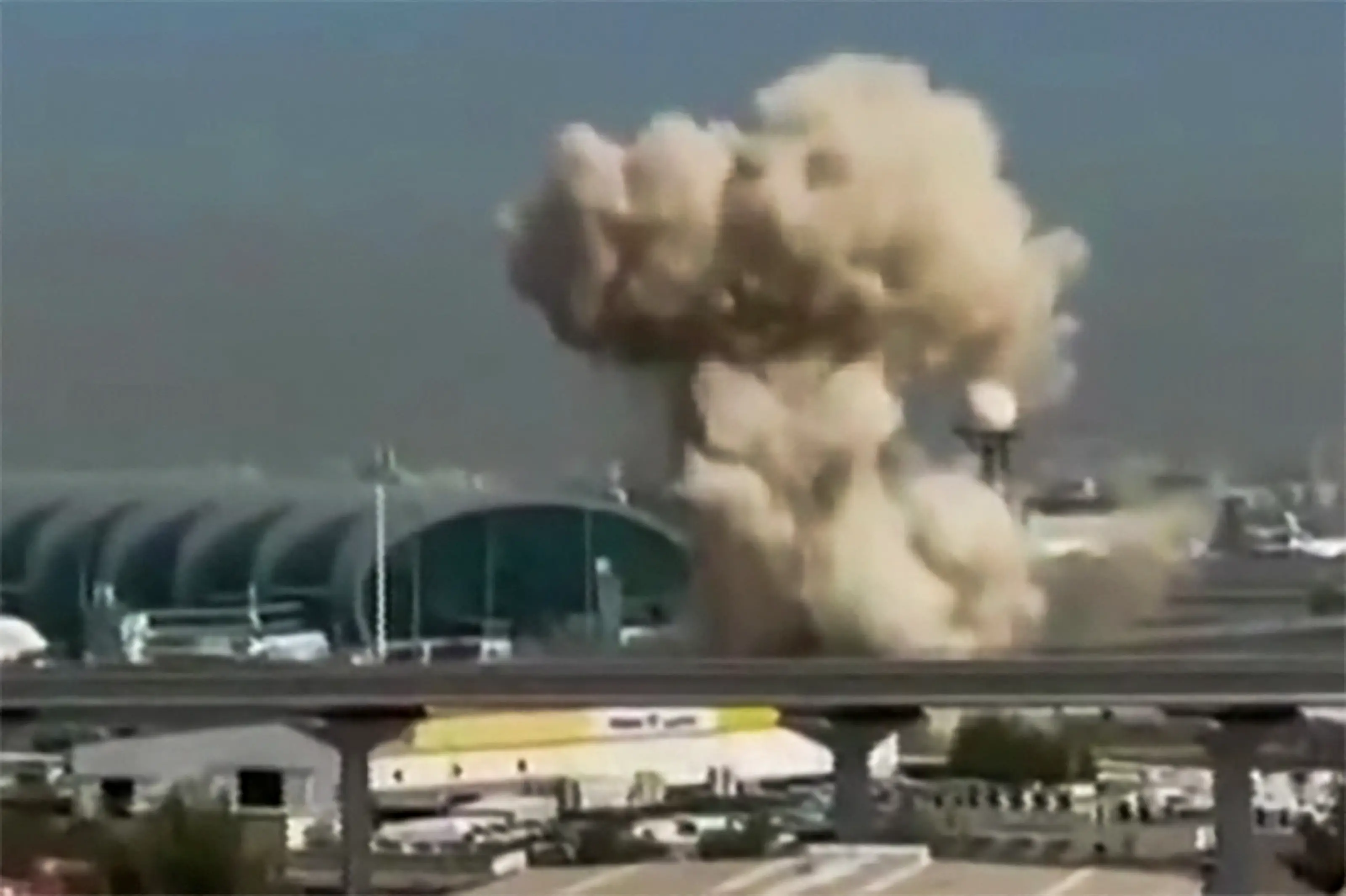
US military bases across the Gulf Cooperation Council (GCC) countries have come under attack, and drones have struck oil tankers, heightening regional tensions. Analysts at the Carnegie Endowment note that Gulf monarchies are caught between Iran’s aggression and US military pressure, with smaller states particularly vulnerable to the economic fallout. Local markets have reacted sharply to uncertainties in energy exports and investor confidence. Missiles from Iran directly struck three Amazon Web Services facilities, one in Bahrain and two in the UAE, prompting the company to advise GCC businesses to back up data and migrate operations to US-based centres. Despite efforts to diversify economies away from oil, the region remains heavily dependent on oil exports and food imports. Its longstanding reputation as a safe destination for conferences, tourism, and second-home owners is now under question.
Humanitarian and Social Pressures
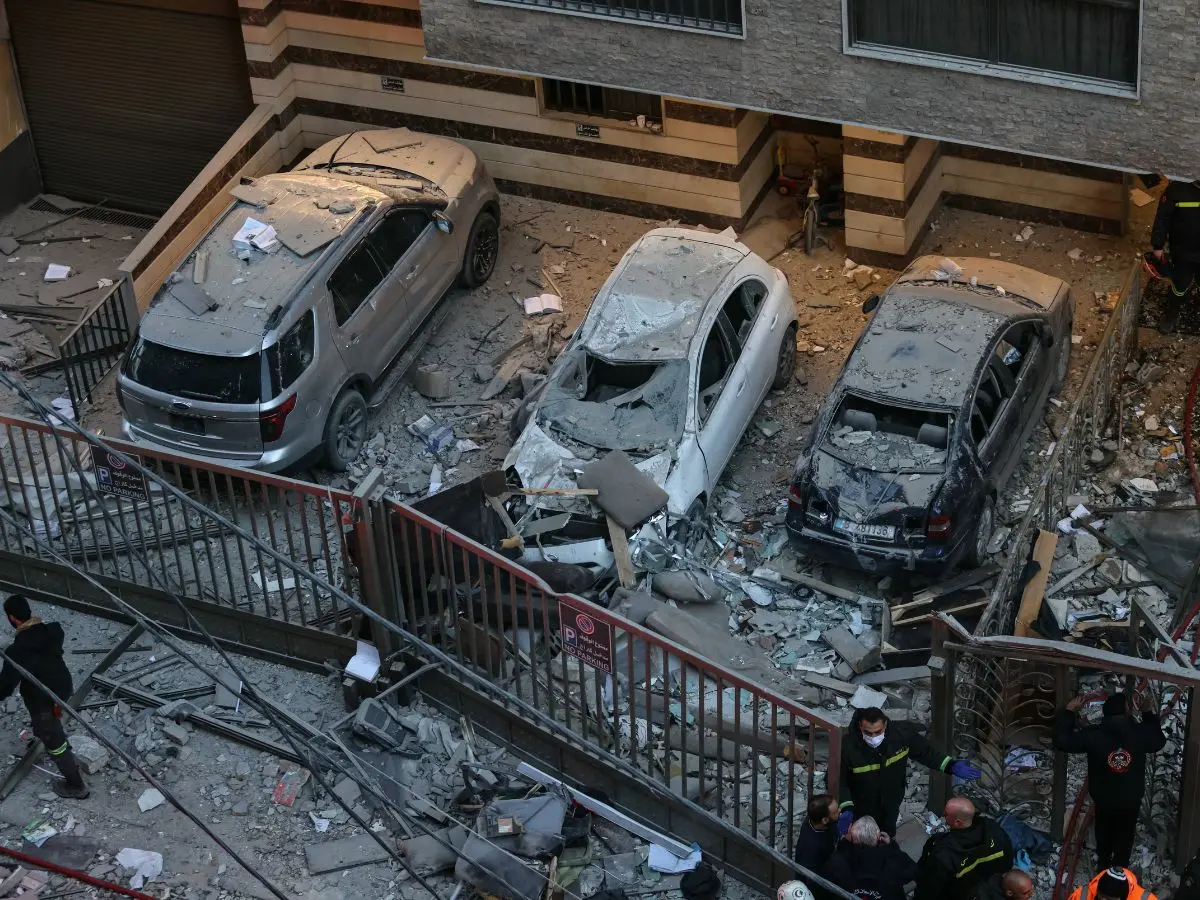
Beyond economic fallout, civilians across the Middle East are increasingly vulnerable. Iran’s UN ambassador says more than 1,300 civilians have been killed in Iran. In Lebanon, nearly 700,000 people are displaced; 486 have been killed and 1,313 injured. Attacks have also caused deaths in Iraq (15), Syria (4), the UAE (6), Saudi Arabia (2), Bahrain (2), Kuwait (6, including security personnel and a child), and Oman (1).
Shifts in Regional Alliances
The conflict highlights how Gulf security remains closely tied to the military presence of the United States. Bases in Bahrain, Qatar, and the United Arab Emirates play a central role in regional defense. However, the war also demonstrates that external protection does not eliminate the risk of missile or proxy attacks on Gulf territory. Oil-rich states may cushion the shock, while conflict-affected or import-dependent economies face greater instability, investment flight, and fiscal strain.
)
)
)
)
)