NEET-UG to move to computer-based test soon, NTA DG says ‘CBT is the future’

&imwidth=600&imheight=450&format=webp&quality=medium "NEET-UG to move to computer-based test soon, NTA DG says ‘CBT is the future’")
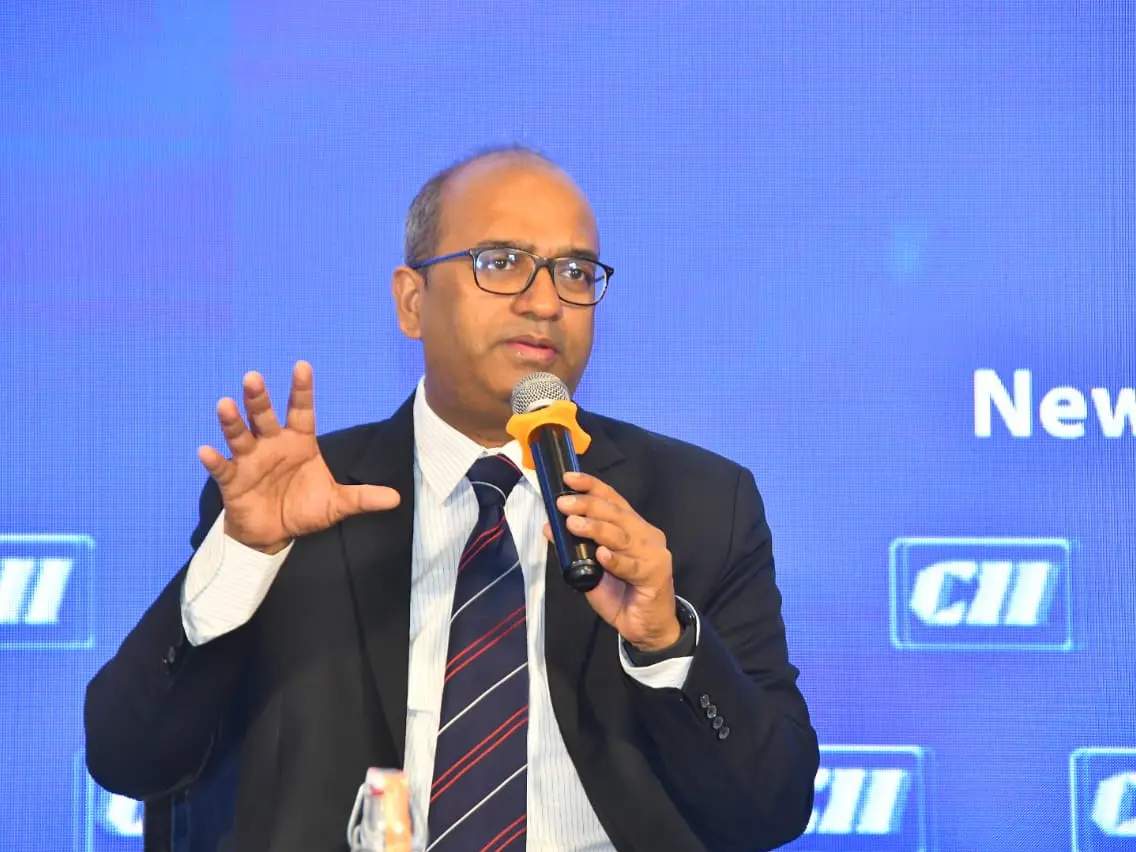
National Testing Agency Director General Abhishek Singh Photograph: (X | Abhishek Singh)
NEET-UG will move to a computer-based test format soon, NTA Director General Abhishek Singh has announced, ending the exam's reliance on OMR sheets.
National Testing Agency Director General Abhishek Singh has announced that the National Eligibility cum Entrance Test (NEET) will move to a Computer-Based Test (CBT) format. Traditional pen-and-paper OMR sheets will be phased out very soon, noting that "CBT is the future".
NEET UG remains the primary major paper-and-pencil exam in India, with ongoing policy initiatives targeting a CBT transition. “All our examinations are CBT (Computer-Based Test) except the NEET examination. On NEET also, we will be moving to CBT very soon,” said Singh.
"CBT requires augmenting this testing infrastructure, building up safeguards. So that is the future. Currently, the JEE examination, the UGC NET examination, the CUET examinations, the NIFT examinations all are done in CBT. So CBT is the future, so all our examinations will be CBT in the days to come," said the NTA DG.
NTA remains an autonomous body rather than a statutory entity without any parliamentary oversight. It is tasked with conducting centralised tests for the millions of students in India. The testing agency has faced unprecedented scrutiny, public outrage, and judicial pressure following the 2026 paper leak. The political fallout resulted in the resignation of the Education Minister Dharmendra Pradhan in July.
Also Read: Trump defends Lincoln Memorial pool amid NYT report blaming renovation flaws, not vandalism
NTA wants to provide solutions internationally
Trending Stories
)
&im=FitAndFill=(700,400))
)
)
)
)
)
)
)
&im=FitAndFill=(700,400))
)
&im=FitAndFill=(700,400))
)
)
)
)
)
)
)
)
)
)
)
)
)
)
)
)
)
)
)
)
)
)
)
)
)
)
)
The NTA DG also expressed NTA's desire to provide solutions internationally but emphasised that immediate operational priority remains strengthening its core infrastructure within India.
"Right now we are trying to consolidate our own testing framework. So first is to improve the systems and strengthen the processes within India so that we are able to conduct examinations without any error and in a completely fair manner. And once we have done that, the way we are visualising it is that we should be able to create something that can become like a digital public good that can be adopted by other countries, including the BRICS countries," said Singh.
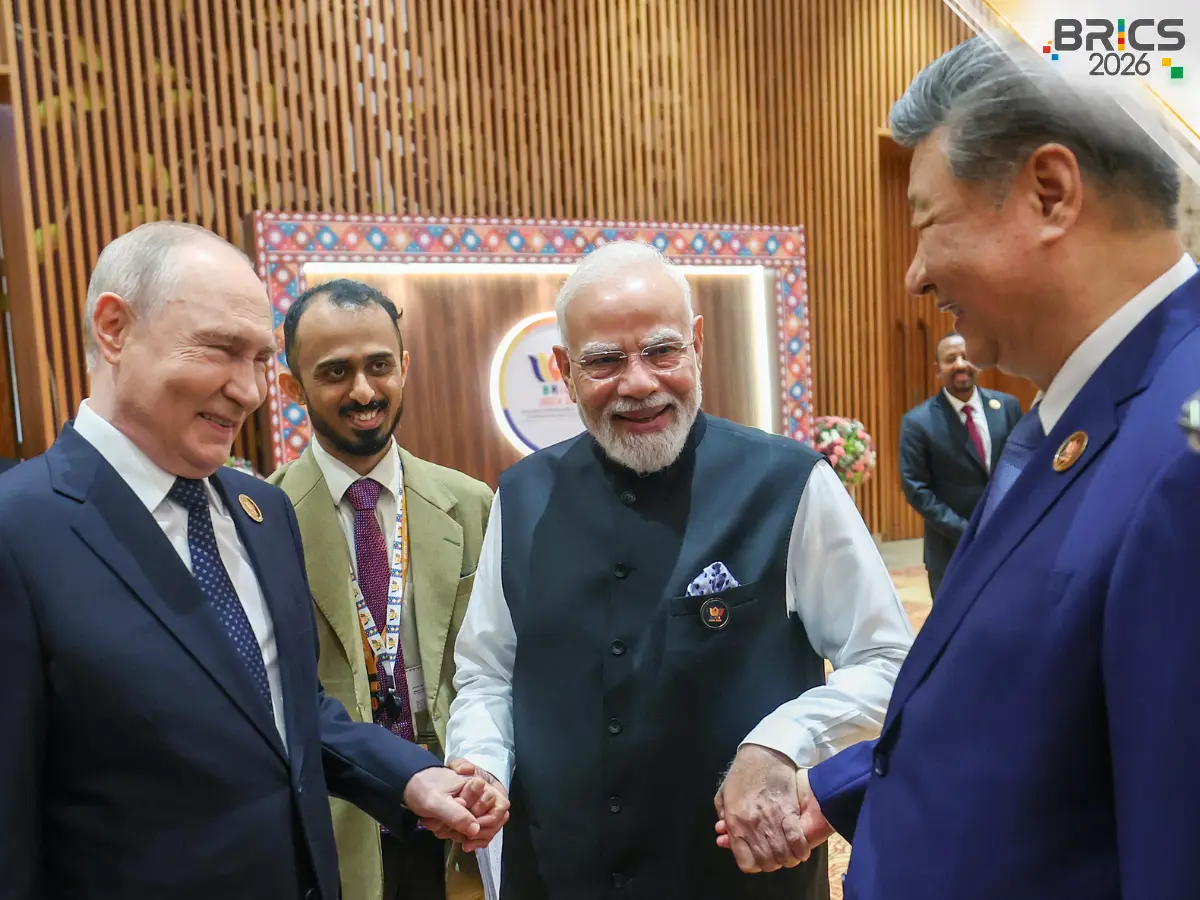
Speaking on the sidelines of the 18th BRICS summit, Singh was optimistic about addressing ongoing security challenges. He said that AI and biometric verification are central to NTA's fraud prevention strategy.
"We have Aadhaar based and face authentication method, which you use to verify there. So that is not a problem. With this Aadhaar database and the face authentication system, we have solved that problem, and we are using that face authentication framework in almost every examination that we conduct," said Singh.