Myanmar earthquake: Death toll nears 3,000, what are the survival chances of people trapped under rubble?

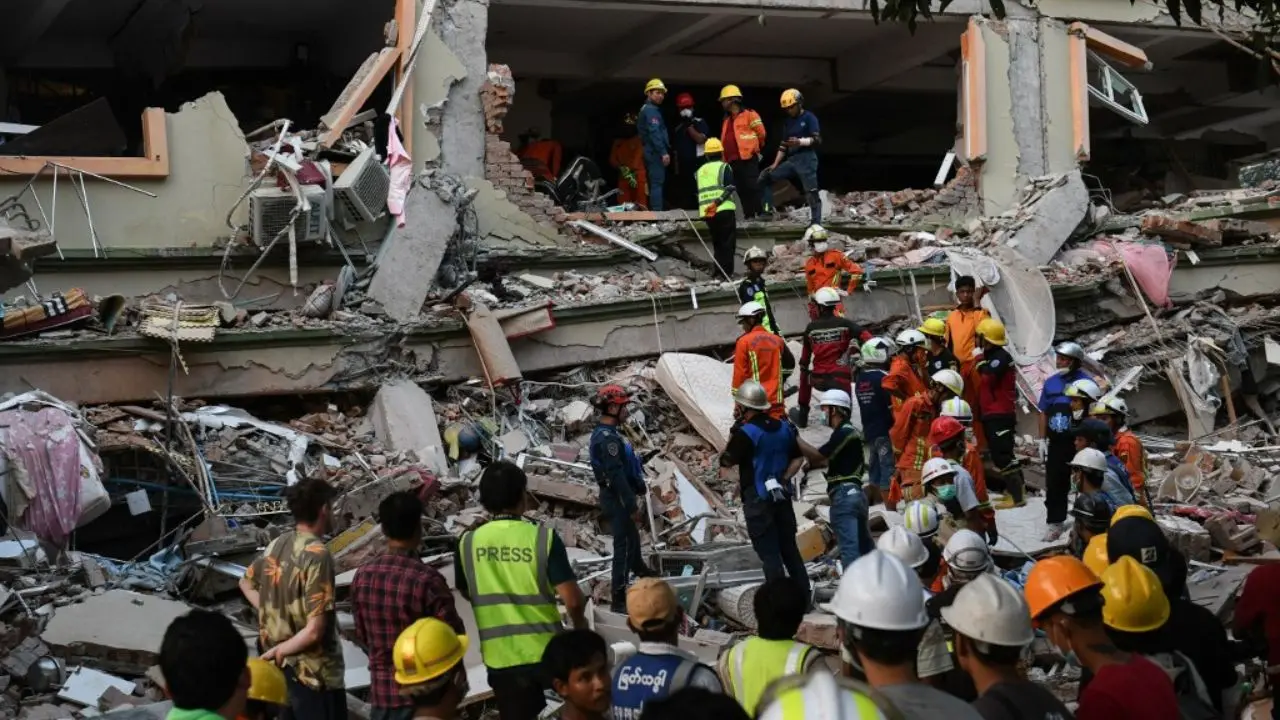
World | According to experts, the victims can survive for a week or more if their injuries are not too severe and the weather is not too hot or cold.
The death toll in Myanmar following a massive earthquake has risen to 2,719 on Tuesday (Apr 1), while 4,521 were wounded and over 400 remain missing, said junta chief Min Aung Hlaing. The toll is expected to climb to 3,000.
On Monday (Mar 31), a minute’s silence was observed to honour the victims of the destructive 7.7 magnitude quake that hit the country last week on Friday (Mar 28). The tremors also affected neighbouring countries, including Thailand, China, Vietnam and some parts of India, resulting in widespread damage and devastation.
Also read | Smallest coffins are the heaviest: Quake-hit Myanmar mourns death of 12 pre-school children

How long can trapped victims survive?
As rescue workers search for victims under the rubble following the earthquake, the question arises of how long the trapped people can survive. This also depends on weather conditions and access to water and air.
According to experts, the victims can survive for a week or more if their injuries are not too severe and the weather is not too hot or cold.
)
Why asking questions could be more important than memorising answers
&im=FitAndFill=(700,400))
Shahid Kapoor to Rajkummar Rao: Actors who rule both theatres and OTT
&im=FitAndFill=(700,400))
How 2nm technology improves iPhone performance
)
Did India risk its US trade deal despite softer stance at BRICS?
)
BRICS Summit 2026: Trump wants to weaken BRICS, but maybe doing the opposite
&im=FitAndFill=(700,400))
Meet top 5 batters fastest to 3000 runs in T20Is
)
Did BRICS Summit 2026 prove that an 11-member bloc with India and China in it can still agree on key issues?
)
Top 5 places to visit in Goa beyond its famous beaches
&im=FitAndFill=(700,400))
Why European Meteor missiles use ramjet engines compared to standard US solid rockets
)
'He is popular...': Malaysian PM Anwar Ibrahim's praise for PM Modi during bilateral meeting | WATCH
)
BRICS Summit 2026: PM Modi, Xi reach key consensus on ties, China to assume BRICS chairmanship in 2027
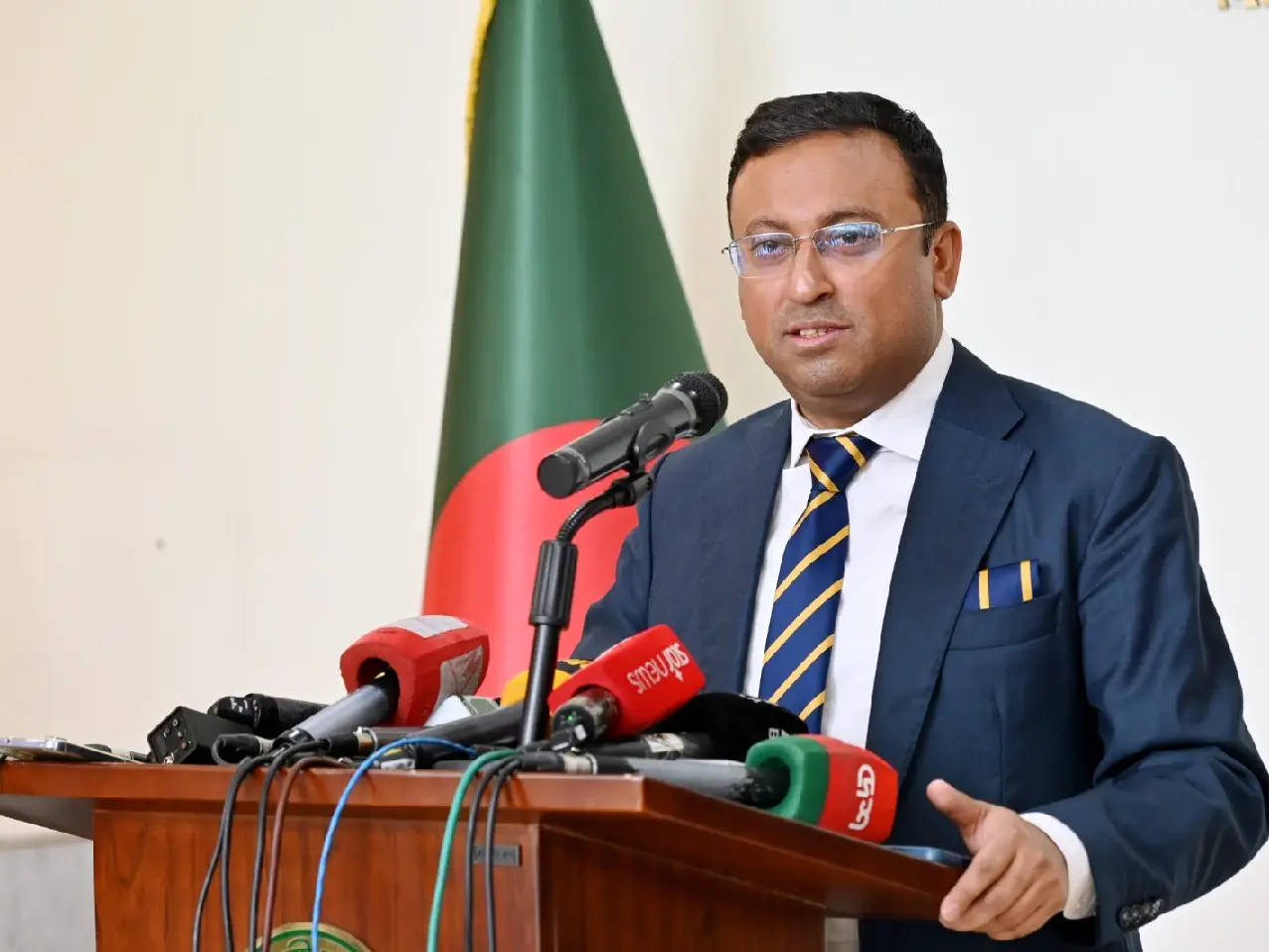)
‘Want to reset ties with India, have engagement based on mutual interests,’ says Bangladesh minister
)
Russia-Ukraine-US talks in October? Kremlin says not ruling out possibility of trilateral
)
UK breakup on the cards? Scotland, Wales and Northern Ireland push for independence
)
Trump says Canada eager to reach a deal, it could come ‘fairly soon’ if Ottawa treats US farmers better
)
The Verdict | Africa is too big to remain a guest at the BRICS table
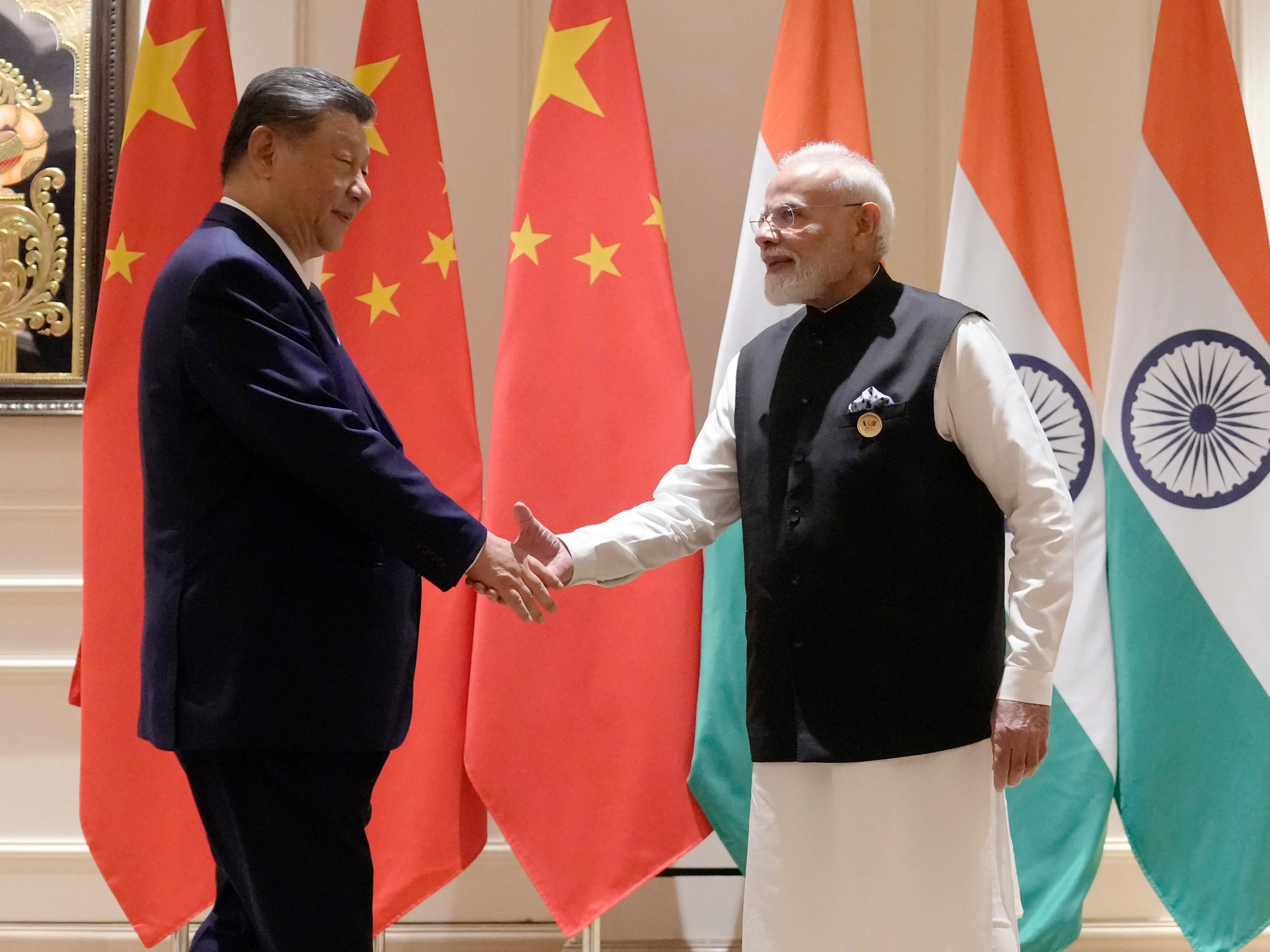)
‘Partners, not rivals’: Xi outlines four point plan for stronger India-China ties
&im=FitAndFill=(700,400))
Why Chinese PL-15 air-to-air missiles use dual-pulse motors compared to European interceptors
)
'It’s going to be a war': Ben Shelton on facing Zverev in US Open title clash
)
NATO under Russian threat? Drone strikes just 2 km from Poland, narrow escape for former UK PM, CIA chief
)
Trump defends Lincoln Memorial pool amid NYT report blaming renovation flaws, not vandalism
)
'80% of Indians are non-vegetarian': Rahul Gandhi slams BRICS Summit dinner menu, BJP calls it 'politics on food menu'
)
BRICS Summit: New Delhi declaration adopted with full consensus, big diplomatic win for India
)
800 million years old - Scientists discover 'fingerprints' of supercontinent Gondwana in ancient rocks
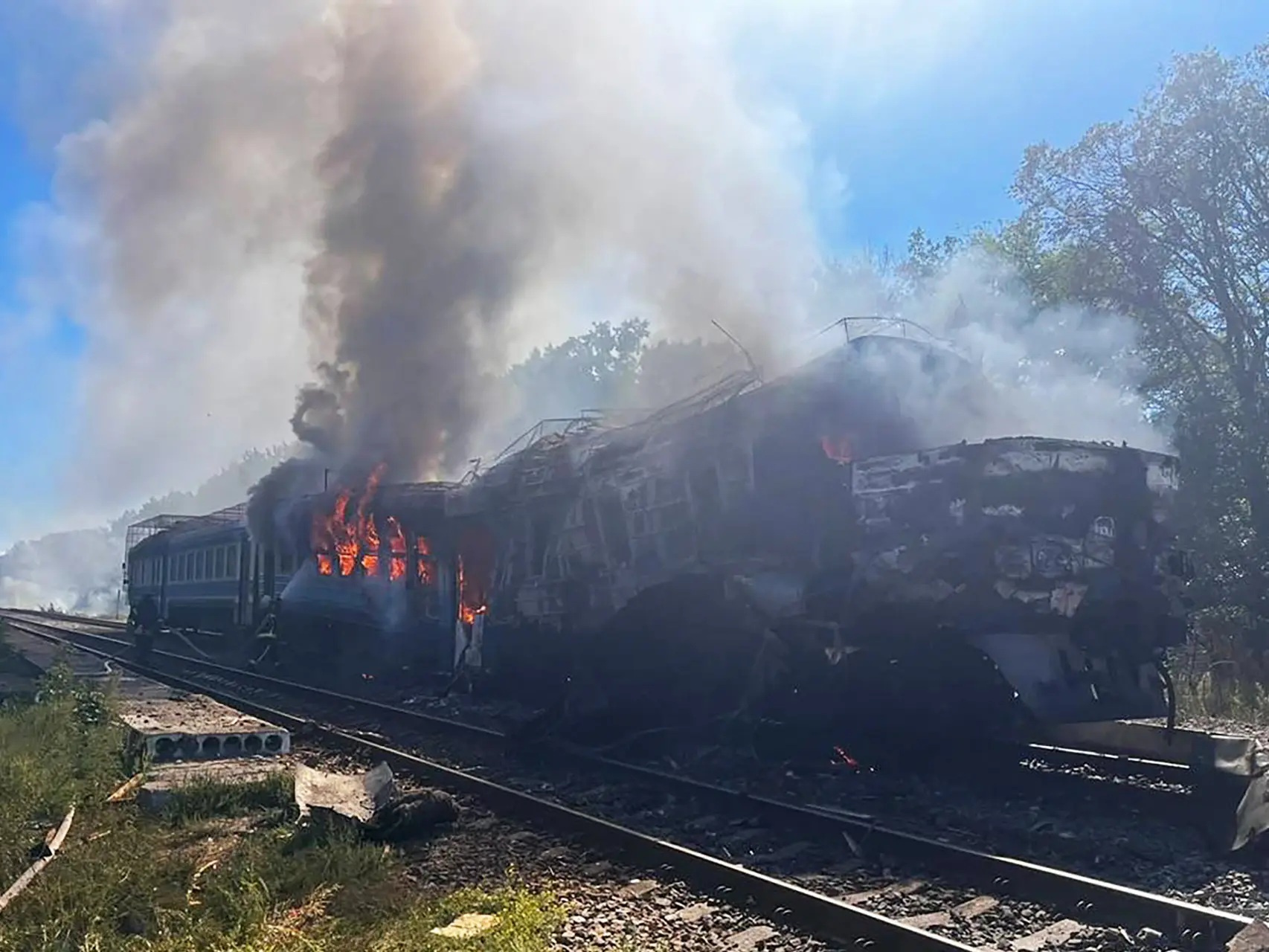)
Russian drone hits Warsaw-bound train near Polish border, Zelensky accuses Moscow of ‘deliberate’ targeting
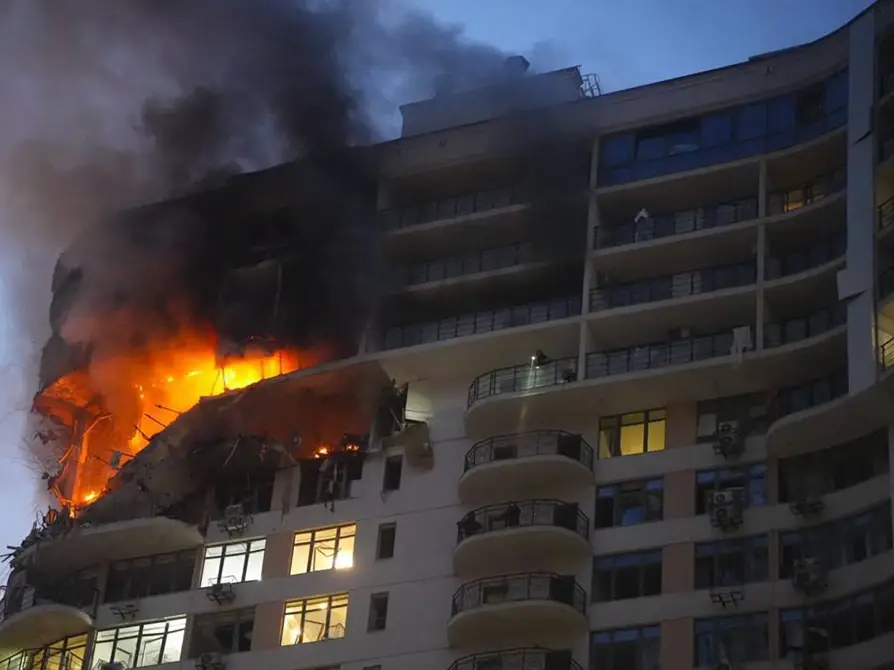)
War is making Russia stronger? How Ukraine is shaping Moscow’s next generation of weapons
)
BRICS Summit 2026: Russia-India-China grouping never formalised
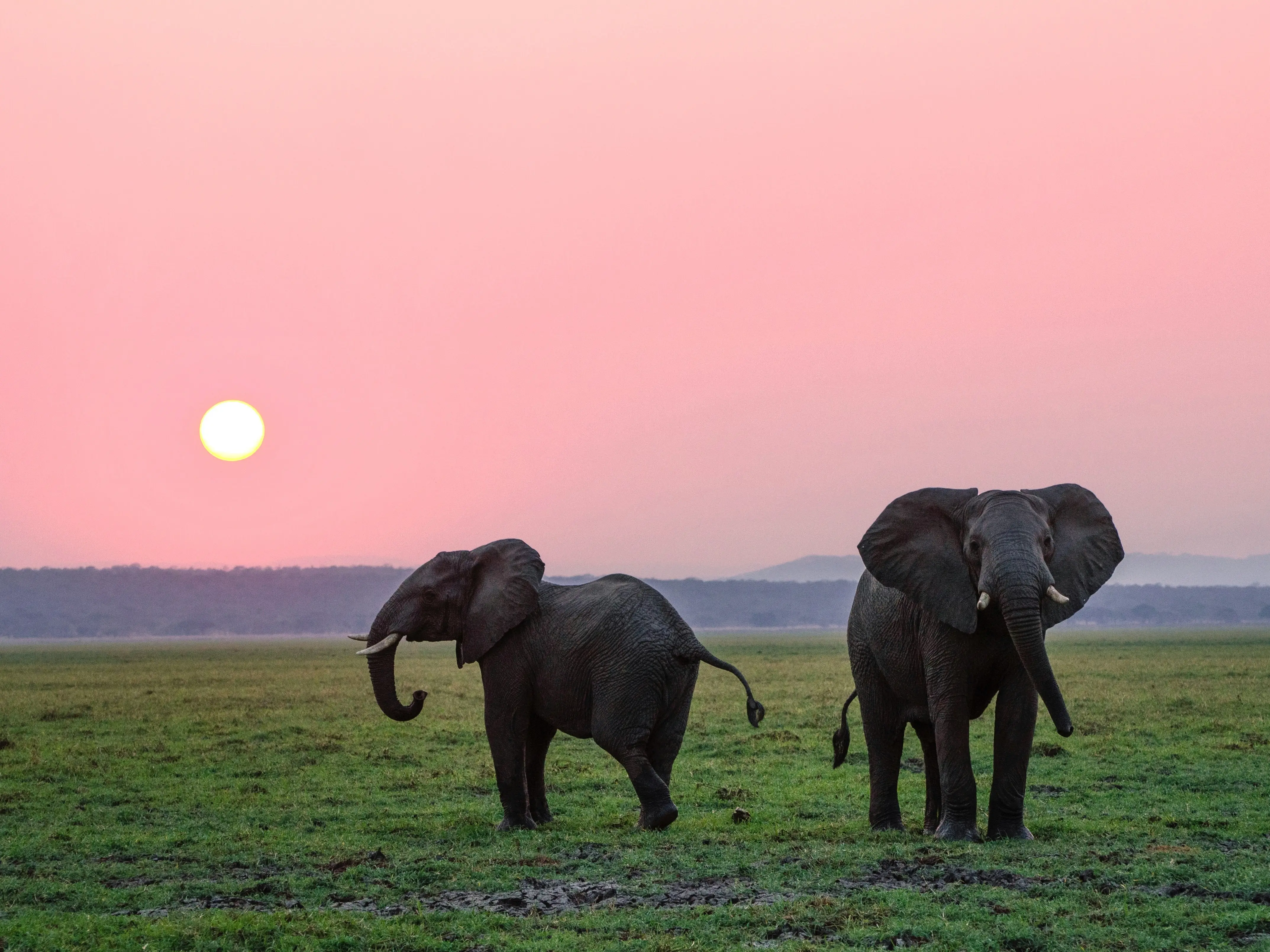)
From severe mobility problems to recovery: Madhuri the elephant’s journey of wildlife care
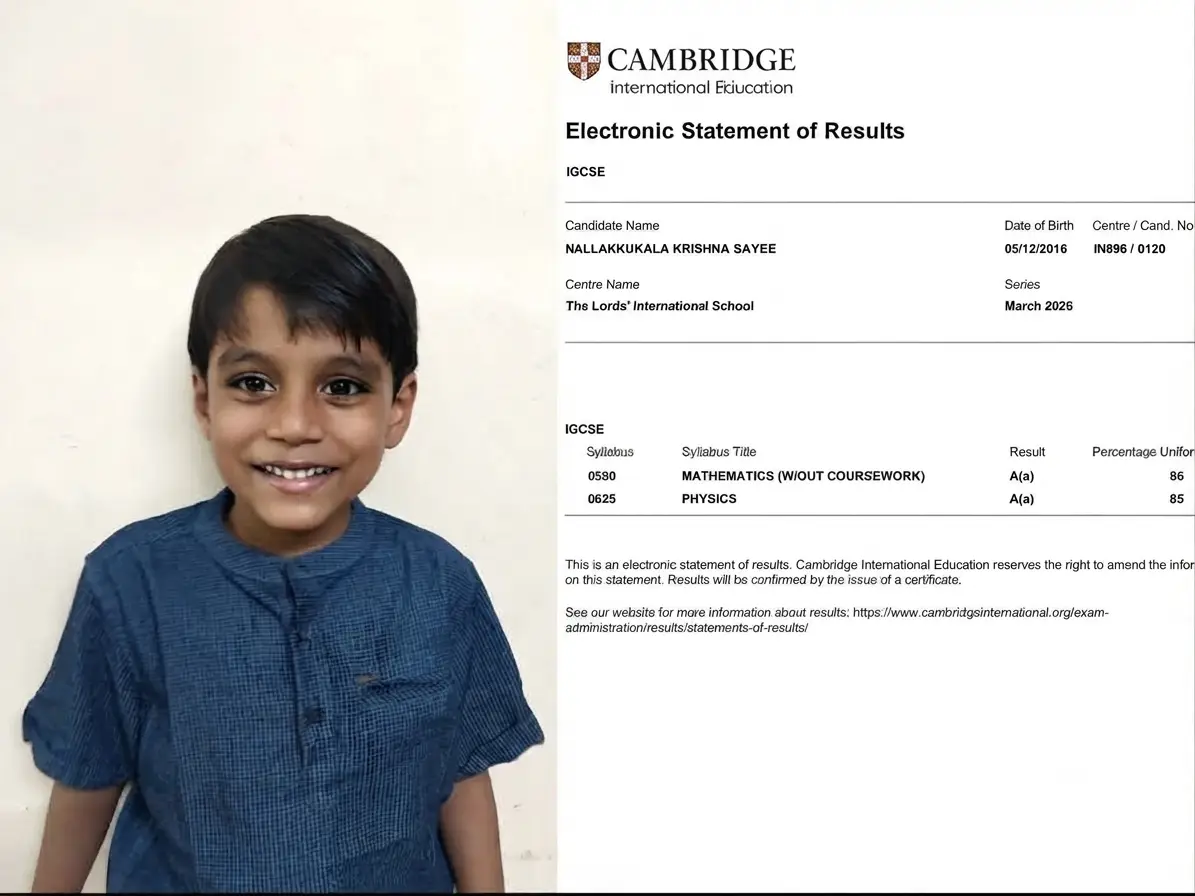)
9-year-old Chennai prodigy clears Cambridge IGCSE grade 10 exams
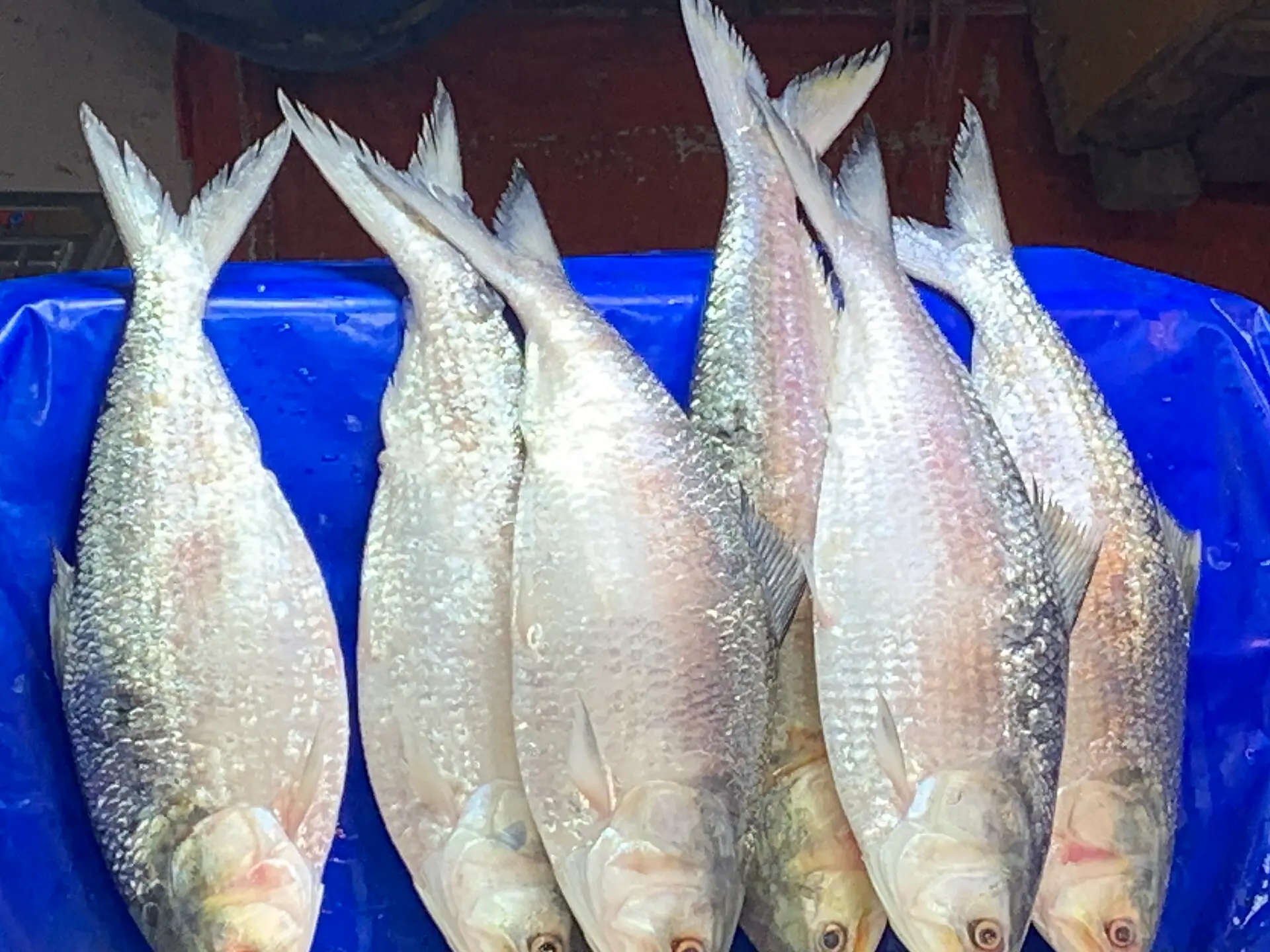)
Indian importers urge Bangladesh to lift export ban on 'Hilsa' fish ahead of Durga Puja
)
Humans may lose control of AI: Anthropic CEO calls for slowdown, Altman, Musk back him
)
US diplomat accused of possessing child abuse images secretly flown out of UK by US Marines
)
BRICS Summit 2026: Modi-Xi moment highlights India-China thaw at BRICS
)
Why does your skin need protection from UV rays?
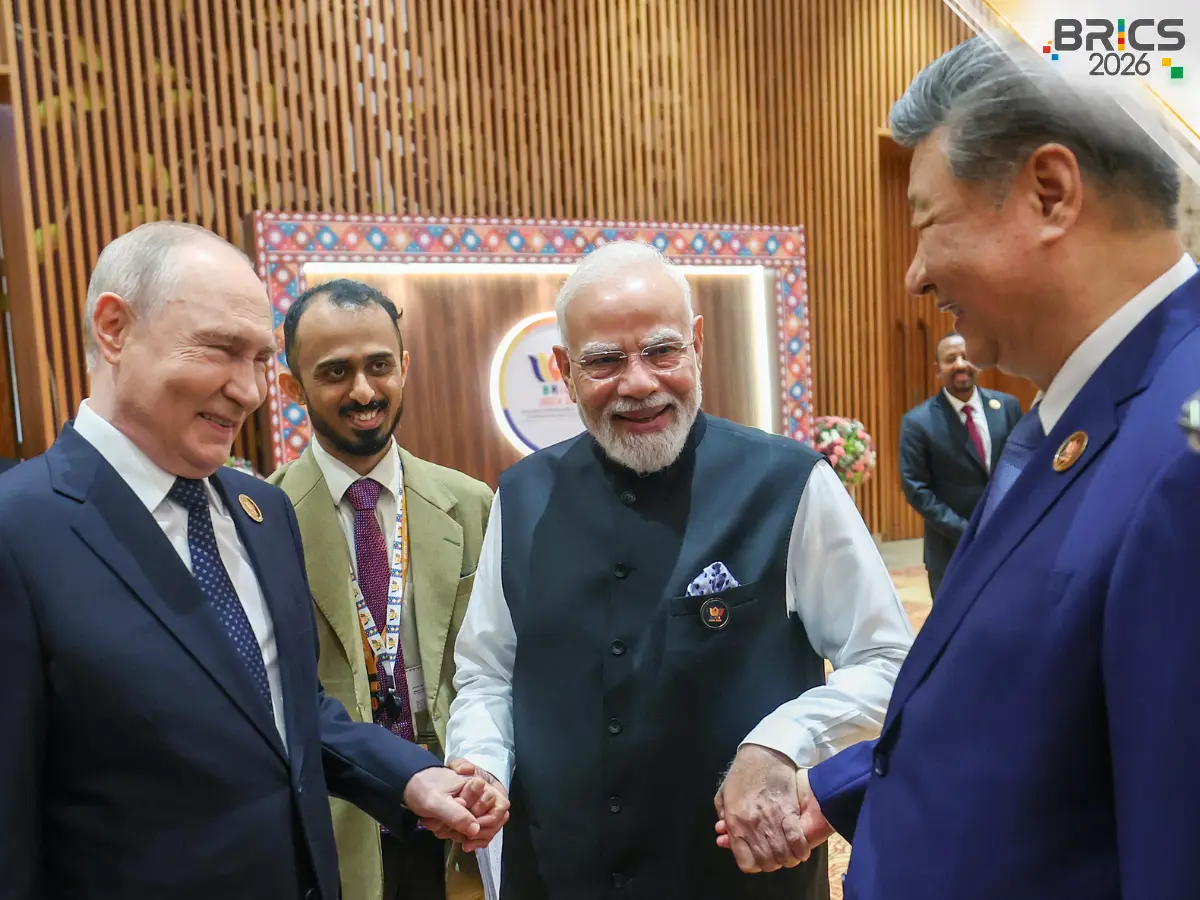)
PM Modi and China's Xi offered to help resolve Russia-Ukraine war: Kremlin
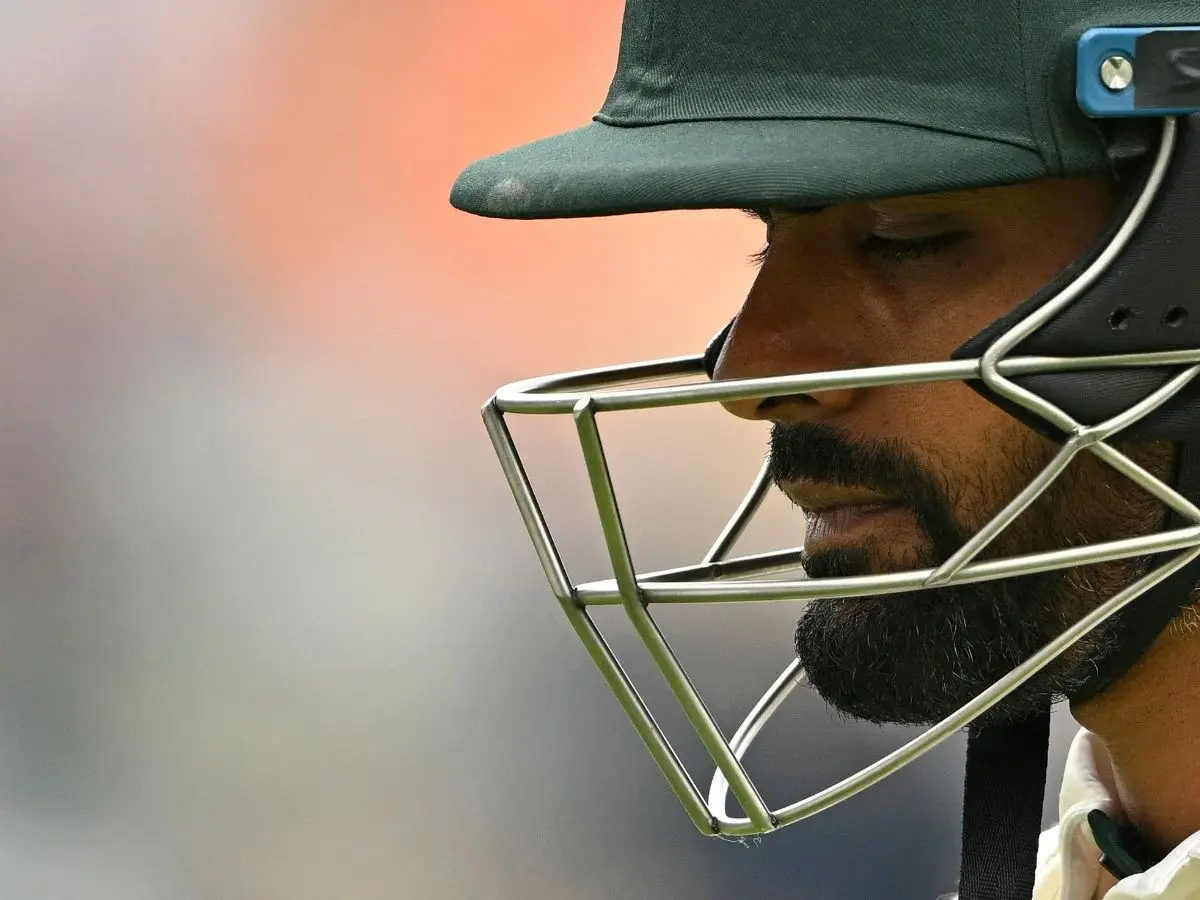)
Akram, Afridi, Mushtaq tear into PCB after Pakistan’s Test series collapse in UK
Also read | Myanmar earthquake: India hands over 50 tonnes of relief material as death toll surpasses 2,000
Most rescues take place within 24 hours after a disaster, as the chances of survival reduce every day after that, they added, as cited by AP. The majority of the victims are badly hurt or buried by falling debris.
Geophysicist Victor Tsai from Brown University told AP that chances of survival increase if the victim is in a debris-free pocket called void space, like a sturdy desk, which could keep them safe while they wait for the rescue.
Expert Dr. Joseph Barbera, an associate professor at George Washington University, noted that fire, smoke or hazardous chemicals released in a building collapse may reduce the chances of survival.
Apart from this, having air to breathe and water to drink are also necessary for survival as the days go on.
“You could survive a while without food,” Barbera said. “You could survive less without water.”
The temperature can also affect the survival chances of a victim trapped inside the debris, while outside temperature can affect the rescue operations.
Also read | A tear, a sniffle, a cry: Eid prayers offered amid devastation in earthquake-hit Myanmar
The power outages and poor communication have affected the relief operations in Myanmar as the rescuers search for survivors in temperatures above 40 degrees Celsius. A lack of heavy machinery has also slowed down the rescue efforts.
Barbera added that it is crucial that survivors receive vital medical care before they are removed from the rubble, otherwise, the buildup of toxins due to crushed muscles could result in them going into shock after they are rescued.
(With inputs from agencies)

