Missiles and deals at the same time? US-Iran war and peace dichotomy explained through history

&imwidth=600&imheight=450&format=webp&quality=medium "Missiles and deals at the same time? US-Iran war and peace dichotomy explained through history")
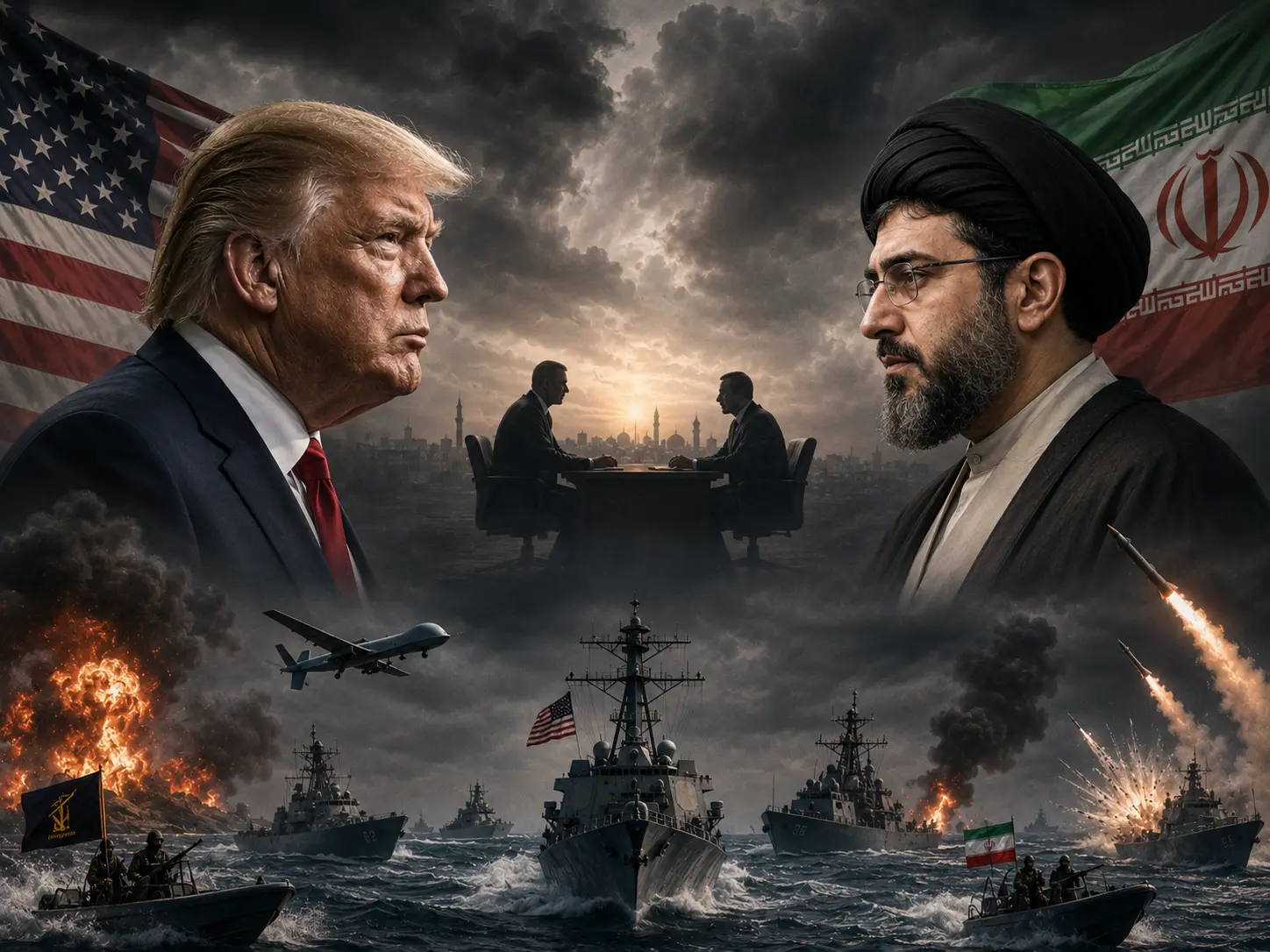
Trump says 'we'll make a deal,' Tehran attacks ships in Hormuz: US-Iran's diplomacy-discord explained via history Photograph: (AI-Generated image)
US-Iran diplomacy can look absurd from the outside: missiles in Hormuz, peace talks in parallel. But history shows this is not a contradiction, it’s a pattern. From the Tanker War to Iraq, Washington and Tehran have often fought publicly while negotiating privately. Let's look at history.
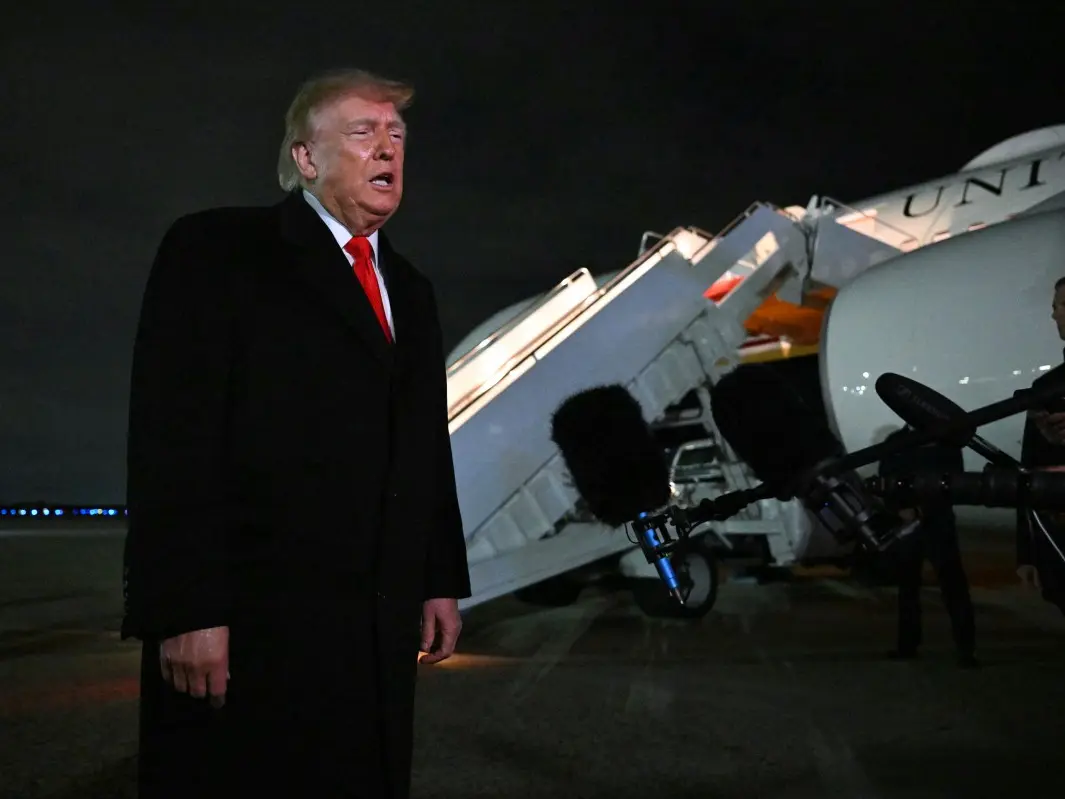
The United States and Iran are once again doing something that, on paper, sounds impossible: talking peace while flirting with open conflict. Even as US President Donald Trump hints that a diplomatic breakthrough may be within reach, the Strait of Hormuz is looking increasingly like a war zone. "We've had very good talks over the last 24 hours, and it's very possible that we'll make a deal," Trump told reporters on Wednesday (May 6), and just a day later, on Thursday (May 7), Iran attacked three American warships in the Strait of Hormuz.
So, what's going on? Even as naval clashes, missile exchanges, drone threats, commercial shipping disruptions continue, there are talks of a deal. How can these contradictory things be possible? Contradictory? Maybe. Unprecedented? Not even close. History may have the answer.
Iran and US: A relationship marked with diplomacy and discord
If history says anything about US-Iran relations, it is this: diplomacy and confrontation are often not opposites. In this relationship, they frequently happen together. Let's examine history.
The 1980s proved it first
Trending Stories
&im=FitAndFill=(700,400)&imwidth=280&imheight=210&format=webp&quality=medium)
&imwidth=280&imheight=210&format=webp&quality=medium)
&imwidth=280&imheight=210&format=webp&quality=medium)
&imwidth=280&imheight=210&format=webp&quality=medium)
&imwidth=280&imheight=210&format=webp&quality=medium)
&imwidth=280&imheight=210&format=webp&quality=medium)
&imwidth=280&imheight=210&format=webp&quality=medium)
&imwidth=280&imheight=210&format=webp&quality=medium)
&imwidth=280&imheight=210&format=webp&quality=medium)
&imwidth=280&imheight=210&format=webp&quality=medium)
&imwidth=280&imheight=210&format=webp&quality=medium)
&imwidth=280&imheight=210&format=webp&quality=medium)
&imwidth=280&imheight=210&format=webp&quality=medium)
&imwidth=280&imheight=210&format=webp&quality=medium)
&imwidth=280&imheight=210&format=webp&quality=medium)
&imwidth=280&imheight=210&format=webp&quality=medium)
&imwidth=280&imheight=210&format=webp&quality=medium)
&imwidth=280&imheight=210&format=webp&quality=medium)
&imwidth=280&imheight=210&format=webp&quality=medium)
&imwidth=280&imheight=210&format=webp&quality=medium)
&imwidth=280&imheight=210&format=webp&quality=medium)
&im=FitAndFill=(700,400)&imwidth=280&imheight=210&format=webp&quality=medium)
&imwidth=280&imheight=210&format=webp&quality=medium)
&imwidth=280&imheight=210&format=webp&quality=medium)
&imwidth=280&imheight=210&format=webp&quality=medium)
&imwidth=280&imheight=210&format=webp&quality=medium)
&imwidth=280&imheight=210&format=webp&quality=medium)
&imwidth=280&imheight=210&format=webp&quality=medium)
&im=FitAndFill=(700,400)&imwidth=280&imheight=210&format=webp&quality=medium)
&imwidth=280&imheight=210&format=webp&quality=medium)
&imwidth=280&imheight=210&format=webp&quality=medium)
&imwidth=280&imheight=210&format=webp&quality=medium)
The clearest parallel comes from the Iran-Iraq War era, specifically the Tanker War of the 1980s.
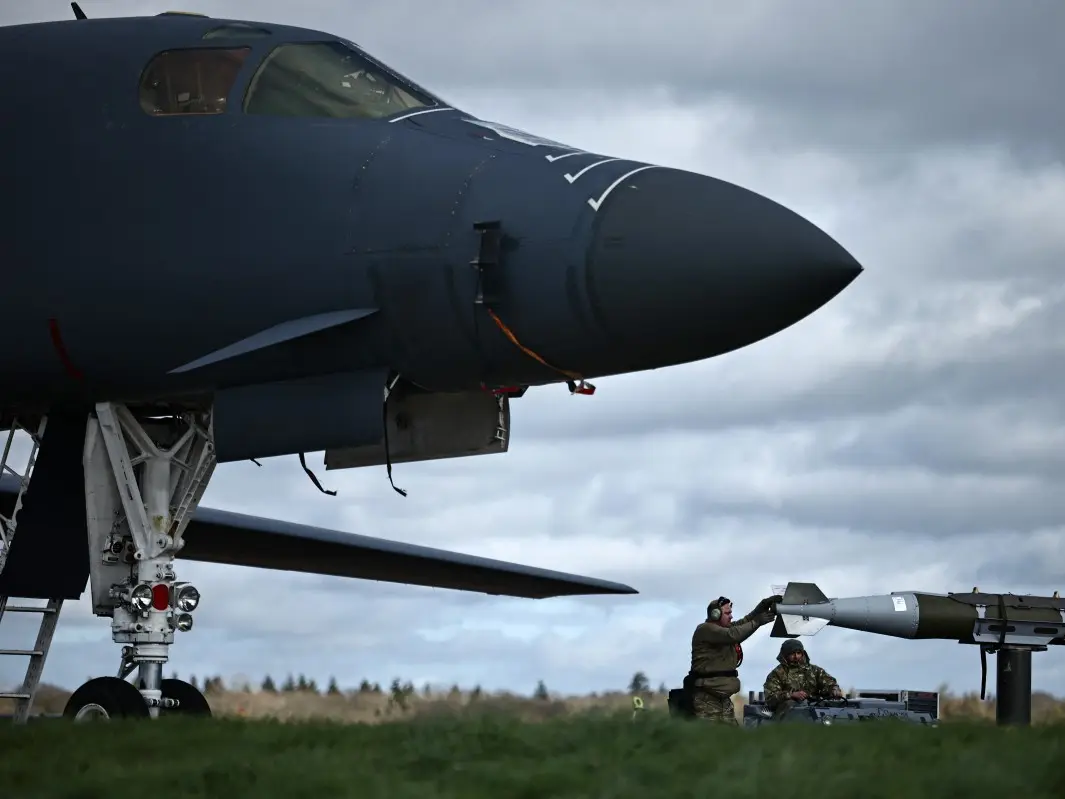
Back then, as Iran and Iraq attacked oil tankers across the Gulf, the United States entered the fray under Operation Earnest Will, escorting Kuwaiti tankers and directly confronting Iranian naval tactics. Iran used mines, swarm boats and asymmetric harassment. Washington retaliated hard, most dramatically in 1988’s Operation Praying Mantis after the USS Samuel B. Roberts struck an Iranian mine.
American and Iranian forces were actively clashing at sea. And yet, even then, diplomacy never fully stopped. Behind the scenes, covert US-Iran contacts continued through what later exploded into the Iran-Contra scandal. What happened? Public hostility and private negotiations; in the same timeline.
This pattern did not end there
The pattern resurfaced earlier this century, after 9/11, when Iran quietly cooperated with the US against the Taliban in Afghanistan even as mistrust remained deep.
It appeared again during the Iraq Proxy War, when Iranian-backed militias like Asa’ib Ahl al-Haq used sophisticated Iranian-made explosives (EFPs) to target US military vehicles, causing hundreds of American casualties, while diplomats from both sides still held talks in Baghdad (2007) over regional stability.
This is the pattern: fight, negotiate, pressure, bargain.
2026 looks familiar
Today's crisis appears to be following that same script. President Donald Trump says a deal is "very possible" after what he described as "very good talks," even as naval skirmishes and military posturing continue in the Gulf. Reports of a possible truce suggest diplomacy is active, even while both sides continue projecting strength.
The real lesson
When it comes to Washington and Tehran, military escalation does not always mean diplomacy is dead. Sometimes, paradoxically, it means diplomacy is being sharpened.
The Strait of Hormuz may look like a battlefield right now. But history suggests sea clashes and peace talks are not mutually exclusive. For the US and Iran, they may simply be two sides of the same negotiation.
Disclaimer: WION takes utmost care to accurately and responsibly report ongoing conflicts in West Asia involving Israel, Iran, US, Gulf nations and non-state actors like Hezbollah, Hamas, Houthis, Islamic State, and others. Claims and counterclaims, disinformation and misinformation are being made online and offline. Given this context, WION cannot independently verify the authenticity of all statements, social media posts, photos and videos.

