London chemical attack suspect, Abdul Ezedi was not deported despite being convicted of sex crime. Here’s why


Abdul Ezedi
As the manhunt for suspected chemical attacker Abdul Ezedi resumed on Monday (Feb 12) after the police found two “unexpected” bodies in the River Thames amid the search, a report by The Times claims to have found how migrants convicted of murders and sex crimes escape deportation from the United Kingdom.
Police resume search for Ezedi
The police, on Saturday (Feb 10) recovered two male bodies in theRiver Thames whilesearching for Ezedi, the suspect behind the chemical attack, which left several people in Clapham, south London injured after he allegedly threwa “corrosive substance” at them.

However, as per British media reports, it is also understood that the bodies were found not as a direct result of the search operation for the chemical attack suspect and neither of the bodies was identified as that of Ezedi.
The police said that it is believed that the chemical attack suspect had “gone in the water” a few hours after the attack on January 31. They later said he may have drowned.
)
Trump-Xi Summit: Trade, Taiwan and the red lines shaping US-China talks | Race To Power
)
US citizen injured in Illinois after ICE agents mistook him for fugitive, hospitalised
)
US judge questions Trump’s decision to ban CNN, MS NOW and Politico from White House
)
Afghan woman cyclist who disguised herself as a boy to escape Taliban, wins Asian Games medal
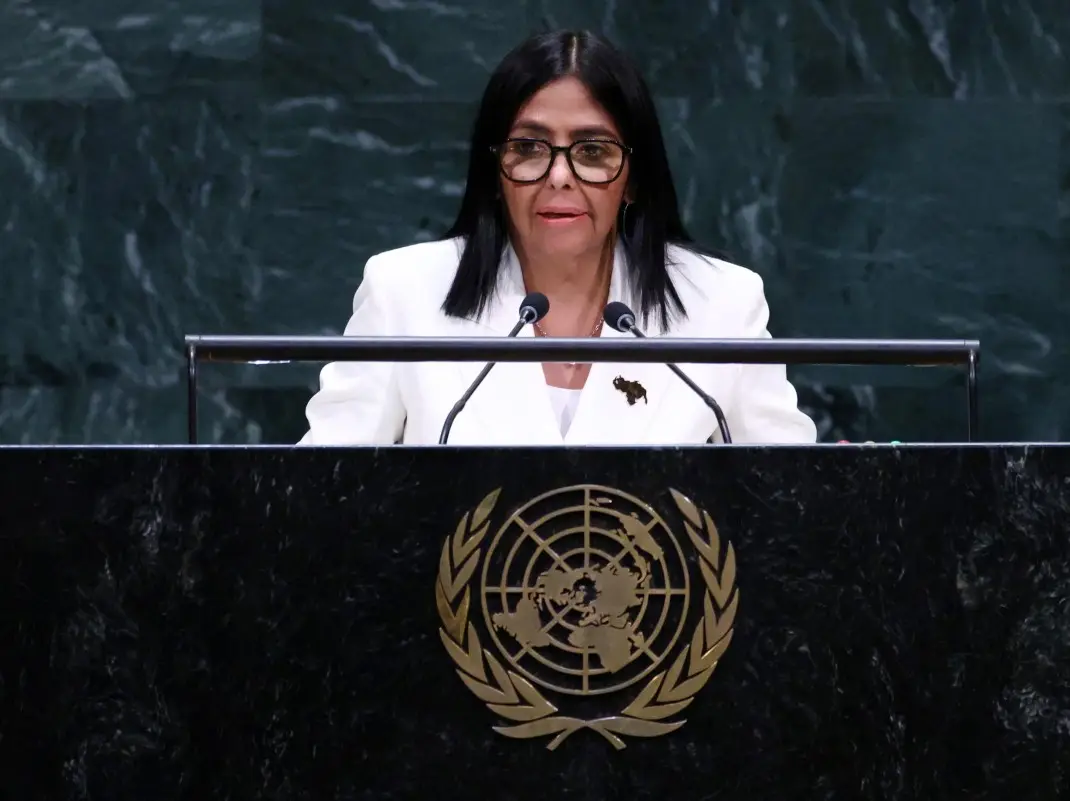)
'There will be elections': Venezuela's interim leader Delcy Rodriguez makes big announcement at UN
)
IIT Bombay CCTV footage emerges: Sahil Wakode seen looking at phone in examination hall
)
Cyclone Arnab: Landfall expected before midnight tomorrow as IMD issues orange alerts across six states
)
9 killed, several injured as tourist bus catches fire on Yamuna Expressway
)
NBA player Steven Adams shares hilarious GTA VI theory
)
WION Iconic Tourism Summit 2026: Union Minister Shekhawat on 'experiential travel', peace diplomacy
)
ICC plans T20I expansion and fewer ODIs in 2027–2031 FTP cycle: Report
)
'AI got into my speech': Prince Harry jokes after teleprompter failure at event in New York
)
Scientists detect first radio signals directly from faraway planet
)
China to test supersonic jet that moves at Mach 2, double the speed of sound
)
WION Iconic Tourism Summit: 'Hanuman Ansh' Director on blockbuster success
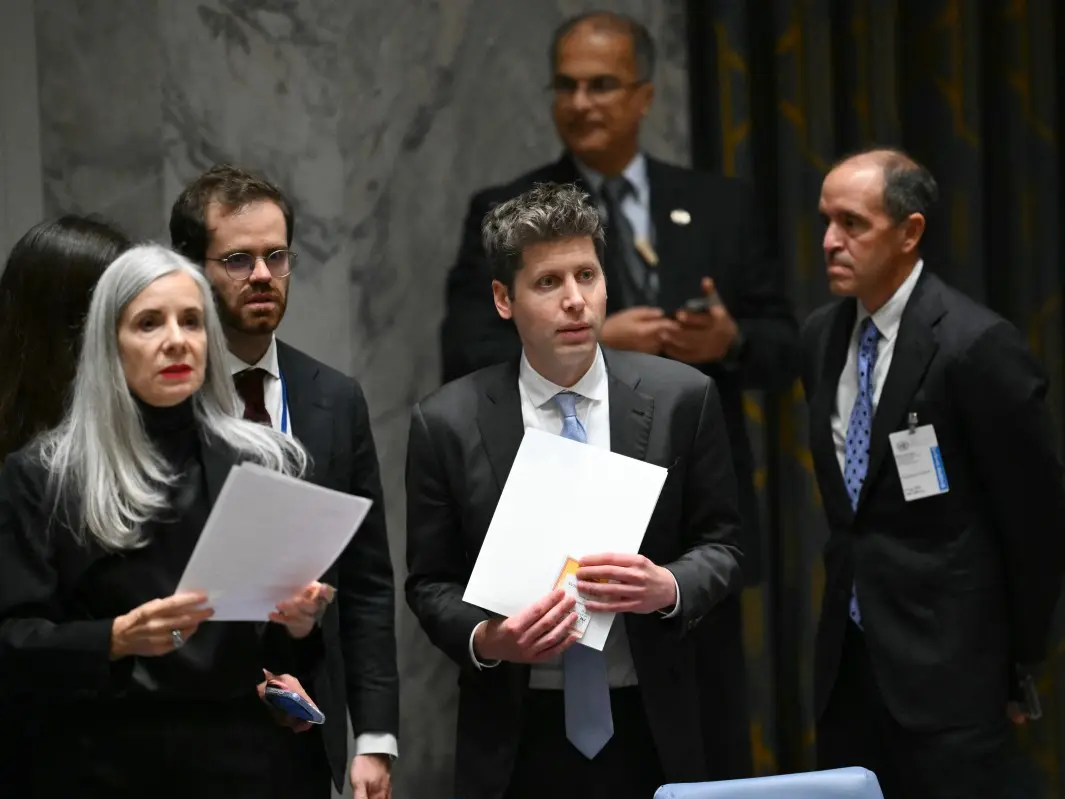)
Open AI, Anthropic CEO urges caution over rapid AI development at UN Security Council, call for 'extreme care'
)
Bomb scare in New York amid UNGA: Suspicious suitcase found near UN headquarters
)
Hours before Xi-Trump meeting, US announces visa curbs targeting birth tourism: What is it?
)
'Partners rather than rivals': Xi Jinping's first message after landing in US for Trump summit
)
WION Iconic Tourism Summit: Is India's travel boom outrunning its airports, airlines and hotels?
)
WION Iconic Tourism Summit and Awards 2026: Key voices to discuss India’s tourism future
&im=FitAndFill=(700,400))
New OTT releases this week (September 21-27, 2026): Shaque: Trust No One, Hunkkaar, Don’t Be Shy- 5 new titles coming to Netflix, Prime Video and more
)
WATCH | China President Xi Jinping lands in US as Trump greets him ahead of high-stakes summit
)
Australian PM Anthony Albanese calls OpenAI AI incident 'unacceptable' after restricted data access
)
'What kind of confession is this?': Pakistan PM Shehbaz Sharif’s 'terrorists would be roaming New York' remark goes viral, raises alarm online. Watch
)
WION Iconic Tourism Summit: How local tourism MSMEs must upskill for AI integration
)
Eight USS Abraham Lincoln sailors attempted suicide, Acting Navy Secretary says
)
Pilot recreates Mona Lisa in sky over Oklahoma and Arkansas in four-hour flight: VIDEO
)
Elephants hide behind trees, stage surprise attack on poachers targeting rhinos in South Africa
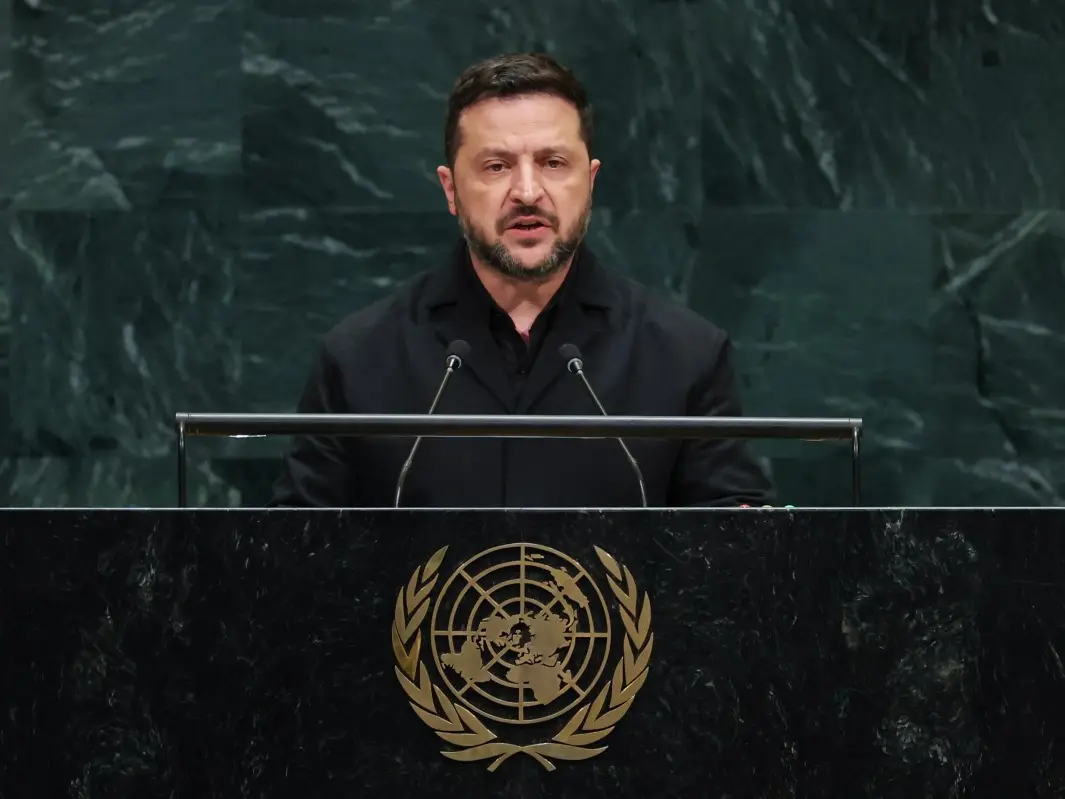)
'Putin is patient zero': Zelensky slams Russian president at UNGA, accuses him of using fighters from 47 countries
&im=FitAndFill=(700,400))
National Film Awards 2026: Kartik Aaryan, Mammootty, Yami Gautam, Randeep Hooda and other key winners
)
El Niño 2026 heats up to become strongest in 1,000 years
)
Israeli envoy to US Yechiel Leiter’s son critically injured in West Bank ramming attack
&im=FitAndFill=(700,400))
Trump welcomes Xi Jinping in rare airport gesture: Photos from Chinese President's arrival in US
)
Xi-Trump meeting: China’s human rights red line and past protests explained
How did Ezedi manage to stay in the UK?
A report by The Times, a British daily newspaper, on Monday, said that it found that over the years migrants, including those convicted of murder and sex crimes, have managed to avoid being deported claiming that they have converted to Christianity.
According to the report, migrants in UK courts have argued that if they returned to their home countries they would be persecuted due to their apparent conversion.
In Ezedi’s case, he arrived in the UK illegally in 2016 after fleeing from Afghanistan and was granted refugee status by 2022 on his third attempt. This was despite him pleading guilty to sexual assault and exposure charges in 2018.
He was granted refugee status on the basis that he had apparently converted to Christianity after an appeal tribunal – Upper Tribunal’s immigration and asylum chamber, the final stage of legal appeal before deportation – ruled in his favour.
The grant came after a priest vouched for Ezedi saying that he had converted to Christianity. It is understood the priest in question was not Roman Catholic or from the Church of England.
Both the Church of England and the Catholic Church in England and Wales have since denied that the chemical attack suspect was converted to the faith via their denominations.
ALSO READ |UK: London chemical attacker may have drowned in Thames, say police
Additionally, Diocese of Hexham and Newcastle, in a statement said they “found nothing” to suggest Ezedi had become a Catholic but they are still looking into it.
Therefore, there is no evidence that the chemical attack suspect converted to Christianity, while the case has led to scrutiny over religious asylum.
The UK has witnessed an unprecedented surge in the number of asylum seekers arriving in the country in recent years, resulting in a heated debate among lawmakers on how to control illegal migration.
In the wake of the attack, members of Prime Minister Rishi Sunak’s ruling Tory party called on him to reform its policy on asylum seekers saying that Ezedi should have never been granted asylum.
(With inputs from agencies)