Japan's Shinzo Abe renews call on South Korea to keep promises to mend ties

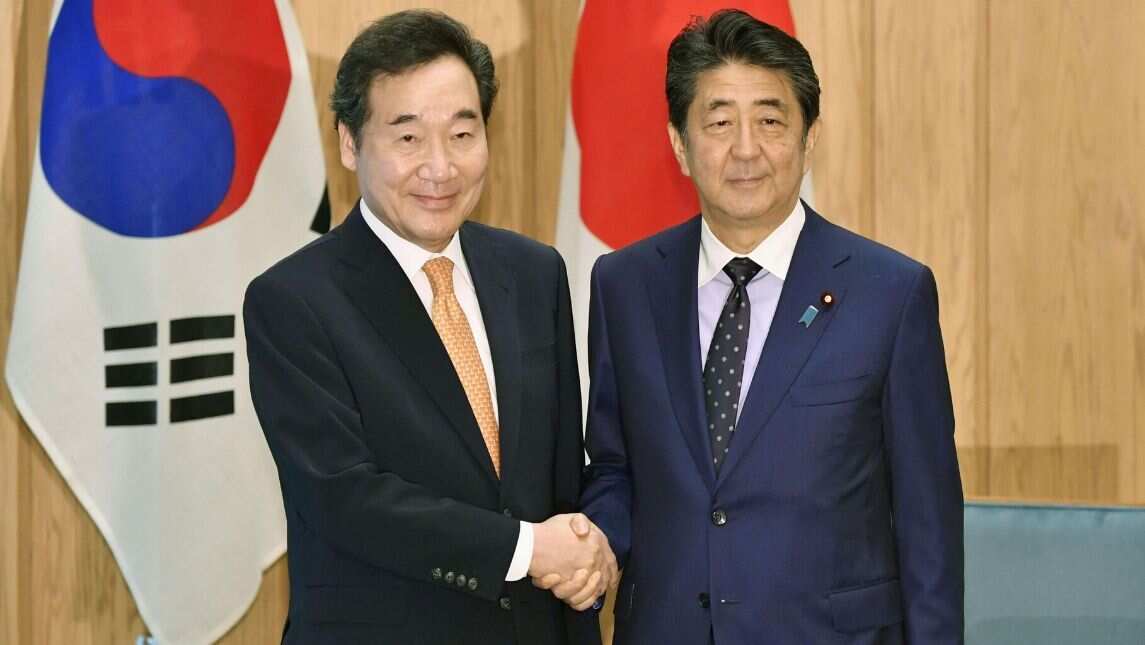
South Korea's Prime Minister Lee Nak-yon and Japan's Prime Minister Shinzo Abe
Japanese Prime Minister Shinzo Abe andSouthKorean Prime Minister Lee Nak-yon agreed on Thursday on the importance of cooperating on NorthKoreaand other issues, seeking to rebuild relations amid a bitter feud over history and trade.
But there was a scant sign of real progress and Abe reiterated thatSouthKoreawould need to keep its promises for ties between the two Asian allies of Washington to improve.
Relations between Tokyo and Seoul have deteriorated to their lowest in decades sinceSouthKorea's top court last October ordered some Japanese firms to compensateKoreans forced to work in their wartime mines and factories.

Japan, which says the matter was settled by a 1965 treaty, calls the decision a violation of international law, and the feud has spilt over into trade and security matters.
About 100 journalists were present at the start of talks in Tokyo, the highest-level meeting between the two sides since the row flared. The meeting began with a handshake but no smiles.
Abe urged Seoul to keep its promises - a reference to the 1965 treaty - in order to restore relations, according to the statement issued by Japan's foreign ministry.
)
Putin's United Russia party wins 355 seats in Duma election; 4 other parties cross threshold to enter parliament
)
Delhi Air pollution: Strict crackdown on waste burning
)
‘0% chance’: Nvidia CEO Jensen Huang dismisses AI extinction fears by 2030
)
Samay Raina-Mukesh Chhabra controversy explained: What happened over girlfriend joke on India's Got Latent?
)
Trump's helipad event overshadowed by audio failure as major TV networks suspend pool coverage
)
Russia-Ukraine war: Russian strikes knock out three of Ukraine's largest steel plants
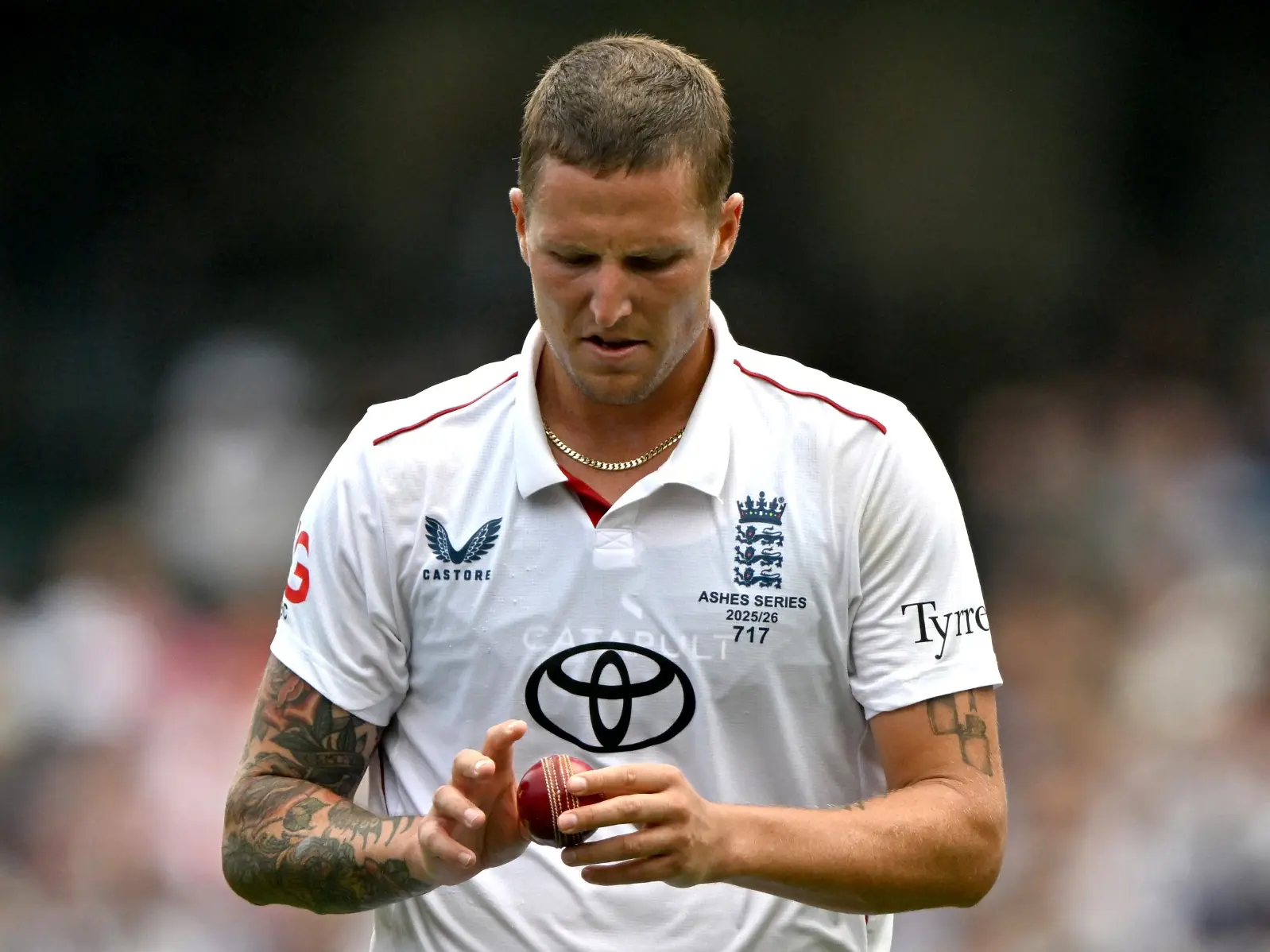)
'Needs time away from the international scene': England white-ball captain Brook on pacer Brydon Carse's future
)
Glitch in the matrix caught on camera: Woman vanishes after talking to reporter
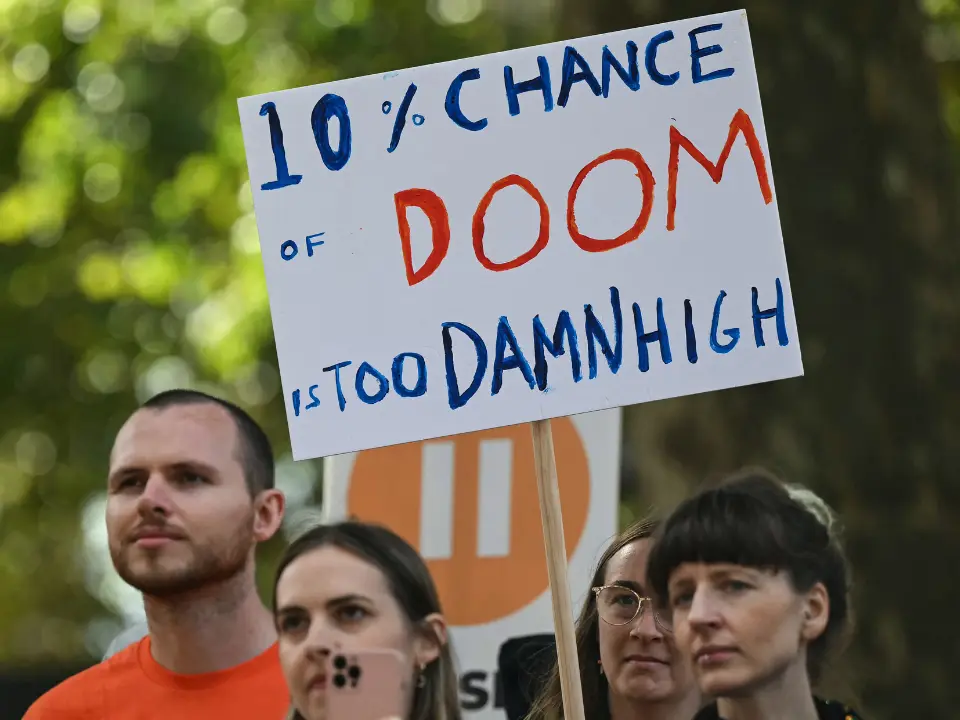)
Anti-AI activists storm summit, say 'incompetent' leaders are leading us into a disaster - 'We need a vote'
)
Samsung raises Galaxy S26 prices by Rs 20,000: Here’s what each model now costs
)
IIT Bombay tensions ease after three-hour open house; director’s assurances pacify students
)
J&K Assembly Session begins amid chaos: BJP, ruling alliance clash as statehood demand dominates
)
Shah Rukh Khan visits Lalbaugcha Raja with wife Gauri Khan and daughter Suhana
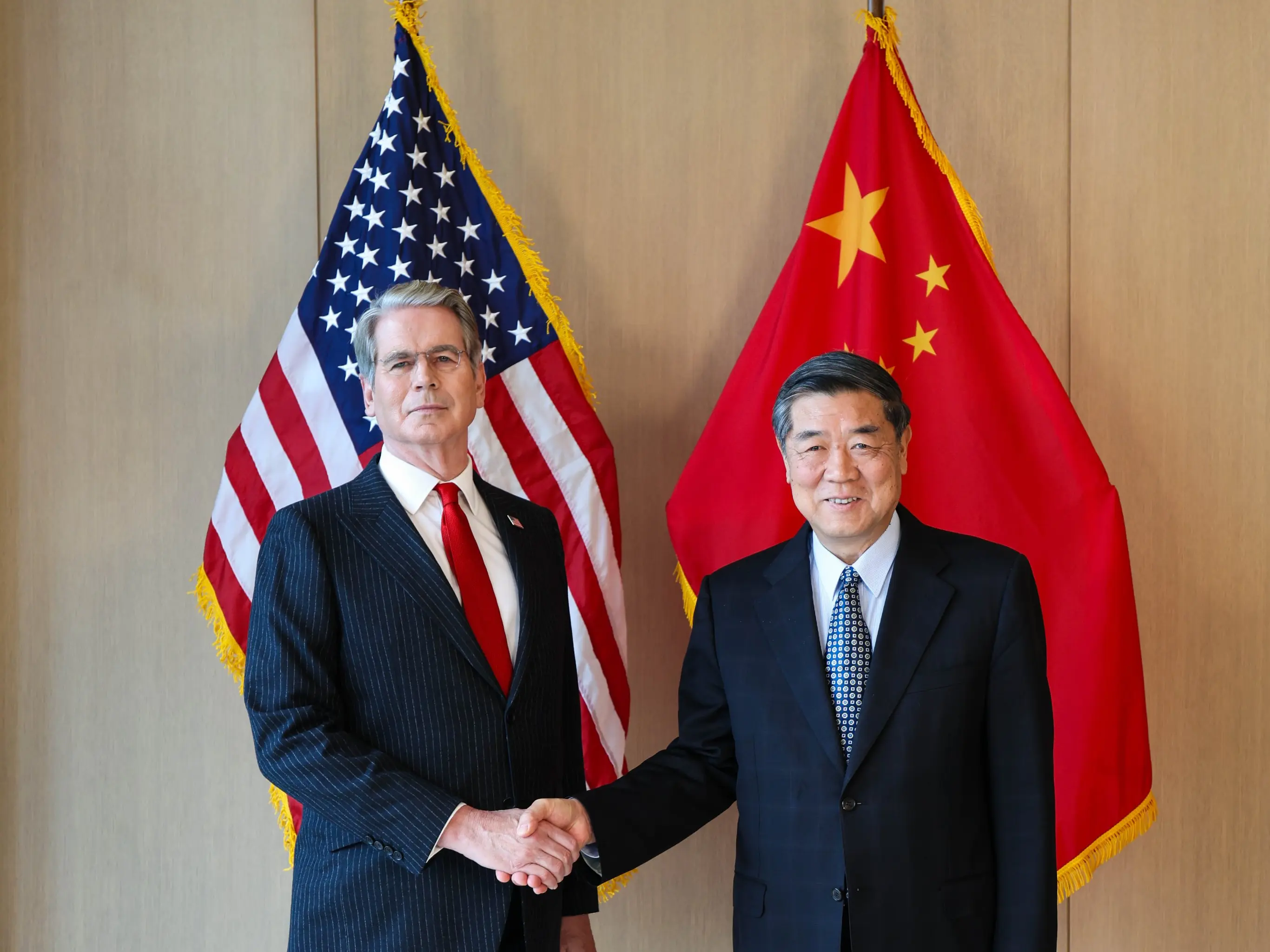)
Bessent meets China’s He Lifeng to prepare for Trump-Xi summit
)
US and China vie for AI dominance as calls grow for regulation | Gravitas
)
FIFA chief Infantino wants to reform governing body with consultation from federations
)
The Verdict | The Mecca Agreement is under scrutiny as Houthis attack Saudis
)
India at UNGA81: Jaishankar warns global order under 'growing stress', pushes for ‘reformed multilateralism’
)
Saudi Arabia exits China-led mBridge digital currency platform amid Saudi-Houthi conflict
)
'Lot of things to learn from experienced players': Jayasuriya backs Rohit, Virat for 2027 ODI World Cup
)
$110 billion Warner Bros merger: Paramount reaches settlement with 12 US states
)
Mahabharat actor Saurav Gurjar arrested in Hyderabad, sent to 14-day judicial custody in sexual exploitation case
&im=FitAndFill=(700,400))
New OTT releases this week (September 21-27, 2026): Shaque: Trust No One, Hunkkaar, Don’t Be Shy- 5 new titles coming to Netflix, Prime Video and more
)
From ‘communist’ to ‘great mayor’: Trump praises Mamdani after New York meeting, discusses immigration and housing
)
Report: Zelensky meets CIA chief Ratcliffe at Shannon airport, weeks after his secret Moscow trip
)
How Zaheer Khan came to be CSK's head coach of IPL 2027
)
Pilot recreates Mona Lisa in sky over Oklahoma and Arkansas in four-hour flight: VIDEO
)
UK PM Burnham agrees to 'defensive' military support for Saudi Arabia against Houthis
)
Jailer 2: Vidya Balan joins Rajinikanth's upcoming film as Kantha | Watch
)
Microsoft executive called AI training the ‘largest theft of labour in human history’
)
IIT Bombay student death: CCTV footage becomes key evidence as police reconstruct Sahil Wakode's final hours
)
40-foot waves crash into cruise ship in dangerous stretch near Antarctica. Watch
)
US-Iran war, peace deals and more: What to expect from Trump's UNGA 2026 speech
)
Explainer: Why rare-earth export licences and Board of Trade are US priorities ahead of Trump-Xi summit
)
Two infants die after fire breaks out at RIMS newborn care unit in Telangana's Adilabad
)
BTS fans mock iHeartRadio’s day 2 turnout after short set controversy
"Our two nations are important neighbours for each other, and keeping in contact over NorthKorea, bilateral relations and our ties with the United States are quite important," Abe was quoted as telling Lee.
"Relations are currently in quite a severe state but should not be left that way. IfSouthKoreacan keep bilateral promises, that could be a chance to return to a healthy relationship," Abe added.
The statement also quoted Lee as saying he shared the view that dialogue was important, while a parallel statement fromSouthKorea's foreign ministry said Lee agreed relations should not be left in their current difficult state.
Abe also repeated Tokyo's stance that theSouthKorean court ruling overturned the basis of two-way ties.
“Abe said theSouthKorean top court ruling is in clear violation of international law and ... fundamentally breaks down the legal framework for Japan-SouthKorearelations," Japanese Deputy Chief Cabinet Secretary Naoki Okada told reporters.
In a sign that gaps remain wide, Lee told Abe: "SouthKoreahas also respected and complied with the 1965 Treaty on Basic Relations and Claims, and will continue to do so," according to Seoul's statement.
Lee, who was in Tokyo to attend Japanese Emperor Naruhito's enthronement ceremony this week, delivered to Abe a personal letter fromSouthKorean President Moon Jae-in in which Moon called for attempts to resolve the pending bilateral issues,SouthKorea's Yonhap news agency reported.
Moon and Abe have not held a summit in more than a year and the statements made no mention of any meeting planned between the two.
A Japanese government official questioned whether Thursday's meeting would lead to a breakthrough. "It depends on their (SouthKorea's) deeds, not words," the official told Reuters.
The animosity between Japan andSouthKoreais linked to the history of Japan's 1910-45 colonisation of theKorean peninsula, the mobilisation of forced labour at companies and women in wartime military brothels, and a row over the ownership of islets in the sea between the two nations.
Earlier this year, the dispute escalated when Japan tightened export controls on materials vital forSouthKorean chipmakers. It then dropped Seoul from a list of countries eligible for fast-track exports, steps angrily denounced bySouthKorea.
The spat has prompted protests inSouthKorea, where Japanese companies and products have been boycotted, and trade between the two countries has slowed sharply.
In August,SouthKoreaannounced it would scrap a military intelligence-sharing pact with Japan when it expires next month, just as the allies face rising tensions over NorthKorea's nuclear weapons programme and increased competition from China and Russia.
Further potential flashpoints loom.
Thousands ofSouthKorean students and activists are expected to gather on Friday to celebrate "Dokdo Day". Dokdo is theKorean name for islets claimed bySouthKoreaand by Japan, which calls them Takeshima.
SouthKoreais also planning to order asset sales of the Japanese companies found liable for damages under last year's forced labour rulings as early as December, which could further sour bilateral relations, analysts said.
"Precautions must be taken to prevent that," said Yang Kee-ho, professor of Japanese Studies at Sungkonghoe University.