What is happening with Yen? The real global economic shift happening in Japanese market

&imwidth=600&imheight=450&format=webp&quality=medium "What is happening with Yen? The real global economic shift happening in Japanese market")
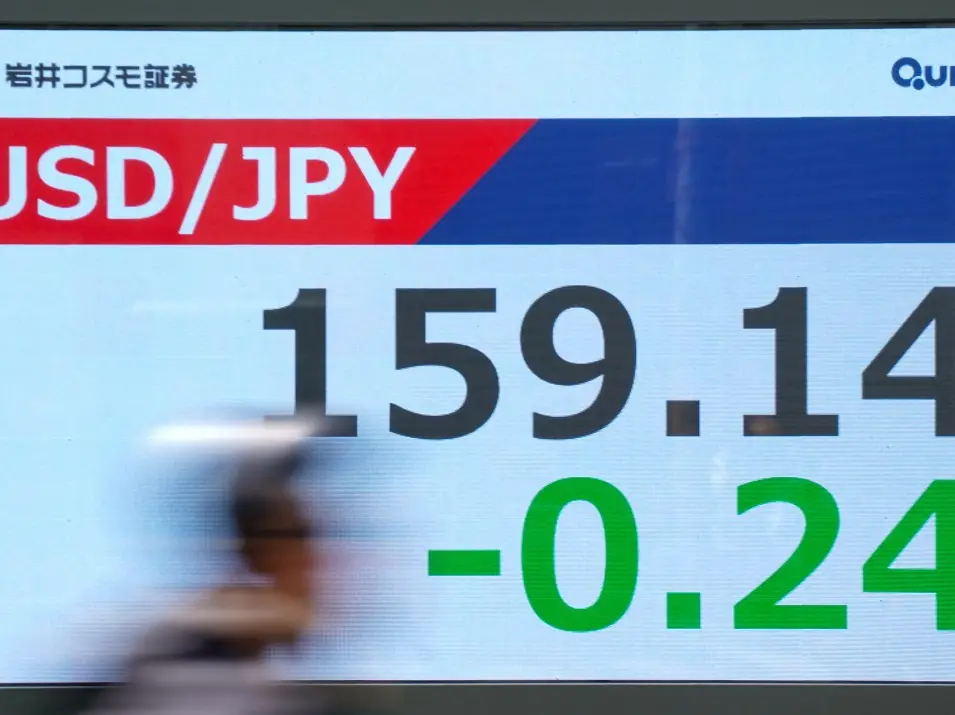
An electronic quotation board displays the foreign exchange rate of the Japanese yen against the US dollar along a street in Tokyo on April 14, 2026. Photograph: (AFP)
Japanese yen jumps sharply after suspected $35 billion intervention by Japan. Markets watch carry trade risks, US Fed policy, and potential global financial ripple effects.
Yen has jumped against the US dollar for the second straight day, while the media is glued to the Strait of Hormuz and the rising oil prices, a real shift is happening in Japan. In early Asian trade on Monday, the yen surged roughly 0.9 per cent within minutes of the opening of the market. Reports from various mainstream media suggest that Japan has intervened with 5.48 trillion yen ($35 billion) to battle the falling yen and a sharp sell-off.
The most recent intervention in July 2024 involved spending about $36.8 billion to bolster the yen after it sank to a 38-year low of 161.96 per dollar. Following this, in July, Japan raised the interest rates to 0.25 per cent. Top currency official Atsushi Mimura issued a "final evacuation warning" to markets just hours before the first move, signalling a shift from verbal warnings to direct market action.
Why is Japan acting now?
Japan is currently in the "Golden Week" holiday stretch from May 4 to May 6. The markets prefer this period because there is less domestic trade during these moments and more effects of the intervention against speculative trading. The most natural course of action is to follow with a rate hike. However, the US Federal Reserve has decided to maintain its rate; the intervention would make more impact if there were action from both sides. Until 2024, Japan has maintained a zero-interest rate policy to tackle the demographic decline. These, however, created a major Yen-carry trade, where Wall Street hedge funds would borrow yen and convert it to dollar-based assets and gain 4-5 per cent interest; basically, it was free money. However, these constant sell-offs had weakened the yen, and as long as the Yen stays weak, hedge funds make a profit. So the value of the yen decreased compared to other currencies, but 160 is considered the red line after which the loan becomes cheaper to pay back, which encourages further carry trades to make a profit.
Japan is the largest foreign holder of US treasuries. If it stays above 160, there will be more intervention, or otherwise a massive sell-off of US treasuries by Japan to cover losses. These will force the US to increase interest rates, resulting in a rise in car and house mortgages. All these events could together trigger a massive crisis. So these interventions are aimed at reducing the yen in circulation to increase the demand for yen. Traders are anxiously looking at the Yen and dollar combination.
Trending Stories
)
)
)
)
)
)
)
)
)
&im=FitAndFill=(700,400))
)
)
)
)
)
)
)
)
)
)
)
)
)
)
)
)
)
)
)
)
)
)
)
)
)