
&imwidth=800&imheight=600&format=webp&quality=medium "Trump rejects Iran's 7-day ceasefire proposal as US weighs renewed bombing after midterms: Report")
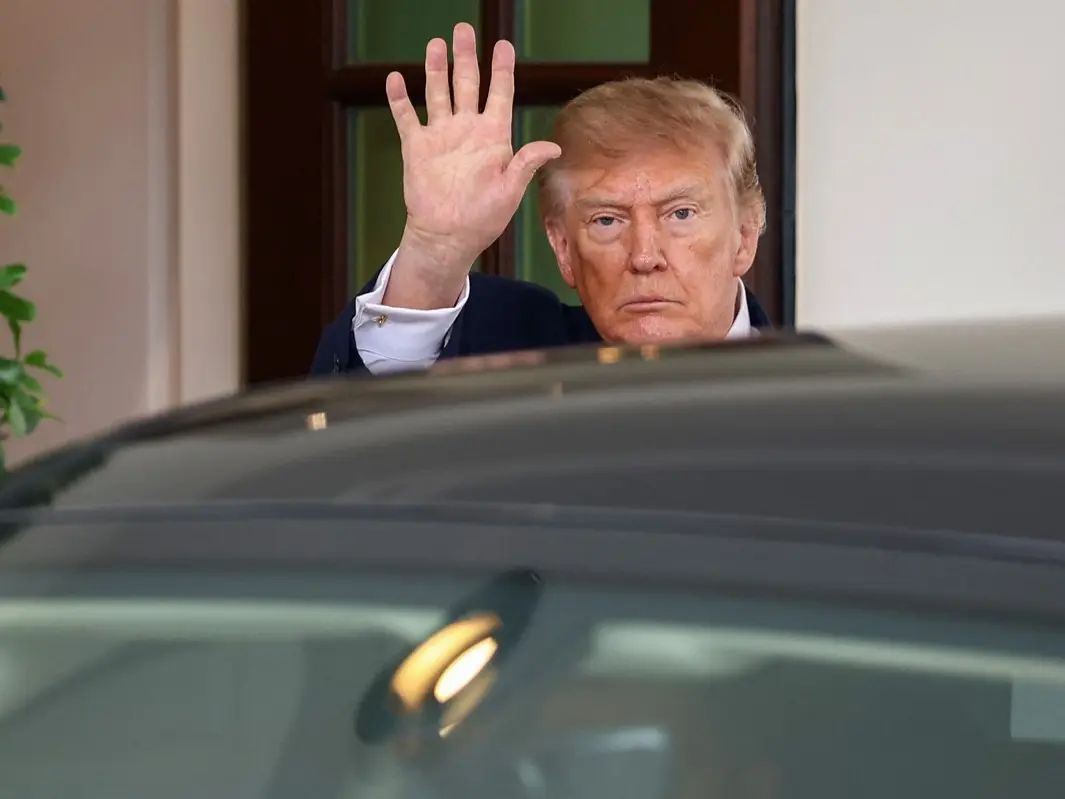
US President Donald Trump has rejected an Iranian proposal for a seven-day ceasefire and has told aides that he expects the United States could resume bombing Iran after the November midterm elections, according to US officials familiar with the discussions. Tehran's proposal would involve reopening the Strait of Hormuz and restarting negotiations over Iran's nuclear programme in exchange for Washington lifting its blockade of Iranian ports. The blockade has placed additional pressure on Iran's already strained economy.
Trump has publicly argued that Iran is seeking a deal after the midterms that would dismantle its nuclear programme. Privately, however, officials said the president remains doubtful that Tehran would agree to his demands. Trump has therefore told his advisers that renewed US bombing is a possibility, although the scale of any future military action remains unclear.
US-Iran conflict remains between war and diplomacy

Trump's position leaves the conflict in an uncertain phase between renewed military confrontation and diplomatic negotiations.
The president has repeatedly declared victory since the fighting began while alternating between diplomatic efforts, airstrikes and increased economic pressure on Iran. US officials cautioned that Trump's position could change as the conflict continues and could also be influenced by developments surrounding the November midterm elections.
The extent of any potential future bombing campaign has not been determined. Officials said Trump is reluctant to launch another major combat operation in part because the US wants to preserve limited munitions for other potential military contingencies. At the same time, Trump has previously threatened large-scale military action when negotiations with Tehran reached deadlocks. Some of those threats were carried out, while others were subsequently scaled back.
Trending Stories
)
US Supreme Court backs Trump administration's use of SAVE database to check voter citizenship
)
Beijing to Washington! Ivanka Trump makes a style statement in Chinese designer Guo Pei for President Xi Jinping’s White House welcome
)
Outrage erupts after 3-year-old is married to 60-year-old man in Pakistan, link to her sister's murder being probed
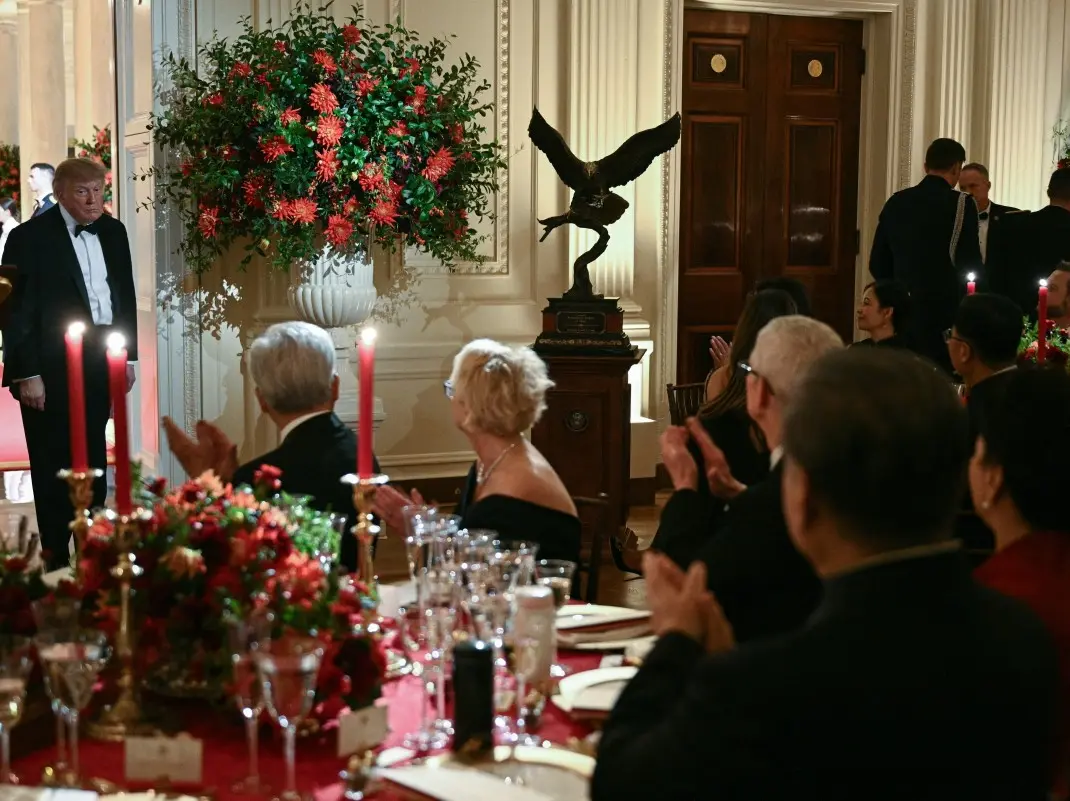)
Trump gifts Xi a bald eagle sculpture at White House dinner: Here’s what it symbolises
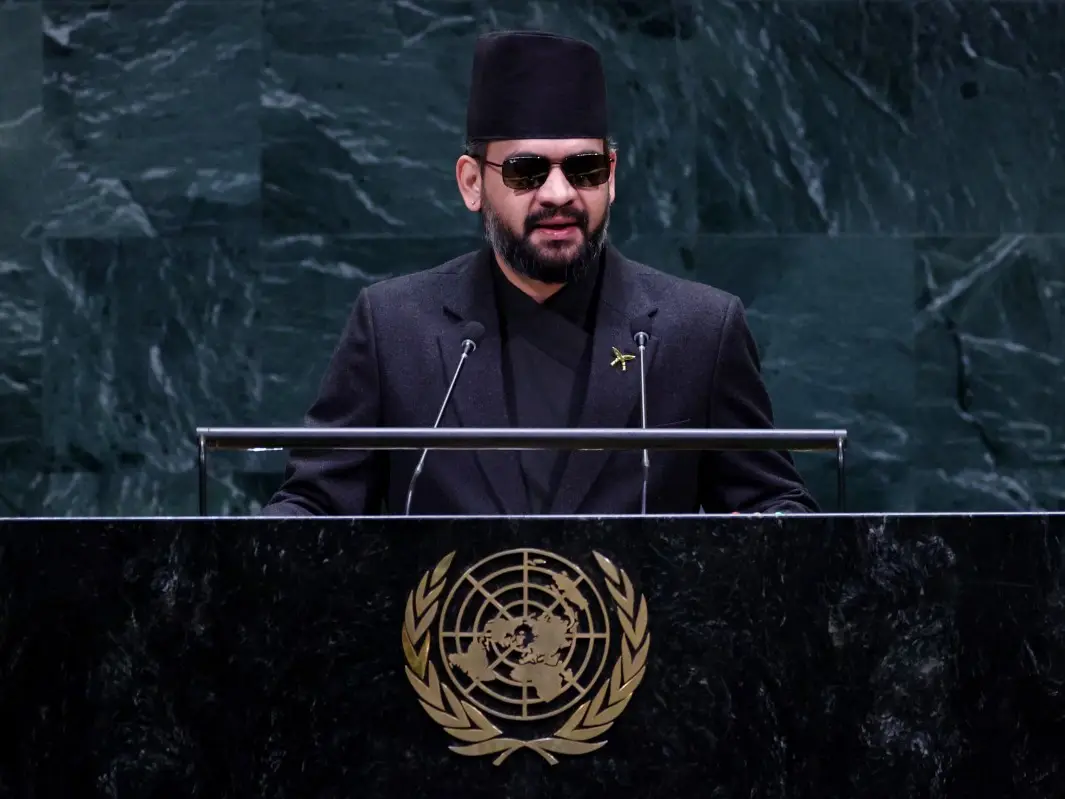)
‘Not just a local tragedy’: Nepal PM Shah warns UN of growing climate threat, says Nepal floods were 'a warning to the world'
)
India-New Zealand FTA is ‘an expression of trust’, NZ High Commissioner Patrick John Rata says
)
OpenAI AI Agents hacked 4 websites before Hugging Face, researchers reveal
)
Pentagon quietly adds 37 wounded troops to Iran war tally without explaining when or how
&im=FitAndFill=(700,400))
New Friday OTT releases (September 25, 2026): Don’t Be Shy, Hunkkaar: The Roar, Mango Pachcha- 6 movies and TV shows on Netflix, Prime Video and more
)
Watch: PM Modi joins Bhajan Clubbing event in Delhi on Deendayal Upadhyaya's birth anniversary
)
‘Attack on Mecca a red line for Pakistan’: Shehbaz Sharif warns Houthis at UN
)
Tesla is preparing something big for Optimus: new Gen 3 models surface in app
)
Bias or safety concerns? Bengaluru CEO says firm will not hire men from UP, Bihar, Rajasthan, MP. Here's why
)
Trump's welcome to Xi demonstrates 'attraction' to dictators: Chuck Schumer
)
Scientists detect first radio signals directly from faraway planet
)
‘It is all possible’: Putin weighs next steps on Ukraine talks, rules out Europe conflict
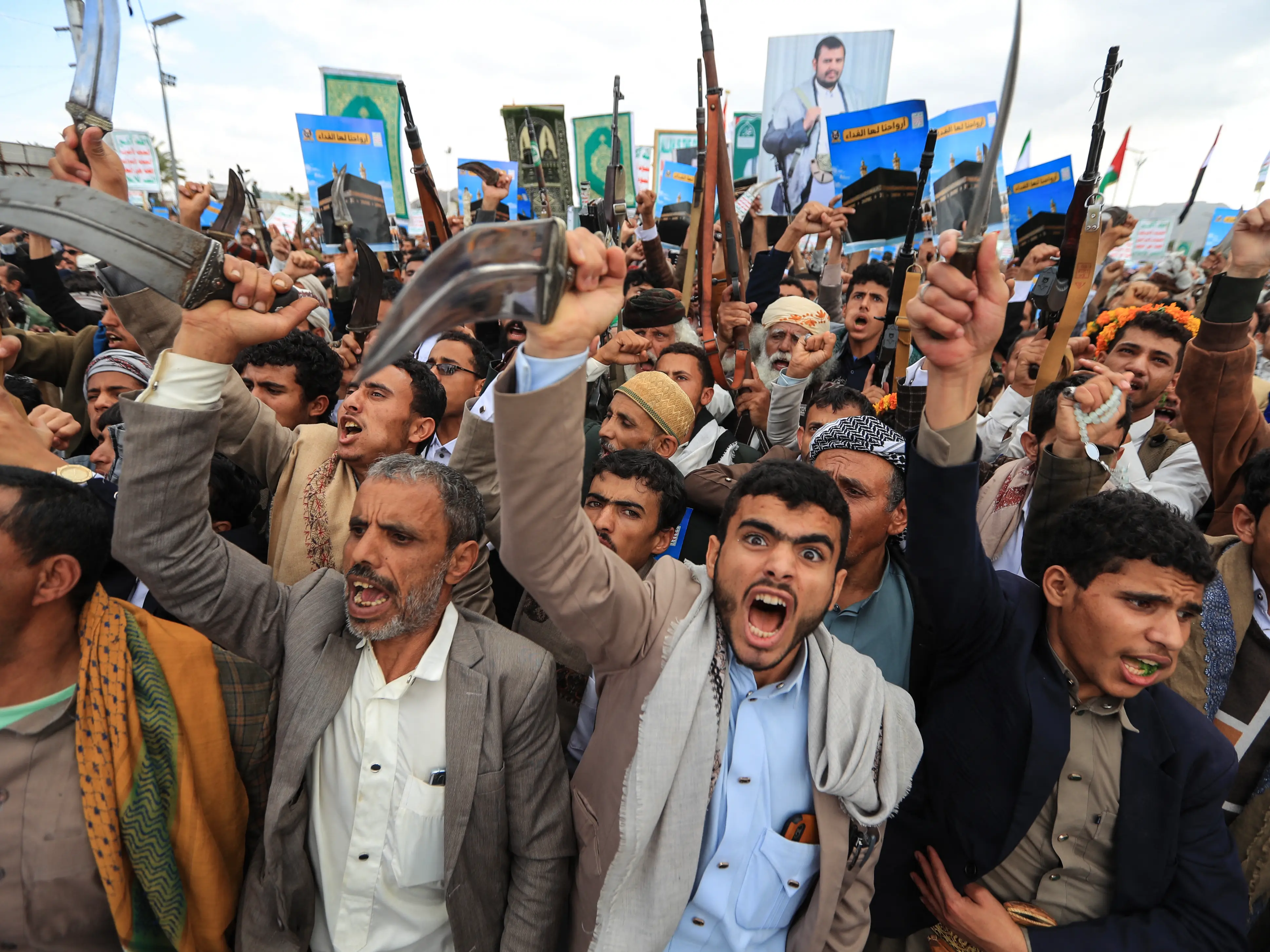)
Saudi Arabia, Turkey and Pakistan to hold urgent military talks amid intensifying Houthi attacks
)
Ex-Liverpool forward Mohamed Salah banned from driving in United Kingdom for six months
)
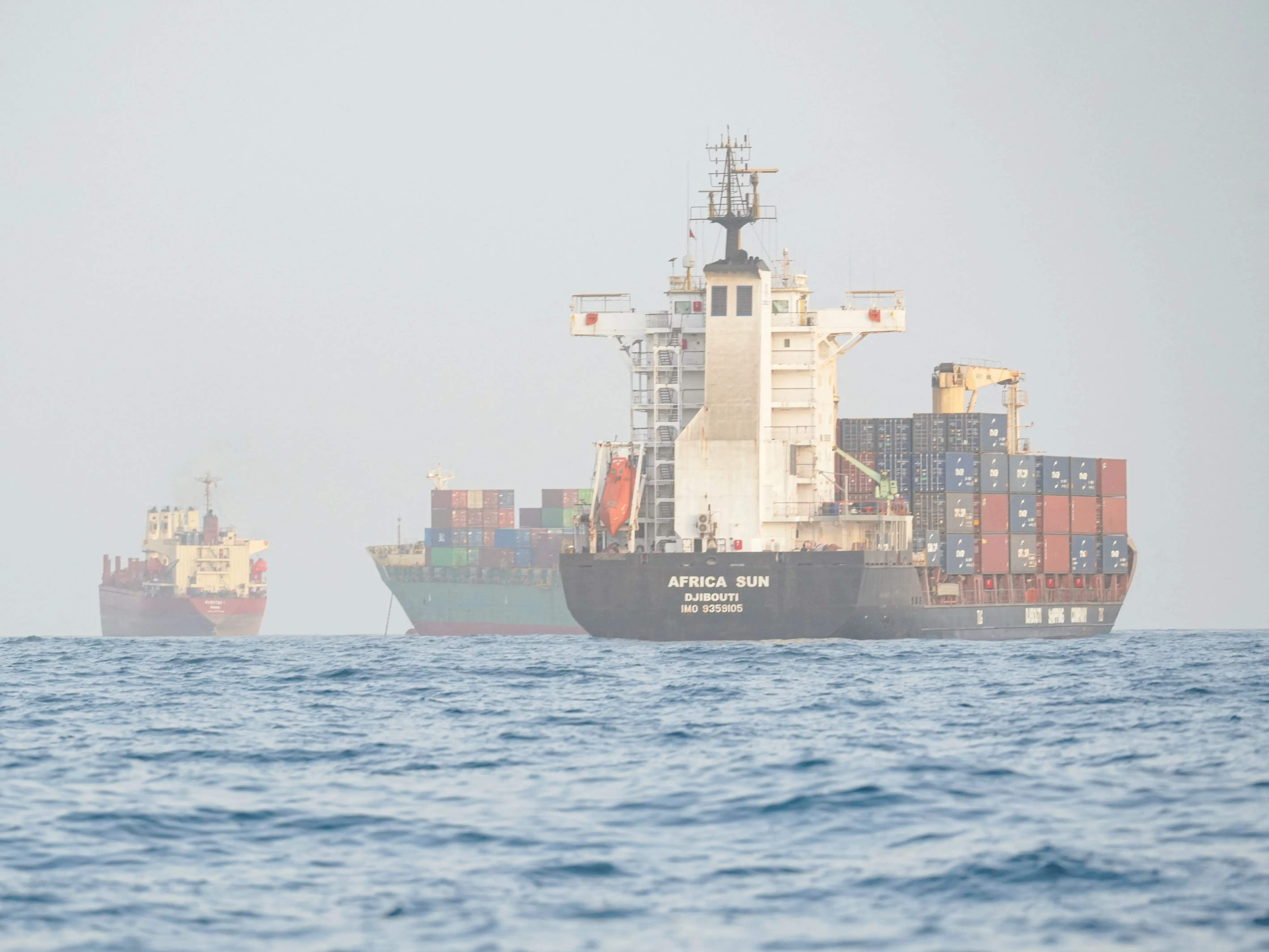
10,000 gather in support of 87-year-old forcefully evicted from home of 71 years
)
Meet Adrian Abraham: 9-year-old Indian-origin guitar prodigy aiming for a Guinness World Record
)
Red Sea crisis: Houthis promise not to target European ships; UNSC condemns Saudi attacks
)
'Blockbuster' nor'easter develops an eye similar to hurricanes as warnings are issued
)
Trump-Xi summit wrap: Big pageantry, Iran talks, few major developments and more meetings planned
)
'Making history': Xi Jinping praises Trump as US-China leaders dine at White House
)
'We do not wish to continue. It's America that must choose': Iran president Pezeshkian calls on US to end war
)
Exclusive | 'We always want to improve': Suruchi, Kamaljeet after winning Asian Games gold
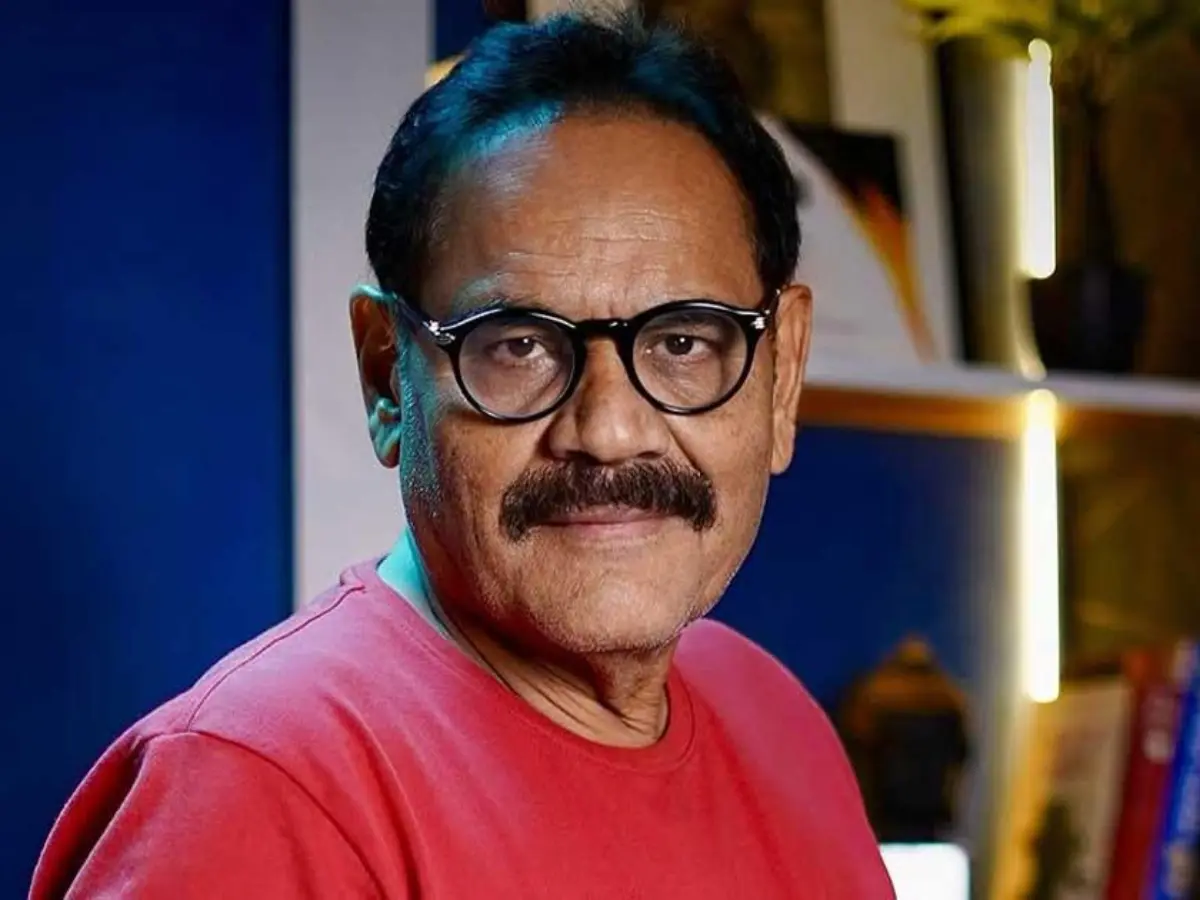)
Bollywood mourns Mushtaq Khan: Sunny Deol, Rajpal Yadav and others pay tribute
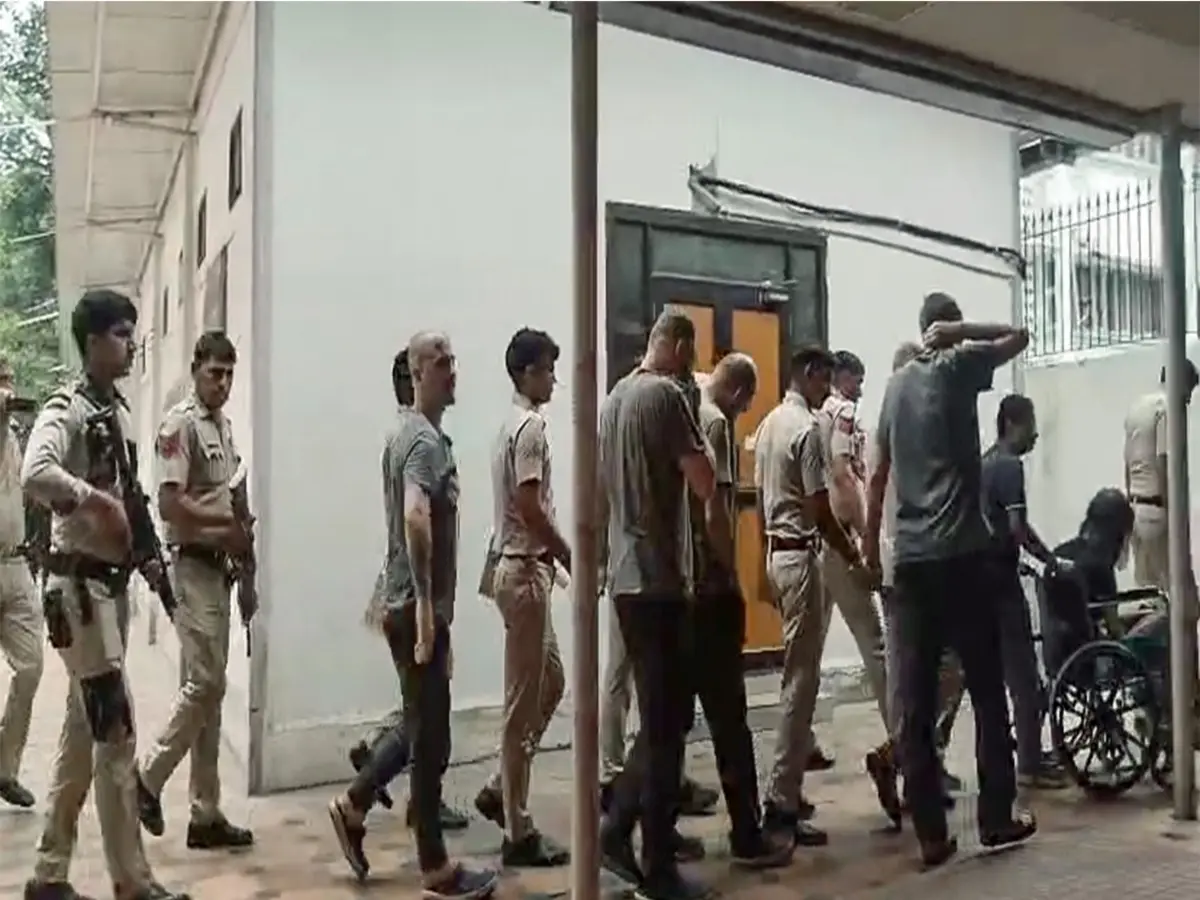)
Myanmar training camp case: US national, 6 Ukrainians allowed to meet their families abroad
)
99.9% more powerful - Scientists find boy who can recall memories from just 3 months of age
)
'FIRST LOOK from inside Noah’s Ark': Researchers share video from inside mysterious mound in Turkey
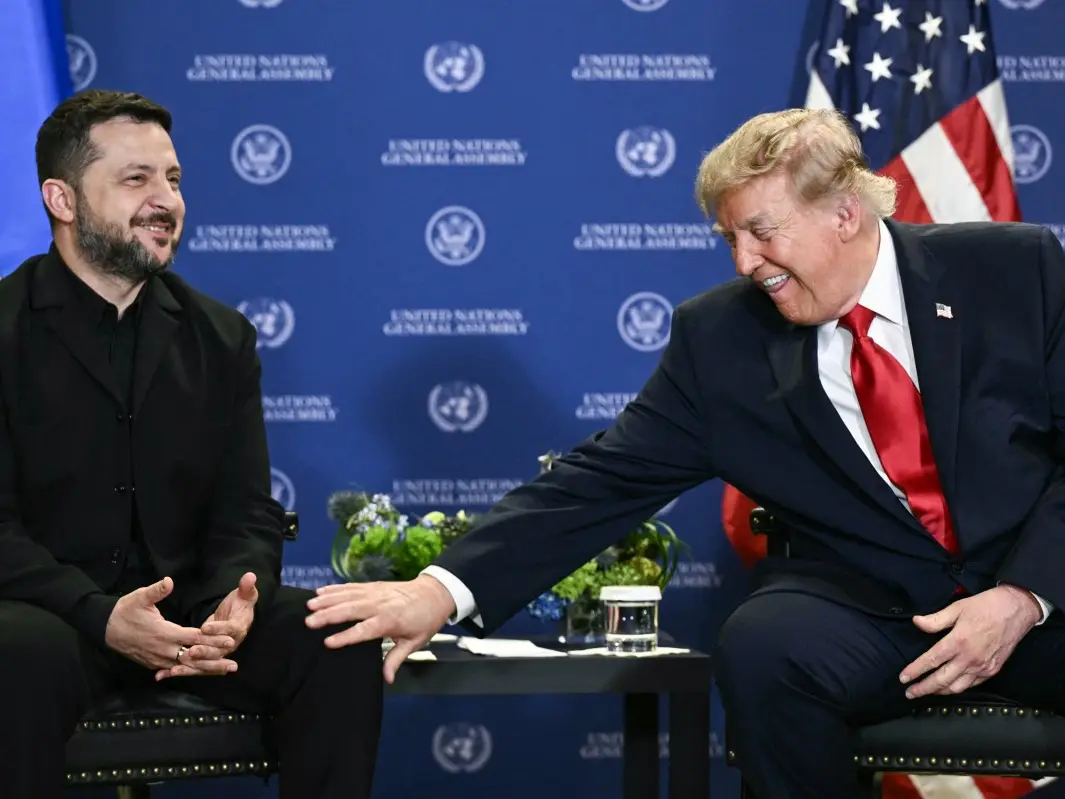)
Trump made 'final decision' to give Ukraine Patriot missile production license: Zelensky
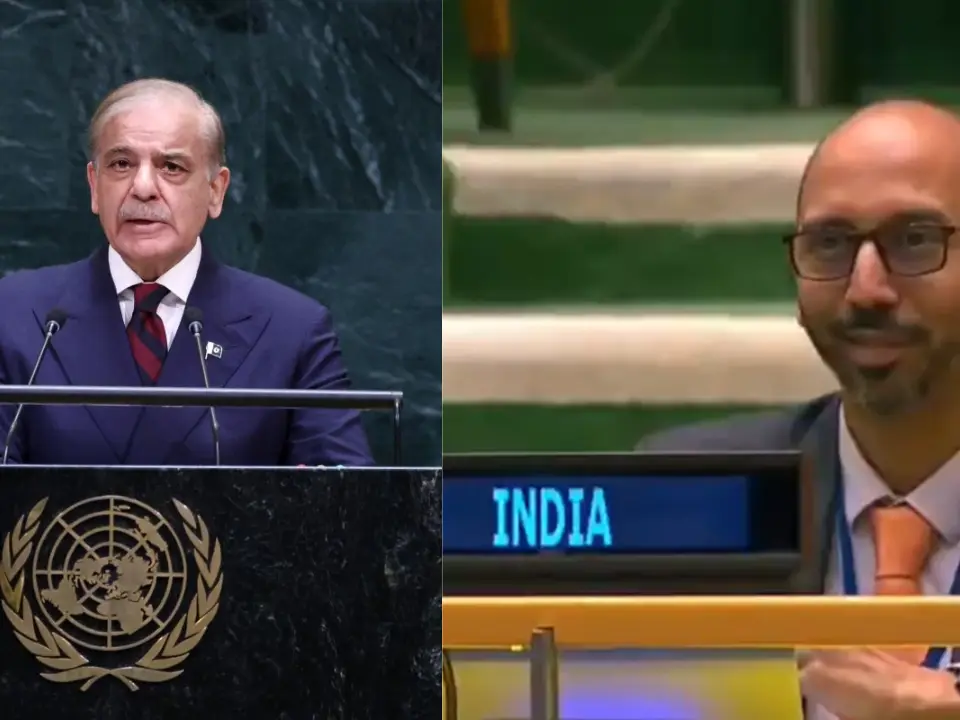)
WATCH | As Shehbaz Sharif claims Pakistan’s ‘victory’ during 2025 conflict, Indian diplomat R Srinivas laughs at UN
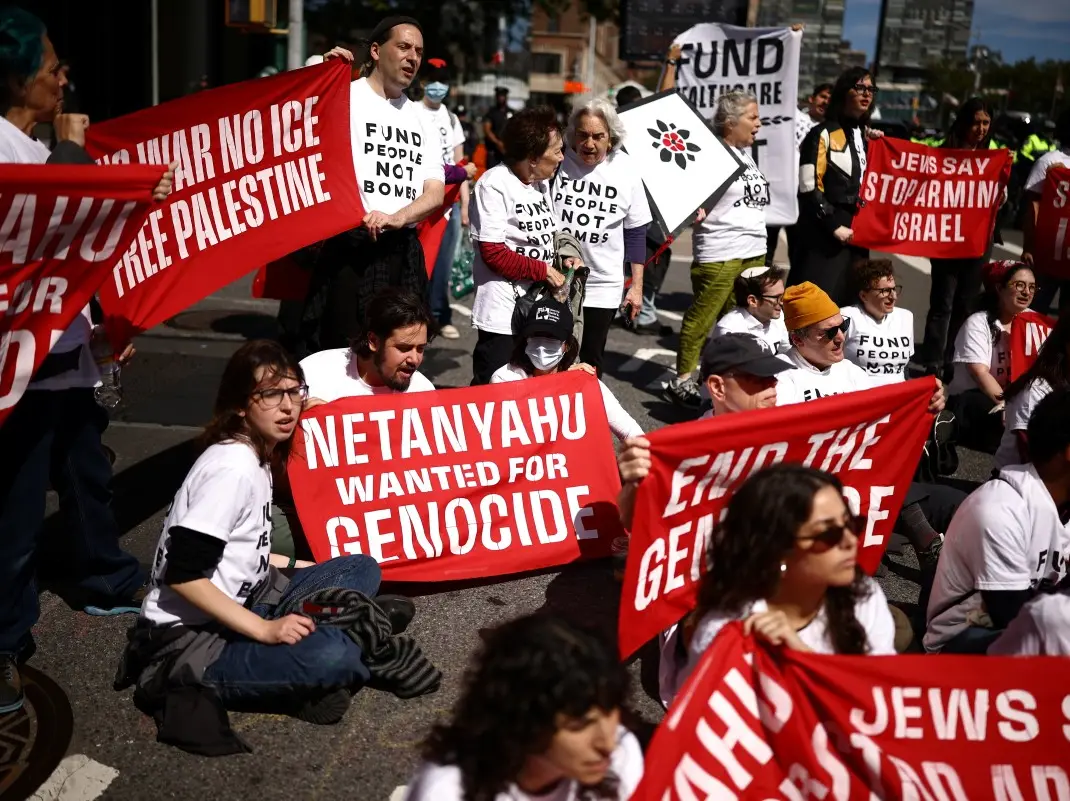)
'Fund people, not bombs': Hundreds take to New York streets as Netanyahu delivers speech at UN; dozens arrested
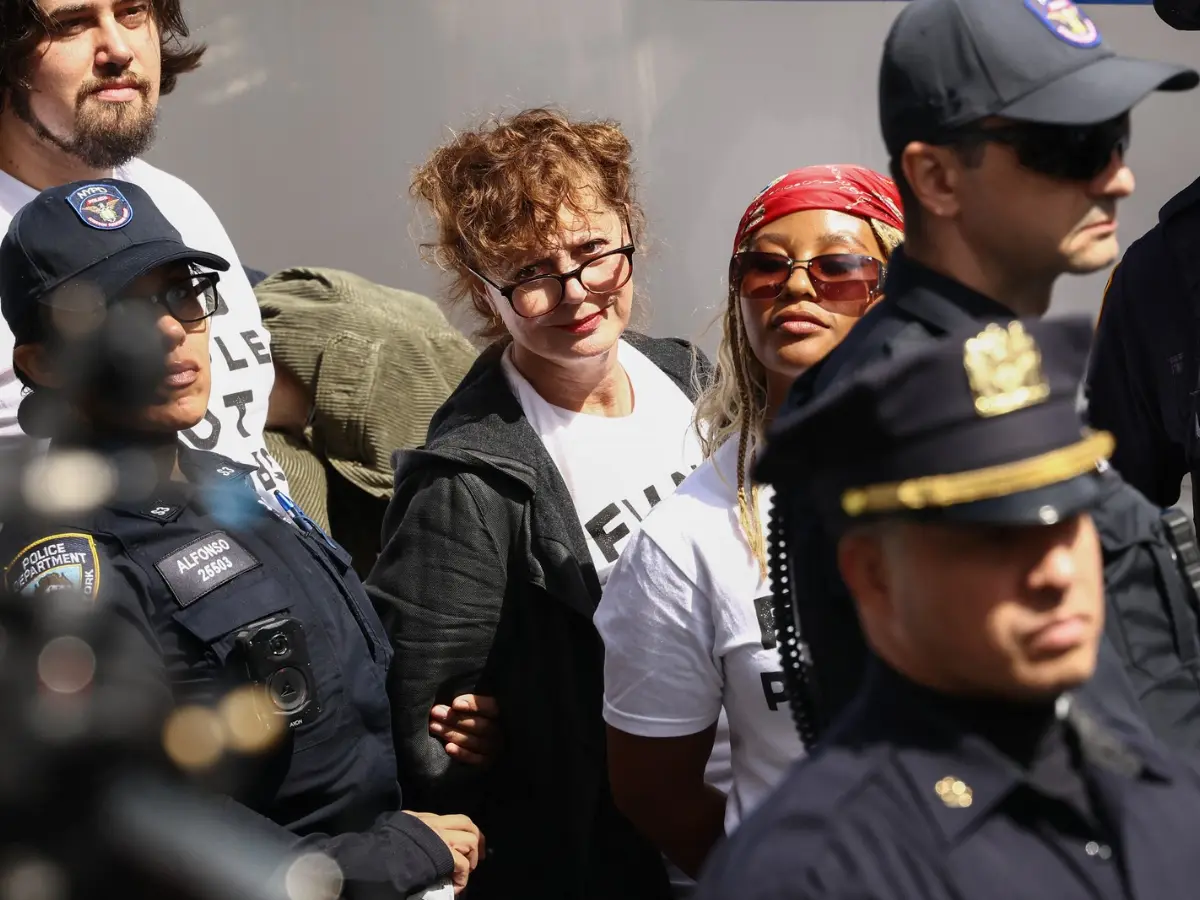)
Susan Sarandon and Hannah Einbinder detained by NYPD outside UN Headquarters
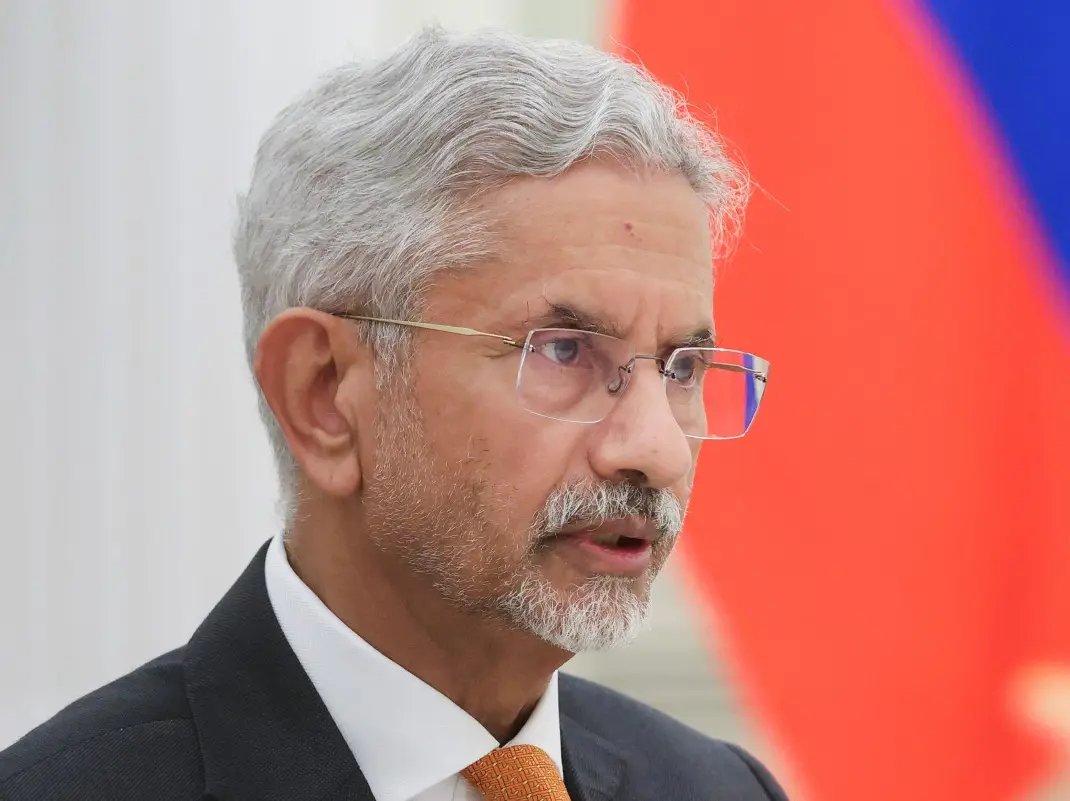)
'A terrorist country is asking me that question?': Jaishankar hits back at Pakistani journalist at UN; flags attacks on commercial shipping
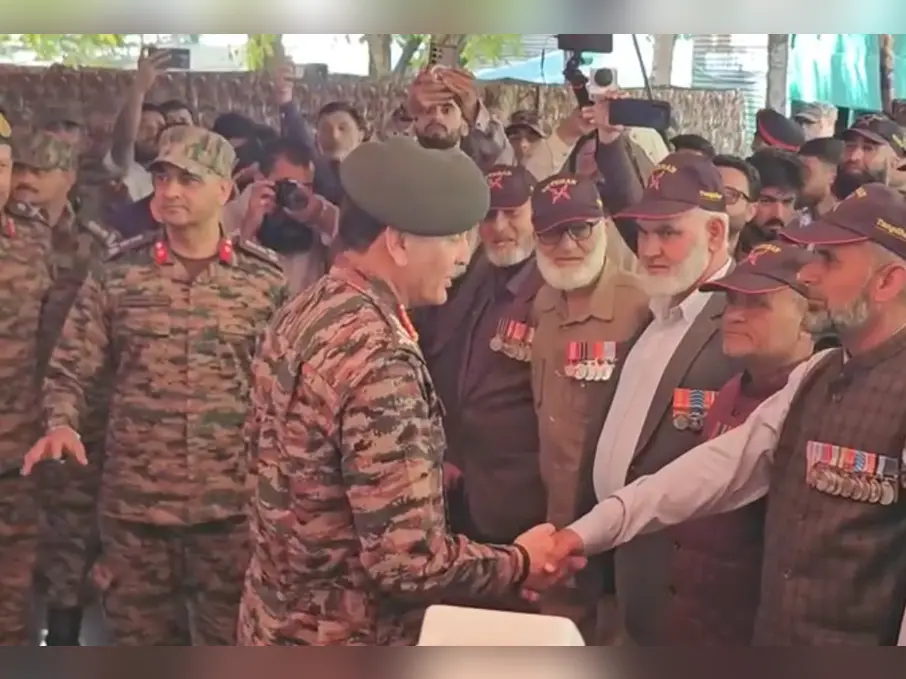)
Army chief reviews operational preparedness along LoC, visits mega eye camp in Tangdhar
&im=FitAndFill=(700,400))
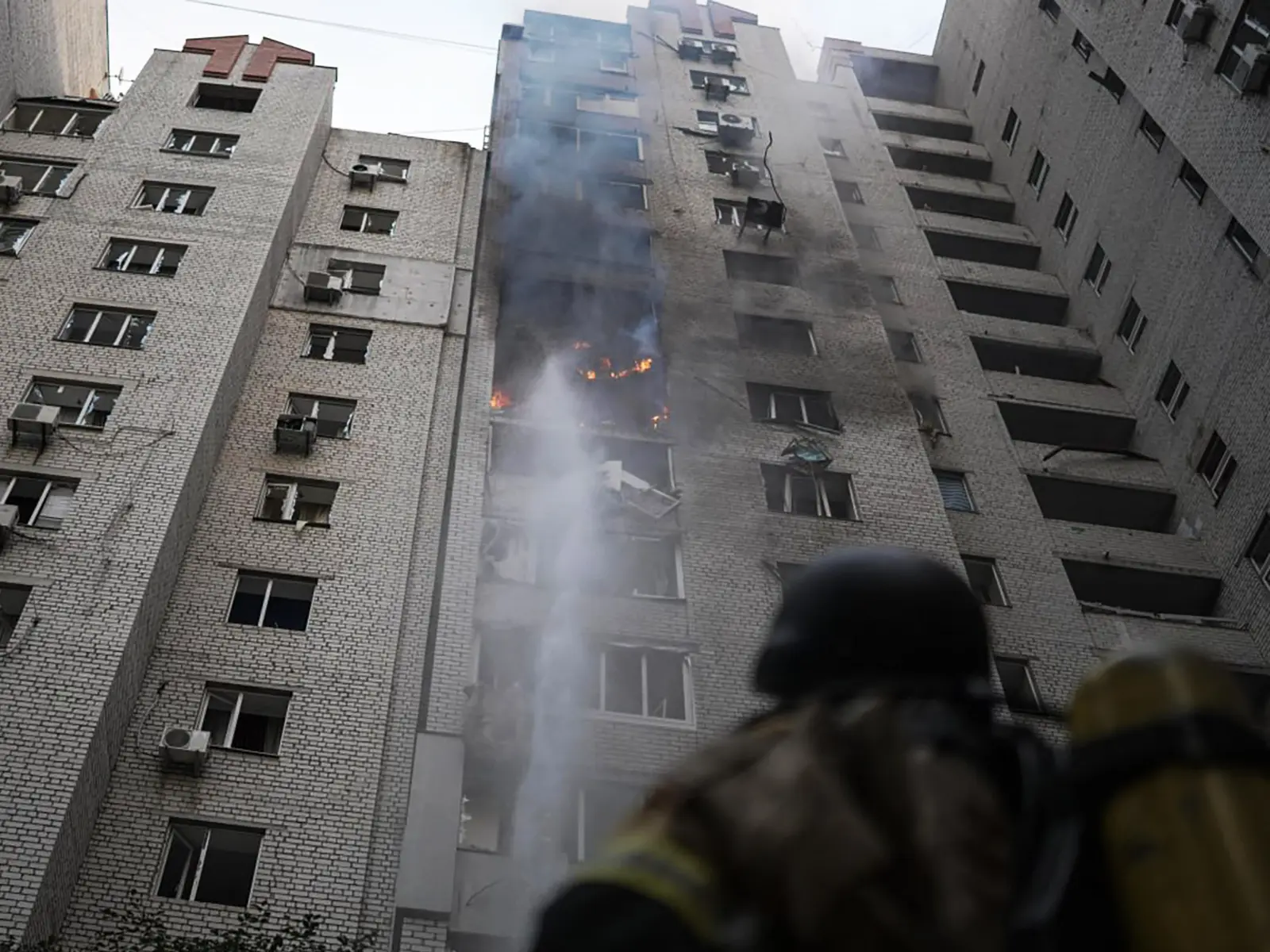
‘Absolutely savage, sickening’: Zelensky slams Russia as daytime strikes kill 5 in Kyiv
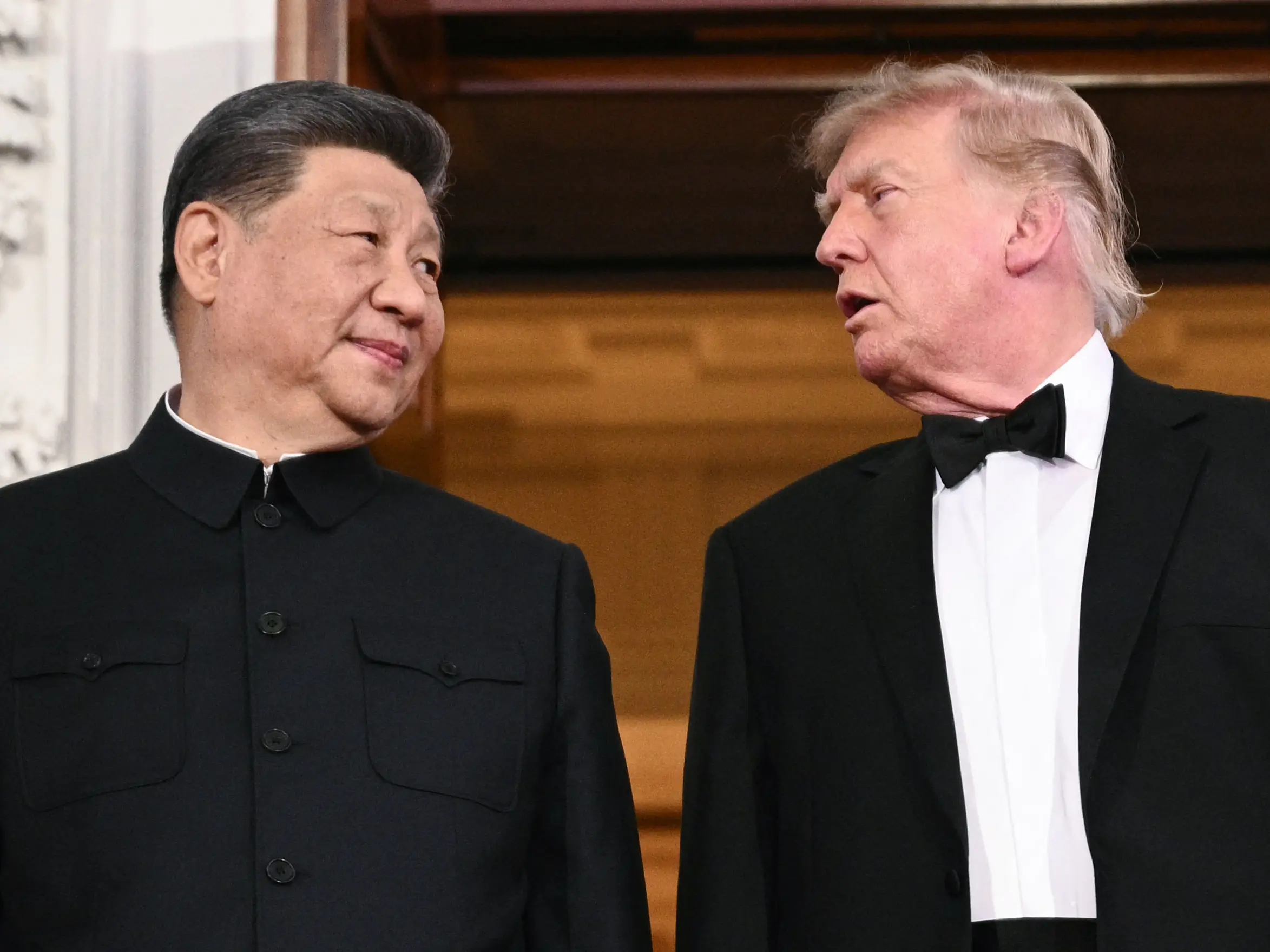)
‘Totally unacceptable’: Trump warns Xi over China’s support for Iran
)
US court backs Pentagon's decision to exclude Anthropic over Claude AI restrictions
Also Read: Pakistan deploys over 20,000 security personnel as PTI vows march for Imran Khan's release
Trump rejects election influence on Iran policy
Speaking at the United Nations General Assembly in New York this week, Trump said domestic politics would not influence his approach to Iran's nuclear programme. “The Republican Party is running, and I’ll be helping them, but I am not running. I gave absolutely no credence and will not give credence through the election when it comes to Iran,” he told world leaders during the annual General Assembly in New York. “The only thing that does is that Iran will never have a nuclear weapon.”
Washington and Tehran continue indirect talks
Despite the rejection of the seven-day proposal, a US official said Washington and Tehran continue to communicate through intermediaries, including on the nuclear issue. An American-led effort to keep oil tankers moving through the Strait of Hormuz despite Iranian threats has reduced the immediate pressure for a diplomatic agreement, the official said.
Qatar and other regional mediators have been working to revive negotiations around the United Nations General Assembly. During a meeting in Qatar on Sunday, Iranian representatives proposed a seven-day pause in hostilities that could potentially lead to an end to attacks on shipping. People familiar with the discussions said the proposal would link the suspension of attacks on shipping to the lifting of the US blockade.
What Iran proposed in ceasefire proposal?
Under the Iranian proposal, the United States would lift its naval blockade, release some frozen Iranian assets and ease sanctions affecting Iranian oil exports. In return, Iran would reopen the Strait of Hormuz and begin negotiations over its nuclear programme.
However, US officials familiar with the discussions said Washington had informed Tehran and the mediators that Trump was not prepared to lift the maritime blockade.

