It's a MESS: Forget Iran travel warning, US flyers face chaos at home airports due to TSA funding crisis as ICE deploys - What they should know

&imwidth=600&imheight=450&format=webp&quality=medium "It's a MESS: Forget Iran travel warning, US flyers face chaos at home airports due to TSA funding crisis as ICE deploys - What they should know")
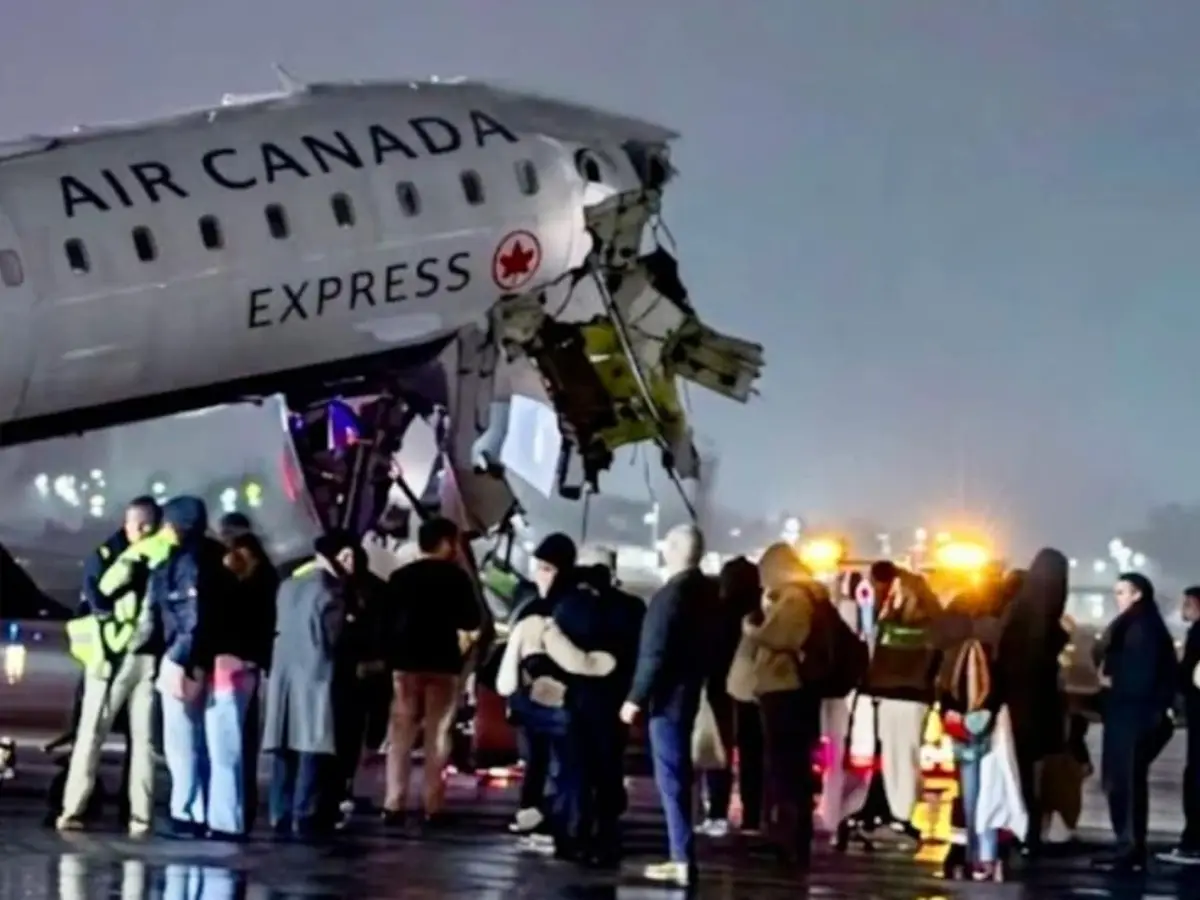
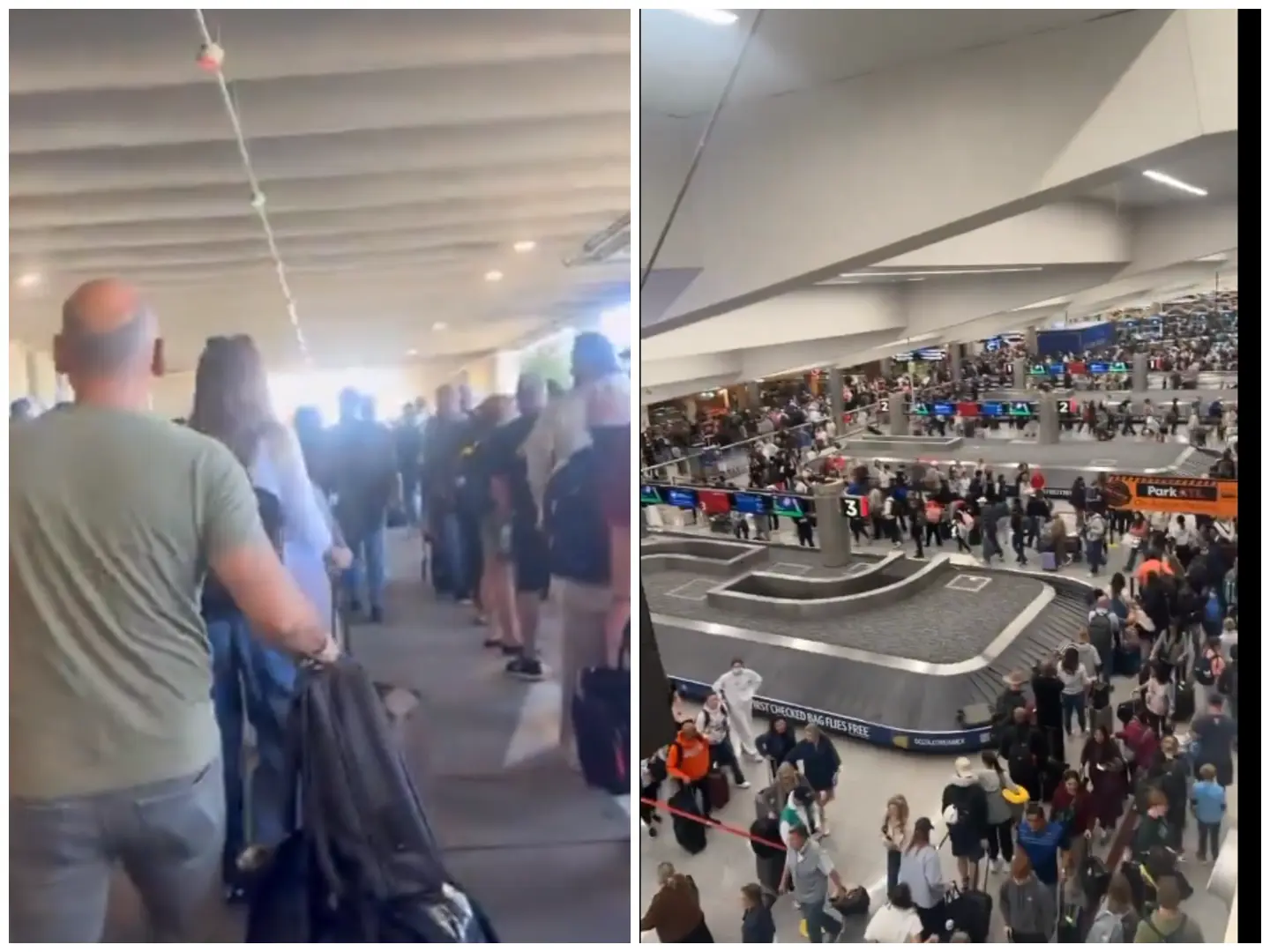
Scenes of airport screening chaos from Houston and Atlanta airports affected by a funding crisis Photograph: (Others)
US airports see TSA screening chaos after DHS funding crisis: Flyers see severe delays caused by absenteeism and resignations. ICE officers are being deployed to assist with crowd control. What you should know if you, or peole you know, are using a US airport
TSA screening chaos at US airports: While recent headlines focus on Iran-related travel advisories to American fliers, they face more immediate disruption at home. Scroll down for videos. US airports face chaos due to a partial government shutdown affecting the Department of Homeland Security (DHS), which funds the Transportation Security Administration (TSA), responsible for security screenings. Without funding, TSA screeners have missed work or resigned, and ICE officers are being deployed to assist. Smaller airports could face temporary closures.
TSA staffing crisis, resignations lead to long lines
Since mid-February, tens of thousands of TSA officers have either worked without pay, stayed away, or resigned. Nationwide absenteeism averages around 10 per cent, spiking up to 40 per cent at major hubs. Over 360 TSA officers have resigned, and nearly 50,000 remain unpaid. The result is multi-hour security queues, temporary checkpoint closures, missed flights, and cascading delays. Peak spring break travel has worsened the situation.
Major US airports affected: From Atlanta to Houston
Hartsfield-Jackson Atlanta International Airport reported absences up to 38 per cent, with waits exceeding two hours. George Bush Intercontinental in Houston saw lines stretching outside terminals, with TSA absenteeism near 40 per cent. William P. Hobby Airport in Houston reported more than three-hour waits. JFK in New York faced staffing shortages of up to 20 per cent. Louis Armstrong New Orleans International Airport reported over two-hour waits. Similar disruptions affected Chicago O’Hare, Philadelphia, and airports in Puerto Rico.
Trending Stories
)
)
&im=FitAndFill=(700,400))
)
)
)
)
)
)
)
)
)
)
)
&im=FitAndFill=(700,400))
)
)
)
)
&im=FitAndFill=(700,400))
&im=FitAndFill=(700,400))
)
)
)
)
)
)
&im=FitAndFill=(700,400))
Small airports at risk of complete shutdown
Federal law requires TSA screening for commercial flights. Without it, smaller airports, which operate with minimal staff, could shut down. Acting deputy TSA administrator Adam Stahl warned that airport closures are no longer hypothetical if absentee rates continue rising, especially after another missed pay cycle. Transportation Secretary Sean Duffy described the current disruption as “child’s play” compared to potential nationwide three- to four-hour waits, widespread flight delays, cancellations, and near-gridlock across the US aviation system.
Airports with private contractors fare better
Airports participating in the TSA Screening Partnership Program (SPP), where private contractors handle screening under federal oversight, are largely unaffected. Examples include San Francisco International and Kansas City International. Contractors are paid via pre-funded agreements and are not impacted by the shutdown.
ICE deployment at airports: A questionable choice
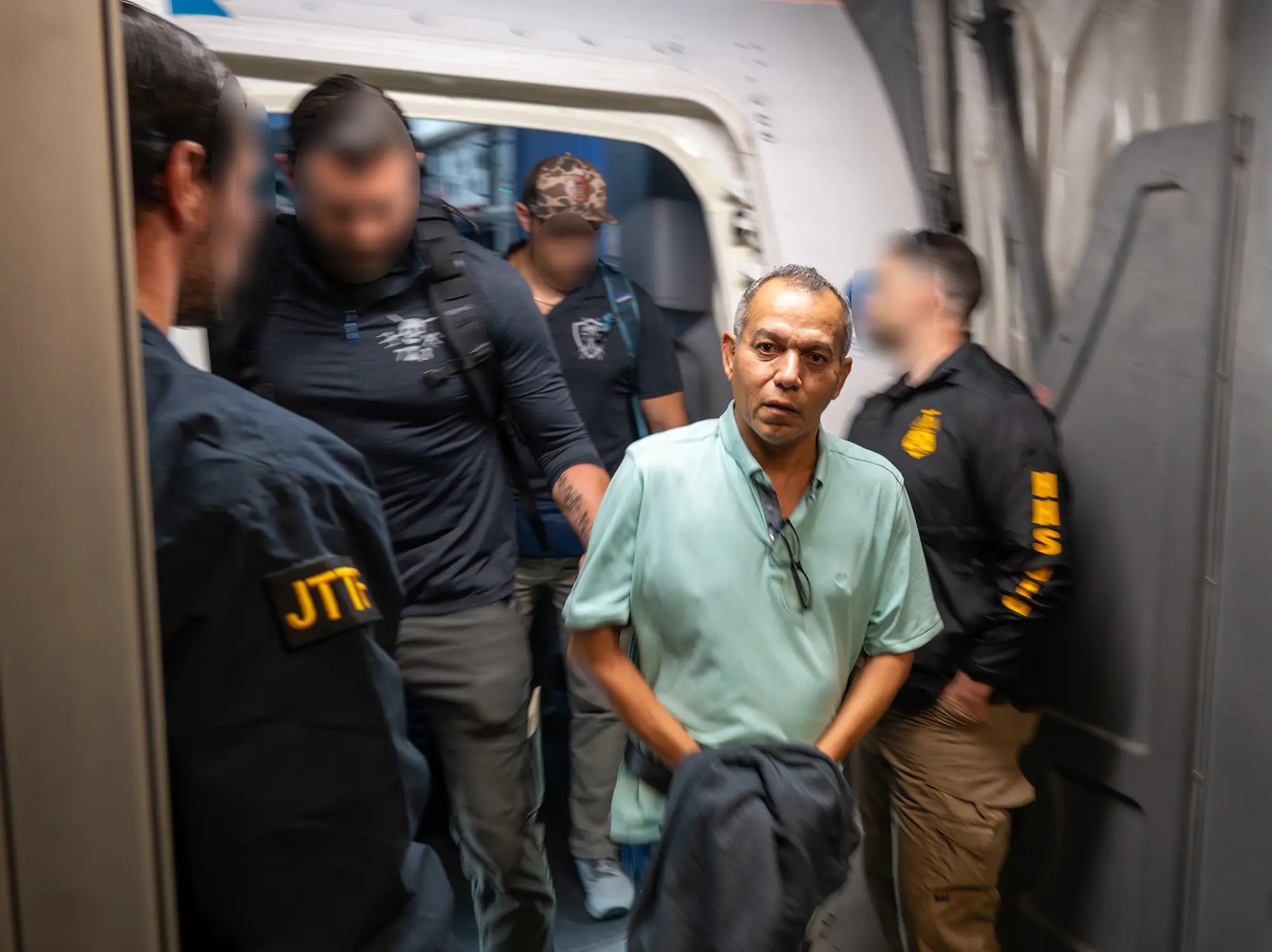
To help alleviate congestion, US Immigration and Customs Enforcement (ICE) began deploying officers to major airports. ICE presence aims to support TSA but does not replace screeners. ICE officers are not trained to operate X-ray machines, conduct baggage checks, or perform full screening. Their tasks include guarding exits, checking IDs before screening areas, managing queues, and coordinating crowd flow to allow TSA staff to focus on screening duties.
Confirmed or reported airports with ICE presence include Atlanta, JFK and other New York-area airports, Houston, New Orleans, Chicago and Philadelphia. Overall, ICE could be deployed at around 14 major airports, involving hundreds of officers.
Public reaction to ICE deployment at airports: Concerns, fear
ICE deployment has drawn mixed responses. Supporters see it as a practical, short-term measure to reduce delays and maximise federal resources. Critics, including civil liberties groups, worry that ICE’s immigration enforcement role could intimidate travellers and raise tensions in crowded environments. Some express concern about “scope creep,” fearing ICE involvement may extend beyond logistical support.
What US air passengers should know right now
If you are planning to go ato an American airport, arrive at least three hours early, monitor real-time TSA and airline updates, and expect additional ID checks and longer queues. Flexibility for delays or rescheduling is advised.
Perspective: A home-made crisis amid global headlines over Iran travel
While the US State Department issues travel warnings about Iran, domestic airport disruption presents a more immediate challenge. The DHS shutdown, TSA absenteeism, and ICE deployment are creating a fragile, escalating situation for US air travel. The situatio can worsen if congressional funding is not restored soon for DHS.