Iran-Israel War: Benjamin Netanyahu's wartime leadership is shaped by his military career, survival instinct | A profile

&imwidth=600&imheight=450&format=webp&quality=medium "Iran-Israel War: Benjamin Netanyahu's wartime leadership is shaped by his military career, survival instinct | A profile")
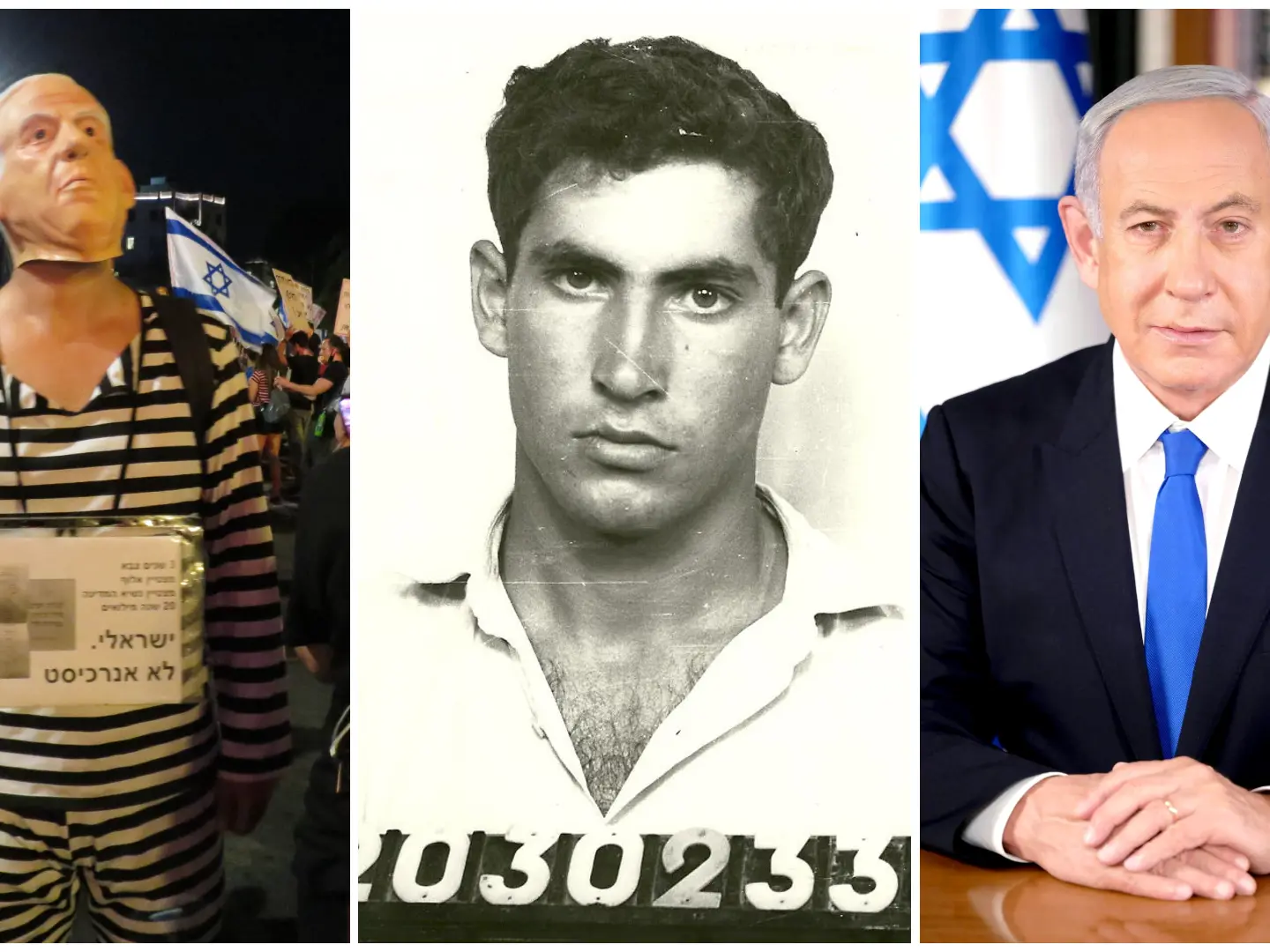
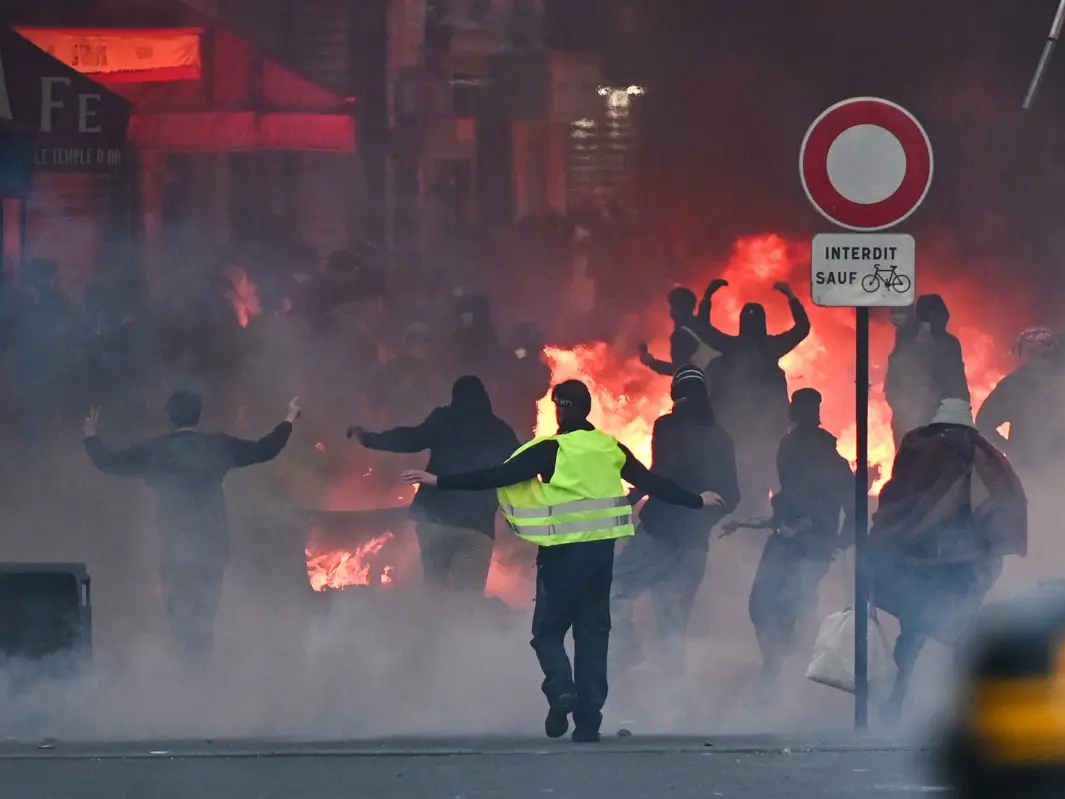
Left to right: An anti-Netanyahu protest, Netanyahu as a young soldier, and as Isreali PM Photograph: (others)
One thing is clear: Netanyahu is possibly among the most consequential leaders of Israel.
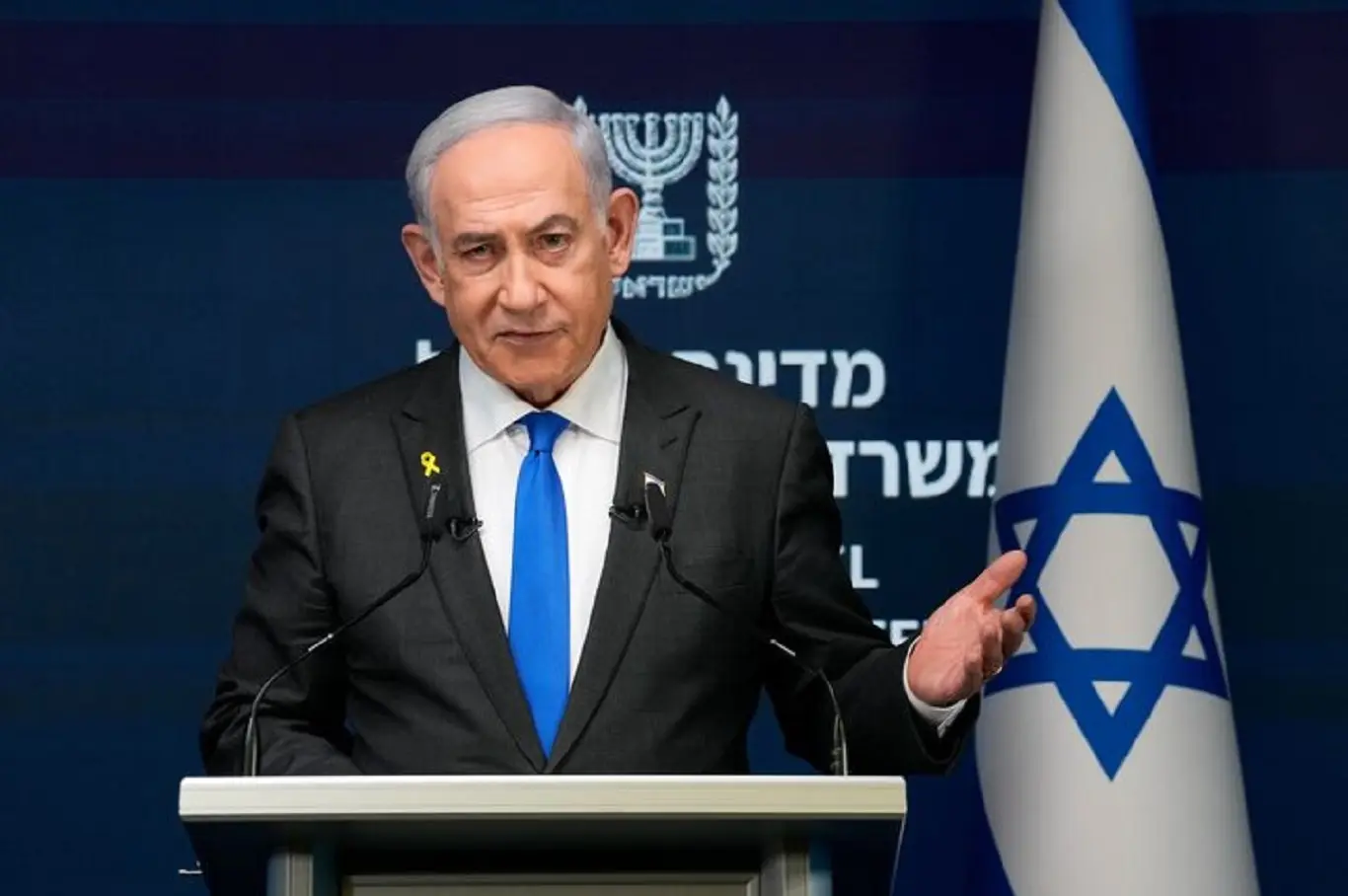
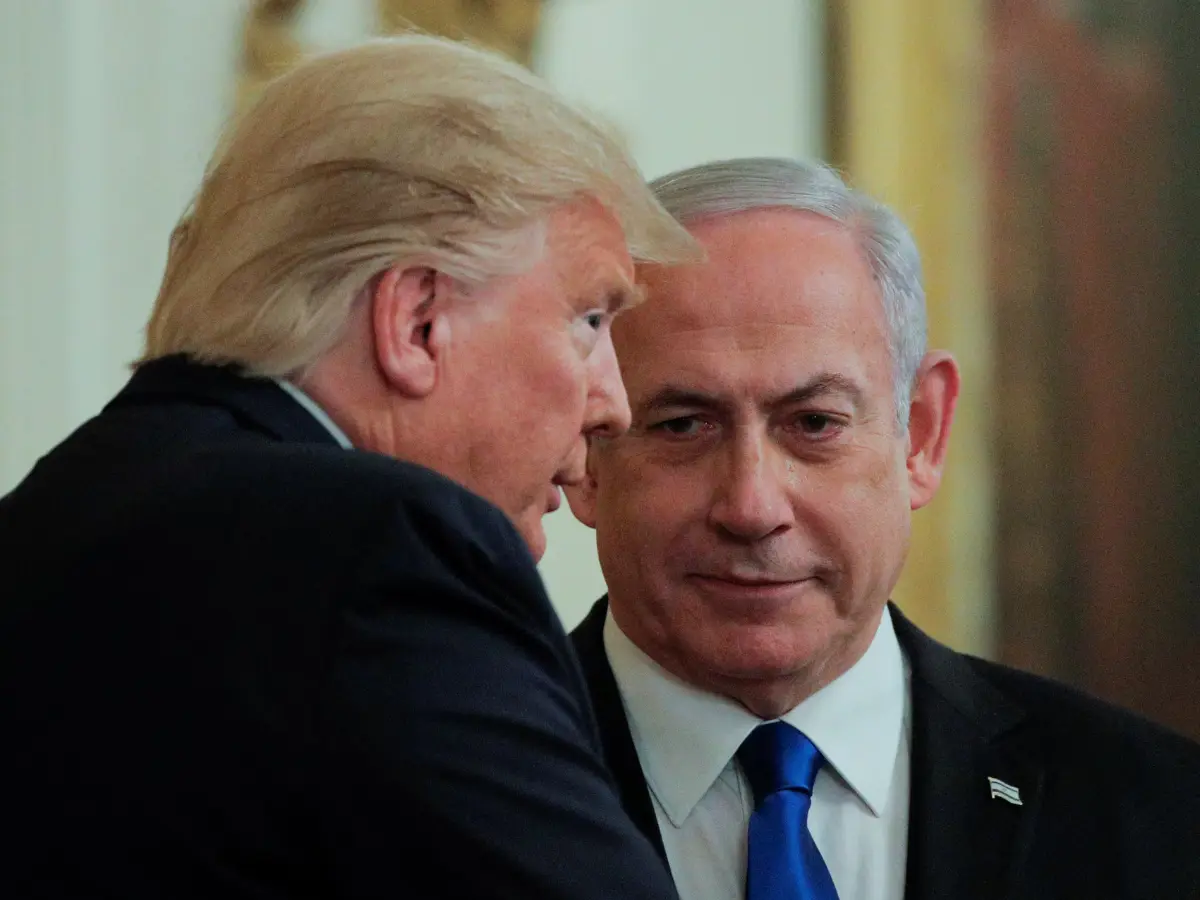
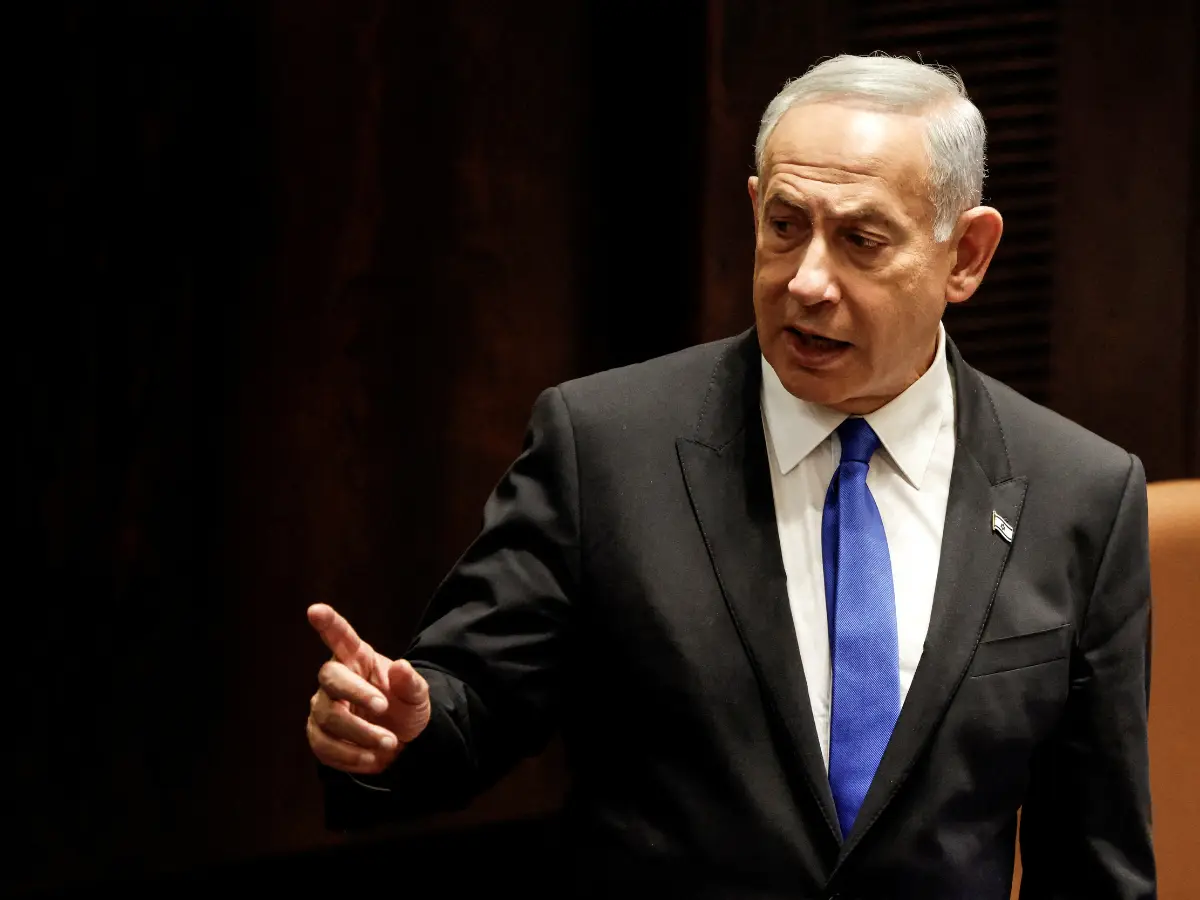
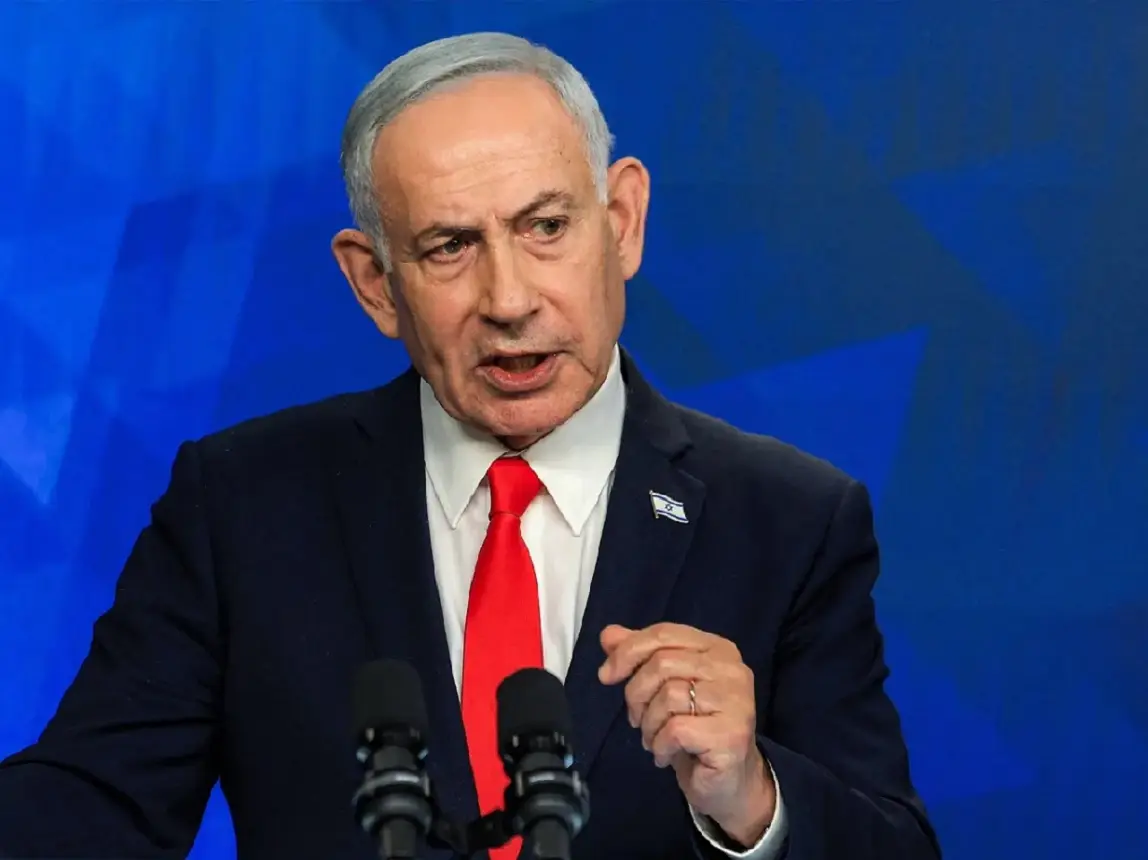
Benjamin Netanyahu, an elite soldier-turned prime minister of Israel, has been described as a war monger, maverick politician known for brinkmanship, or a strong leader of the Jewish nation, depending on where you look. But one thing is clear: Netanyahu is possibly among the most consequential leaders of Israel. As the Israel-Iran war rages on, here is a look at the life, military career and political controversies of Bibi, the man of the moment.
Benjamin Netanyahu: Early life details
Benjamin Netanyahu was born on 21 October 1949 in Tel Aviv, Israel.
He spent parts of his youth in the US, where his father taught at a college. In 1956-1958 and from 1963 to 1967, his family lived in Cheltenham Township of Pennsylvania. Netanyahu studied at the Cheltenham High School and Cornell University.
The nation’s longest-serving prime minister, Netanyahu served in 1996–1999, 2009–2021, and since 2022 in the top post.
Netanyahu's military career: Elite soldier on risky missions
Netanyahu’s military service began in 1967 when he returned from the US at the age of 18.
He joined the Israel Defense Forces (IDF) that year, and served in the elite Sayeret Matkal special forces unit.
He was part of several risky operations of Israeli forces, such as the 1972 rescue of a hijacked Sabena plane. He was injured in the shoulder during that operation.
Netanyahu fought in the 1973 Yom Kippur War, and was promoted to captain.
Trending Stories
&im=FitAndFill=(700,400)&imwidth=280&imheight=210&format=webp&quality=medium)
&imwidth=280&imheight=210&format=webp&quality=medium)
&imwidth=280&imheight=210&format=webp&quality=medium)
&imwidth=280&imheight=210&format=webp&quality=medium)
&imwidth=280&imheight=210&format=webp&quality=medium)
&imwidth=280&imheight=210&format=webp&quality=medium)
&imwidth=280&imheight=210&format=webp&quality=medium)
&imwidth=280&imheight=210&format=webp&quality=medium)
&imwidth=280&imheight=210&format=webp&quality=medium)
&imwidth=280&imheight=210&format=webp&quality=medium)
&im=FitAndFill=(700,400)&imwidth=280&imheight=210&format=webp&quality=medium)
&imwidth=280&imheight=210&format=webp&quality=medium)
&imwidth=280&imheight=210&format=webp&quality=medium)
&imwidth=280&imheight=210&format=webp&quality=medium)
&imwidth=280&imheight=210&format=webp&quality=medium)
&imwidth=280&imheight=210&format=webp&quality=medium)
&imwidth=280&imheight=210&format=webp&quality=medium)
&imwidth=280&imheight=210&format=webp&quality=medium)
&imwidth=280&imheight=210&format=webp&quality=medium)
&imwidth=280&imheight=210&format=webp&quality=medium)
&imwidth=280&imheight=210&format=webp&quality=medium)
&im=FitAndFill=(700,400)&imwidth=280&imheight=210&format=webp&quality=medium)
&im=FitAndFill=(700,400)&imwidth=280&imheight=210&format=webp&quality=medium)
&imwidth=280&imheight=210&format=webp&quality=medium)
&imwidth=280&imheight=210&format=webp&quality=medium)
&imwidth=280&imheight=210&format=webp&quality=medium)
&imwidth=280&imheight=210&format=webp&quality=medium)
&imwidth=280&imheight=210&format=webp&quality=medium)
&imwidth=280&imheight=210&format=webp&quality=medium)
&imwidth=280&imheight=210&format=webp&quality=medium)
&imwidth=280&imheight=210&format=webp&quality=medium)
&imwidth=280&imheight=210&format=webp&quality=medium)
&imwidth=280&imheight=210&format=webp&quality=medium)
&imwidth=280&imheight=210&format=webp&quality=medium)
He was also part of several IDF missions across Lebanon and Jordan in 1968.
He lost his brother Yonatan, who led the 1976 Entebbe counterterrorism raid, a life event that shaped his hardline stance against terrorism. He later went on to found the Jonathan Institute to combat global terrorism.
His military experience led to the ‘Mr Security’ image of Netanyahu, which gave him political legitimacy.
Netanyahu's political career: Right-wing leader known for brinkmanship
Netanyahu joined the right-wing Likud party and rose through the ranks, often through sheer brinkmanship.
He negotiated crises at home and abroad, including court cases alleging corruption, the hearings of which continued even as he was in and out of power.
Through deft handling of coalitions, Netanyahu focused on staying in power despite not having a clear majority in recent elections, by aligning with far-right parties and leaders. He shrugged off massive protests seeking his arrest in corruption cases.
Iran and Palestinians: Arch rivals of Netanyahu
Having been a frontline soldier, Netanyahu was openly opposed to the Oslo Accords of the 1990s, which established a framework for the two-state solution that aimed to eventually create a Palestinian state alongside Israel.
Instead of a solution, Netanyahu was interested in ‘managing’ the Israeli-Palestinian conflict, and is often accused of supporting one Palestinian group against the other and stalling the peace process in spite of several direct talks with the other side's leaders.
Netanyahu is one of the most vocal leaders against Iran, which he accused of supporting anti-Israel militant groups like Hezbollah, Hamas and Houthis. At every opportunity on the international stage, Netanyahu criticised the Iranian nuclear programme, arguing that Tehran aimed to develop nuclear weapons, which Israel saw as an existential threat.
Netanyahu was unreserved in his criticism of the 2015 Iran nuclear deal. In a speech to the US Congress the same year, he railed against it, which strained his ties with the then-US administration of Barack Obama, who had led the US in the deal.
This was an example of Netanyahu's risk-taking behaviour: he was ready to openly challenge even an ally like the US, in order to achieve Israel's strategic goals.
Netanyahu, a polarising figure in domestic politics
For more than five years now, Netanyahu has faced continuing protests against his rule. He and his wife Sara have faced corruption charges since 2019. But he used the war situation emerging after the 2023 October 7 terror attack by Hamas on Israel to his political advantage: first by creating a war cabinet that included opposition figures and far-right leaders, second by pushing for reforming the judiciary, and third by expanding the war in the larger region.
This was seen as his willingness to polarise the nation politically to stay in power. Now that the Israel-Iran war is raging, it has only further cemented his position at the helm.
Netanyahu, from soldier to wartime prime minister
Besides taking part in military missions himself, Netanyahu also led the nation in several conflicts, mainly involving the Palestinians, Iran and its proxies.
The Gaza War of 2014 was a brief conflict under his leadership in which Israel targeted Hamas in the Palestinian enclave, allegedly leading to thousands of civilian deaths.
After the Hamas-led attack on Israel in 2023, in which 1,200 mostly civilian Israelis were killed, Netanyahu ordered a full-scale invasion of Gaza, triggering the ongoing Israel-Hamas war.
More than 44,000 Palestinian deaths have been reported, mostly civilians.
Amid the continuing political challenges to his leadership, Netanyahu in 2024 ordered an invasion of Lebanon to counter Hezbollah, expanding regional tensions.
Under his orders, the leaders of Hamas and Hezbollah were killed in Gaza as well as in Lebanon and Iran.
Netanyahu is a man on a mission. He has continuously rejected calls for a ceasefire with Hamas, drawing global condemnation, and defied even the arrest warrants issued by the International Criminal Court for alleged war crimes in Gaza.
A contentious legacy shaped by controversy
Netanyahu is keen on political survival and is known for his resiliency.
The polarising leader's military background, political manoeuvring, and wartime decision-making appear to put his own security and survival upfront, despite the lack of diplomatic consensus or domestic unity.
His ability to do the strategic tight rope walk is informed by his military experience and personal involvement in Israel’s conflicts in the region.
Whether you like him or not, his legacy would be that of a leader who reshaped the global perspective on Israel as a regional power.