How do army night-vision systems see in almost complete darkness?

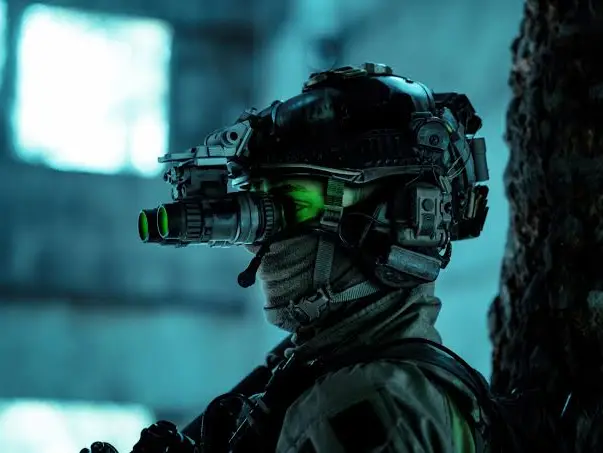
Army night-vision goggles collect faint ambient light and multiply it up to 50,000 times using a microchannel plate. The electrons then hit a phosphor screen to create a clear green image.
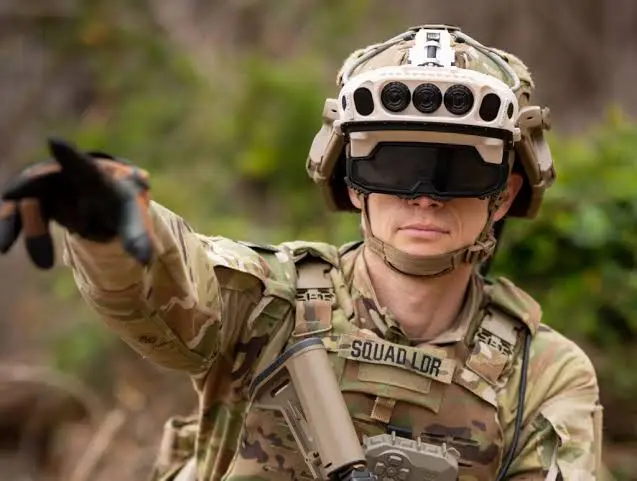
Gathering ambient light
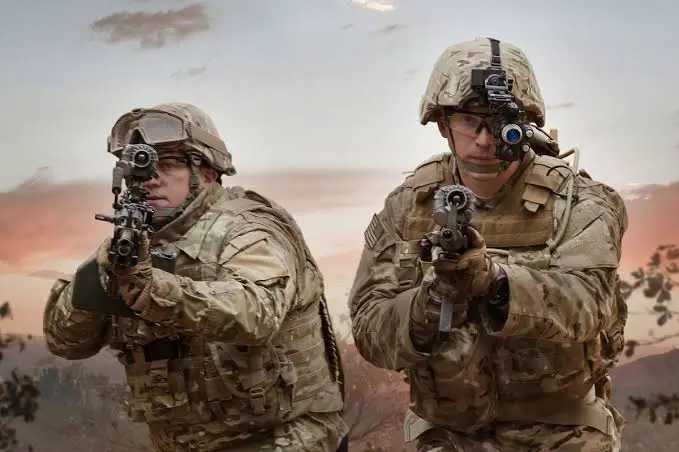
Night-vision goggles do not create their own light but rely on existing ambient sources like the moon or starlight. The objective lens collects these scattered photons, including near-infrared light that remains completely invisible to the naked human eye. This faint light enters the front of the device to begin the magnification process.
Converting to electrons
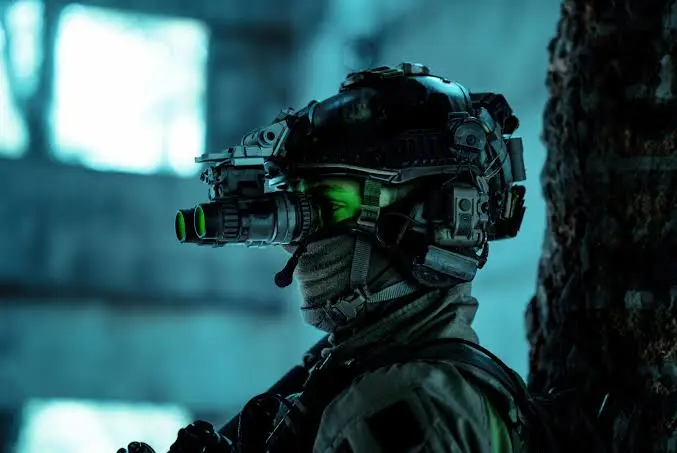
Once the gathered photons enter the goggles, they strike a specialised light-sensitive surface known as a photocathode. This internal component absorbs the incoming light energy and instantly converts the photons into electrons. Changing the light into an electrical charge allows the system to manipulate and multiply the visual data mechanically.
The microchannel plate
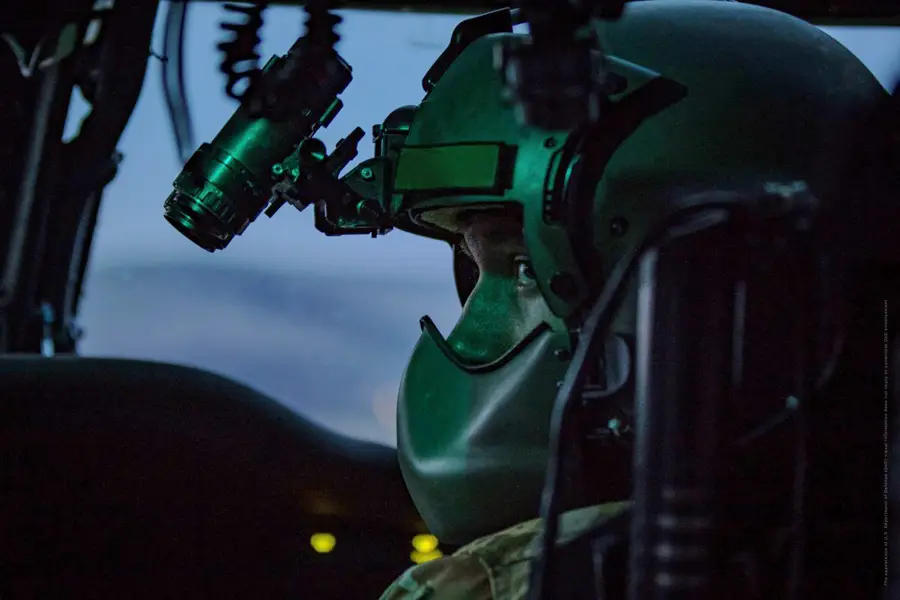
The newly created electrons pass through a microchannel plate, which is a tiny glass disc containing millions of microscopic holes. As electrons strike the walls of these channels, they trigger a chain reaction that releases thousands of additional electrons. This multiplication process amplifies the original visual signal by up to 50,000 times.
Hitting the phosphor screen
The multiplied electrons exit the microchannel plate and smash into a screen coated with sensitive chemical phosphors. This high-speed impact causes the phosphors to release photons, converting the electrical energy back into visible light. This final process generates the bright, illuminated image that the soldier sees through the eyepiece.
Why images are green
Military night-vision screens traditionally use green phosphors because the human eye can differentiate more shades of green than any other colour. This scientific design choice allows soldiers to perceive greater depth and finer tactical details in complete darkness. It also helps reduce severe eye strain during extended night combat operations.