Why do some fighter jets have two engines while others use one?

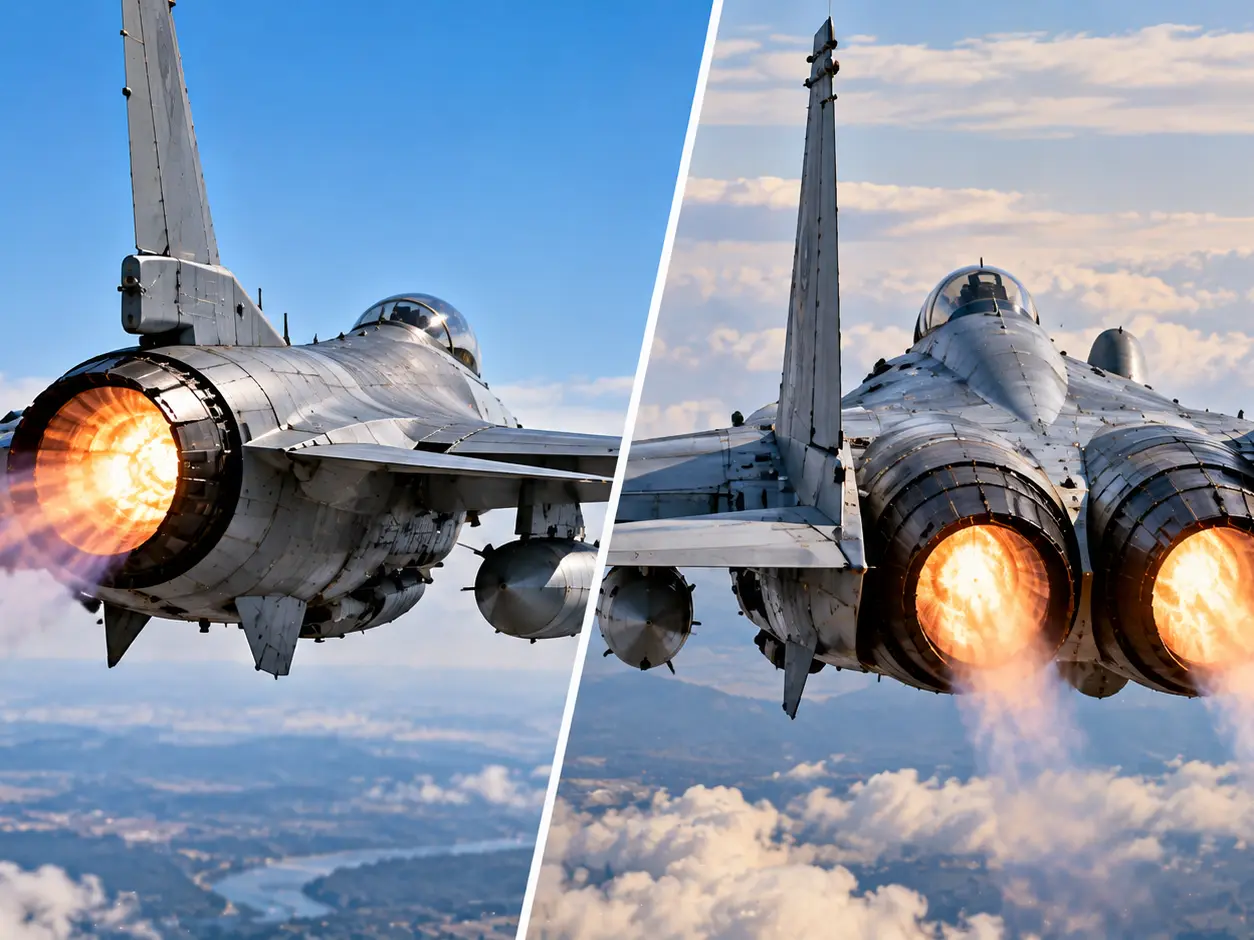
Single-engine jets are lighter and cheaper to operate, allowing for larger fleets. Twin-engine fighters provide mechanical redundancy and higher thrust, making them ideal for heavy weapon payloads and high-risk naval operations.
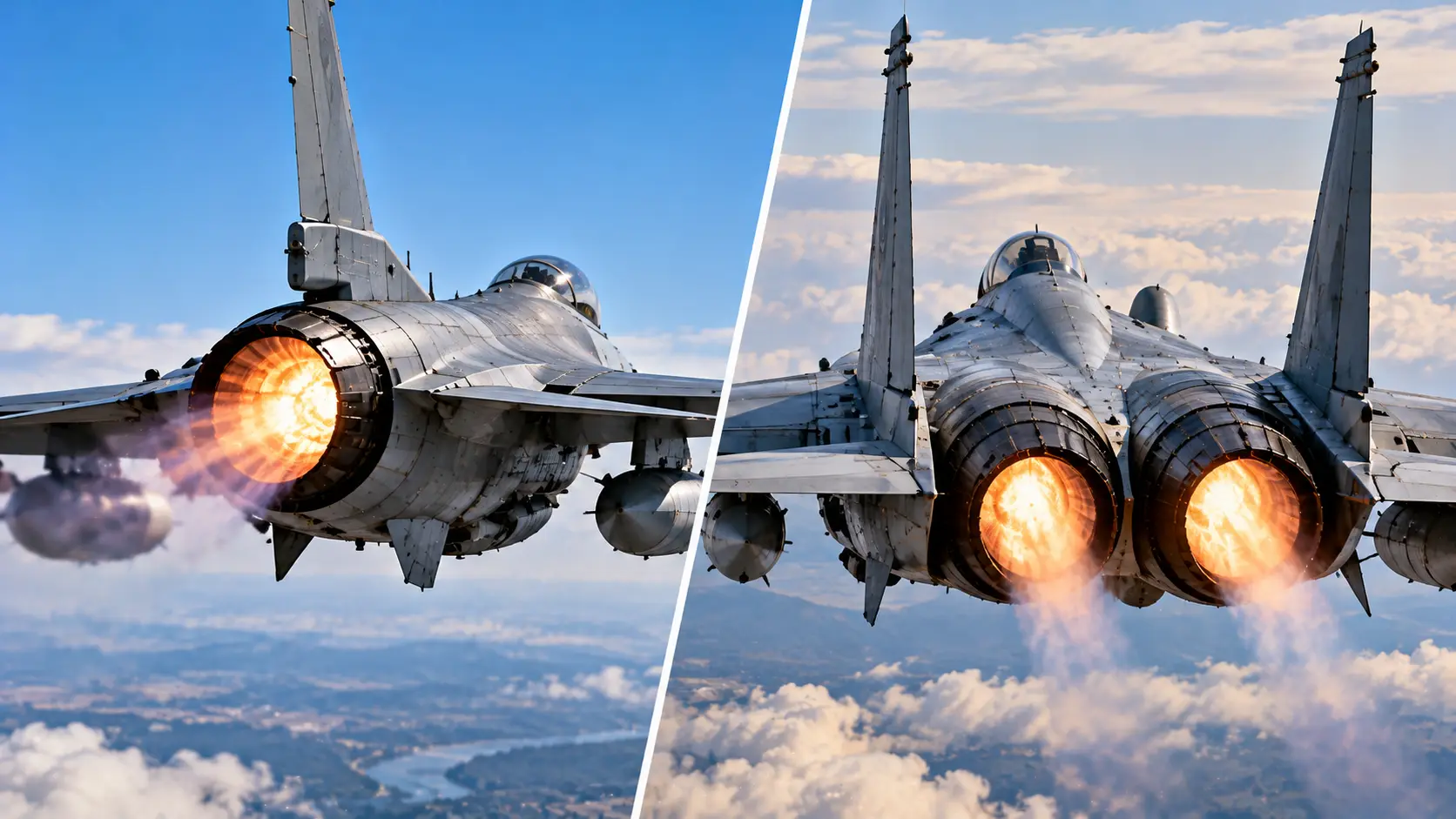
Safety and mechanical redundancy
Twin-engine fighters provide a critical safety advantage during long flights over vast oceans or hostile territory. If one engine suffers a mechanical failure or battle damage, the pilot can safely return to base using the remaining active engine.
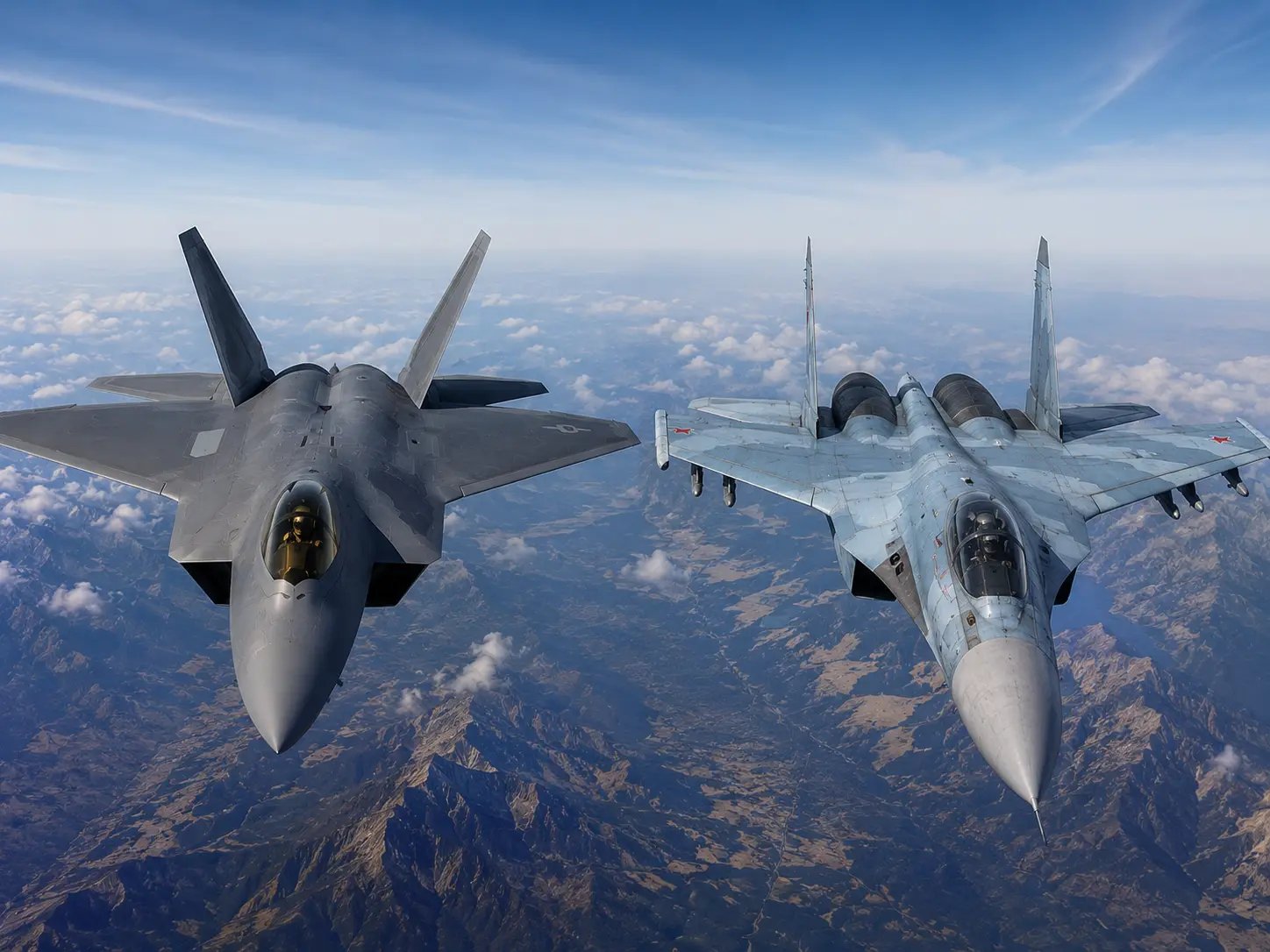
Lower operational flight costs
Single-engine combat aircraft are significantly cheaper to manufacture and maintain on a daily basis. They consume much less aviation fuel per flight hour, allowing militaries to train more pilots and sustain larger overall fleet numbers efficiently.
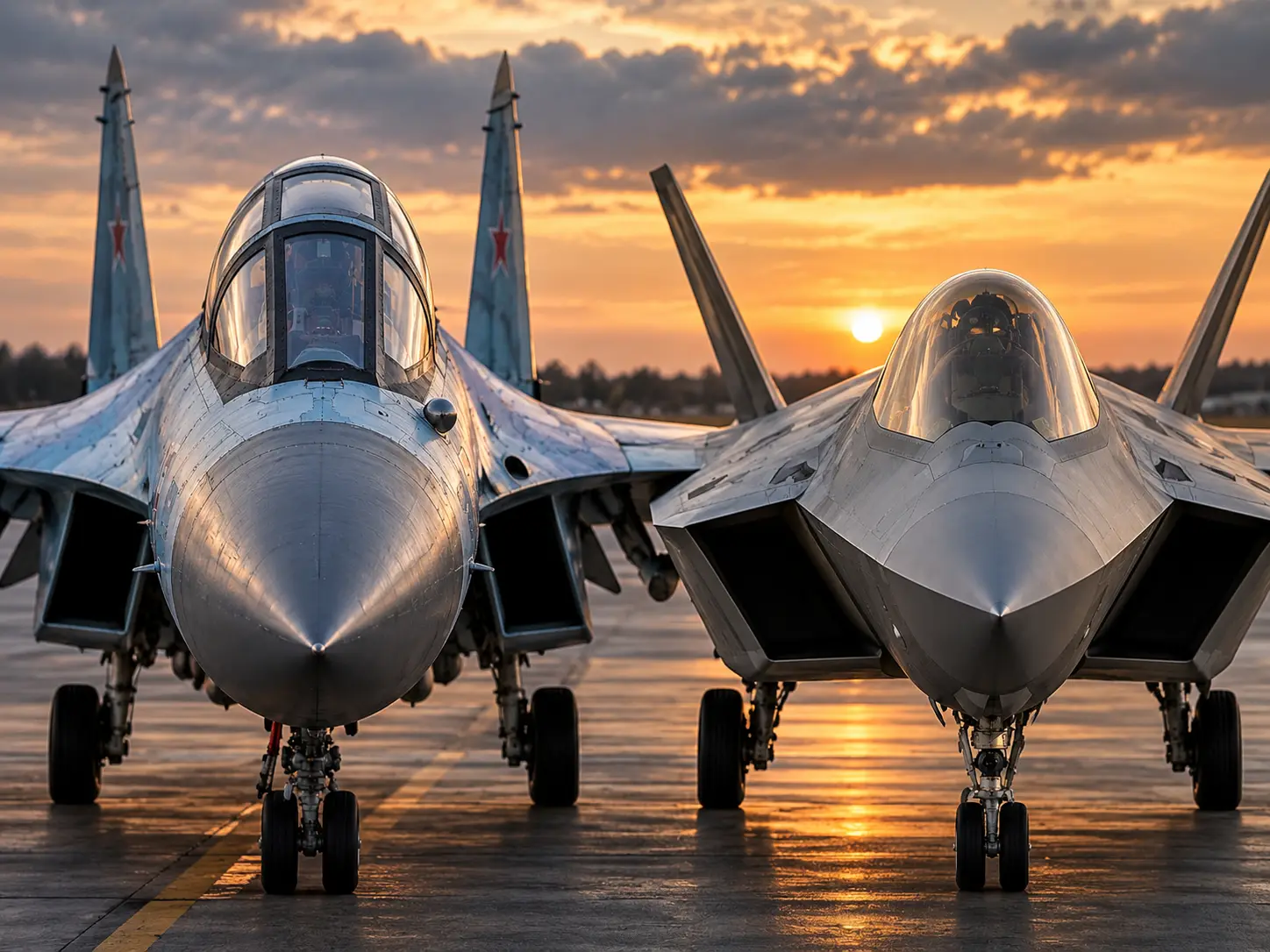
Weapon and payload capacity
Adding a second engine generates massive amounts of additional thrust and electrical power. This allows heavy twin-engine jets to carry payloads exceeding 8,000 kilogrammes, meaning they can deploy with far more missiles and heavy guided bombs.
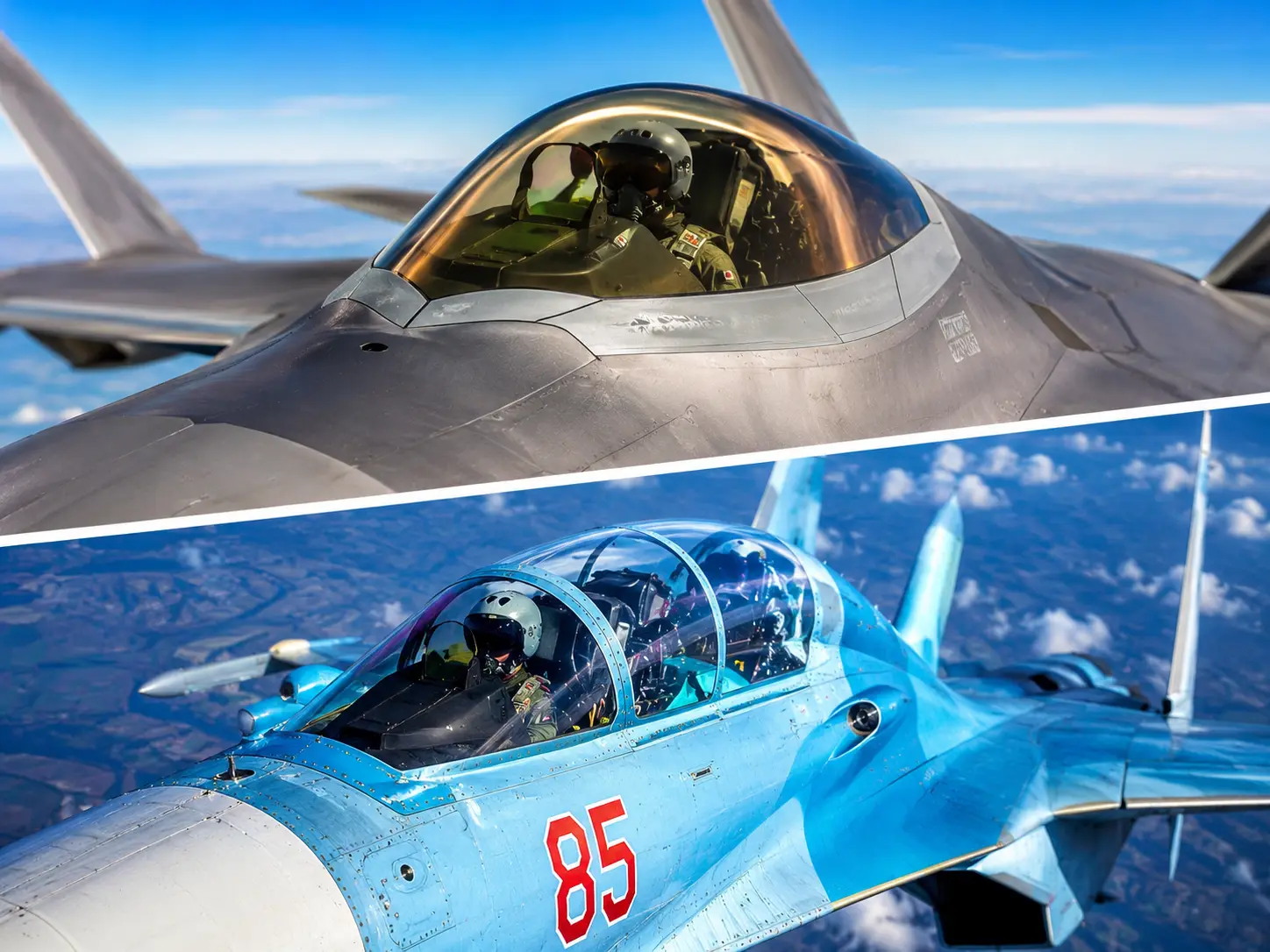
Aircraft size and agility
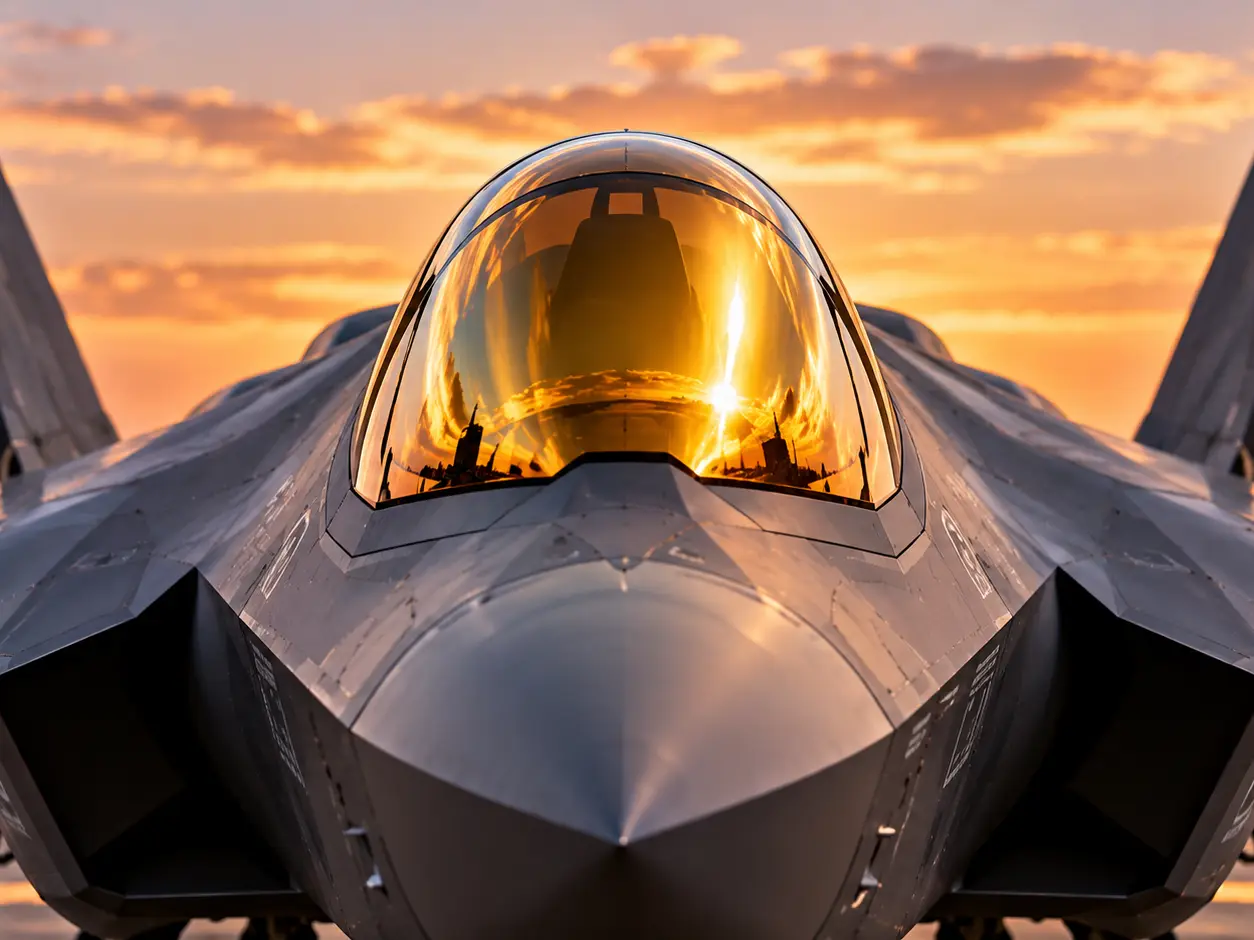
Having only one engine allows engineers to design a much smaller and lighter airframe. This compact size makes single-engine jets highly agile in close aerial combat and visually harder for enemy pilots to spot from a distance.
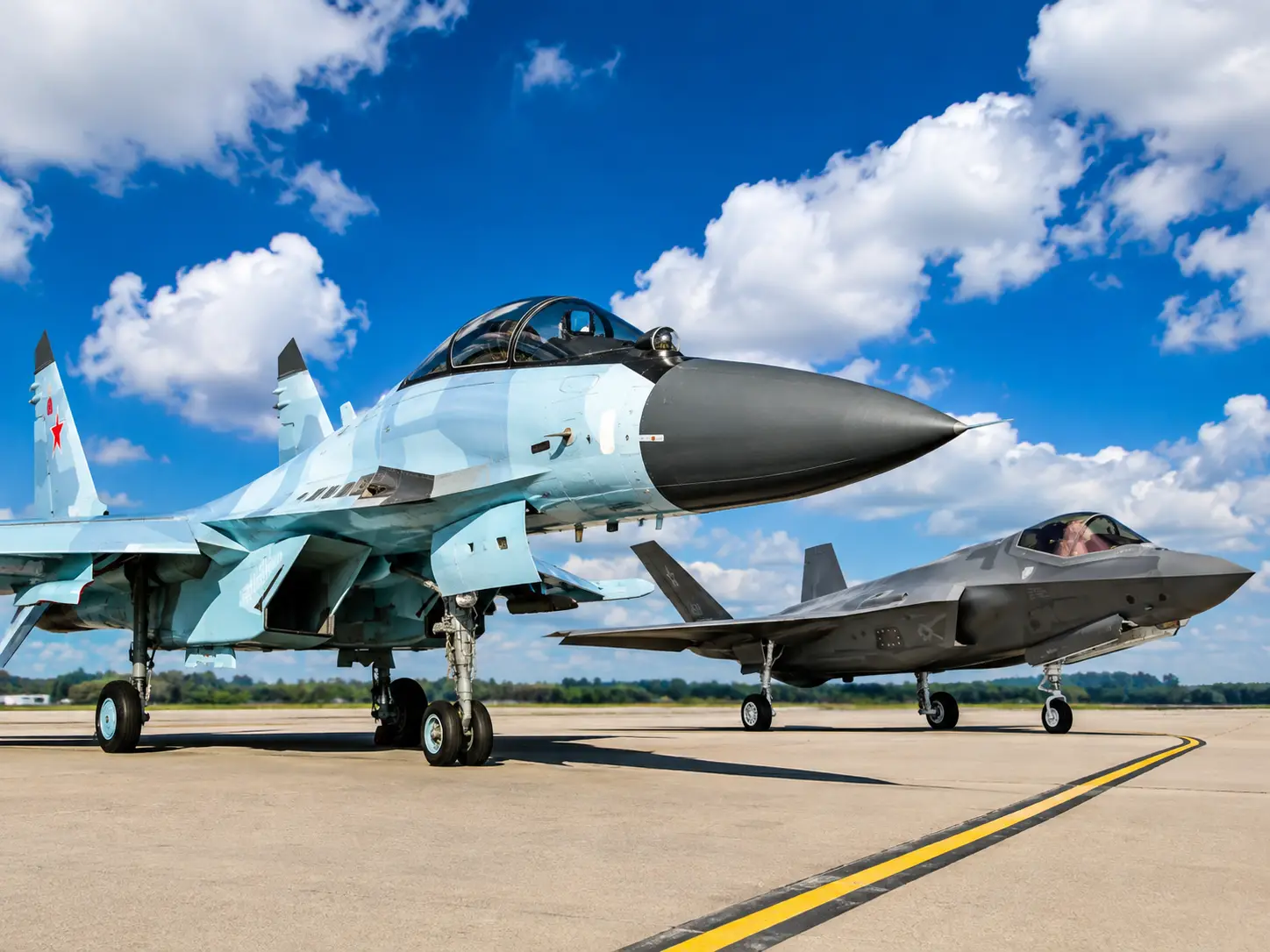
Naval aircraft carrier operations
Navies historically prefer twin-engine jets for aircraft carrier deployments due to the severe risks of marine environments. The dual engines ensure that a bird strike during takeoff does not result in the immediate loss of the aircraft.