Israel 'completely in sync' with US on West Asia war, says Israel Ambassador Reuven Azar

&imwidth=600&imheight=450&format=webp&quality=medium "Israel 'completely in sync' with US on West Asia war, says Israel Ambassador Reuven Azar")
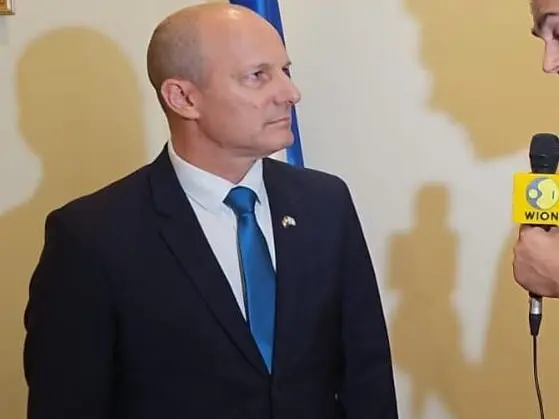
Israel's ambassador to India, Reuven Azar, speaks to WION Photograph: (WION)
Israel’s ongoing military campaign against Iran, supported by the United States, is progressing ahead of schedule as it aims to neutralise Tehran’s nuclear and ballistic missile capabilities through targeted operations.
Israel's ambassador to India, Reuven Azar, has said the ongoing military campaign against Iran could continue for an unspecified period, but Israel is "ahead of schedule" in achieving its objectives. Speaking to WION's Sidhant Sibal, amid escalating conflict in West Asia, Mr Azar described the operation, involving joint efforts with the United States, as progressing faster than initially anticipated.
"We don't know yet" how long the war will last, he said. "We have said at the outset, this can take a few weeks. We are actually ahead of schedule when it comes to our military targets. But it's not over yet, we still have things that we want to do, especially when it comes to the missile launch capability, & other military targets."
Also read: US religious freedom panel recommends sanction on RSS, R&AW, names 'India as Country of concern'
The ambassador emphasised that Israel remains open to diplomacy but is prepared to persist if Iran refuses concessions. "We still are open to an acceptance of the conditions that the United States has put forward to Iran in the nuclear realm, in the ballistic missile realm, and there's support for the proxies," Mr Azar stated.
"But if they do not cooperate, at the end of the day, we will exhaust this effort, and then we will engage in keeping Iran debilitated, in giving the Iranian people the opportunity to embrace the future. And if they choose to demand a change in policy, or a change in the regime."
Trending Stories
&im=FitAndFill=(700,400))
)
)
)
)
)
)
)
)
)
)
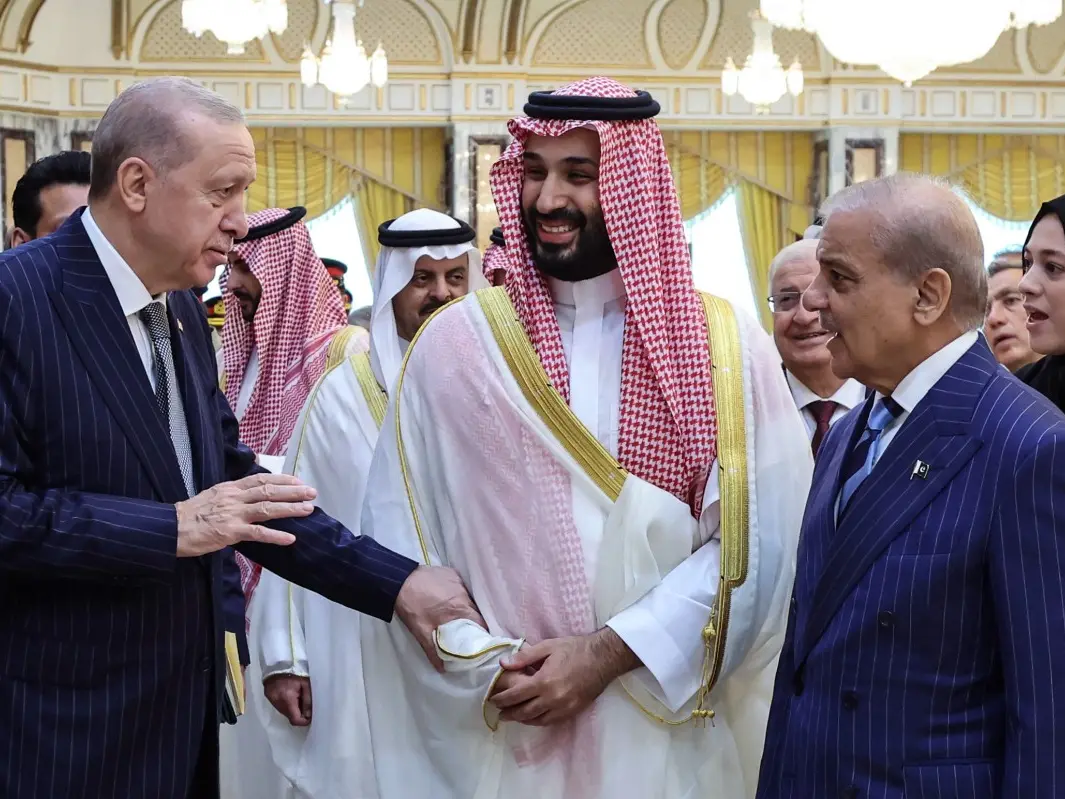)
)
)
)
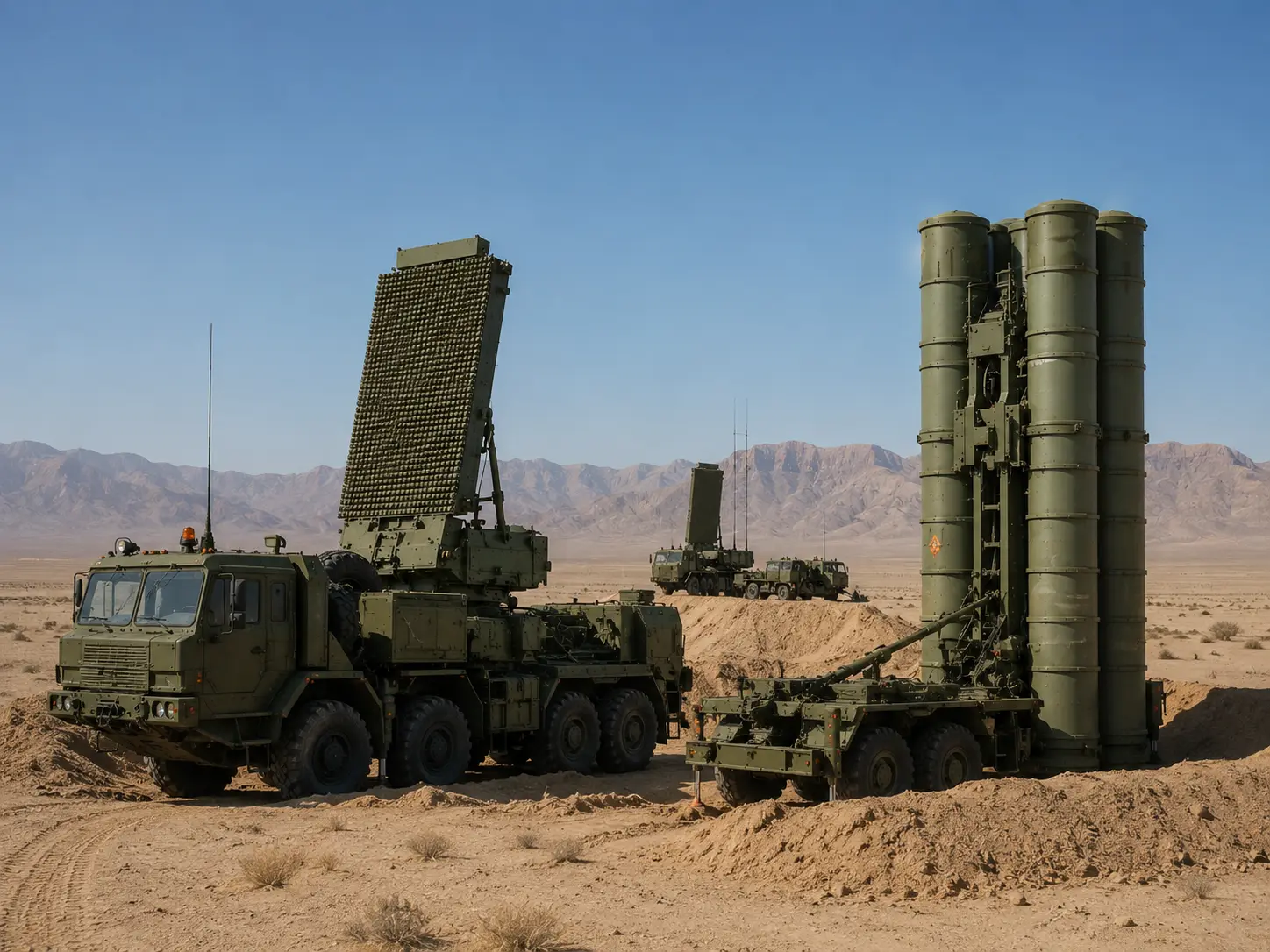&im=FitAndFill=(700,400))
)
)
&im=FitAndFill=(700,400))
)
)
)
)
)
)
)
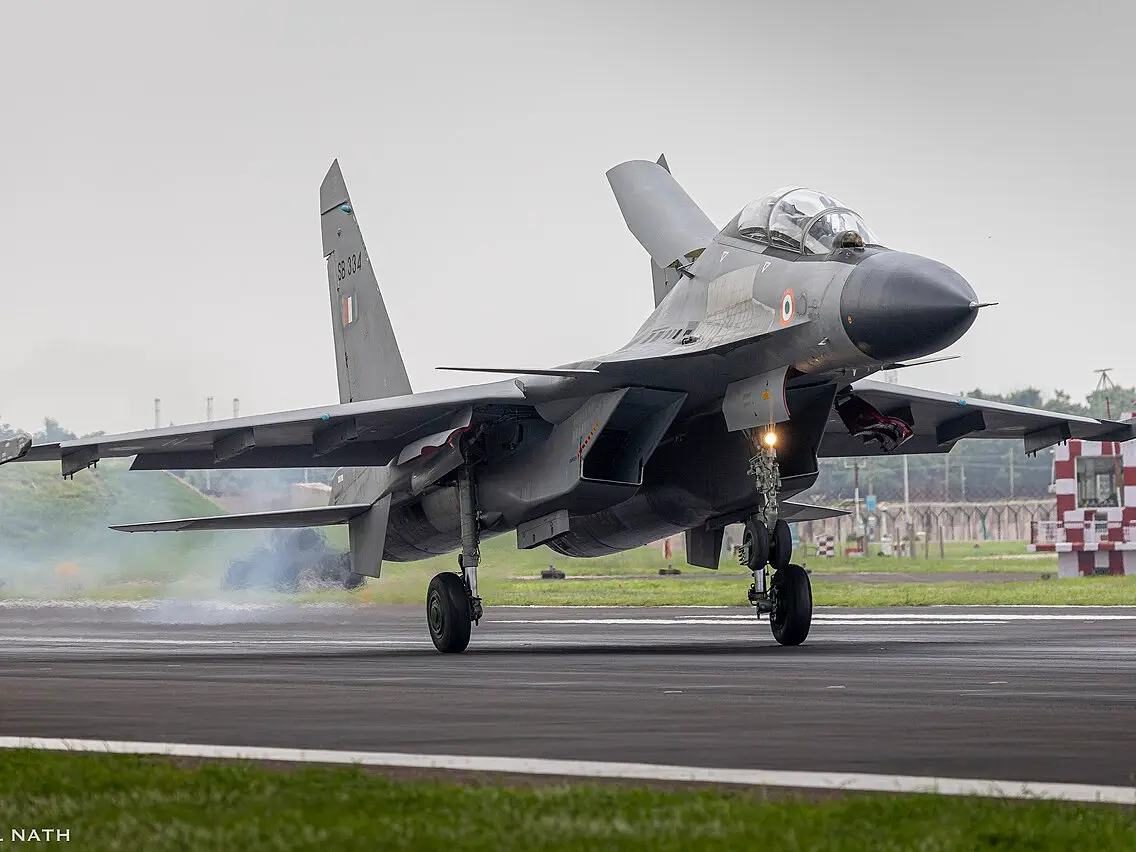&im=FitAndFill=(700,400))
)
)
)
)
)
)
&im=FitAndFill=(700,400))
He highlighted close coordination with Washington. "We are completely in sync with the United States," he said. "We've been talking with the leadership, Prime Minister Benjamin Netanyahu is in constant contact with President Trump and his team, and what we want to achieve is stability that will emanate either from Iran's acceptance of the conditions or from the debilitation of their capability to hurt us and our neighbor."
On the economic fallout from disruptions in the Strait of Hormuz, a vital chokepoint for global oil, Mr Azar downplayed long-term risks. "The Strait of Hormuz are not completely closed," he noted.
"They are economic repercussions. They are not as big as people are assuming. Iranians won't be capable of threatening movement in the strip of Hormuz for a long period of time, and that means that we will be able to stabilize the situation."
He framed Israel's actions as benefiting global trade and regional stability, including for India. "The fact that we are now removing this threat is a great service, not only for the US and Israel, I think it's also a great service for the world, for the region and for the world that wants to trade through West Asia," he said.
"It's these are great news for millions of Indians that are living in the Gulf and now will be liberated from this terrible shadow coming from Iran."
Mr Azar also addressed the timing of the operation in relation to Indian Prime Minister Narendra Modi's recent visit to Israel. "India is not part of this plan that Israel had," he clarified. "We knew that the situation in the region is volatile, but the operational opportunity for us to launch this operation came two days, only two days after Prime Minister Modi left."
On bilateral ties, the ambassador expressed optimism. "We are very pleased with the cooperation we have with India," he said. "I think that this visit has been a landmark in upgrading our relationship to a level of a special strategic relationship partnership, and we will now engage in the coming months to implementing more than 17 agreements that were signed."
