&imwidth=800&imheight=600&format=webp&quality=medium "'We ended the war today', really? Is Trump under more pressure than Iran to reach a deal? The Big Question")
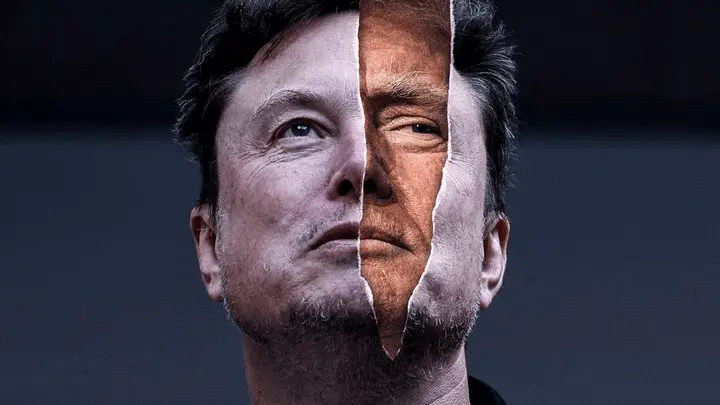
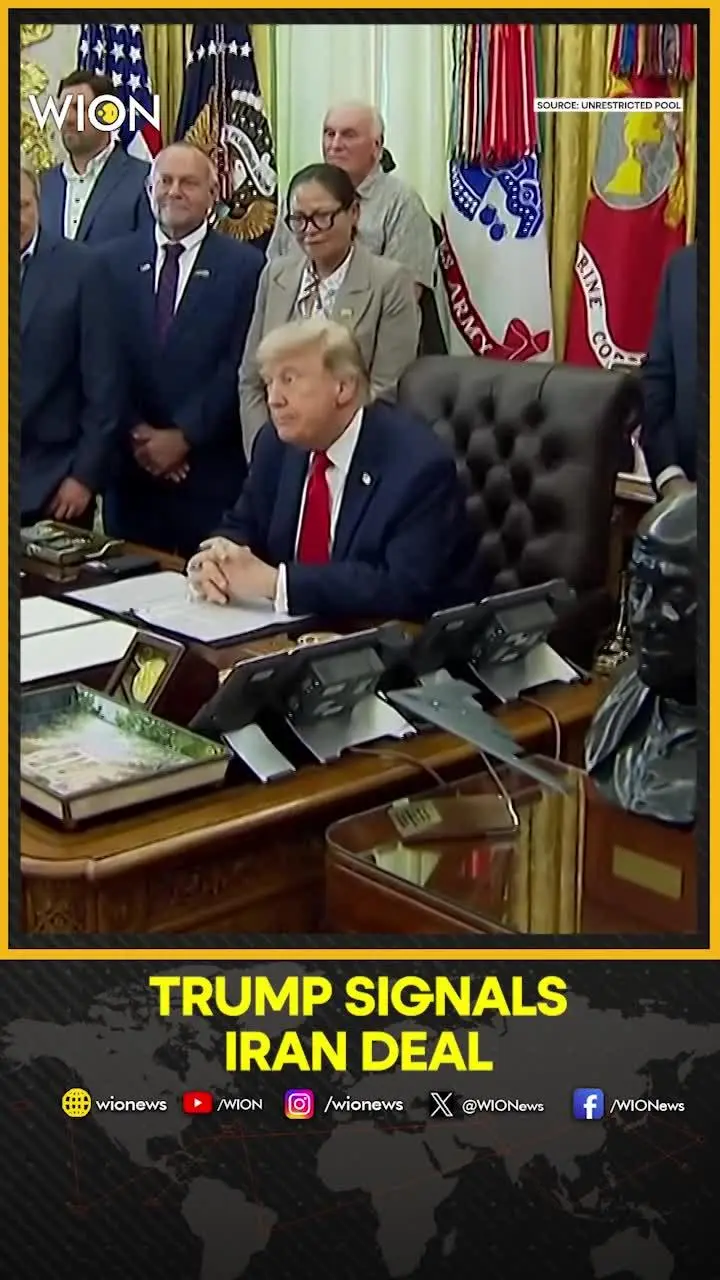
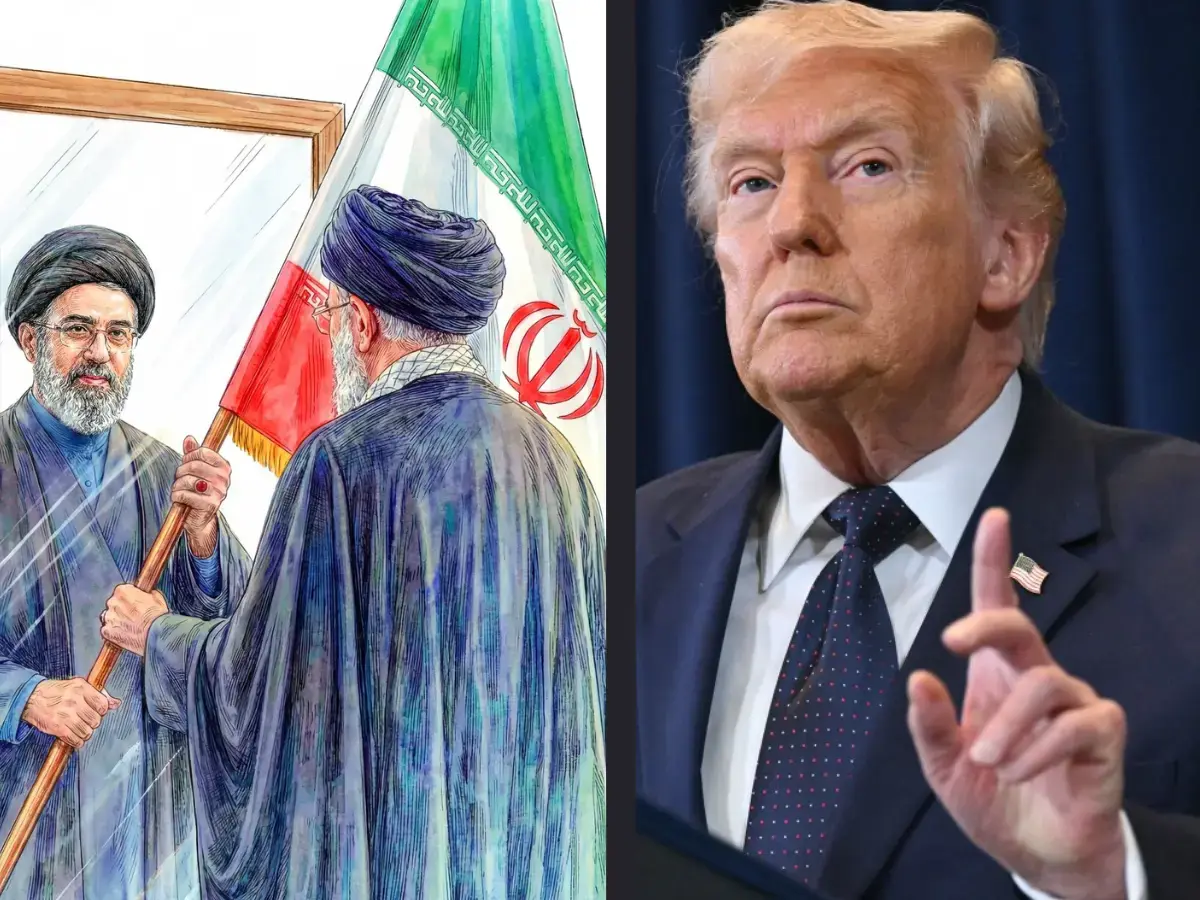
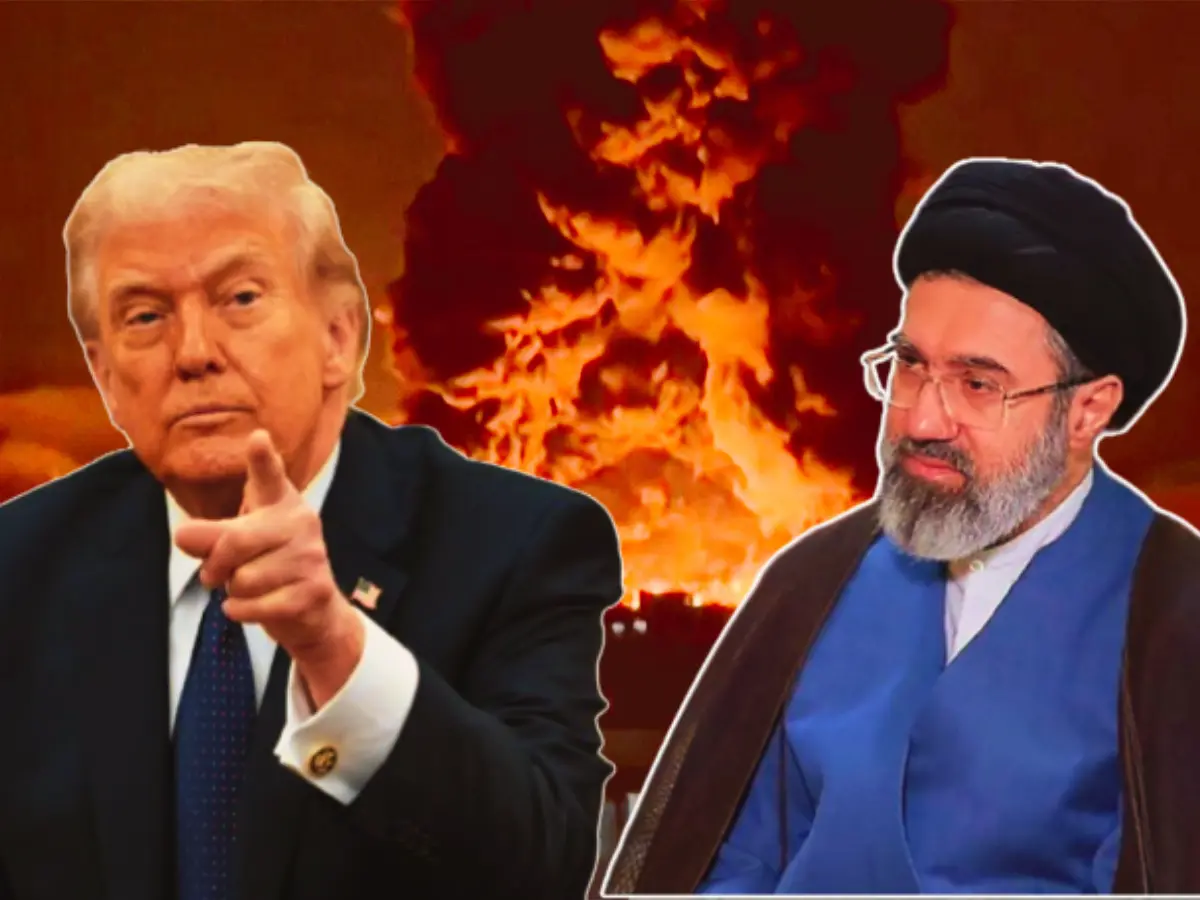
US President Donald Trump once again cancelled a scheduled attack on Iran on Thursday night (Jun 11). This makes one wonder: Is Trump the one who's under pressure to reach a deal with Iran? He faces economic, political, and strategic pressures ahead of the November 3 midterm elections. Despite leverage through sanctions, military threats, and economic pressure on Iran, the costs of a prolonged conflict are falling on his own political coalition and agenda.
The midterms clock is ticking
Republicans are entering the midterms defending a narrow House majority that is vulnerable to the traditional anti-incumbency. Morgan Stanley's policy team warned that the war's energy shock could cost Republicans their Senate majority and significantly worsen the national debt. Trump and Republicans were elected on promises to cut inflation. They now face an inflation surge tied to the war, and several opinion polls are against them.

Democrats will make the rising cost of living a central campaign issue in the midterms. A prolonged war will disrupt Trump's legislative agenda and GOP control of Congress.
Trump once said he "doesn't care about the midterms," but Iran war escalation can affect his party's prospects. He needs a face-saving deal before November.
Trending Stories
Americans feel pinch at pump as Iran uses Strait of Hormuz as leverage
Two weeks into the war, gasoline prices rose nearly 60 cents per gallon in the US, or about 19 per cent, while inflation reached 4.2 per cent in May, the highest since April 2023. A GOP strategist said, "You can't hide gas prices… there's a giant sign on every street corner saying how bad things are."
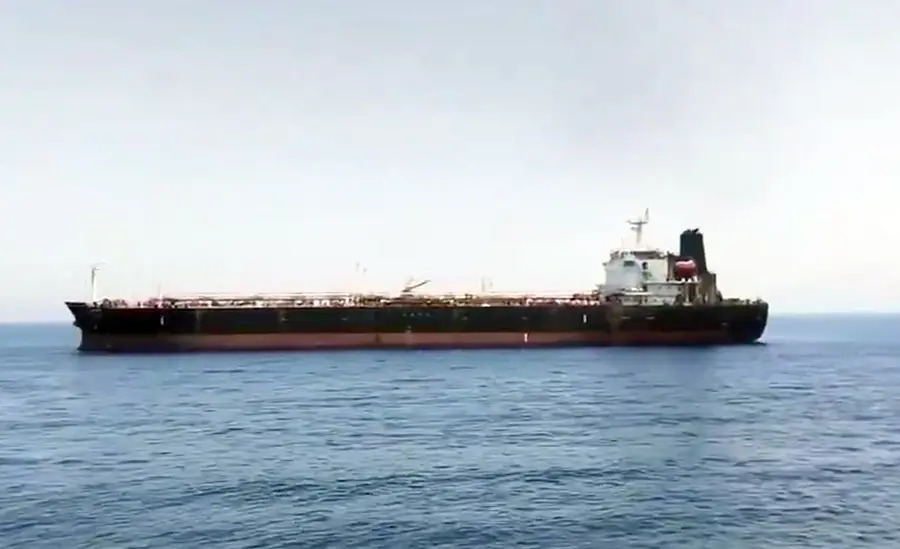
Even if a deal is reached now, reopening the Strait of Hormuz won't normalise markets immediately. Iran has successfully used the strategic waterway as leverage. Tankers are trapped. Inventories are swelling. Infrastructure is damaged due to Operation Epic Fury, the US blockade of the strait, and Iran's counterstrikes. A full recovery will happen pretty close to the November 3 elections.
Consultancy firm Wood Mackenzie estimated that even if the war is resolved, Brent crude would only fall to $80 by year-end.
Trump is the one pushing for a deal, while Iran is softpeddaling
Trump has asked Iran to reach a deal at least eight times through Truth Social rants or public remarks. He gave several deadlines to Tehran, while often saying the deal was "close," "largely negotiated," or could happen "this weekend." Nothing happened. He claimed Iran had "no choice" but to agree to the deal. But every time, Iran shrugged off the threats, refusing to budge on issues like its nuclear and missile programmes, and unfreezing of Iranian assets. It has now become predictable that Trump threatens military action and then postpones or cancels it. He explains the threat-pause-cancel cycles as arising from requests by Gulf allies, and even the mediator, Pakistan.
What, or who, are putting pressure on Trump to reach a deal?
Volatility and disruptions in the oil and energy markets are among the main pressures. Shipping and trans-shipment industries are dealing with trapped tankers, supply bottlenecks, and infrastructure damage. From businesses to national governments, the demand is for lower energy costs and market predictability. Supply chain disruptions caused by the Strait of Hormuz blockades are raising costs for food, fertilisers and shipping for the world. Gulf allies of the US - particularly UAE, Qatar, Bahrain and Saudi Arabia- appear to favour stability, lower energy volatility, and the reopening of shipping routes.
Brand Trump is being affected badly
Trump is known for the book ‘Art of the Deal’. But today, his personal brand and reputation as a dealmaker are under threat. Trump risks triggering a wider regional war, given the Iranian attacks on US bases and ally fatigue with prolonged conflict. He risks being associated with another ‘endless’ war, not lasting peace. Iran's ability to make any attack on it costly for the American interests in the Gulf region and global economy is a constraint on Trump from further escalating the issue.
What leverage does Trump have over Iran?
The top one is the US sanctions and economic pain for Iran through the "maximum pressure" framework. Trump appears to be using military threats and deadlines as negotiating tools,
raising the question: Is there a method to the madness? His alternating ‘deal talk’ and military threats could be a deliberate bargaining strategy designed to extract stronger concessions from Iran.
Though Iran continues to fight, it is dealing with the effects of leadership decimation, economic deterioration, international isolation, and pressure to accept restrictions on its nuclear programme. Iran's crisis is existential, whereas Trump's is primarily political and economic.
Several actors continue pushing against a rapid deal
The main party opposing a US-Iran deal is Israel and its Prime Minister Benjamin Netanyahu. Iran hawks in Trump's Republican party also object to allowing Tehran to continue uranium enrichment. Trump could be applying more pressure than he is absorbing, through sanctions and military power. Every time he threatens to attack and then holds back, Trump is possibly trying to extract better concessions from Iran, such as nuclear restrictions and performance-based sanctions relief. But he probably knows that it is time to finish off what he started on February 28.