&imwidth=800&imheight=600&format=webp&quality=medium "'Won't go unanswered': Will the Ukrainian attacks on Caspian Sea vessels lead to the convergence of the Iran war and the Russia-Ukraine war?")
The danger of the Iran-US-Israel war and the Russia-Ukraine war converging or overlapping has grown after the reported targeting of Iran-linked vessels in the Caspian Sea this past weekend. On 25 July, Ukrainian forces conducted long-range strikes in the Caspian Sea targeting vessels allegedly used in military cargo shipments involving Iran, and a Russian warship. This was confirmed by Ukrainian President Volodymyr Zelensky. Ukraine's Security Service (SBU) reported drone attacks on the cargo vessels Port Olya 2 and Begey. These vessels are under international sanctions for transporting military cargo between Iran and Russia. Also targeted was a Project 12418 Molniya-class missile boat.
Iran responds with strong words after Caspian Sea attacks
A war of words has ensued. On Monday (Jul 27), Iranian Foreign Ministry spokesperson Esmaeil Baghaei called Ukraine's action "an absolutely illegal and unjustified act, contrary to the Charter of the United Nations". He dubbed it "a dangerous act of adventurism that will certainly not go unanswered by us". "The consequences of Ukraine's action will certainly be unforeseen," he added.

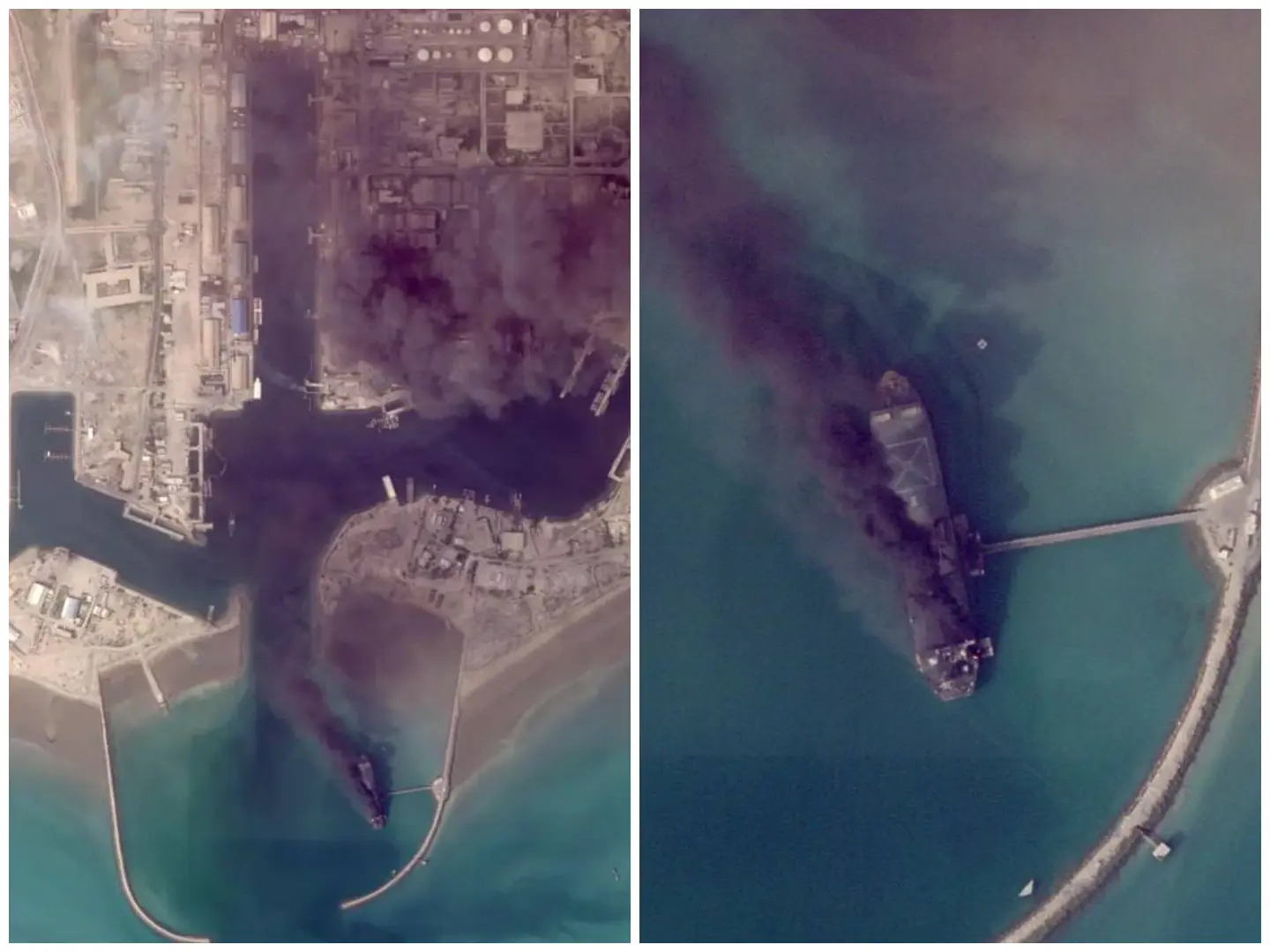
Iran earlier confirmed that an Iranian-flagged commercial vessel sailing from Russia's Astrakhan Port to Iran's Bandar Anzali Port was struck on July 25, causing an explosion on board, killing one sailor and injuring several others.
Russian Foreign Minister Sergey Lavrov identified the vessel as the Iran-owned dry cargo ship Ana, which he said was carrying "civilian cargo".
Trending Stories
)
The Royals enter the Doctor Who universe: King Charles and Queen Camilla beam into Commonwealth Games in TARDIS
)
'Agitation cannot justify lathi-charge': CJI Surya Kant's BIG response to police brutality against protesting students
)
India avoids higher US tariff, secures lower 10% rate. Here's how
)
Hidden in British archives: Scientists decode 200-year-old Indian scroll that helped sailors cross one of the world's toughest seas
)
He predicted COVID-19 and 2008 economic crisis, was labeled fearmonger. Now he has another dire warning
)
'House raided, father picked up': UP man Mohd Junaid alleges crackdown after CJP protest; Police deny claims
)
Trump's latest rant is about a 'massive television outage' that never happened
)
Putin rambles in TV speech after cancelling Navy Day parade fearing an attack by Ukraine
)
RSS backed Jantar Mantar student protest? Mohan Bhagwat's 'question authority' remark resurfaces
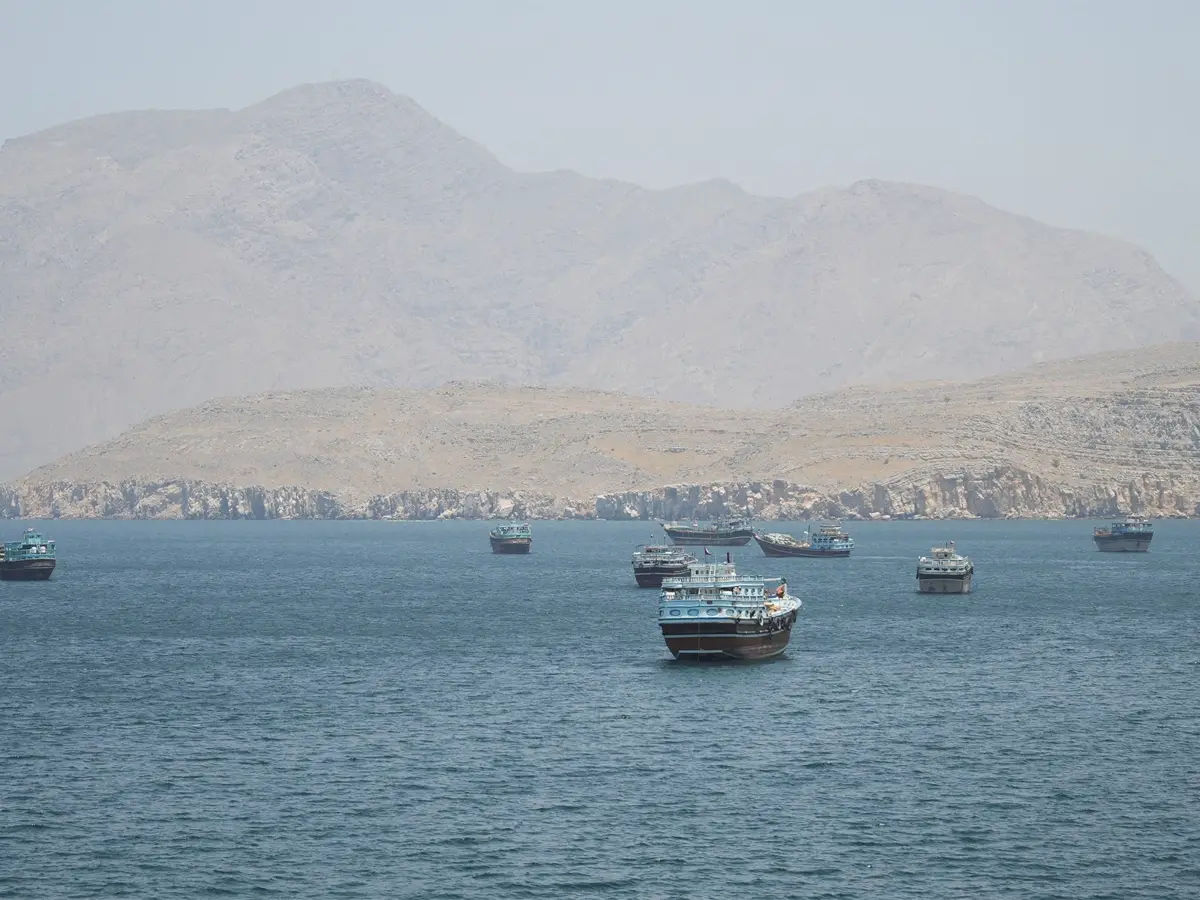)
Oil tanker explodes in the Strait of Hormuz after hitting a naval mine
)
ChatGPT invoked God, told pastor not to worry about his symptoms. Then pulmonary embolism hit
)
NEET Protests riddled with misinformation? Delhi Police blocks 480 Pakistan-based handles spreading 'fake news' since Operation Sindoor
)
Delhi Police issues BIG statement on viral 'don't leave national capital without permission' notice | FACT CHECK
)
'They’re afraid right now...': Netanyahu reacts for first time after Mamdani threatens arrest over ICC warrant
)
Trump says Iranian school bombing photos could be AI-generated - 'I don’t think...'
)
Lock Upp elimination takes dramatic turn as Shivangi Joshi's candid admission grabs attention
)
Google ends Play Services Support, likely to stop these Android phones from downloading apps & games
&im=FitAndFill=(700,400))
New OTT releases this week (July 27-August 2, 2026): The Devil Wears Prada 2, Batman, Demon Slayer- 5 titles coming on Netflix, Prime Video and more
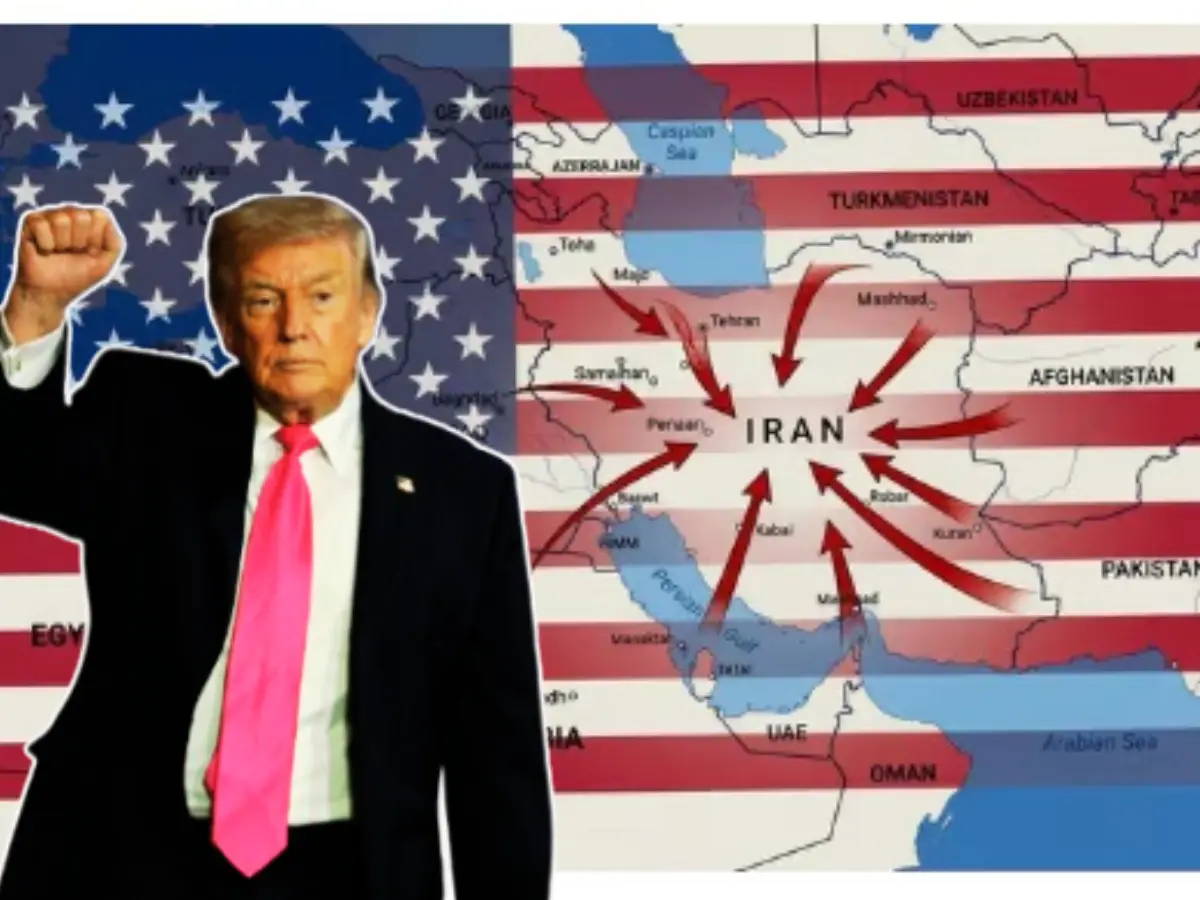)
Will Iran war last months or even years? Here's what new poll shows about what most Americans think
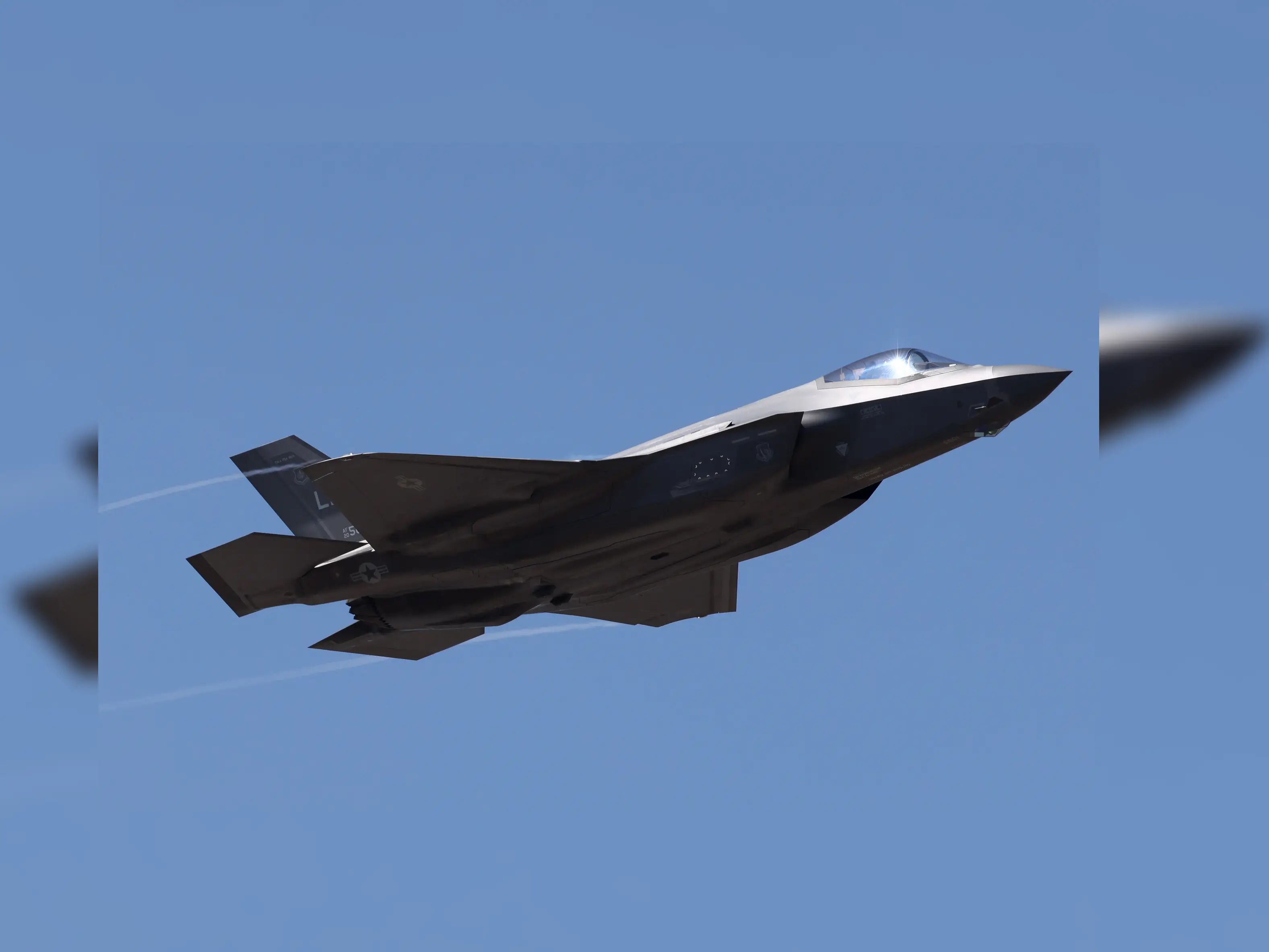)
US says Turkey still barred from F-35 program until it gives up Russian S-400 system: Report
)
Spain: Fresh wildfires break out in Valencia
)
Bihar wants 'backless Saturday’ in govt schools as official notice misspells 'bagless'
)
'Broader struggle for democracy...': Greta Thunberg joins Indian students protest in London - What she said
)
'We didn't stop them...: Union Finance Minister Nirmala Sitharaman's first reaction on student protests
&im=FitAndFill=(700,400))
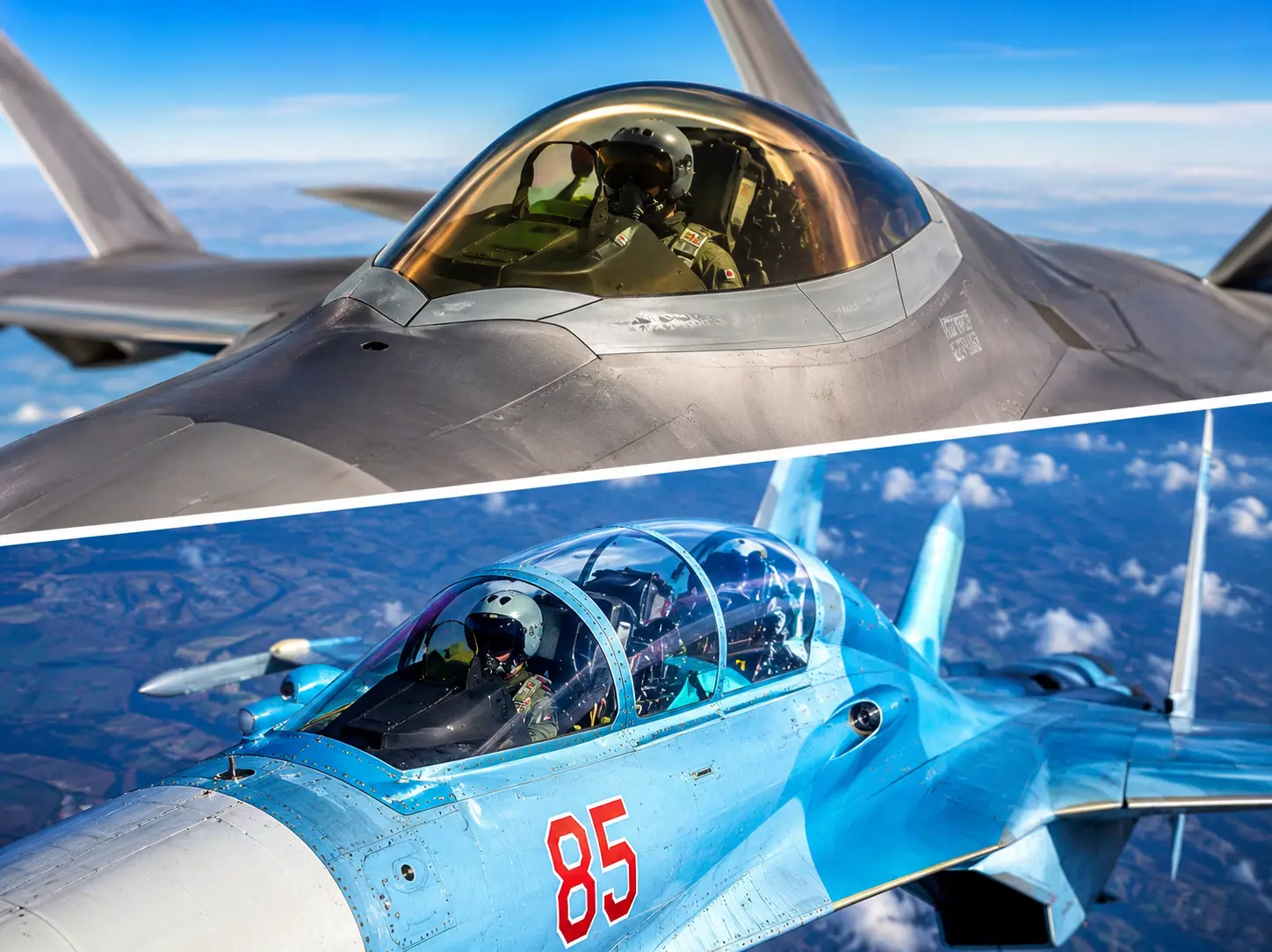
Why US fighter jets use seamless bubble canopies compared to Russian jets
)
What we know about Seattle mass shooting: 3 dead, suspect arrested and one at large
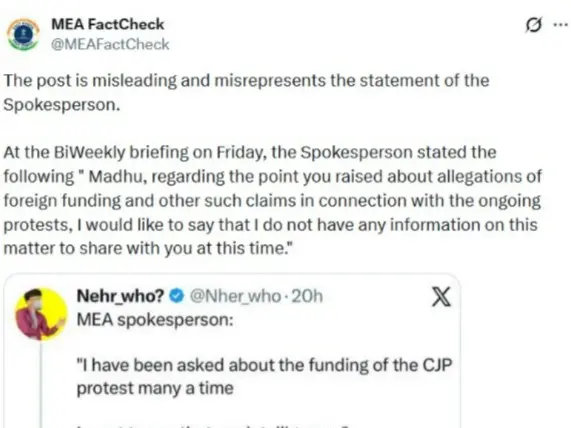)
India's foreign ministry debunks viral claim made during last week's protests
Caspian Sea attack risks convergence of the Iran-US and Russia-Ukraine wars
Soon after the attacks, the Iranian Foreign Ministry said in a statement on July 25: "The Ukrainian regime's aggression against an Iranian commercial vessel in the Caspian Sea—an act explicitly acknowledged by the head of that regime—is a sign of the Ukrainian regime's continued irrational and hostile approach towards the Islamic Republic of Iran."
It described the action as "a violation of Article 2, Paragraph 4 of the UN Charter and an act of aggression", while stressing that Iran has never intervened directly in the Russia-Ukraine conflict.
Iranian Foreign Minister Abbas Araghchi was more direct. On Sunday, he said in a post on X: "Zelensky has attacked an Iranian commercial vessel, killing a sailor. A blatant UN Charter violation done at Israel's behest to drag Europe into its war... What the freeloader in Kyiv did CANNOT GO UNANSWERED."
Araghchi also raised the issue in separate calls with European Union High Representative for Foreign Affairs and Security Policy Kaja Kallas and Russian Foreign Minister Lavrov, according to reports.
Following the Caspian Sea attacks, Iran summoned Ukraine's chargé d'affaires in Tehran to protest what it described as a "hostile and criminal act".
Senior Iranian lawmaker Ebrahim Azizi said Ukraine "may soon come to understand that Iran does not let actions go unanswered", adding that any attack on Iran always "comes with a cost".
Caspian Sea's geographic reality could make it the spot where the two wars converge
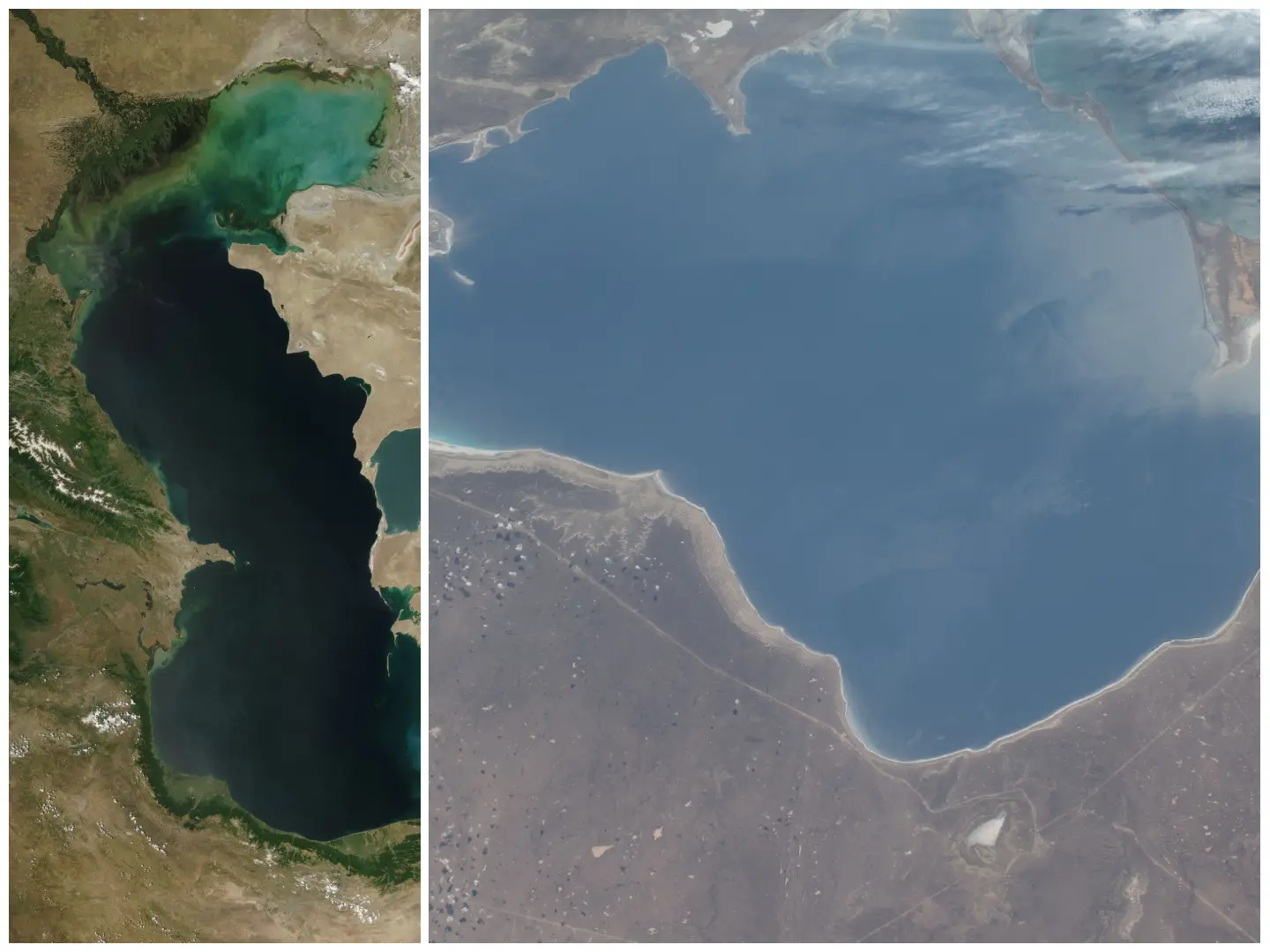
To understand how the Caspian Sea could become a common theatre where the two wars might converge, one needs to understand its geographical location and strategic significance. The Caspian Sea, the world's largest inland body of water covering nearly 371,000 sq km, has coastlines shared by Iran and Russia, as well as Kazakhstan, Turkmenistan and Azerbaijan. Iran has a coastline of nearly 740 km along the southern Caspian Sea. The Iranian port of Bandar Anzali is the country's largest port on the Caspian coast. In March this year, Israel reportedly targeted Iranian naval assets in Bandar Anzali.
The Caspian Sea is directly connected to Iran's northern frontier. The Caspian serves as a vital northern trade and logistics route linking Iran with Russia and Central Asia.
During the Russia-Ukraine war, the Caspian Sea served as a Russia-Iran logistics corridor for military and commercial cargo. From there, Iran supplied Russia with drones and other military components used in the war in Ukraine. There's significant trade in oil, grain and other goods between the two countries along Caspian Sea, bypassing maritime routes affected by sanctions and security risks in the south. This logistics network appears to have been the focus of Ukraine's strikes.
If Iran follows through on its threat of retaliation, the attacks raise the possibility that the Russia-Ukraine war and the broader Iran-Israel-US confrontation could increasingly overlap in the Caspian theatre.
While it is too early to conclude that the two conflicts have merged, the shared geography and logistics of the Caspian Sea mean it could emerge as a common arena where the consequences of both wars intersect.