
&imwidth=800&imheight=600&format=webp&quality=medium "Iran again delays Ali Khamenei's funeral: Why the slain supreme leader remains unburied after 100 days")
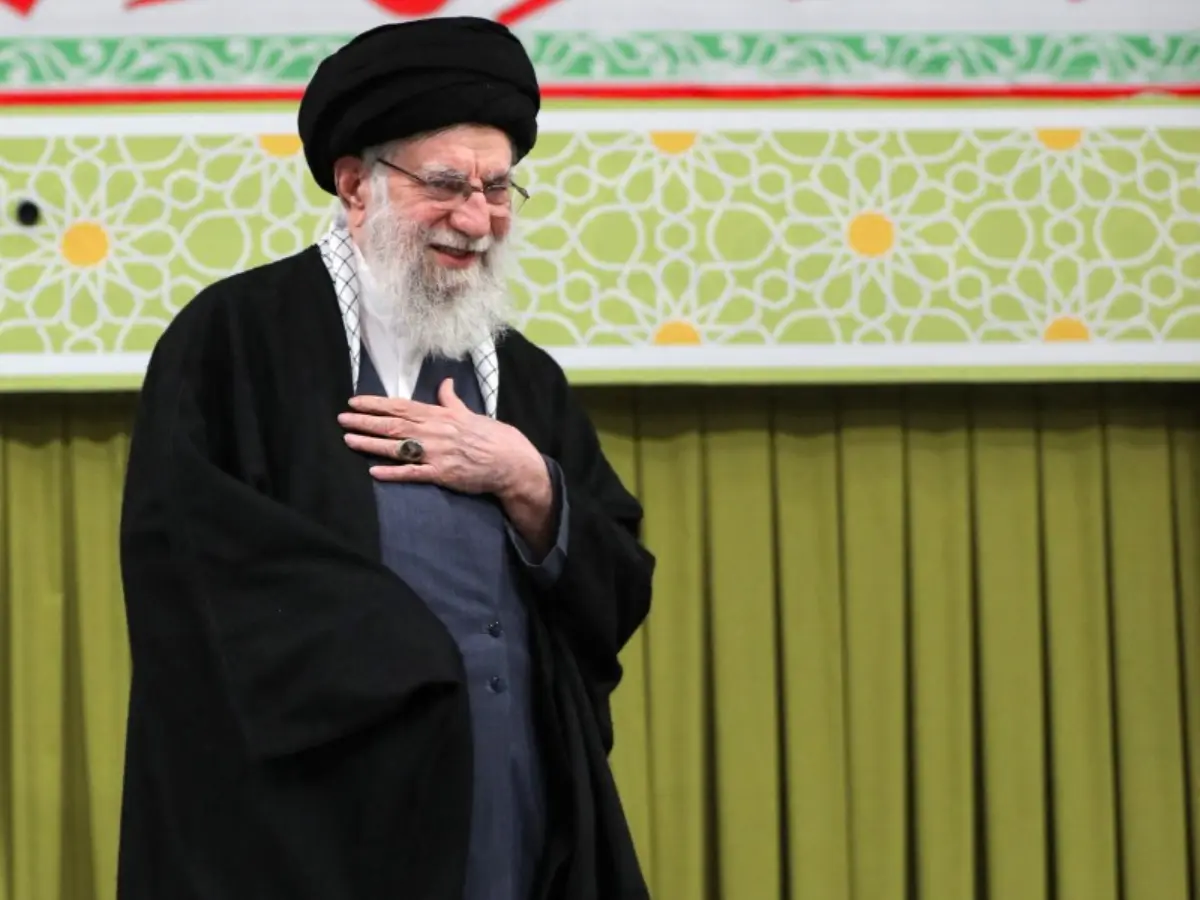
Iran has pushed back the state funeral of late supreme leader Ali Khamenei, with authorities now planning to hold the ceremony in late June or early July, according to Tehran Mayor Alireza Zakani. The announcement marks another delay in funeral arrangements for Khamenei, who was killed in US-Israeli strikes on February 28, the opening day of the Middle East war.
When will Ali Khamenei's funeral be held?
Iranian officials had previously indicated that the funeral would take place in early Muharram, the first month of the Islamic calendar. However, Zakani said the ceremony would instead be held after the first 10 days of Muharram, a period of mourning that commemorates Imam Hussein, one of the most revered figures in Shia Islam. The change is intended to allow religious observances to conclude before the state funeral begins.

Based on the revised timeline, the funeral is expected to take place sometime between June 26 and July 5.
Also read | Fact Check: Did Israeli troops shoot a 7-month-old baby? Shocking new video challenges IDF account
20 million people expected to participate in the funeral
Trending Stories
)
Did India risk its US trade deal despite softer stance at BRICS?
&im=FitAndFill=(700,400))
How 2nm technology improves iPhone performance
)
First naval drone battle? Ukraine says Sargan 3000 sank Russian unmanned boat
)
BRICS Summit 2026: Trump wants to weaken BRICS, but maybe doing the opposite
)
'Huge destructive power': North Korea calls its latest missile launches 'live-fire drill' even as US dismisses 'immediate threat'
&im=FitAndFill=(700,400))
Meet top 5 batters fastest to 3000 runs in T20Is
)
Delhi’s balancing act: BRICS serves as a stage for West Asia diplomacy
&im=FitAndFill=(700,400))
Why European Meteor missiles use ramjet engines compared to standard US solid rockets
)
'He is popular...': Malaysian PM Anwar Ibrahim's praise for PM Modi during bilateral meeting | WATCH
)
Iran, India agree to deepen humanitarian and political ties, President Pezeshkian says
)
‘Want to reset ties with India, have engagement based on mutual interests,’ says Bangladesh minister
)
BRICS Summit 2026: PM Modi, Xi reach key consensus on ties, China to assume BRICS chairmanship in 2027
)
Trump says Canada eager to reach a deal, it could come ‘fairly soon’ if Ottawa treats US farmers better
)
Turkish Airlines plane flies through a storm three times, triggering severe turbulence
)
‘Partners, not rivals’: Xi outlines four point plan for stronger India-China ties
&im=FitAndFill=(700,400))
Why Chinese PL-15 air-to-air missiles use dual-pulse motors compared to European interceptors
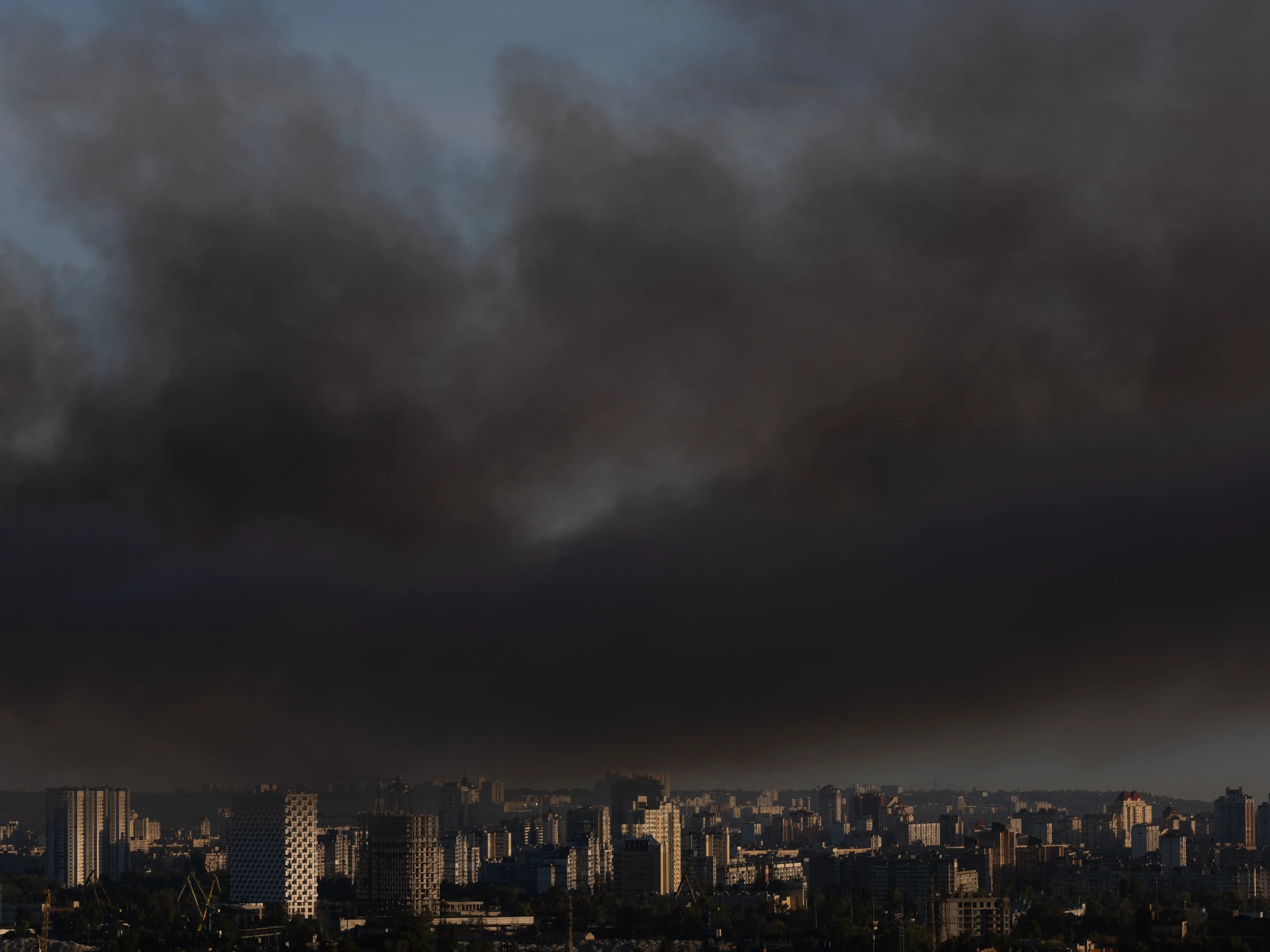)
NATO under Russian threat? Drone strikes just 2 km from Poland, narrow escape for former UK PM, CIA chief
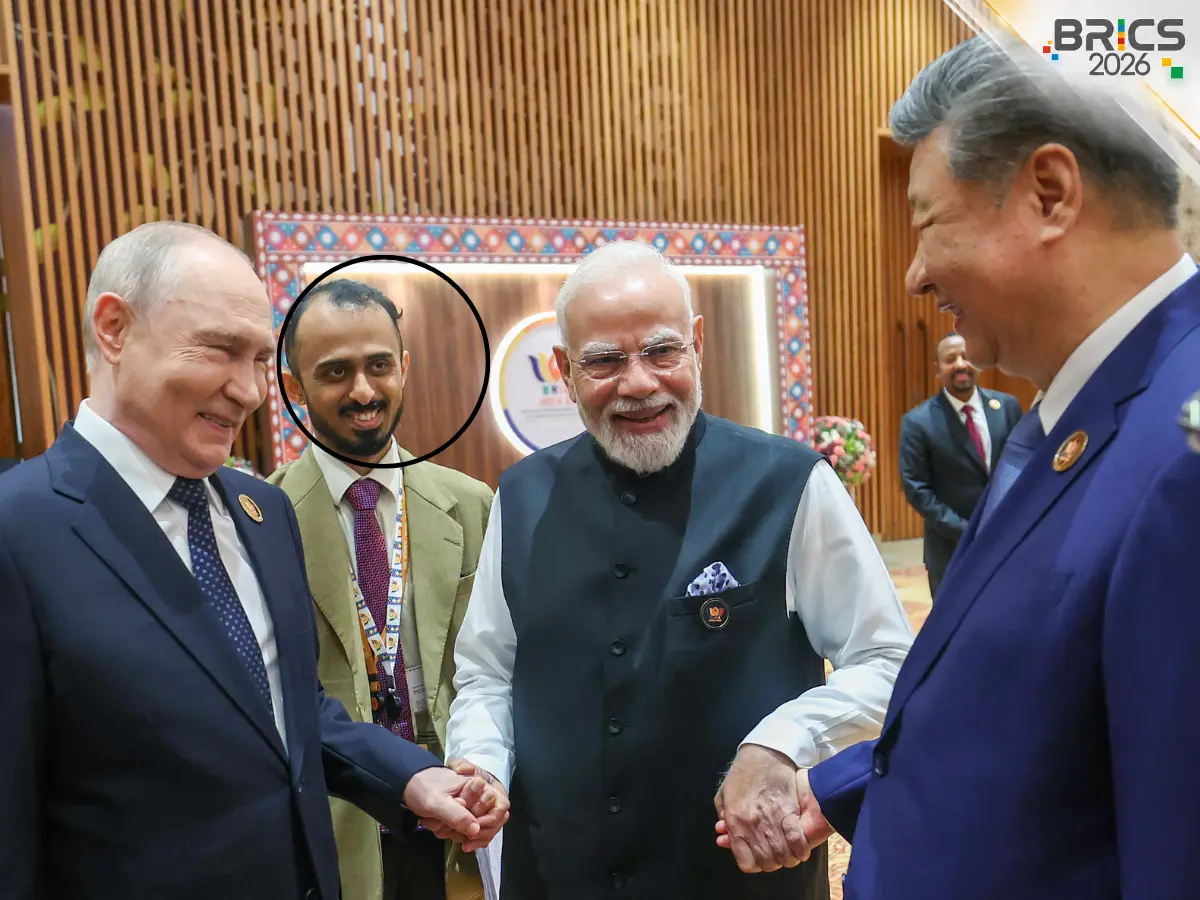)
Who is the smiling man beside Modi, Putin and Xi at BRICS Summit 2026?
)
BRICS Summit: New Delhi declaration adopted with full consensus, big diplomatic win for India
)
800 million years old - Scientists discover 'fingerprints' of supercontinent Gondwana in ancient rocks
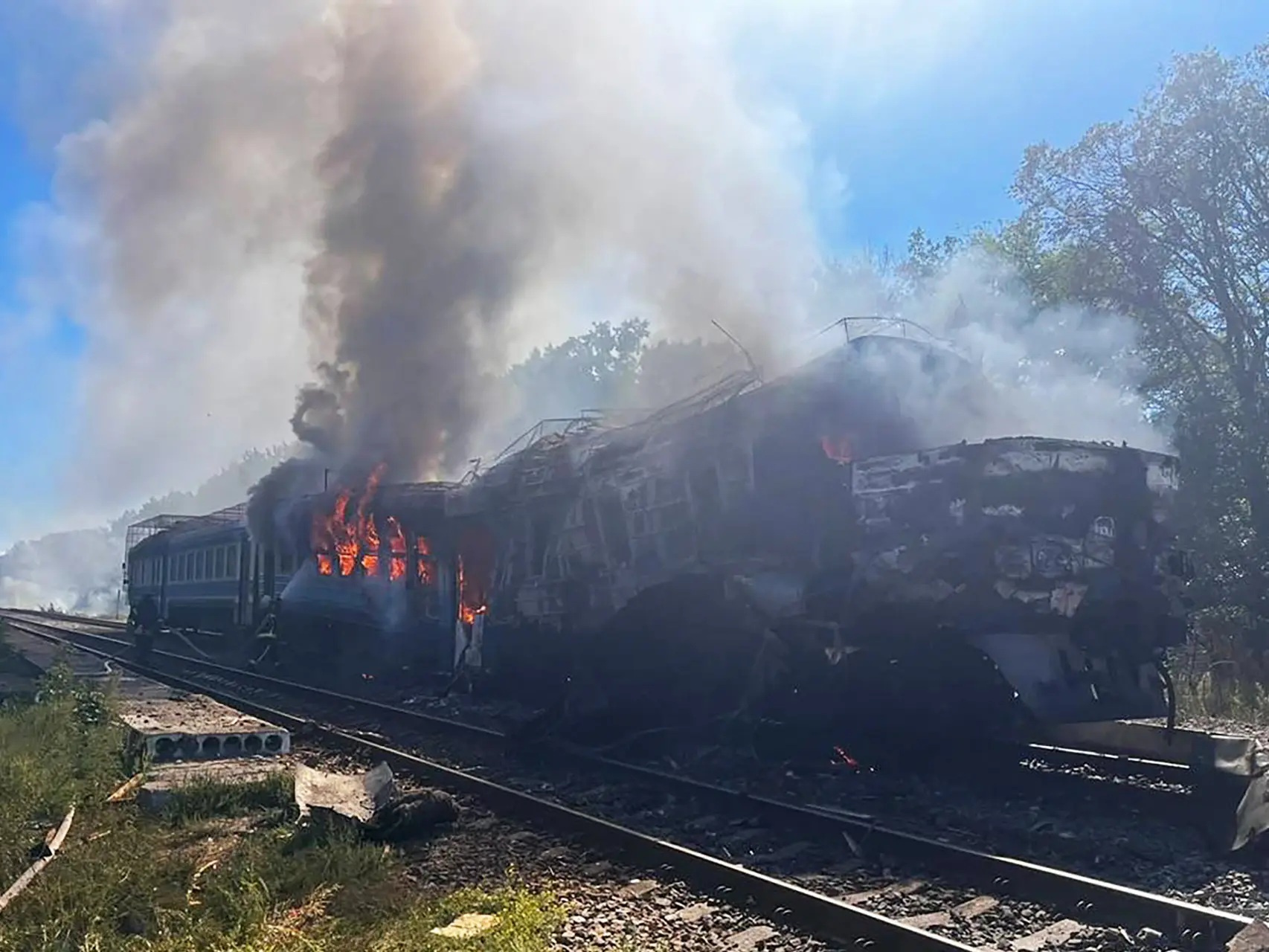)
Russian drone hits Warsaw-bound train near Polish border, Zelensky accuses Moscow of ‘deliberate’ targeting
)
War is making Russia stronger? How Ukraine is shaping Moscow’s next generation of weapons
)
NEET-UG to move to computer-based test soon, NTA DG says ‘CBT is the future’
)
Liam Neeson sparks romance rumours after holding hands with Stella Stocker at TIFF 2026
&im=FitAndFill=(700,400))
New OTT releases this week (September 14-20, 2026): Lust Stories 3, Waiting Hai, Irumudi- 5 new titles coming on Netflix, Prime Video and more
)
9-year-old Chennai prodigy clears Cambridge IGCSE grade 10 exams
)
Indian importers urge Bangladesh to lift export ban on 'Hilsa' fish ahead of Durga Puja
)
Did China give Iran intel before US base strike that killed 3 troops? Trump says, 'You’re right...'
)
Baba Vanga's first prophecy for 2027 is out, and straight out of science fiction
)
US diplomat accused of possessing child abuse images secretly flown out of UK by US Marines
)
Akram, Afridi, Mushtaq tear into PCB after Pakistan’s Test series collapse in UK
&im=FitAndFill=(700,400))
From Rinku Singh to Mayank Yadav, 5 players dropped from India’s squad for Afghanistan T20Is
)
PM Modi and China's Xi offered to help resolve Russia-Ukraine war: Kremlin
)
Humans may lose control of AI: Anthropic CEO calls for slowdown, Altman, Musk back him
Iranian authorities have been preparing for what is expected to be one of the largest public gatherings in the country's history. Officials have previously said as many as 20 million people could participate in funeral events across multiple cities.
Khamenei, who led the Islamic Republic for nearly 37 years, was killed at his residence in central Tehran on February 28. A state funeral had originally been scheduled for March 4 but was postponed as the conflict continued.
Earlier this month, Tehran officials confirmed plans for a three-day public funeral, although no specific dates were announced at the time.
Also read | US plans to deport Iranian migrants to Central African Republic despite persecution, torture concerns
Deputy Tehran Mayor Mohammad Amin Tavakolizadeh said ceremonies would be held not only in the capital but also in the holy cities of Qom and Mashhad. Khamenei is expected to be buried in Mashhad, a city that holds deep religious significance for many Iranian Shia Muslims.
According to Tavakolizadeh, events in Tehran alone are expected to last at least 24 hours. Authorities are preparing for massive crowds, with security and logistical arrangements likely to be among the largest undertaken by the Iranian state in recent years.

