

&imwidth=800&imheight=600&format=webp&quality=medium "Iran says Hormuz traffic will return to pre-war levels within 30 days after deal")
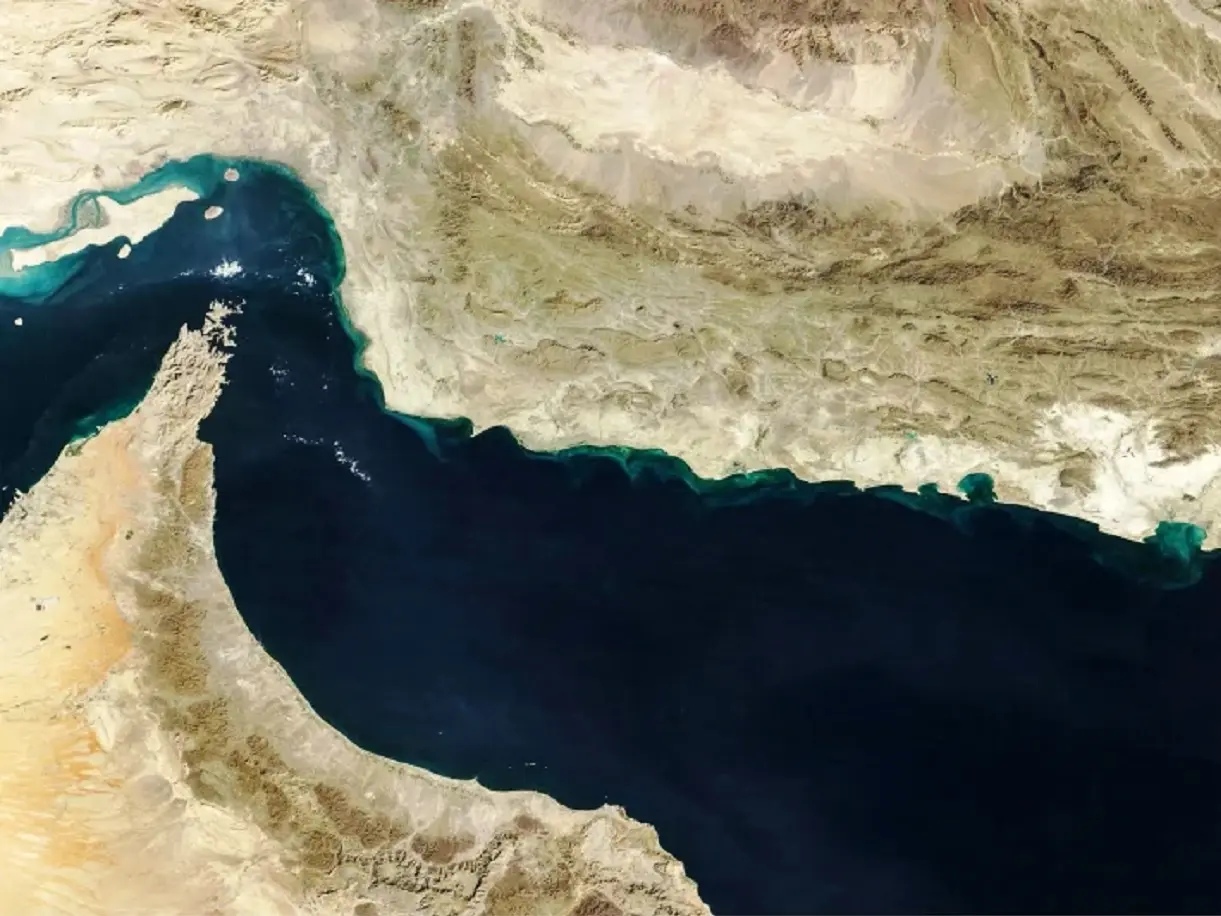
Amid conflicting claims about the terms of a probable agreement for extending ceasefire and deciding the framework for negotiations to achieve a lasting peace, Iran's semi-official Tasnim news agency reported that a draft understanding under discussion between Washington and Tehran proposes that shipping through the Strait of Hormuz would return to pre-war levels within 30 days.
The US has been insisting on free navigation in the vital waterway, like earlier.
The reopening of the Strait of Hormuz would ease one of the biggest global energy disruptions in recent years after energy prices soared, pushing up inflation levels across the globe.
Iran’s semi-official Tasnim news agency reported that the naval blockade around the strait would also be fully lifted during the 30-day period, while part of Iran’s frozen overseas funds would also be released.
The likely breakthrough comes nearly three months after war started between Iran, the US and Israel, leading to severe disruptions in maritime traffic through the Strait of Hormuz.
Also Read: Iran’s president Pezeshkian says Iran ready to assure world it’s not seeking nuclear weapons
Trending Stories
&im=FitAndFill=(700,400)&imwidth=180&imheight=135&format=webp&quality=medium)
Navratri 2026: 9 days, 9 forms of Goddess Durga and 9 colours- Check the complete list
&imwidth=180&imheight=135&format=webp&quality=medium)
Korean peninsula tensions escalate as North Korea launches multiple ballistic missiles, PACOM says 'no threat to US personnel'
&imwidth=180&imheight=135&format=webp&quality=medium)
Trump weighs firing Kimberly Guilfoyle as US ambassador to Greece amid misconduct allegations: Report
&imwidth=180&imheight=135&format=webp&quality=medium)
Anti-SIR protest in Mumbai: Protestors wear black masks & ribbons in Mumbai
&imwidth=180&imheight=135&format=webp&quality=medium)
UK PM Andy Birnham renews claims of Russian meddling in Brexit vote
&imwidth=180&imheight=135&format=webp&quality=medium)
BCCI rejects venue shift reports, India vs Sri Lanka 1st ODI to remain in Delhi
&imwidth=180&imheight=135&format=webp&quality=medium)
1,500 drones illuminate Mumbai sky as Cordelia Cruises unveils second ship, Cordelia Sky
&imwidth=180&imheight=135&format=webp&quality=medium)
India Rejects Pakistan-China Boundary Commission, Tells Islamabad to Drop 'Theatrics' | GRAVITAS
&imwidth=180&imheight=135&format=webp&quality=medium)
Houthis warns US of 'painful response' if Washington joins Saudi war in Yemen as airlines suspend flights to Saudi Arabia
&imwidth=180&imheight=135&format=webp&quality=medium)
Congress demands action against chief election commissioner
&imwidth=180&imheight=135&format=webp&quality=medium)
Apple HomeView smart home hub may launch soon with A18 chip, display and Siri controls: What to expect
&imwidth=180&imheight=135&format=webp&quality=medium)
'Turn approver, resign, we'll forgive you': Rahul Gandhi claims receiving messages from CEC Gyanesh Kumar
&imwidth=180&imheight=135&format=webp&quality=medium)
'I will not be silenced': Ilhan Omar alleges political intimidation after federal officers search her Washington home
&imwidth=180&imheight=135&format=webp&quality=medium)
Use AI as your ‘second brain’: Meta AI chief Alexandr Wang’s message to young people
&imwidth=180&imheight=135&format=webp&quality=medium)
Robotic surgery, advanced treatment: What is coming to this small Gujarat town?
&imwidth=180&imheight=135&format=webp&quality=medium)
US federal agents raid Dem Rep Ilhan Omar’s home ahead of midterms
&imwidth=180&imheight=135&format=webp&quality=medium)
Pakistan's government blames PTI for rise of terrorism in Khyber Pakhtunkhwa
&imwidth=180&imheight=135&format=webp&quality=medium)
‘This is just the start’: Maaya Rajeshwaran on historic ITF title, confidence boost and future goals
&im=FitAndFill=(700,400)&imwidth=180&imheight=135&format=webp&quality=medium)
How does a robot decide what to do next?
&imwidth=180&imheight=135&format=webp&quality=medium)
ICC penalises West Indies duo Powell, Rutherford for Code of Conduct breach
&imwidth=180&imheight=135&format=webp&quality=medium)
Trump says he 'may' meet North Korean leader Kim Jong Un during upcoming Asia trip
&imwidth=180&imheight=135&format=webp&quality=medium)
'Ouch!!! That must hurt': Kangana Ranaut hails Kamal Haasan's sharp reply to Elon Musk over Starlink row
&imwidth=180&imheight=135&format=webp&quality=medium)
Sidhu Moose Wala’s younger brother wins hearts by recreating late singer’s signature move at Toronto Hologram Show
&imwidth=180&imheight=135&format=webp&quality=medium)
UK school ditches technology, shifts from screen to pen and paper for learning
&imwidth=180&imheight=135&format=webp&quality=medium)
Opposition’s 10 demands in Supreme Court petition range from stay on SIR to audit of voter rolls
&imwidth=180&imheight=135&format=webp&quality=medium)
'I am thoroughly unamused': Judge slams Trump administration after 400 trees cut at Washington golf course
&imwidth=180&imheight=135&format=webp&quality=medium)
Portugal Federation confirms Cristiano Ronaldo’s return to national team despite suspension
&im=FitAndFill=(700,400)&imwidth=180&imheight=135&format=webp&quality=medium)
New OTT releases this week (October 12-18, 2026): Sacrifice, Koffee with Karan S9, Roadies Rebirth- 6 titles coming on Netflix, JioHotstar and more
&imwidth=180&imheight=135&format=webp&quality=medium)
Rishabh Pant ruled out of India A squad for New Zealand tour, Kumar Kushagra named replacement
&imwidth=180&imheight=135&format=webp&quality=medium)
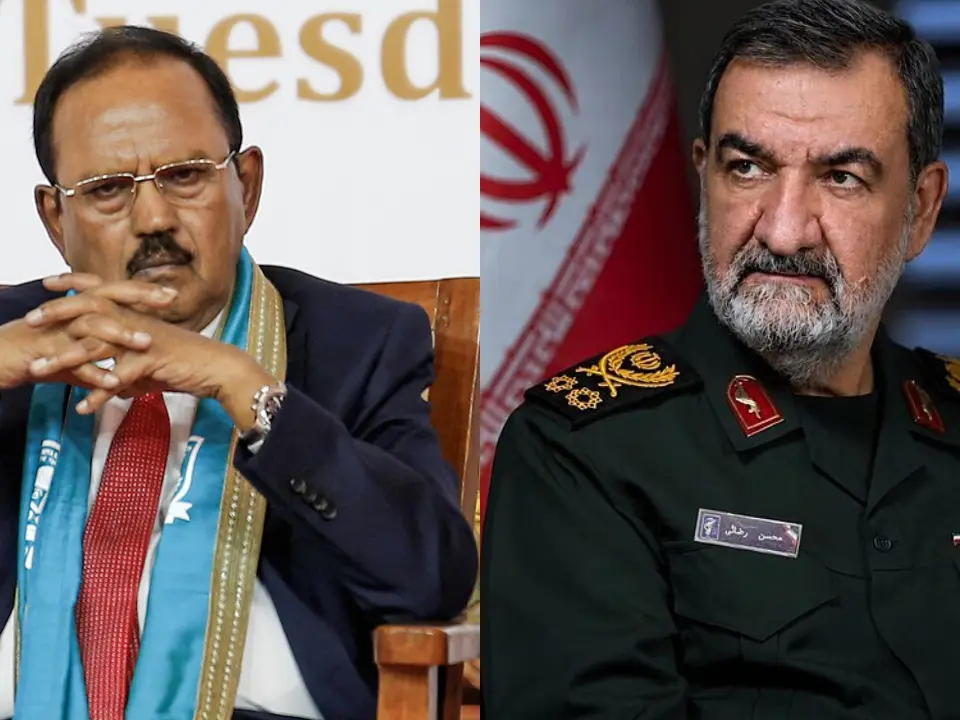
India's Ajit Doval, Iran's Mohsen Rezaei hold talks amid escalating West Asia tensions, discuss 'issues of mutual interest'
&imwidth=180&imheight=135&format=webp&quality=medium)
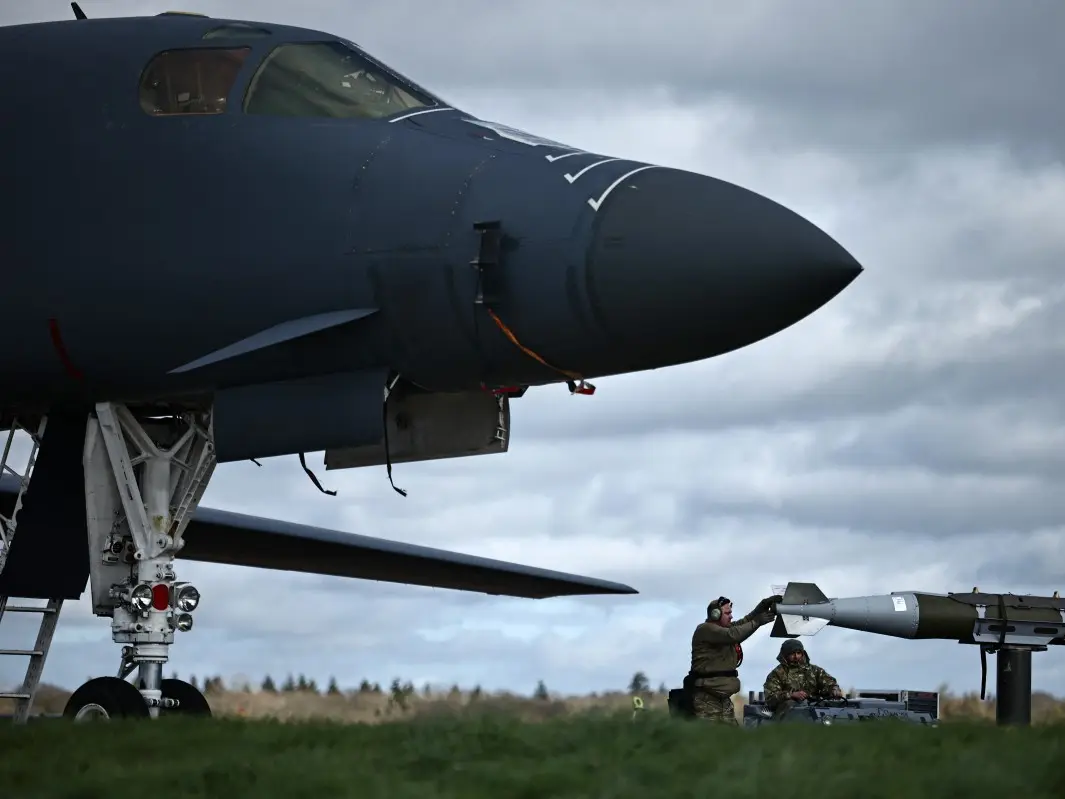
'Almost certainly': UK Prime Minister Andy Burnham says Iran's IRGC behind RAF Fairford threat
&imwidth=180&imheight=135&format=webp&quality=medium)
Elon Musk pumps $276 million into Republican campaigns ahead of US midterm elections
Around 125 to 140 ships crossed the strait daily before the war. The vessel movement dropped sharply after Iran tightened control over the waterway and, subsequently, the US imposed a naval blockade on shipping linked to Iranian ports.
Managing the Strait of Hormuz is Tehran’s ‘legal right’: Adviser
Mohsen Rezaei, the military adviser to Iran’s Supreme Leader, Mojtaba Khamenei, has said that managing the strategically vital Strait of Hormuz is Tehran’s “legal right,” and such control would help secure the country’s national interests and end decades of instability in the Gulf.
The adviser said Iran’s management of the Strait of Hormuz would “ensure national security” and mark “the end of 50 years of insecurity in the Gulf.”
‘Significant progress made,’ says Rubio
US Secretary of State Marco Rubio, who is on a visit to India, has said that negotiations may be nearing a turning point. Addressing a press conference with Indian External Affairs Minister S. Jaishankar, Rubio said there had been notable movement in the talks, though he stressed that no final agreement had yet been reached.
In a post on Truth Social, President Donald Trump also said that Washington and Tehran had “largely negotiated” the framework of a peace arrangement that could reopen the Strait of Hormuz.
“Final aspects and details of the Deal are currently being discussed, and will be announced shortly,” Trump wrote.
Difficult issues remain unresolved: Iran
However, Iran has indicated that difficult issues remain unresolved. Tasnim reported that Tehran has not yet accepted any commitments related to curbing its nuclear activities. The report added that the draft agreement creates a 60-day period for future talks on nuclear matters, separate from the 30-day timeline related to maritime navigation in Hormuz.
Meanwhile, Iranian President Masoud Pezeshkian tried to reassure the international community that Iran is not seeking nuclear weapons. Pezeshkian also warned that Tehran’s negotiating team would not compromise on core national interests.
Brent crude prices have surged more than 40 per cent since the conflict erupted earlier this year, raising fuel and food costs across many countries.

