

&imwidth=800&imheight=600&format=webp&quality=medium "Iran’s exiled Crown Prince Reza Pahlavi splashed with red liquid after Berlin press conference")
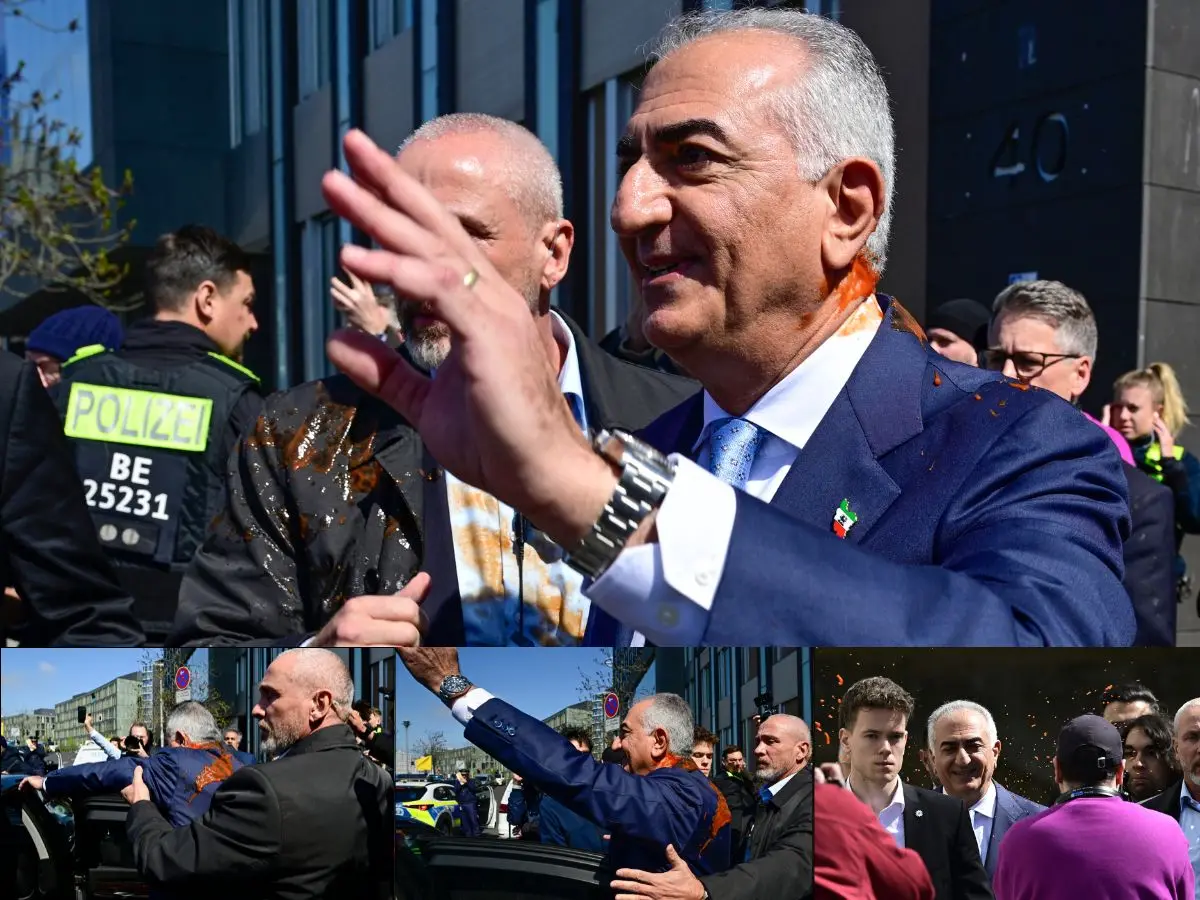
Iran’s exiled Crown Prince Reza Pahlavi was splashed with red liquid on Thursday as he exited a building following a news conference in Berlin. The incident occurred outside the press conference venue shortly after he had addressed journalists. Pahlavi waved to supporters despite the disruption before entering a waiting vehicle that departed the scene. Police detained the alleged perpetrator immediately. The motive behind the act was not officially confirmed, though the event unfolded amid both support and opposition to Pahlavi’s presence in Germany.
Criticism of ceasefire and negotiations
During the briefing, Pahlavi sharply criticised ongoing diplomatic approaches towards Iran. Referring to ceasefire efforts and negotiations, he said they were based on flawed assumptions. “The whole narrative of ceasefire and negotiation is still based on thinking that … you’re going to deal with people who all of a sudden have become pragmatists,” he said, adding, “I don’t see that happening.”
He described engagement with Iran’s current leadership as ineffective, calling it 'appeasement'. Pahlavi further argued that “no deal will solve this. No negotiations will solve this,” asserting that such expectations misread the nature of the regime.
He was later confronted by an Iranian demonstrator following the conference, who threw red liquid at him as he exited the building after the press briefing.
Political positioning and wider message
Pahlavi, 65, is the son of Mohammad Reza Shah Pahlavi, who was overthrown during the 1979 Islamic Revolution. Living in exile since then, he has repeatedly positioned himself as a potential figure in any political transition if the Shiite theocracy fall in Iran and has supported the US-Israeli military intervention in the Middle East. During his Berlin visit, which followed trips to Sweden and Italy, he called on European governments to take firmer measures, including expelling Iranian ambassadors and supporting access to uncensored internet within Iran.
In the conference the exiled Prince also expressed hope for internal change, stating that “the strategy is ultimately for people to be able to reclaim the streets.” While he pointed to support among younger Iranians, saying “today’s Gen Z in Iran are my biggest supporters,” his leadership claims remain contested among diaspora groups and have not received formal backing from international governments.
ALSO READ: '50% of stockpile depleted': What are US THAAD missiles, what makes them so rare and critical?
Trending Stories
&imwidth=180&imheight=135&format=webp&quality=medium)
'Hire the robot, fire the human': Bill Gates's words hint at a bleak future
&imwidth=180&imheight=135&format=webp&quality=medium)
'Hell of a beautiful a**': Trump compliments Nicki Minaj as rapper joins him in Michigan rally
&imwidth=180&imheight=135&format=webp&quality=medium)
Clayface tops North American box office, Elizabeth Holmes documentary follows close behind
&imwidth=180&imheight=135&format=webp&quality=medium)
Harry Kane favourite to win 2026 Ballon d’Or ahead of Lamine Yamal and Kylian Mbappé
&imwidth=180&imheight=135&format=webp&quality=medium)
WATCH | Virat Kohli returns to training ahead of New Zealand ODI series
&imwidth=180&imheight=135&format=webp&quality=medium)
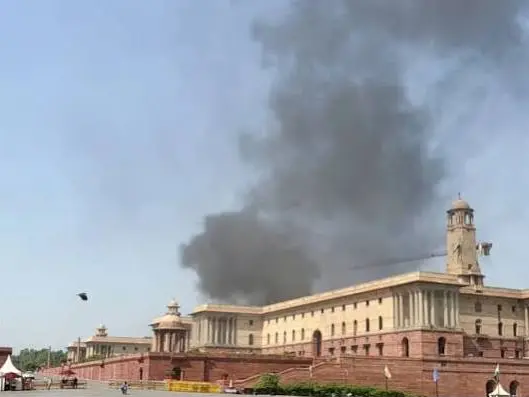
Fire breaks out at Delhi’s North Block, thick black smoke seen | VIDEO
&imwidth=180&imheight=135&format=webp&quality=medium)
Nagpur man fails to pay rent, allegedly prints fake Rs 500 notes worth Rs 37 lakh
&imwidth=180&imheight=135&format=webp&quality=medium)
IND vs NZ: Tilak Varma sets world record with most T20I catches in a year
&im=FitAndFill=(700,400)&imwidth=180&imheight=135&format=webp&quality=medium)
Why does this fighter jet have a golden window that looks like alien technology?
&imwidth=180&imheight=135&format=webp&quality=medium)
'I've done my work sincerely': AR Rahman on facing backlash over Ramayana soundtrack
&imwidth=180&imheight=135&format=webp&quality=medium)
Serbia’s student-led movement defeats Vucic’s party after 14 years in power: Why it matters
&imwidth=180&imheight=135&format=webp&quality=medium)
'He is a red flag': Ex-India strength and conditioning coach on Rohit's fitness regime
&im=FitAndFill=(700,400)&imwidth=180&imheight=135&format=webp&quality=medium)
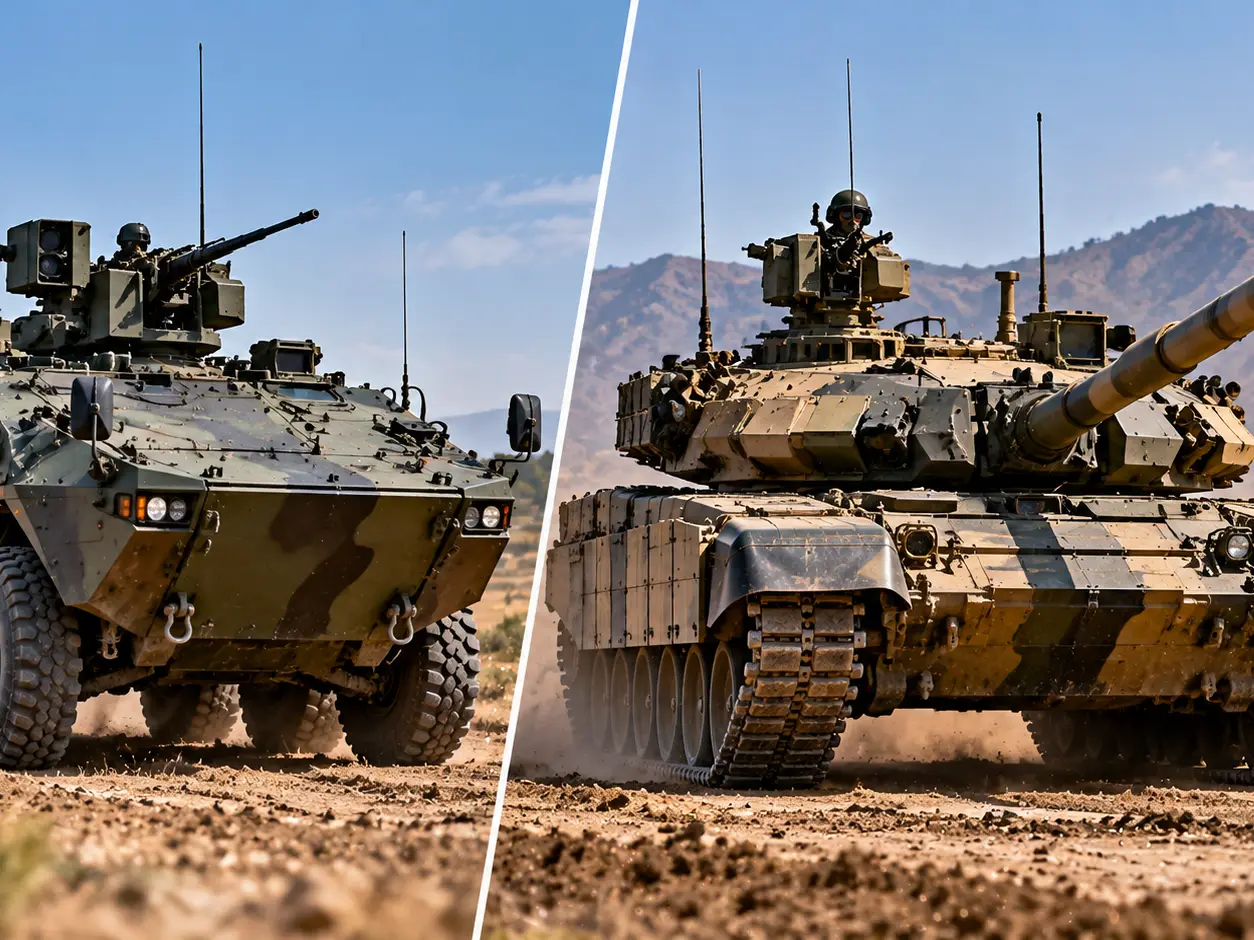
Armoured vehicles vs main battle tanks: What is the real difference?
&imwidth=180&imheight=135&format=webp&quality=medium)
Brazil re-elects factory worker Lula for fourth term; Indian PM Modi congratulates 'dear friend'
&imwidth=180&imheight=135&format=webp&quality=medium)
Netanyahu warns Israelis of ‘existential threat’ from Iran, posts AI image of nuclear strike
&imwidth=180&imheight=135&format=webp&quality=medium)
Telangana unveils AI avatar of IT minister D Sridhar Babu at Hyderabad DevFest 2026
&imwidth=180&imheight=135&format=webp&quality=medium)
FIR filed against opposition MPs for ‘trespassing’ amid Jamia Millia students’ protest
&imwidth=180&imheight=135&format=webp&quality=medium)
‘That is a miss’: Ravi Ashwin questions Sooryavanshi’s demotion to No. 3 in 2nd T20I vs NZ
&im=FitAndFill=(700,400)&imwidth=180&imheight=135&format=webp&quality=medium)
Why do some fighter jets have two engines while others use one?
&imwidth=180&imheight=135&format=webp&quality=medium)
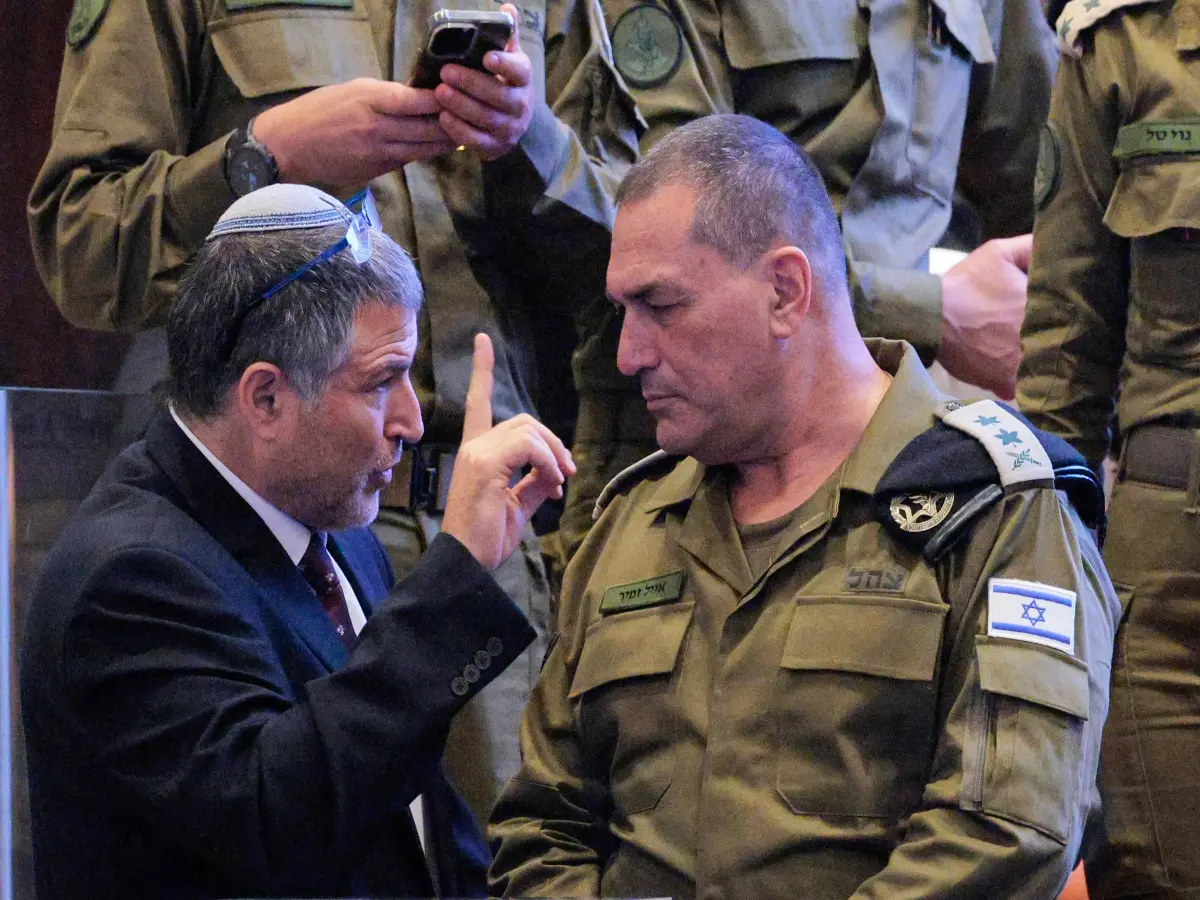
Who is Eyal Zamir, Israeli army chief, who reportedly clashed with Netanyahu over Iran?
&imwidth=180&imheight=135&format=webp&quality=medium)
'Already tired of his 9-to-5': Baby born with a moustache becomes internet sensation, video goes viral | Watch
&imwidth=180&imheight=135&format=webp&quality=medium)
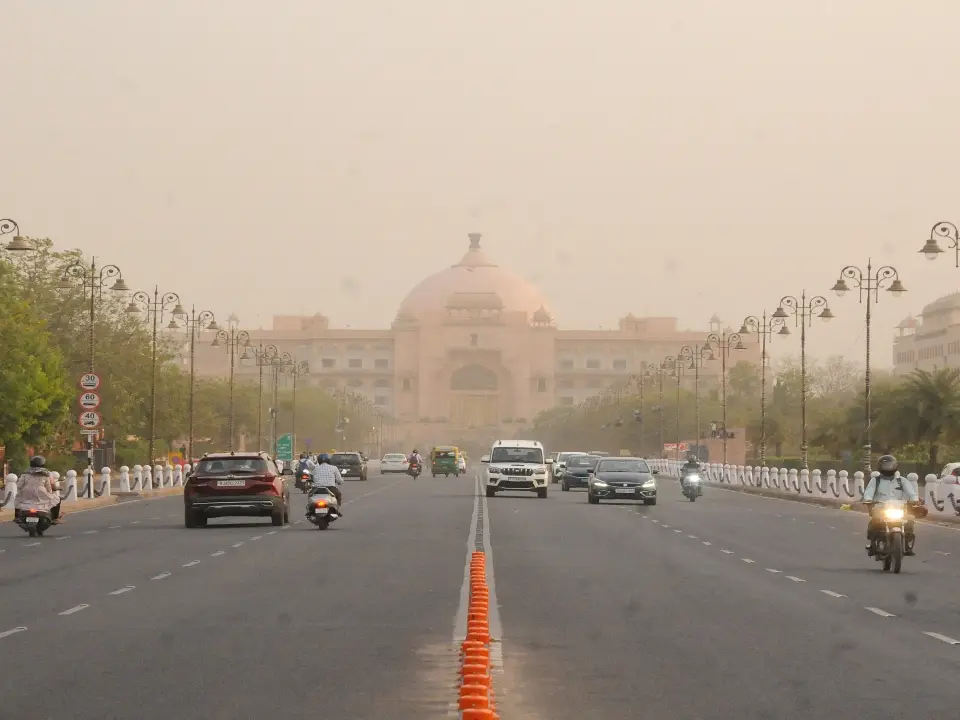
Delhi's new entry rules for vehicles begin November 1. Here's all you need to know about the ban
&imwidth=180&imheight=135&format=webp&quality=medium)
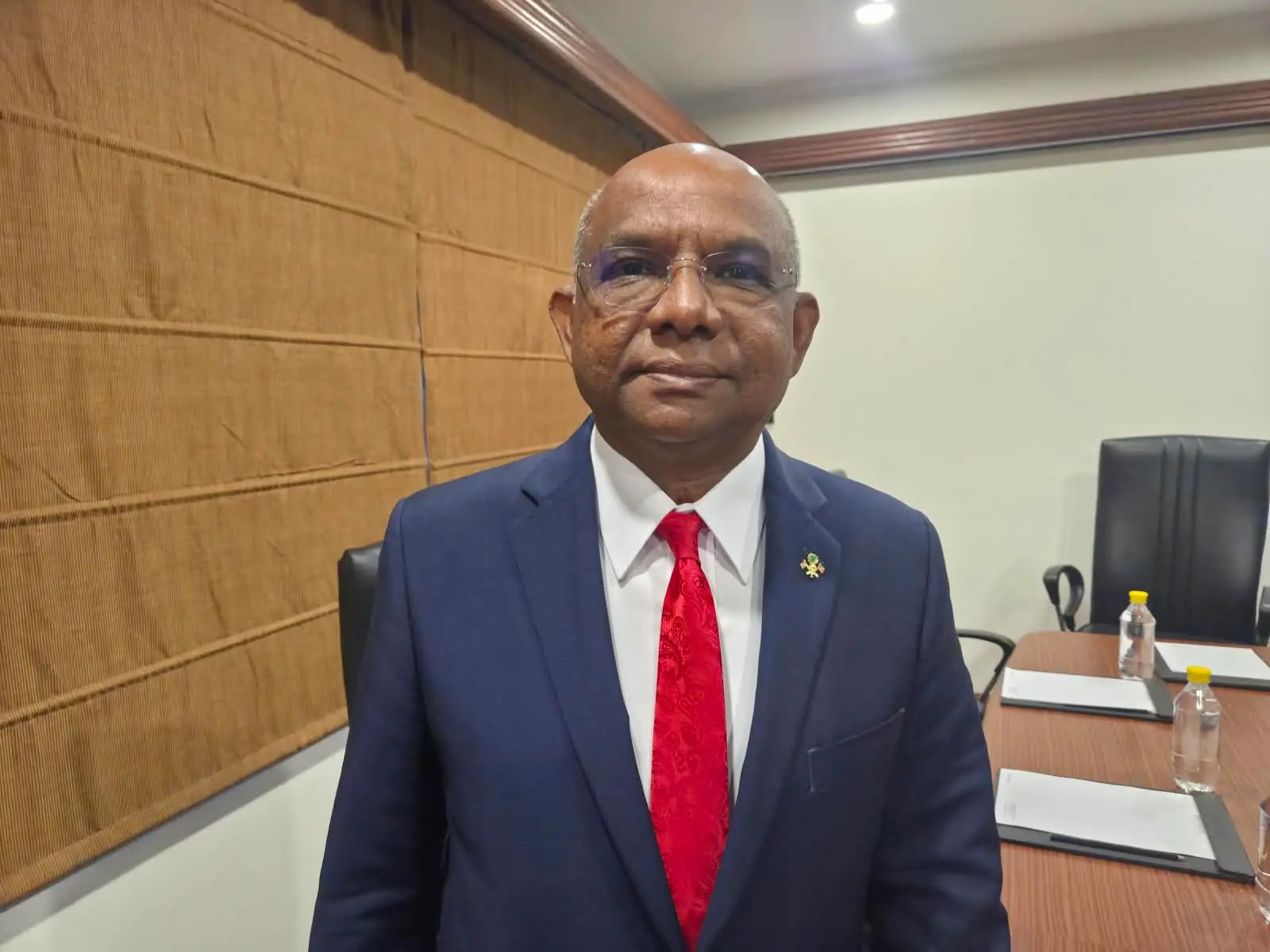
Maldives opposition leader demands transparency on Muizzu Govt's Pakistan defence, security deals
&im=FitAndFill=(700,400)&imwidth=180&imheight=135&format=webp&quality=medium)
New OTT releases this week (October 26-November 1, 2026): Baththa, Akka, The One About Matthew Perry- 7 titles coming on Netflix, Prime Video and more
&imwidth=180&imheight=135&format=webp&quality=medium)
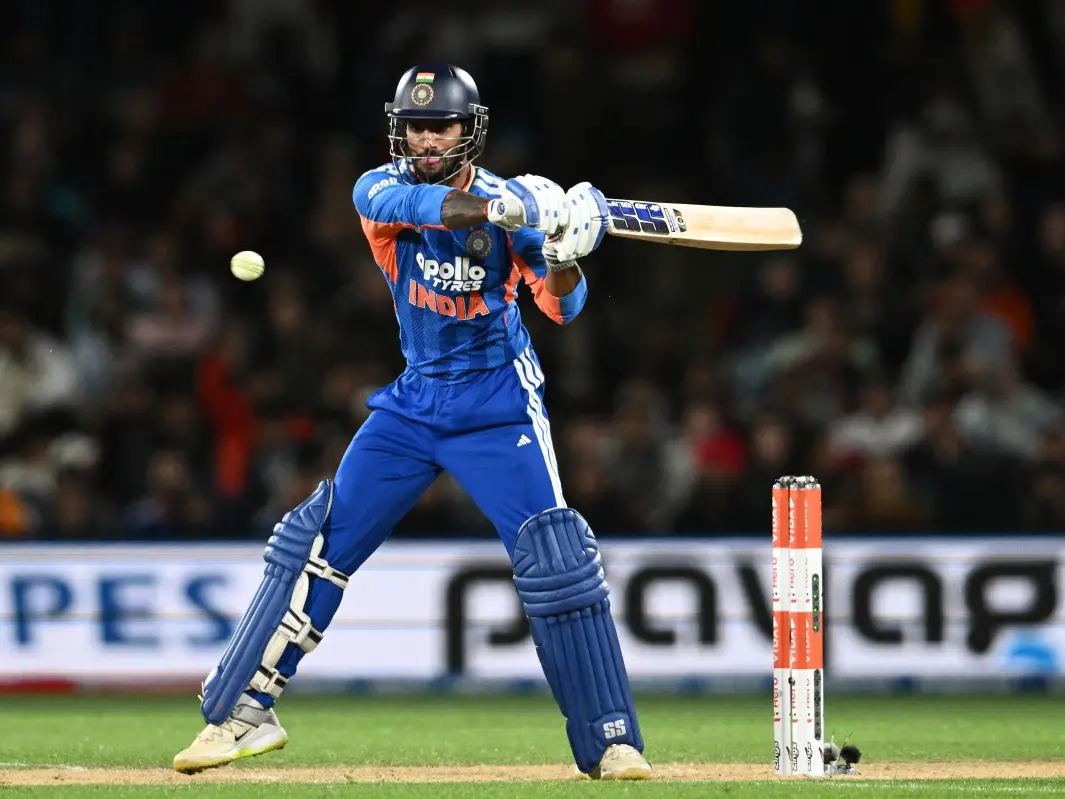
'I promised Gautam & Kotak Sir that...': Tilak Varma opens up on match-winning mindset against NZ
&imwidth=180&imheight=135&format=webp&quality=medium)
Donald Trump targets Bill Maher in lengthy post after White House dinner, says ‘Don’t call anymore’
&imwidth=180&imheight=135&format=webp&quality=medium)
Daler Mehndi controversy: Mika Singh’s team confirms Subodh Uniyal’s apology
&imwidth=180&imheight=135&format=webp&quality=medium)
'Clear overkill': Putin rejects claims Russia is behind mass protests in Europe
&imwidth=180&imheight=135&format=webp&quality=medium)
Pakistan airline PIA unveils new crew uniforms, faces online criticism
&imwidth=180&imheight=135&format=webp&quality=medium)
Elon Musk’s Grok releases first AI-generated Odyssey episode, months after promising ‘historically accurate’ full-length film
&imwidth=180&imheight=135&format=webp&quality=medium)
Israel elections 2026: How the country is gearing up for a crucial vote
&imwidth=180&imheight=135&format=webp&quality=medium)
Formula 1: Mercedes' Kimi Antonelli one race and ninth spot finish away from title after US Grand Prix win
&im=FitAndFill=(700,400)&imwidth=180&imheight=135&format=webp&quality=medium)
How do army night-vision systems see in almost complete darkness?
&imwidth=180&imheight=135&format=webp&quality=medium)
Can Putin cheat death? All about his daughter’s billion-dollar quest for immortality
Divided reception and international context
Pahlavi’s visit drew mixed reactions. Supporters gathered in his favour, while critics protested, reflecting divisions within the Iranian diaspora. German Chancellor Friedrich Merz's government did not schedule formal meetings with him, though some lawmakers were expected to engage in discussions.
The episode underscores both the polarised views surrounding Pahlavi and the broader tensions linked to Iran’s political future, as debates over diplomacy, regime change and international engagement continue.

