'50% of stockpile depleted': What are US THAAD missiles, what makes them so rare and critical?

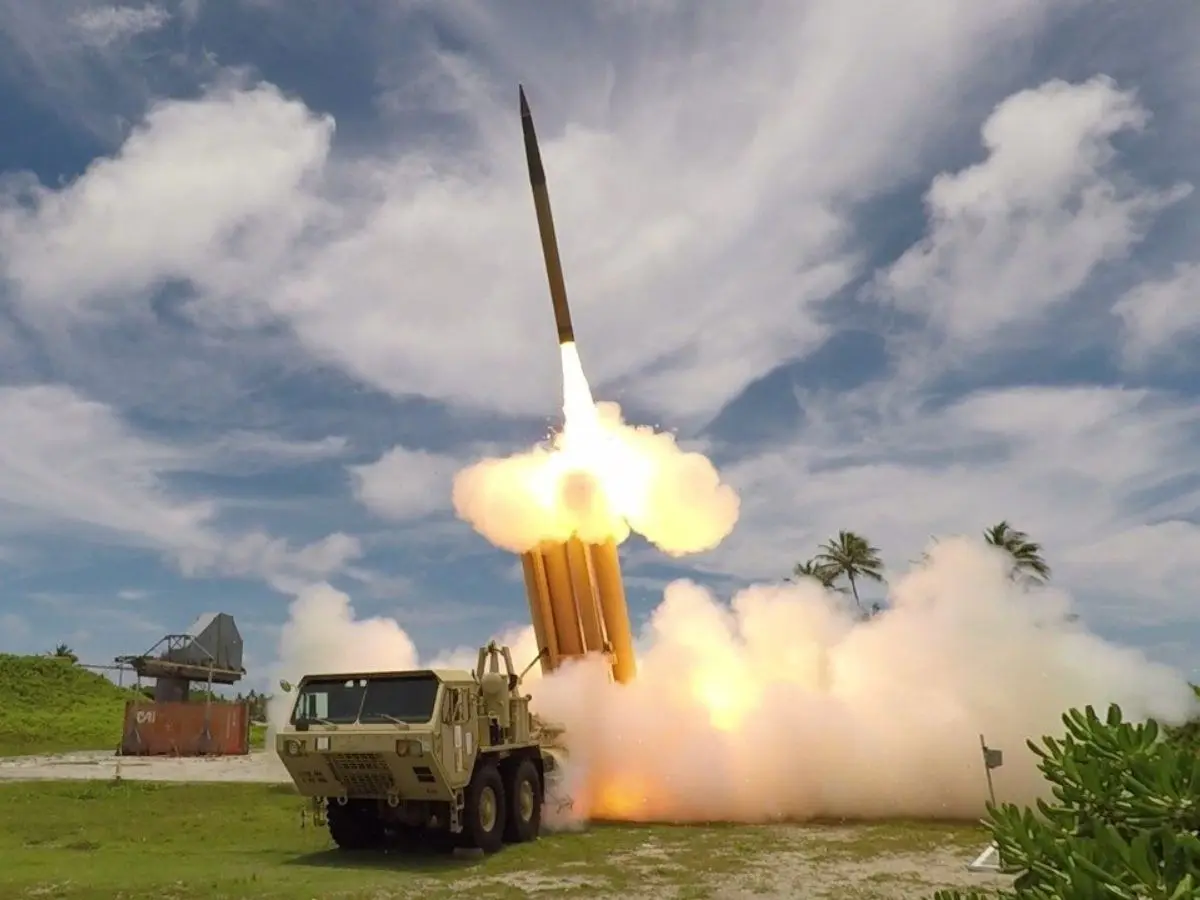
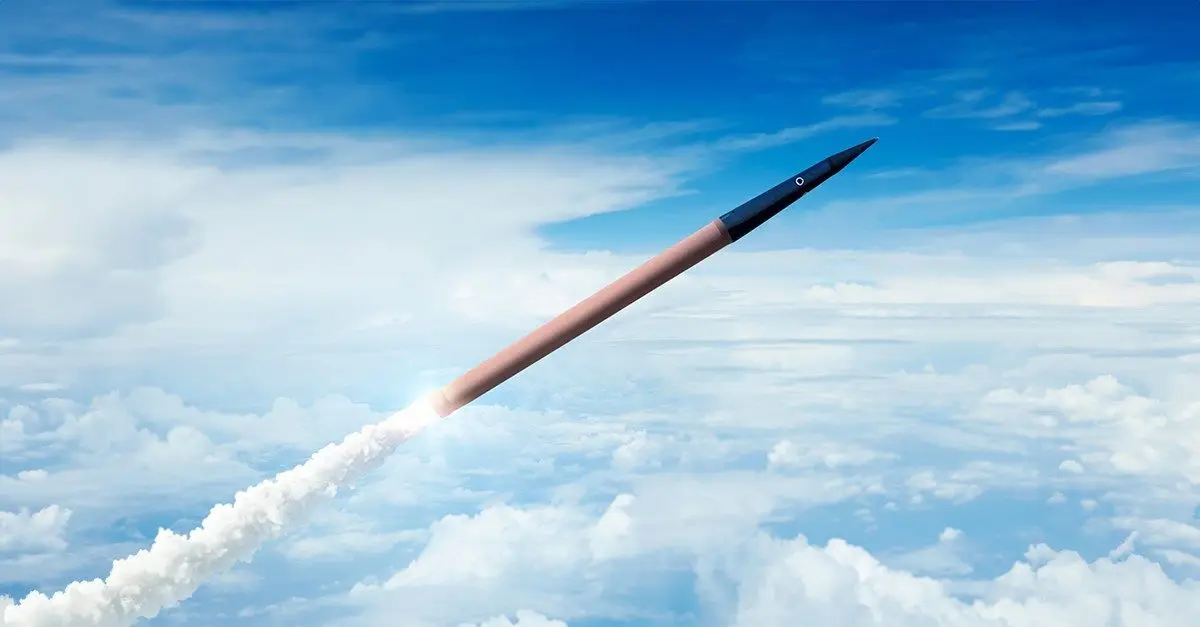
The Terminal High Altitude Area Defense (THAAD) system is designed to intercept ballistic missiles both inside and outside the Earth’s atmosphere, providing a high-altitude layer of missile defence.
Introduction
Recent assessments of the Iran conflict and wider regional operations have drawn attention to the strain on US missile defence stockpiles, particularly the Terminal High Altitude Area Defense (THAAD) system. According to analysis by the Centre for Strategic and International Studies (CSIS), concerns over ammunition levels have intensified as “high expenditures of Tomahawks, Patriots, and other missiles” were recorded during recent operations. While current stocks remain sufficient for ongoing conflict scenarios, analysts warn that long-term resilience is increasingly under pressure.
What is THAAD?
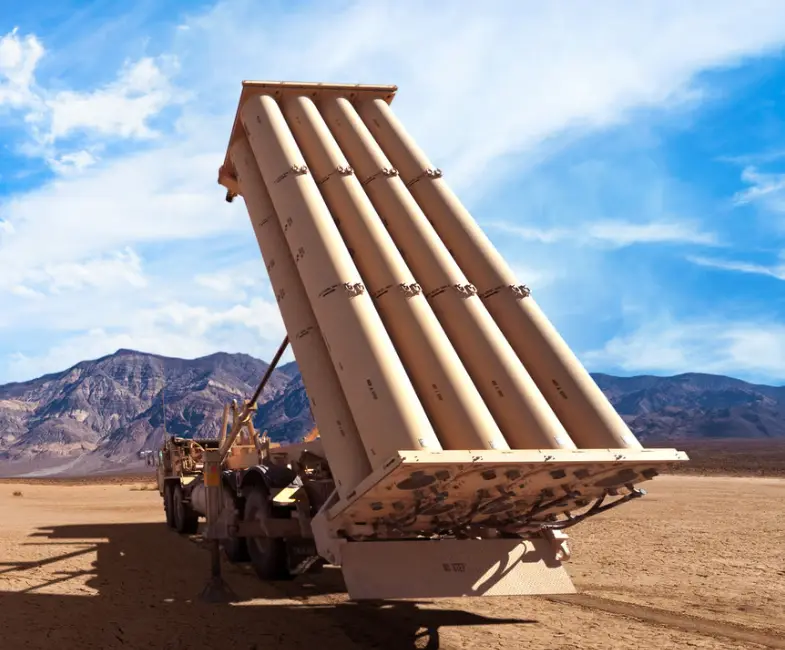
Terminal High Altitude Area Defense (THAAD) is a United States ground-launched missile defence system designed to intercept ballistic missiles at high altitude, with longer engagement ranges and higher intercept altitudes than the Patriot system. It forms a critical layer in integrated air and missile defence architecture.
Key capabilities of the THAAD system
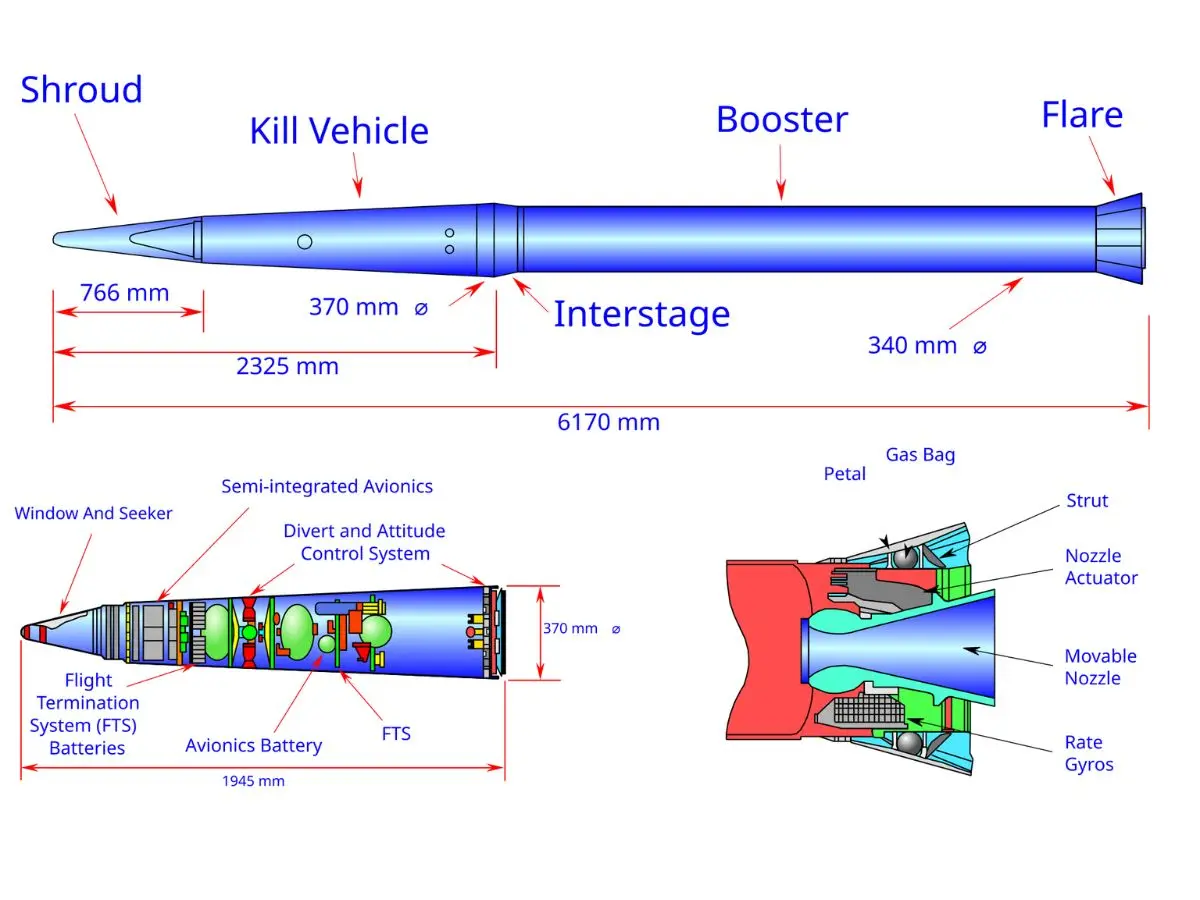
The Terminal High Altitude Area Defense (THAAD) system is designed to intercept ballistic missiles both inside and outside the Earth’s atmosphere, providing a high-altitude layer of missile defence. It is fully interoperable with other ballistic missile defence systems, allowing integration into broader air and missile defence networks. In addition, THAAD is highly mobile and can be rapidly deployed worldwide, enabling flexible positioning in response to emerging threats and operational requirements.
Cost, inventory and production limits
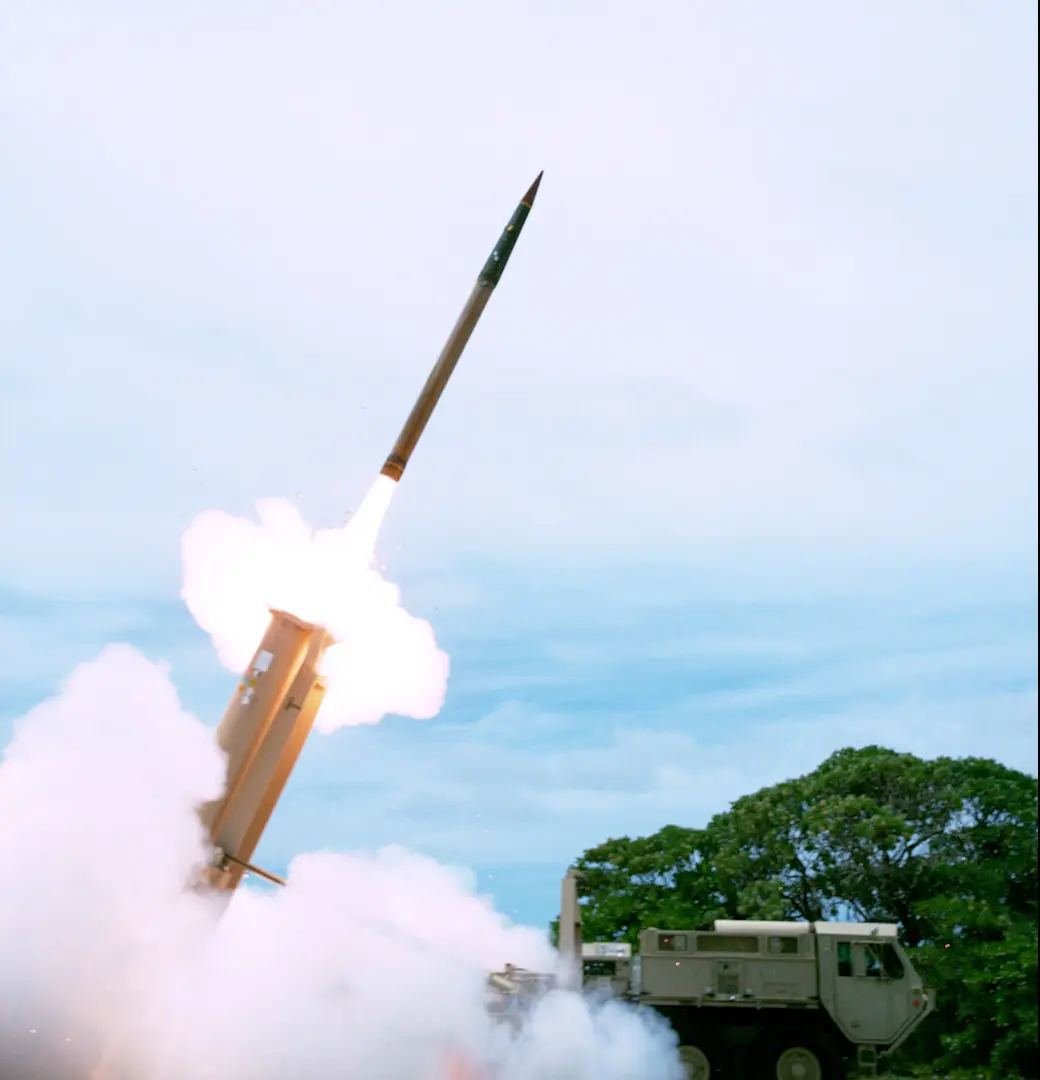
Each THAAD interceptor costs approximately $15.5 million. Pre-war inventories were estimated at around 360 units, but between 190 and 290 interceptors were reportedly used during recent Iran-related operations. CSIS notes that production is limited, with deliveries paused since August 2023 and expected to resume by April 2027. Even under expanded manufacturing plans, output is projected to rise to around 400 units annually from a previous rate of 96.
Battery structure and global deployment
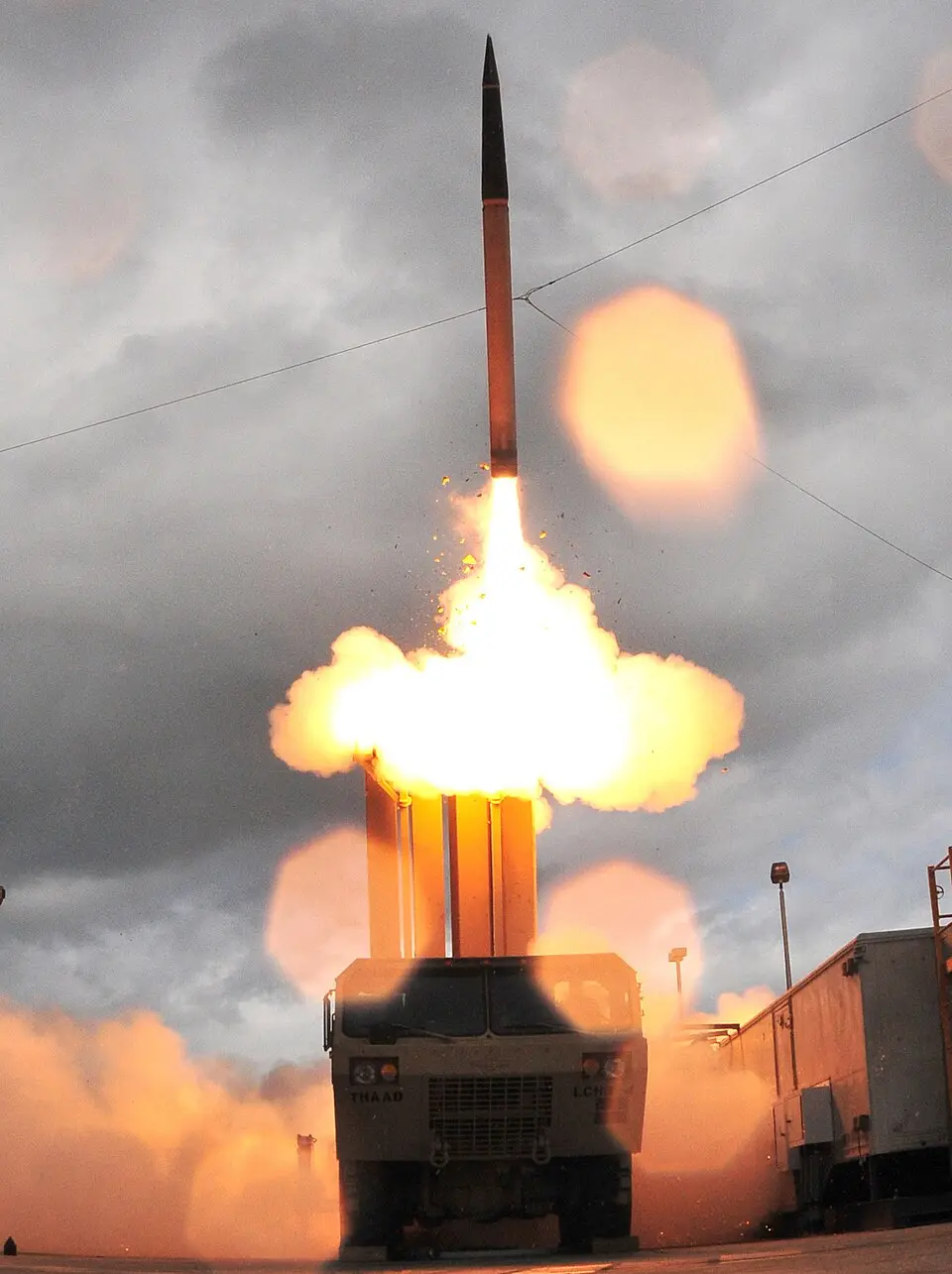
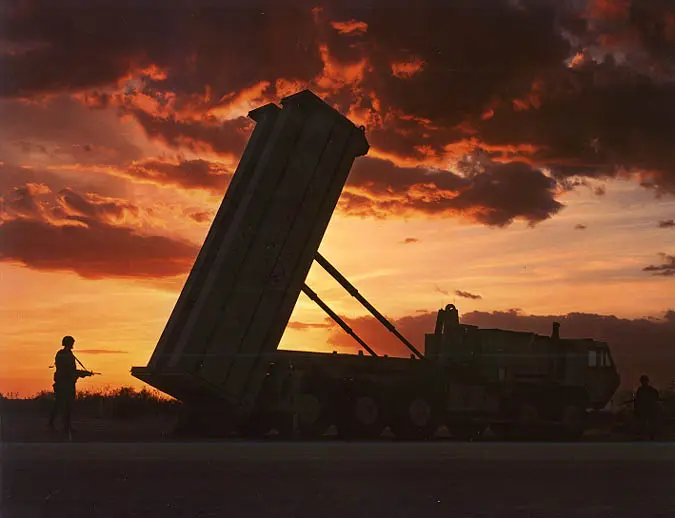
A THAAD battery consists of six launchers, each carrying eight interceptors, supported by an AN/TPY-2 radar and associated command systems. The United States operates only eight THAAD batteries. CSIS analysis says that at least two were outside the continental United States in Guam and South Korea before the Iran war; several batteries have been deployed from the United States to the Middle East for Operation Epic Fury. The United Arab Emirates also has two, and Saudi Arabia has one.
Strategic deployment and operational strain
The system’s limited global footprint and high demand have created operational pressure. Some components may have been shifted from existing deployments to support active theatres, reflecting the strain on available assets during sustained missile exchanges.
Radar dependency and capability gaps
Beyond interceptors, the AN/TPY-2 radar network is critical for targeting. Only 13 radars have been delivered to the US to date. Potential damage or loss of these systems could create significant capability gaps, requiring long replacement timelines and further stretching defence readiness.
Conclusion: sufficient today, strained tomorrow
CSIS analysis concludes that while the United States currently retains enough munitions to sustain ongoing operations, the greater concern lies in future conflicts. The report warns that long-term stockpile recovery will remain a strategic challenge, particularly for high-value systems like THAAD.
)
)
)
)
)