'T-shirts, eyeglasses, pens, rugs &..’: How the Iran war could make everyday essentials more expensive

When access is constrained, the impact extends beyond fuel markets, influencing the cost of everyday consumer goods that depend on petroleum-based materials.

A Conflict That Reaches the Checkout
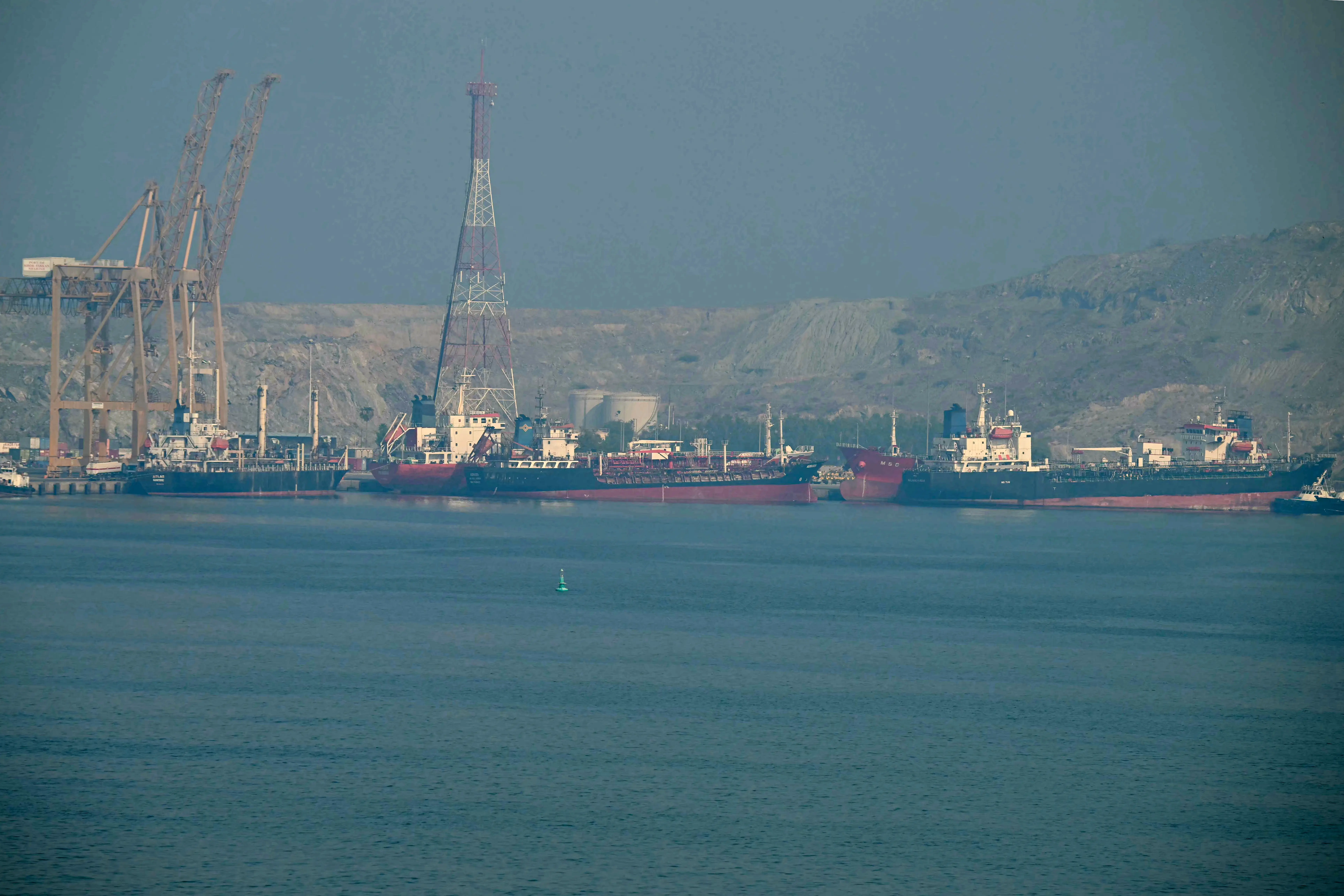
Even the most ordinary goods can be affected by geopolitical tensions. Ongoing disruptions—including blockades, ship seizures and attacks on vessels—have hampered shipping through the Strait of Hormuz following escalating tensions between the United States and Iran, significantly constraining the flow of oil and liquefied natural gas. While tensions have heightened uncertainty around shipping security in the region, any sustained disruption to flows through the Strait can have far-reaching consequences. When access is constrained, the impact extends beyond fuel markets, influencing the cost of everyday consumer goods that depend on petroleum-based materials.

The Strategic Importance of Oil Flows
The Strait of Hormuz handles a significant share of the world’s oil shipments. Any disruption, even temporary, can influence global prices. While ceasefire discussions have created uncertainty, the absence of a stable resolution keeps markets sensitive. Oil price volatility is therefore not confined to energy sectors alone. Petrochemicals derived from oil and natural gas go into making more than 6,000 consumer products, according to the US Department of Energy.
From Crude Oil to Consumer Goods
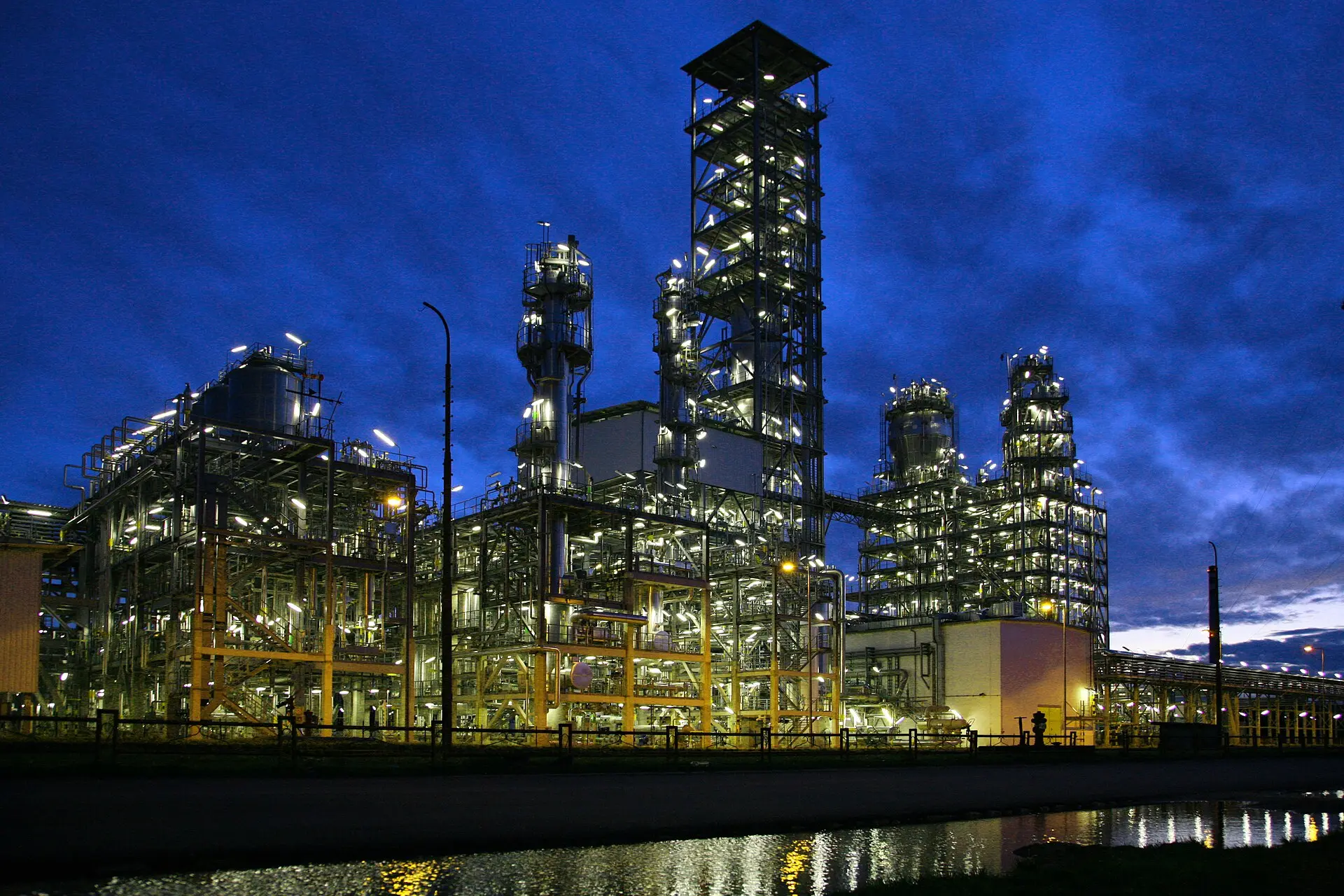
According to the Associated Press, climate economist Gernot Wagner said, “85% of global oil consumption is in the form of fuel,” while the remainder is used in manufacturing. Crude oil is refined into hydrocarbons, which are then processed into petrochemicals—the building blocks of plastics and synthetic materials used widely across industries.

The Chemical Foundations of Daily Life
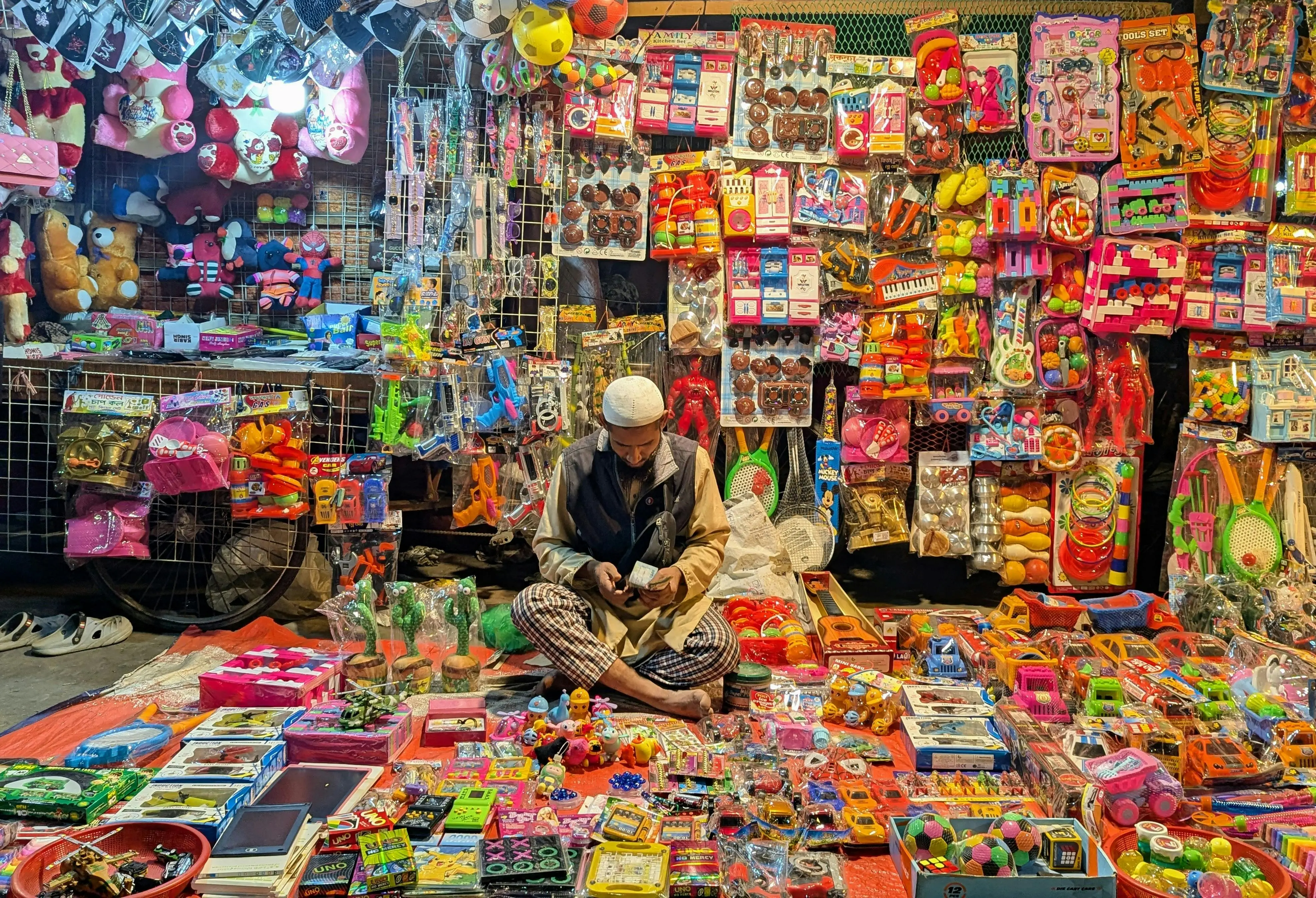
Six key petrochemicals—ethylene, propylene, butylene, benzene, toluene and xylenes—form the basis of materials such as nylon and polyester. These are essential to producing items including T-shirts, carpets, eyeglasses, lipstick, tennis rackets, detergent, chewing gum, shoes, crayons, pens and even toys. Data from the US Department of Energy shows petroleum derivatives are embedded in products ranging from luggage to medical devices.
What Consumers May Notice
Industry analysis suggests that higher petroleum costs could raise retail prices by 1.5 per cent to 3 per cent for some goods, including shoes, by late summer. Nate Herman highlights that manufacturers must secure materials months in advance, meaning current oil prices influence future retail costs. The result is a delayed but direct impact on everyday purchases, linking global conflict to household spending.
Why Manufacturing Costs Rise
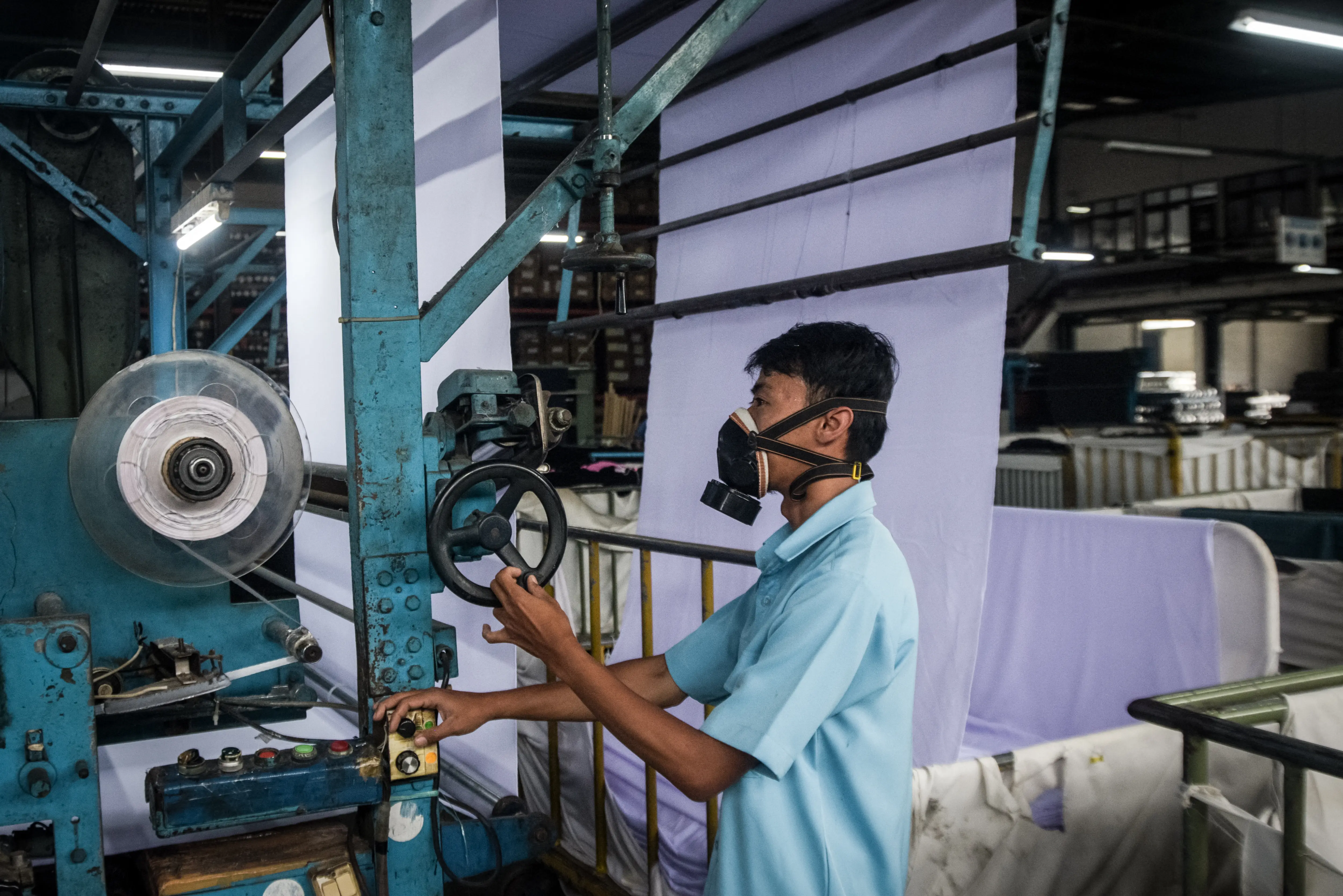
AP reported that Andrew Walberer, partner and global lead in the chemicals practice at global strategy and management consultancy Kearney, said materials account for roughly 27 per cent to 30 per cent of the production cost of a typical shirt, while labour contributes 10 per cent to 30 per cent. The remaining costs are tied to logistics, distribution and administration. As oil prices rise, material costs increase, placing immediate pressure on manufacturers’ margins.

The Ripple Effect on Prices
If oil prices remain above $90 per barrel, cost pressures are expected to spread across supply chains. Analysts note that companies often hold two to three months of inventory, offering only a short-term buffer. In footwear, around 70 per cent of materials are petrochemical-based, making the sector particularly exposed.
What Consumers May Notice
Industry analysis suggests that higher petroleum costs could raise retail prices by 1.5 per cent to 3 per cent for some goods, including shoes, by late summer. Nate Herman highlights that manufacturers must secure materials months in advance, meaning current oil prices influence future retail costs. The result is a delayed but direct impact on everyday purchases, linking global conflict to household spending.
)
)
)
)
)