Published: Apr 23, 2026, 13:55 IST | Updated: Apr 23, 2026, 14:18 IST
To manage this complexity, naval crews rely on a specialised directional language. This system replaces everyday terms with precise, universally understood commands, reducing ambiguity in high-risk environments.
1 / 7
(Photograph: www.pacom.mil)
A Floating Sovereign Territory
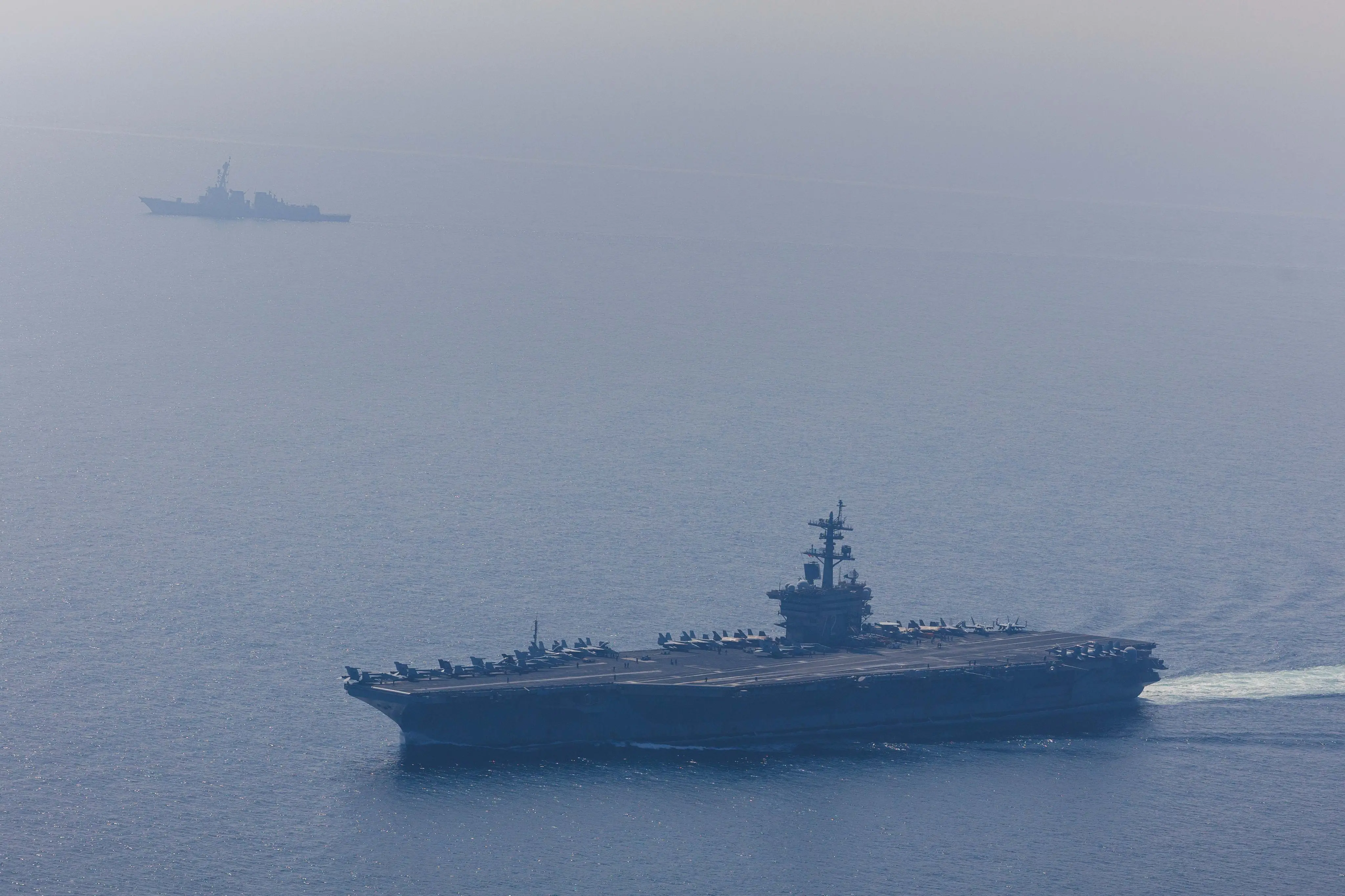
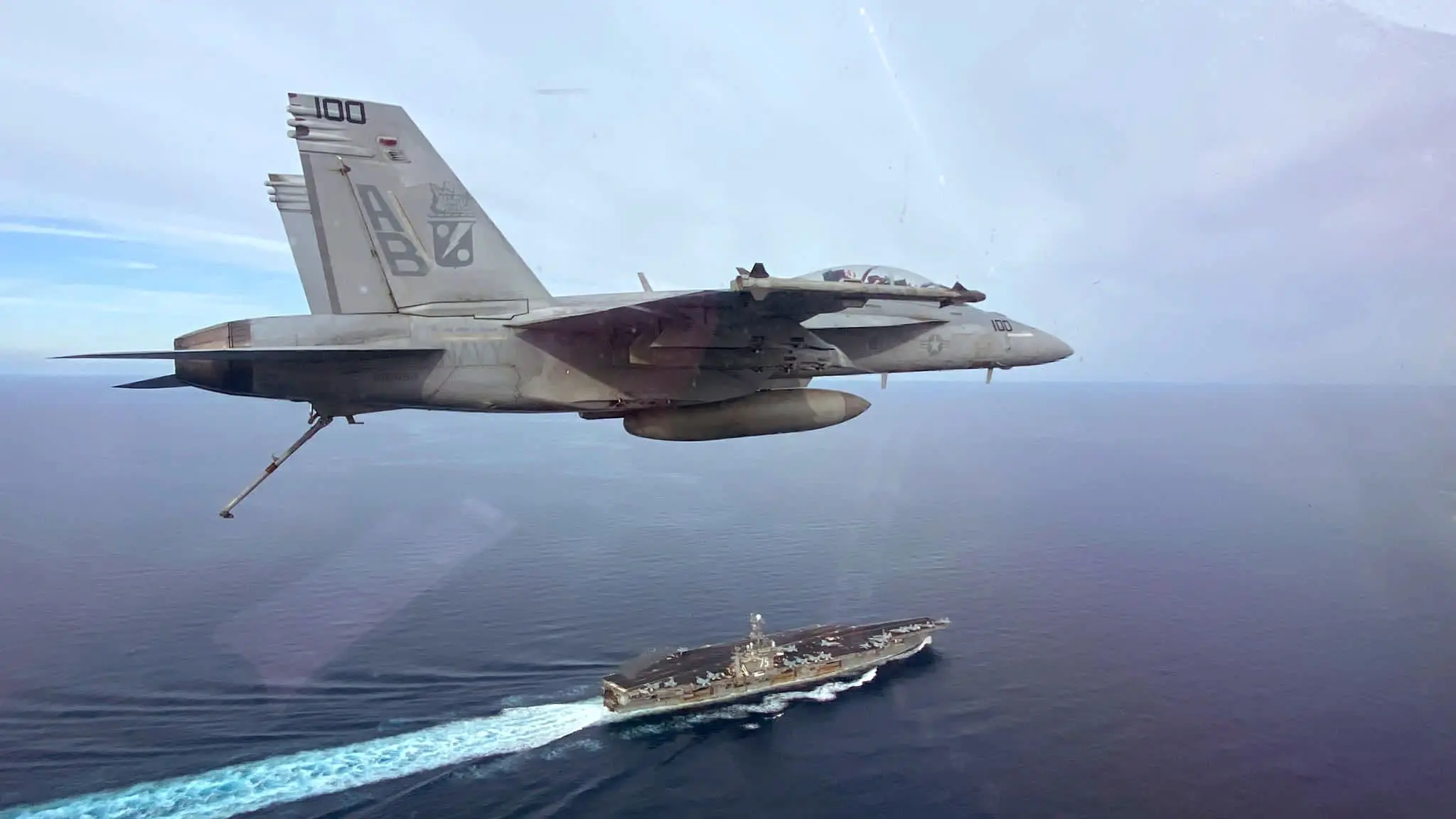
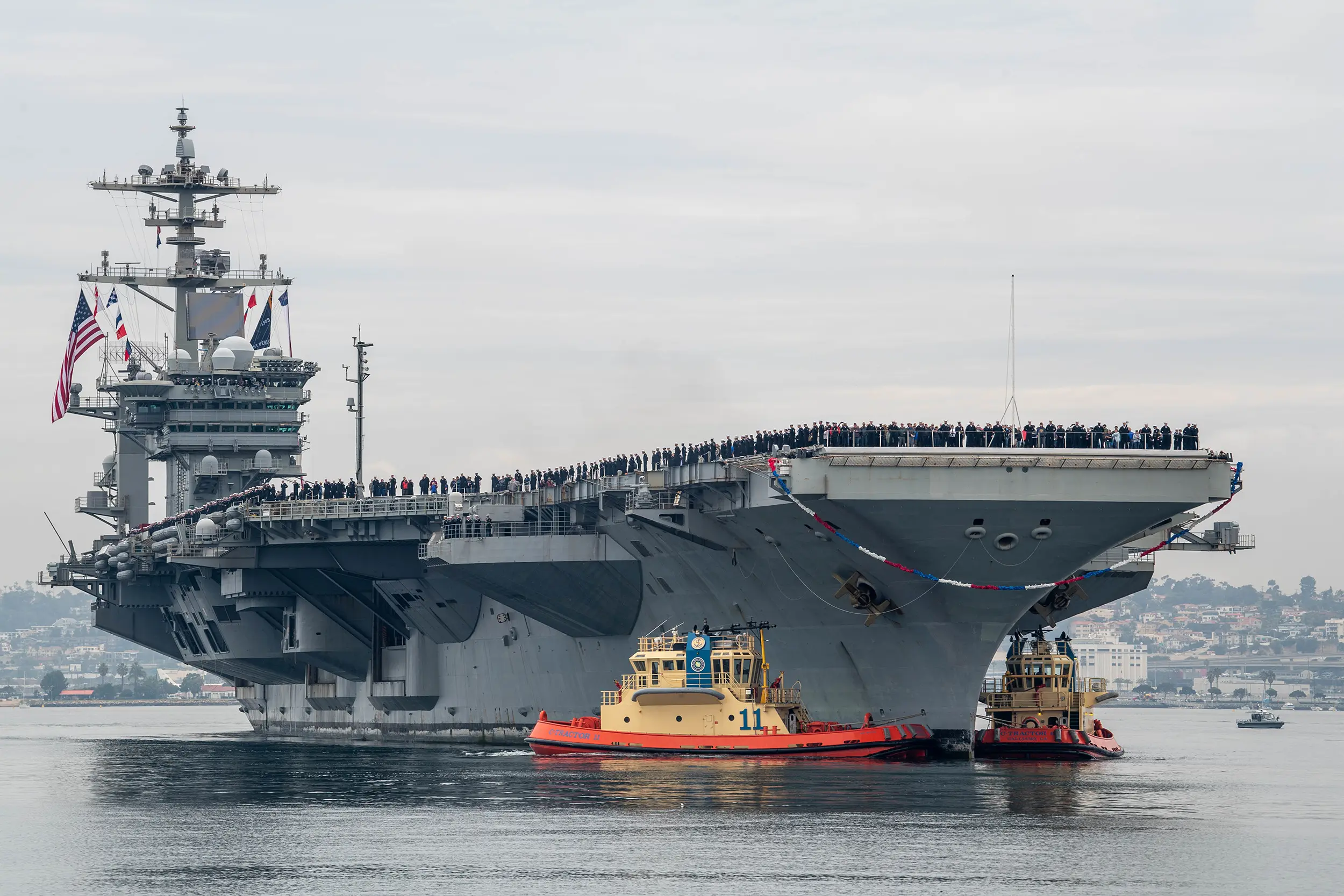
Modern aircraft carriers, including the USS Abraham Lincoln, operate as self-contained worlds at sea. Under international Freedom of Navigation laws, such warships are treated as sovereign territories across most of the ocean. This allows them to function independently of foreign bases, projecting military power globally. A carrier strike group, typically consisting of the carrier and several escort vessels, can move freely, conduct missions, and return to what is effectively a mobile extension of the United States.
2 / 7
(Photograph: @USNavy/X)
Engineering Scale and Mobility
Nimitz-class carriers are among the most complex machines ever built, composed of roughly a billion individual parts. Despite their immense size, they are remarkably fast, capable of speeds exceeding 35 knots (about 64 km/h). This mobility enables them to reach virtually any region of the world’s oceans within weeks, reinforcing their strategic value.
3 / 7
(Photograph: @CENTCOM/X)
Sustained Operations at Sea
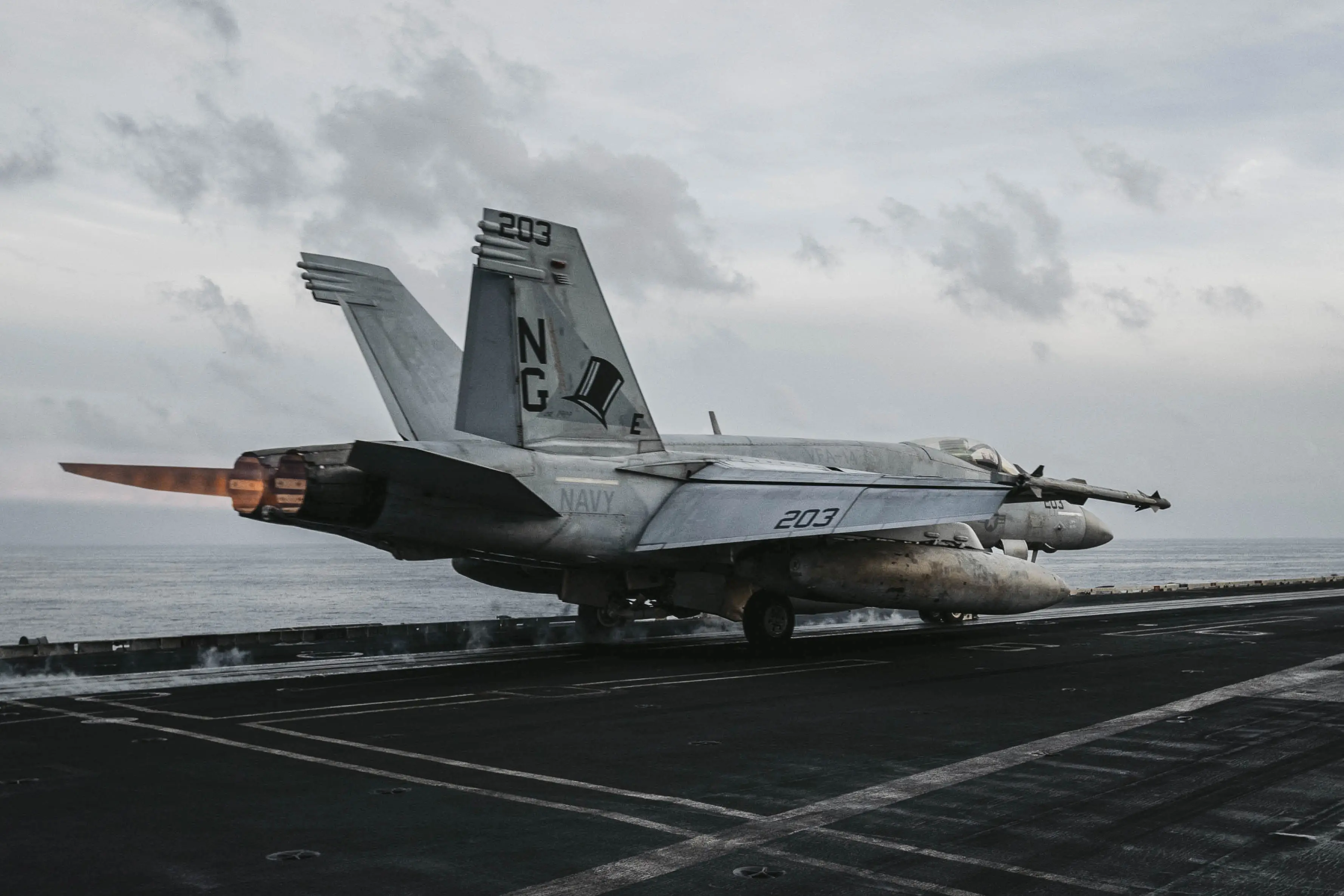
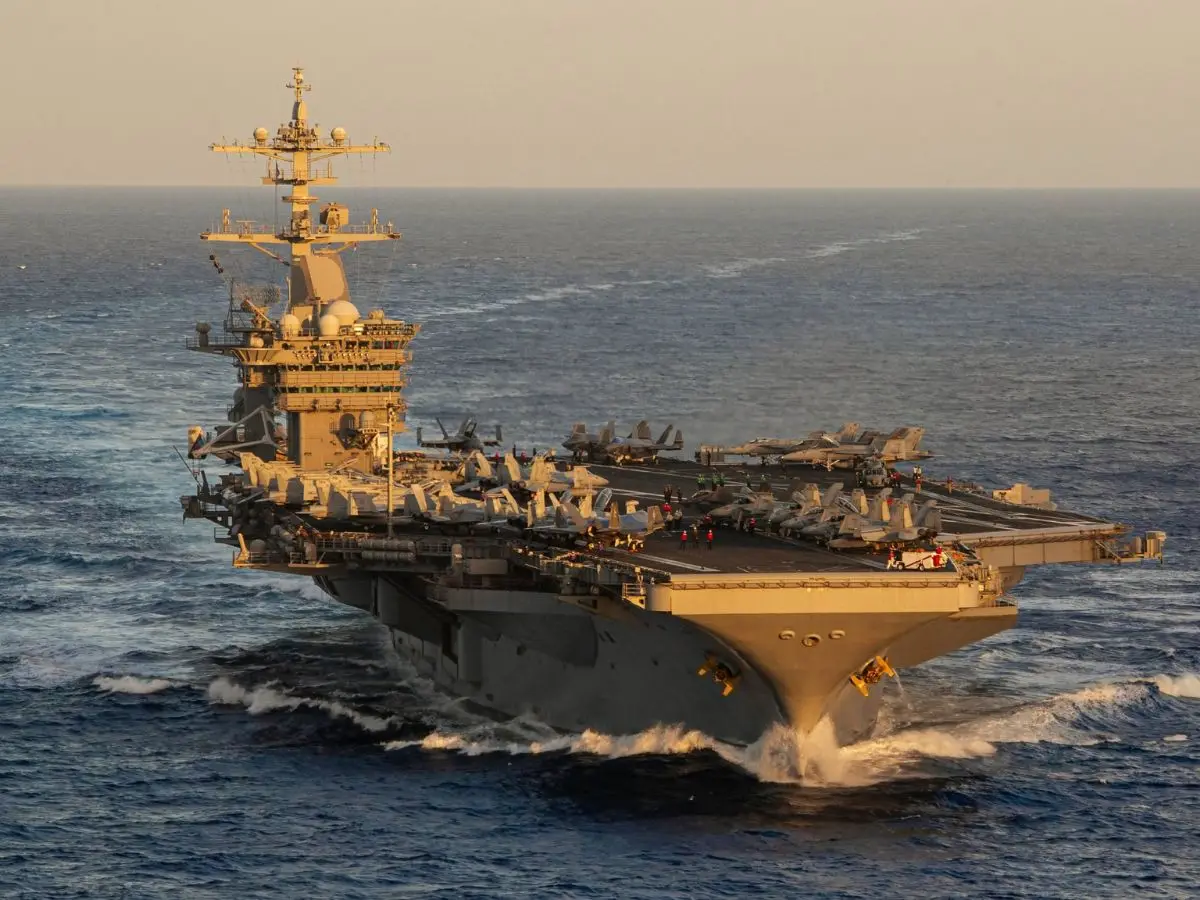
One defining capability of such carriers is endurance. Through continuous resupply at sea, carrier groups can maintain operations indefinitely without returning to port. Aircraft launch missions into distant regions and recover safely on deck, ensuring a persistent military presence wherever required.
4 / 7
A Language Designed for Precision
To manage this complexity, naval crews rely on a specialised directional language. This system replaces everyday terms with precise, universally understood commands, reducing ambiguity in high-risk environments. The aim is clarity, especially when noise, urgency, and scale make ordinary speech unreliable.
5 / 7
(Photograph: CENTCOM/X)
Core Directional Terms
Instead of 'front' and 'back,' sailors use 'bow' and 'stern'. 'Port' and 'starboard' replace left and right, always defined relative to the ship’s forward direction. Movement is described with equal precision: ‘forward’ means toward the bow, 'aft' toward the stern. These terms remain constant regardless of where a person stands, eliminating confusion.
6 / 7
(Photograph: CENTCOM/X)
Movement Within the Ship
The language extends to internal navigation. Moving from a side toward the centre is 'inboard,' while heading outward , from centre to side is 'outboard.' Descending levels is never 'going downstairs,' but 'going below.' Even specific areas have fixed names, such as the 'fantail,' referring to the stern section of the main deck. This structured vocabulary ensures efficient coordination across thousands of crew.
7 / 7
(Photograph: @CENTCOM/X)
The Flight Deck: Where Language Saves Lives
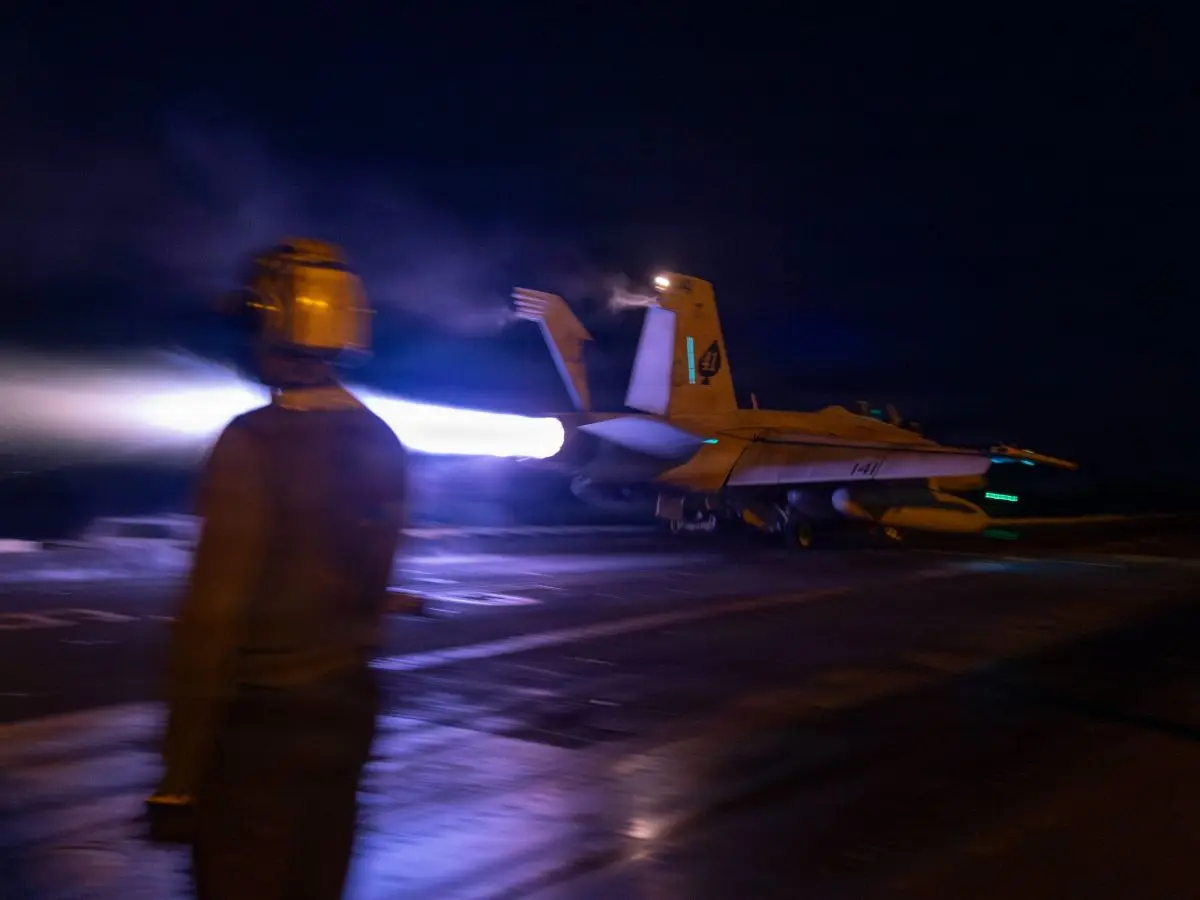
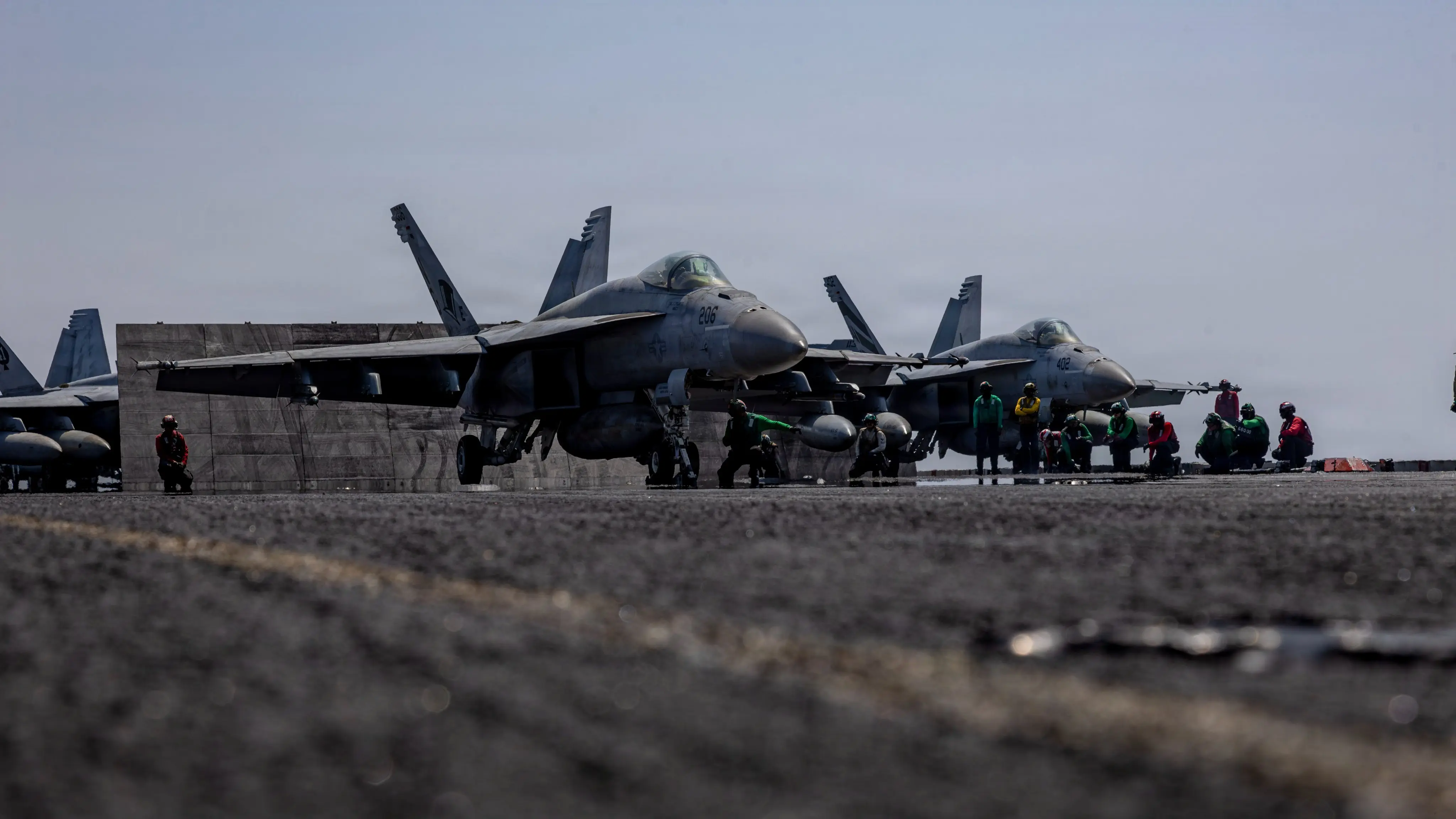
Nowhere is this linguistic precision more critical than on the flight deck. It is one of the most hazardous workplaces in the world, where aircraft launch and land in rapid succession within a confined space. Jet engines can pull or push personnel with immense force. In such conditions, clear, standardised commands are essential. The specialised language is not tradition for its own sake, it is a system built on necessity, ensuring safety, speed, and operational success.