Iran maintains 'good contact' with India on Hormuz passage, says Iran ambassador Dr Fathali

&imwidth=600&imheight=450&format=webp&quality=medium "Iran maintains 'good contact' with India on Hormuz passage, says Iran ambassador Dr Fathali")
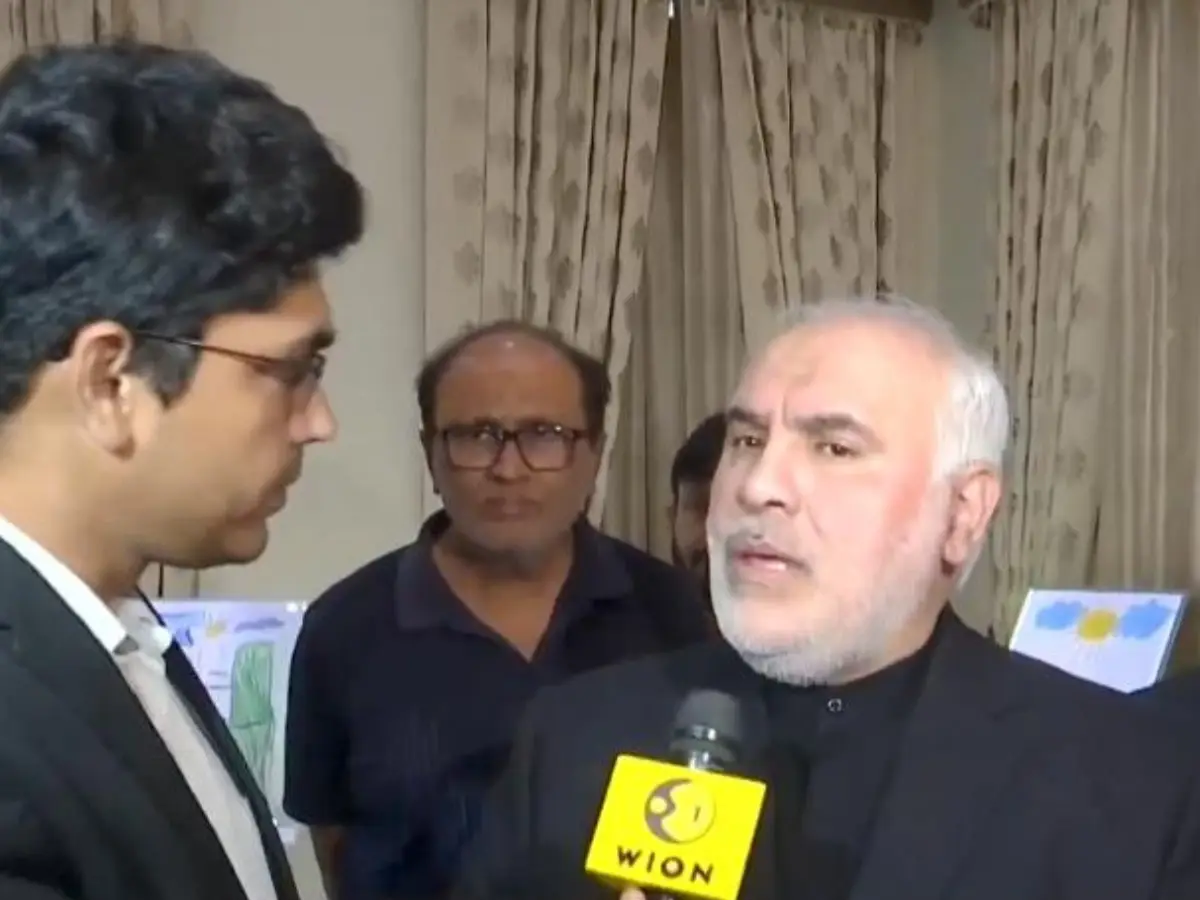
Ambassador Dr Mohammad Fathali talks to WION Photograph: (WION)
Speaking to WION Iranian Ambassador Dr Mohammad Fathali emphasised that Iran and India "have a good relationship" and maintain "good contact" on the issue.
New Delhi: Amid escalating tensions in the Persian Gulf, Iran's ambassador to India has reaffirmed strong bilateral ties and ongoing coordination with New Delhi on the safe passage of Indian vessels through the Strait of Hormuz, even as US President Donald Trump imposes a naval blockade on Iranian ports.
Speaking to WION's Sidhant Sibal, Ambassador Dr Mohammad Fathali emphasised that Iran and India "have a good relationship" and maintain "good contact" on the issue. "We believe that we should prepare a good preparation," he said, adding that relevant Iranian institutions would soon outline their stance. He described the current situation in the Strait as "very unstable" and urged both sides to "see the future."
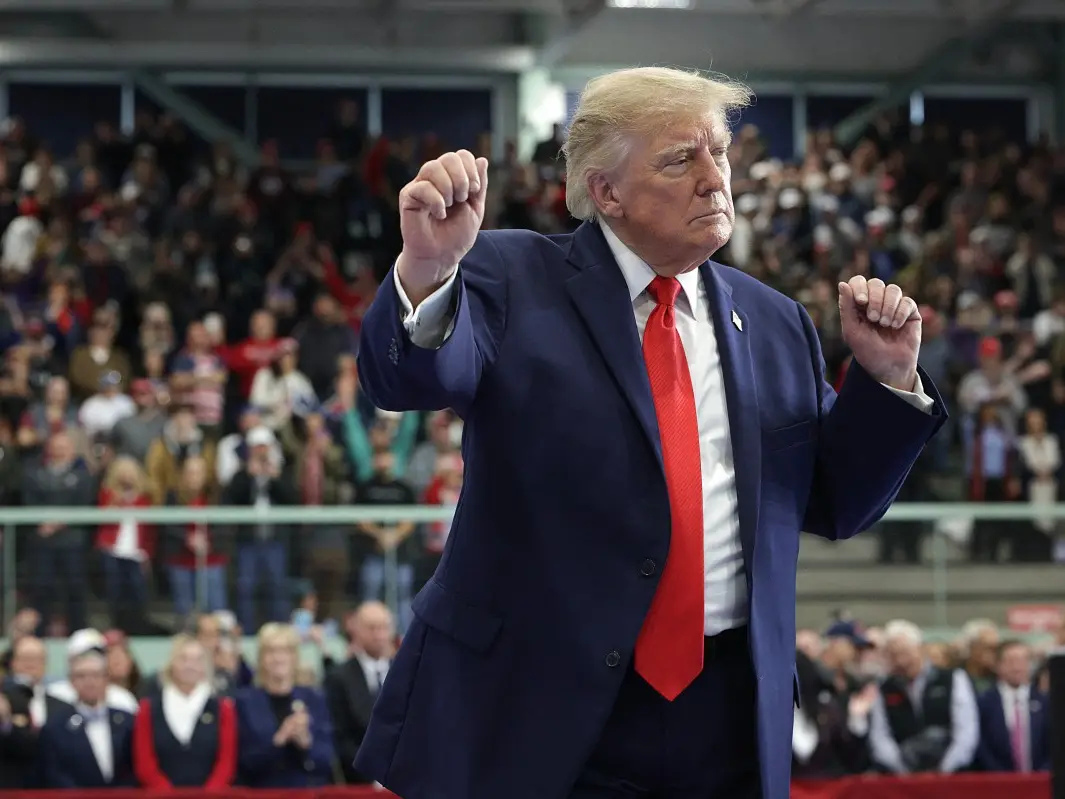
The ambassador's comments come as the US Navy began enforcing a blockade of Iranian ports and coastal areas on Monday, following the collapse of peace talks in Islamabad. Trump has warned that any Iranian "fast attack ships" approaching the blockade would be "immediately eliminated," framing the move as a response to Iran's control over the strategic waterway, through which about a fifth of global oil and significant LNG volumes normally flow.
When asked about Trump's threat, Fathali struck a defiant tone: "They have examined us many times... They know our capacity and capability. They know our surprise in the army... you can see in the future how is our response, how is our reaction." He referenced Iran's resilience during the recent 42-day war, highlighting what he called indigenous military progress.
On the sensitive question of whether Indian ships are paying any form of toll or tax to transit the strait, the ambassador was categorical. Iranian officials, including Fathali, have stated that Indian tankers crossing Hormuz have not paid tolls, dismissing rumours of charges reportedly under consideration for other vessels. India has also firmly denied making any such payments, consistent with its position that the strait is an international waterway where freedom of navigation should apply without financial levies under international law.
Trending Stories
&imwidth=280&imheight=210&format=webp&quality=medium)
&im=FitAndFill=(700,400)&imwidth=280&imheight=210&format=webp&quality=medium)
&imwidth=280&imheight=210&format=webp&quality=medium)
&imwidth=280&imheight=210&format=webp&quality=medium)
&imwidth=280&imheight=210&format=webp&quality=medium)
&imwidth=280&imheight=210&format=webp&quality=medium)
&imwidth=280&imheight=210&format=webp&quality=medium)
&imwidth=280&imheight=210&format=webp&quality=medium)
&imwidth=280&imheight=210&format=webp&quality=medium)
&imwidth=280&imheight=210&format=webp&quality=medium)
&imwidth=280&imheight=210&format=webp&quality=medium)
&imwidth=280&imheight=210&format=webp&quality=medium)
&imwidth=280&imheight=210&format=webp&quality=medium)
&imwidth=280&imheight=210&format=webp&quality=medium)
&imwidth=280&imheight=210&format=webp&quality=medium)
&imwidth=280&imheight=210&format=webp&quality=medium)
&imwidth=280&imheight=210&format=webp&quality=medium)
&imwidth=280&imheight=210&format=webp&quality=medium)
&imwidth=280&imheight=210&format=webp&quality=medium)
&imwidth=280&imheight=210&format=webp&quality=medium)
&imwidth=280&imheight=210&format=webp&quality=medium)
&im=FitAndFill=(700,400)&imwidth=280&imheight=210&format=webp&quality=medium)
&imwidth=280&imheight=210&format=webp&quality=medium)
&imwidth=280&imheight=210&format=webp&quality=medium)
&imwidth=280&imheight=210&format=webp&quality=medium)
&imwidth=280&imheight=210&format=webp&quality=medium)
&imwidth=280&imheight=210&format=webp&quality=medium)
&imwidth=280&imheight=210&format=webp&quality=medium)
&imwidth=280&imheight=210&format=webp&quality=medium)
&imwidth=280&imheight=210&format=webp&quality=medium)
&imwidth=280&imheight=210&format=webp&quality=medium)
&imwidth=280&imheight=210&format=webp&quality=medium)
&imwidth=280&imheight=210&format=webp&quality=medium)
The Strait of Hormuz remains a critical chokepoint for India's energy security. Large amounts of India's crude oil and LPG imports have historically passed through it, leaving New Delhi vulnerable to disruptions. Since the outbreak of the Iran war in late February, Iran has exercised selective control, granting passage to vessels from "friendly nations" including India, China and Russia. Around 15 India-flagged vessels are currently in the Hormuz.
Earlier at a presser, Fathali portrayed the relationship in warm terms, saying India and Iran share a "common fate" and common interests in the region. He thanked the Indian government and people for being "reliable and compassionate partners" during difficult times and described India as one of Iran's trusted friends.
The US blockade adds a new layer of complexity. While Washington says it will not impede non-Iranian commercial traffic through the strait itself, the targeting of Iranian-linked shipping risks broader escalation, higher oil prices, which have already climbed above $100 a barrel in recent days.
For India, the balancing act is delicate. New Delhi has called for unimpeded navigation and welcomed earlier ceasefires, while maintaining energy and strategic ties with both Tehran and its partners in the Gulf and beyond.
