

&imwidth=800&imheight=600&format=webp&quality=medium "Iran-linked 'shadow fleet' uses ship-to-ship transfers near Malaysia to bypass oil sanctions")
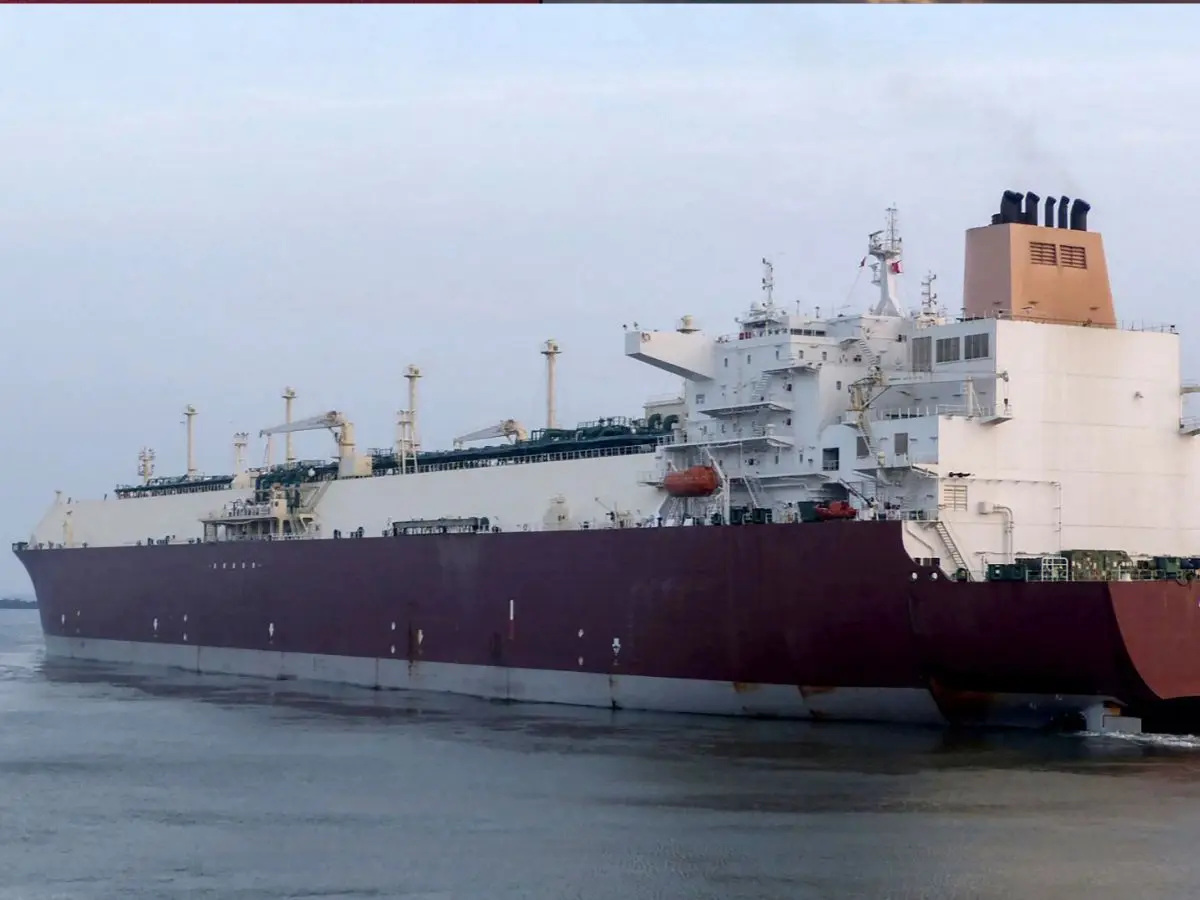
Waters off Malaysia’s southern Johor state have become a critical hub for clandestine transfers of Iranian oil, with Malaysian authorities acknowledging that foreign-linked tankers are exploiting “jurisdictional gaps” in busy international shipping lanes to evade enforcement action. According to the Associated Press, the operations centre on the Eastern Outer Port Limits (EOPL) in the South China Sea, an area roughly 70 kilometres off Johor that sits along one of the world’s busiest maritime corridors between the Middle East and East Asia.
The Malaysian Maritime Enforcement Agency (MMEA) said that many of the ship-to-ship oil transfers are carried out beyond Malaysia’s territorial waters and outside effective radar coverage. “The selection of such locations is intended to exploit jurisdictional gaps and limit direct enforcement action by local authorities,” MMEA Director-General Mohamad Rosli Abdullah told AP.
The activity involves Iran-linked vessels commonly described as a ‘shadow fleet’, ageing tankers operating with disabled tracking systems, altered identities and opaque ownership structures to disguise the origin of crude oil shipments, much of which is believed to be destined for China. Industry observers note that China purchases about 90 per cent of Iran’s oil exports, despite longstanding US sanctions targeting Tehran’s energy trade.
Allegations of weak enforcement rejected by Malaysian authorities
Trending Stories
&imwidth=180&imheight=135&format=webp&quality=medium)
‘This is just the start’: Maaya Rajeshwaran on historic ITF title, confidence boost and future goals
&imwidth=180&imheight=135&format=webp&quality=medium)
'Turn approver, resign, we'll forgive you': Rahul Gandhi claims receiving messages from CEC Gyanesh Kumar
&imwidth=180&imheight=135&format=webp&quality=medium)
Anti-SIR protest in Mumbai: Protestors wear black masks & ribbons in Mumbai
&imwidth=180&imheight=135&format=webp&quality=medium)
Congress demands action against chief election commissioner
&imwidth=180&imheight=135&format=webp&quality=medium)
Trump says he 'may' meet North Korean leader Kim Jong Un during upcoming Asia trip
&imwidth=180&imheight=135&format=webp&quality=medium)
Apple HomeView smart home hub may launch soon with A18 chip, display and Siri controls: What to expect
&imwidth=180&imheight=135&format=webp&quality=medium)
Rahul Gandhi's plea against Election Commission delayed as Supreme Court registry flags 14 ‘defects’
&imwidth=180&imheight=135&format=webp&quality=medium)
'Ouch!!! That must hurt': Kangana Ranaut hails Kamal Haasan's sharp reply to Elon Musk over Starlink row
&im=FitAndFill=(700,400)&imwidth=180&imheight=135&format=webp&quality=medium)
New OTT releases this week (October 12-18, 2026): Sacrifice, Koffee with Karan S9, Roadies Rebirth- 6 titles coming on Netflix, JioHotstar and more
&imwidth=180&imheight=135&format=webp&quality=medium)
'Almost certainly': UK Prime Minister Andy Burnham says Iran's IRGC behind RAF Fairford threat
&imwidth=180&imheight=135&format=webp&quality=medium)
UK school ditches technology, shifts from screen to pen and paper for learning
&im=FitAndFill=(700,400)&imwidth=180&imheight=135&format=webp&quality=medium)
Navratri 2026: 9 days, 9 forms of Goddess Durga and 9 colours- Check the complete list
&imwidth=180&imheight=135&format=webp&quality=medium)
Robotic surgery, advanced treatment: What is coming to this small Gujarat town?
&imwidth=180&imheight=135&format=webp&quality=medium)
Korean peninsula tensions escalate as North Korea launches multiple ballistic missiles, PACOM says 'no threat to US personnel'
&imwidth=180&imheight=135&format=webp&quality=medium)
UK PM Andy Birnham renews claims of Russian meddling in Brexit vote
&imwidth=180&imheight=135&format=webp&quality=medium)
Opposition’s 10 demands in Supreme Court petition range from stay on SIR to audit of voter rolls
&imwidth=180&imheight=135&format=webp&quality=medium)
BCCI rejects venue shift reports, India vs Sri Lanka 1st ODI to remain in Delhi
&imwidth=180&imheight=135&format=webp&quality=medium)
'I am thoroughly unamused': Judge slams Trump administration after 400 trees cut at Washington golf course
&imwidth=180&imheight=135&format=webp&quality=medium)
Houthis warns US of 'painful response' if Washington joins Saudi war in Yemen as airlines suspend flights to Saudi Arabia
&imwidth=180&imheight=135&format=webp&quality=medium)
Girl 'dead' for 8 hours wakes up at her own funeral, dad insists she wasn't breathing
&imwidth=180&imheight=135&format=webp&quality=medium)
'I will not be silenced': Ilhan Omar alleges political intimidation after federal officers search her Washington home
&imwidth=180&imheight=135&format=webp&quality=medium)
Sidhu Moose Wala’s younger brother wins hearts by recreating late singer’s signature move at Toronto Hologram Show
&imwidth=180&imheight=135&format=webp&quality=medium)
1,500 drones illuminate Mumbai sky as Cordelia Cruises unveils second ship, Cordelia Sky
&imwidth=180&imheight=135&format=webp&quality=medium)
India's Ajit Doval, Iran's Mohsen Rezaei hold talks amid escalating West Asia tensions, discuss 'issues of mutual interest'
&imwidth=180&imheight=135&format=webp&quality=medium)
Pakistan's government blames PTI for rise of terrorism in Khyber Pakhtunkhwa
&imwidth=180&imheight=135&format=webp&quality=medium)
Trump weighs firing Kimberly Guilfoyle as US ambassador to Greece amid misconduct allegations: Report
&im=FitAndFill=(700,400)&imwidth=180&imheight=135&format=webp&quality=medium)
How does a robot decide what to do next?
&imwidth=180&imheight=135&format=webp&quality=medium)
Delhi protest: CJI Surya Kant declines to meet India Bloc leaders
&imwidth=180&imheight=135&format=webp&quality=medium)
Elon Musk pumps $276 million into Republican campaigns ahead of US midterm elections
&imwidth=180&imheight=135&format=webp&quality=medium)
'Absolutely disgusting': Australia slams US plan to livestream Nidal Hasan's execution; Mike Johnson raises concerns, warns of terrorist propaganda
&imwidth=180&imheight=135&format=webp&quality=medium)
Portugal Federation confirms Cristiano Ronaldo’s return to national team despite suspension
US-based advocacy organisation United Against Nuclear Iran (UANI) claims the EOPL area has seen 42 ship-to-ship transfers involving Iranian oil since February 28, based on satellite imagery monitoring. Senior UANI adviser Charlie Brown accused Malaysia of enabling the trade through insufficient enforcement. “Because of Malaysia’s inaction, it is facilitating this business model by Iran and China and dark fleet actors,” he told AP, adding that the country risked becoming “a facilitator rather than merely a transit point”.
Malaysian authorities rejected the criticism, insisting enforcement is conducted strictly under domestic law and international maritime conventions. Rosli said the allegations “do not align with the actual situation on the ground” and pointed to limited real-time intelligence sharing between agencies as a significant obstacle.
ALSO READ: Iran conflict triggers ink shortage as Japanese snack giant switches to black-and-white packaging
Malaysia discourages unsanctioned offshore transfers because they heighten the risk of oil spills, particularly when conducted using ageing vessels far from port facilities.
Indonesia reviews legality as shadow fleet activity continues
The issue has also drawn scrutiny from neighbouring Indonesia, whose maritime territory borders the transfer zone near the Riau Archipelago. Indonesia’s Foreign Ministry said authorities were reviewing the legality of activities in the area. Spokesperson Yvonne Mewengkang told AP: “Indonesia does not permit its territory or maritime zones to be used for unlawful activities.”
ALSO READ: Xi-Trump summit: Why does China hold stronger cards as Trump heads to Beijing for high-stakes talks?
Despite increased scrutiny and a US blockade of Iranian ports introduced in mid-April, UANI says Iranian-linked tankers continue operating near the EOPL. “It’s business as usual,” Brown said.
Earlier this year, Malaysian authorities seized two vessels involved in the transfer of two million barrels of crude oil within Malaysian territorial waters. One vessel was stateless, while the other sailed under a Cameroon flag. Both were later released on bond after being detained for conducting unauthorised oil transfers.

