Xi-Trump summit: Why does China hold stronger cards as Trump heads to Beijing for high-stakes talks?

Trump's visit to Beijing comes amid growing domestic and international strain. His administration remains heavily criticised over the Iran conflict, rising energy costs and market uncertainty linked to prolonged trade tensions.
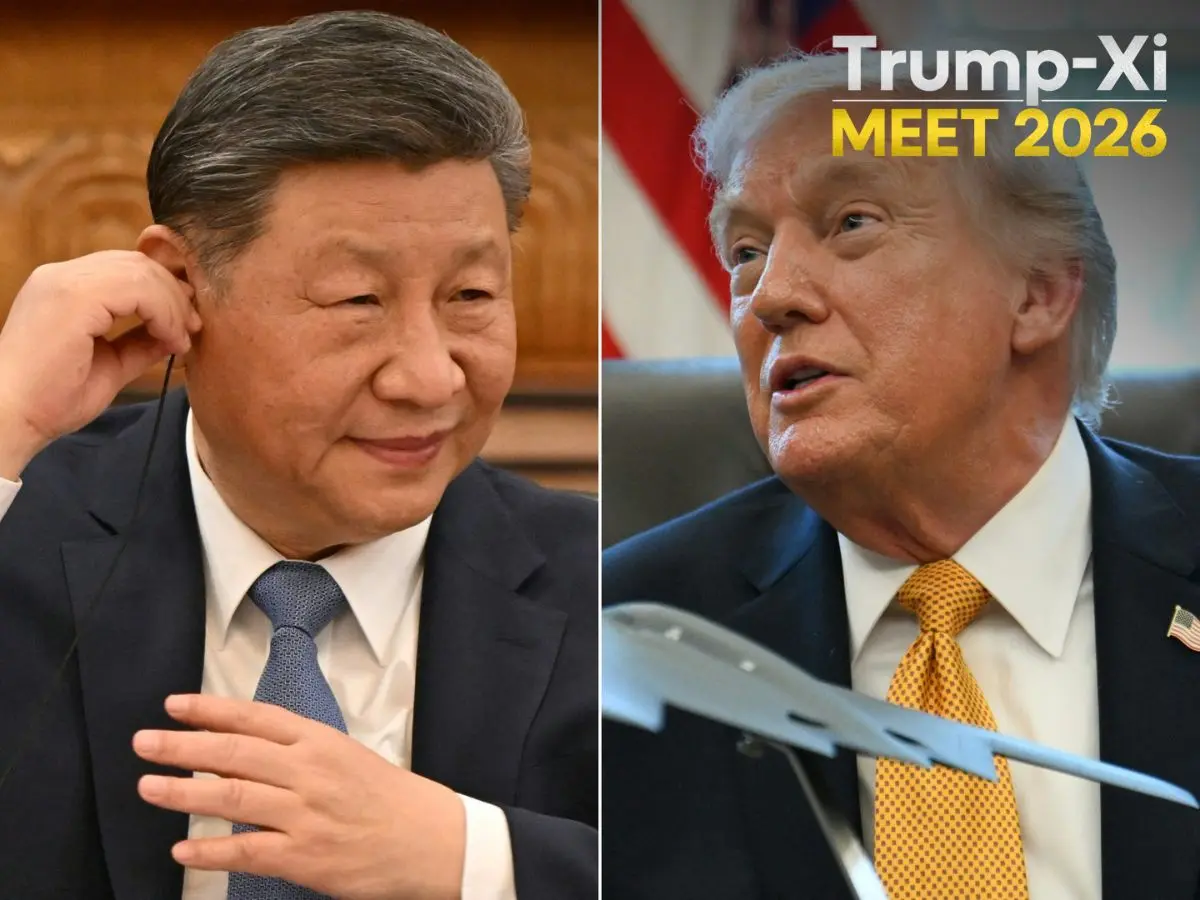
Beijing Summit Opens Under Changed Political Realities
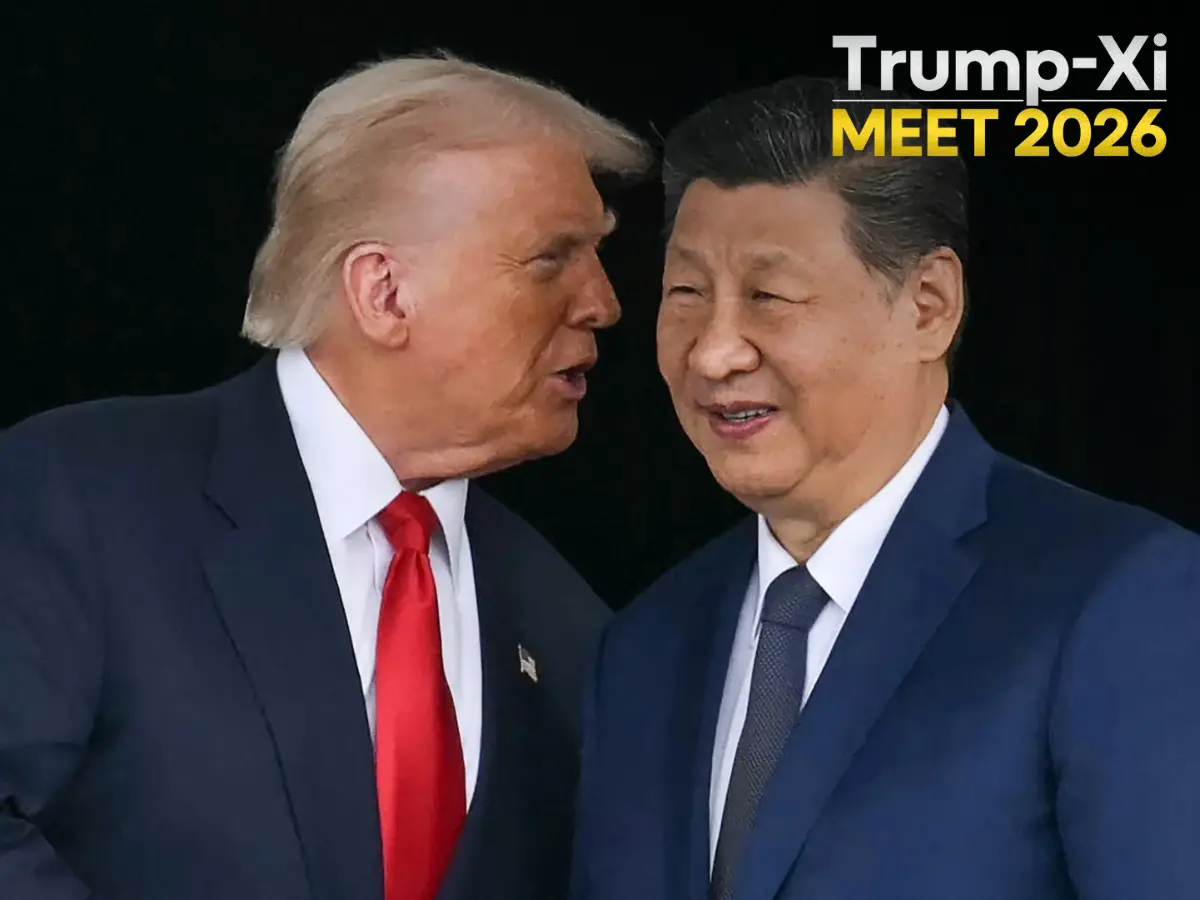
When US President Donald Trump arrives in Beijing this Thursday for talks with Chinese President Xi Jinping, the balance of leverage appears markedly different from what the US president once envisaged. A year ago, Trump argued that sweeping tariffs would force China into economic retreat. Instead, after months of trade disruption, legal setbacks and mounting geopolitical crises, analysts say Washington enters the summit seeking stability rather than confrontation. The two-day meeting on May 14-15 will be the first formal summit between the leaders since they paused an escalating trade war last October. But expectations are now centred on limited agreements involving agriculture, aviation and strategic cooperation rather than any transformative reset in relations.
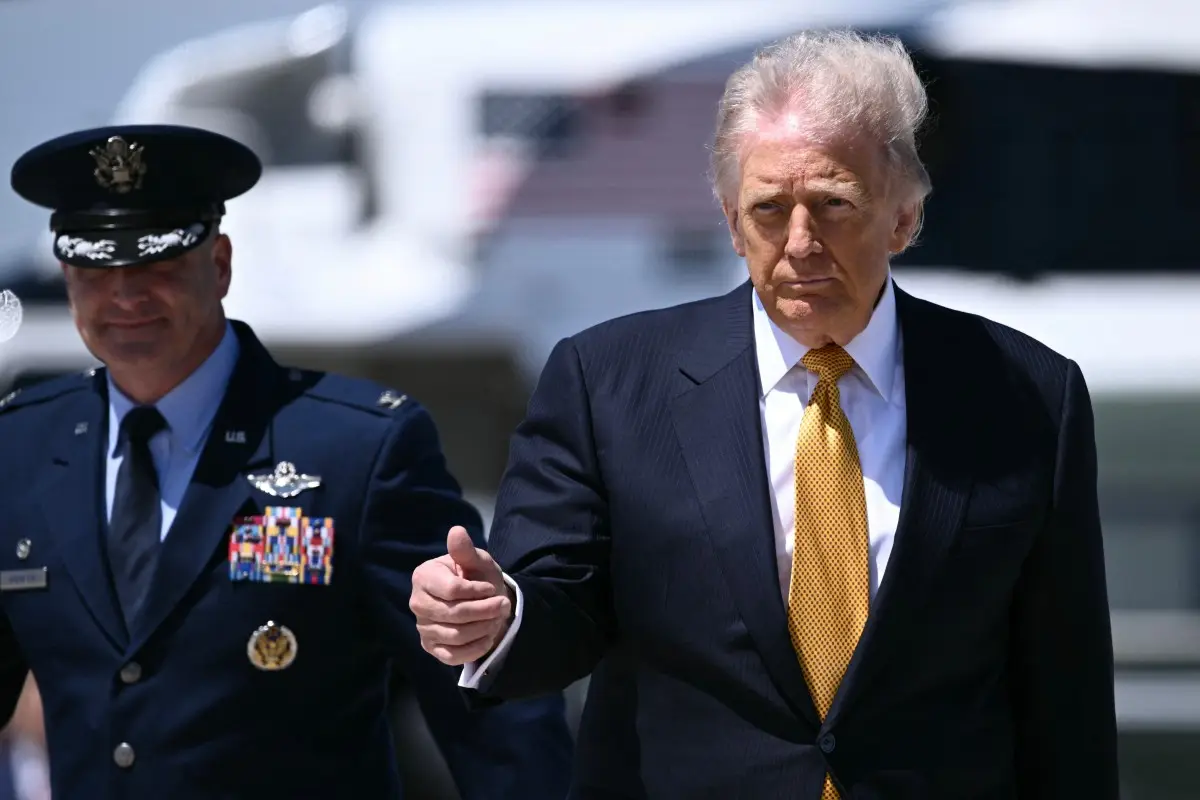
Trump Faces Pressure on Multiple Fronts
Trump's visit to Beijing comes amid growing domestic and international strain. His administration remains heavily criticised over the Iran conflict, rising energy costs and market uncertainty linked to prolonged trade tensions. Alejandro Reyes, a professor specialising in Chinese foreign policy at the University of Hong Kong, told Reuters: “Trump kind of needs China more than China needs him. He needs a kind of foreign policy victory: a victory that shows that he is looking to ensure stability in the world and that he’s not just disrupting global politics,” Reyes added. The White House is also seeking Chinese cooperation to stabilise oil markets and encourage Tehran towards negotiations after months of conflict in the Middle East.
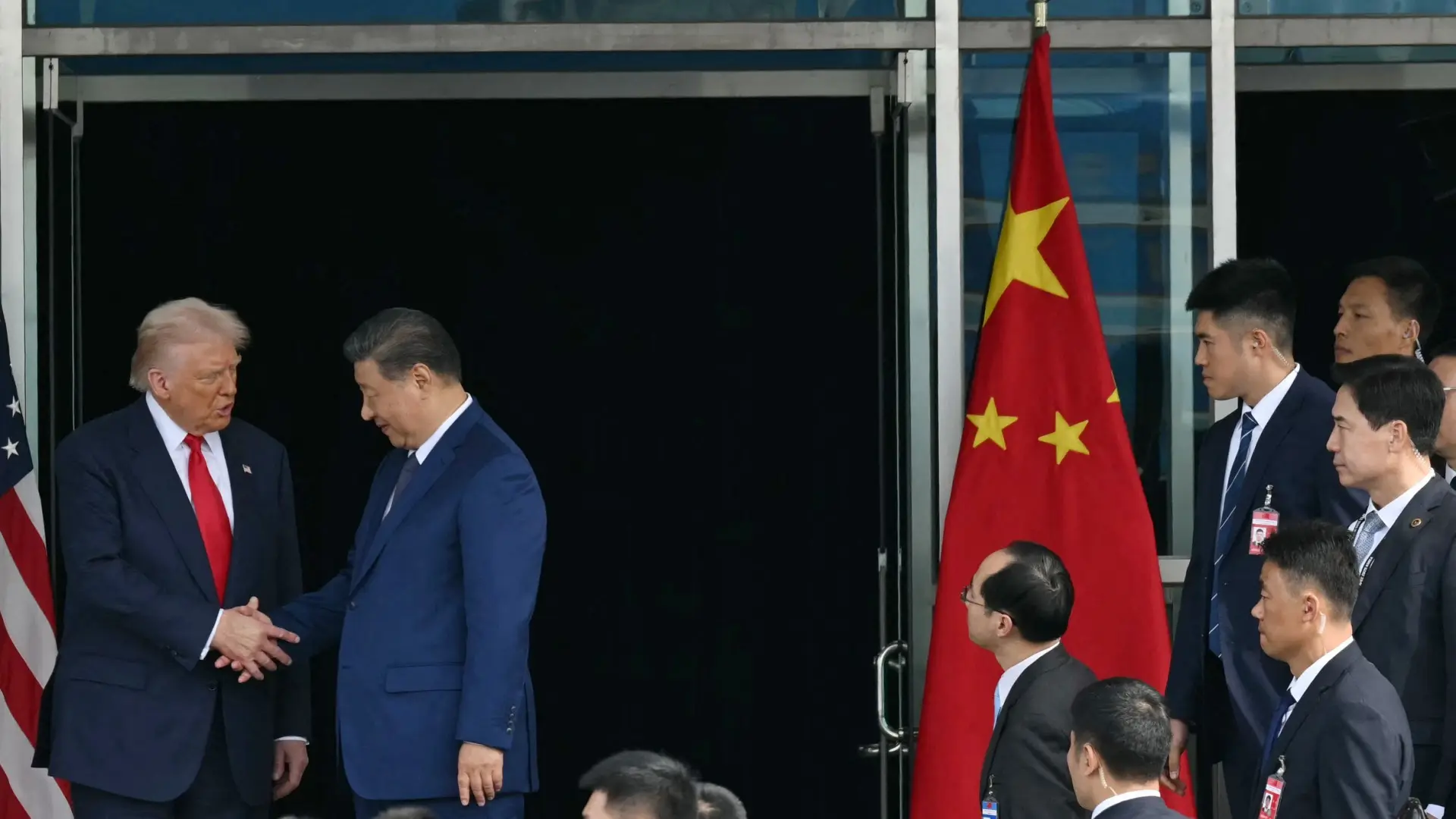
China’s Rare Earth Leverage Has Grown
Since the leaders last met briefly at an airbase in South Korea, China has significantly strengthened its economic leverage. Reuters reported that Beijing has expanded restrictions on exports of rare earth minerals and magnets critical for advanced manufacturing, semiconductors and defence systems.
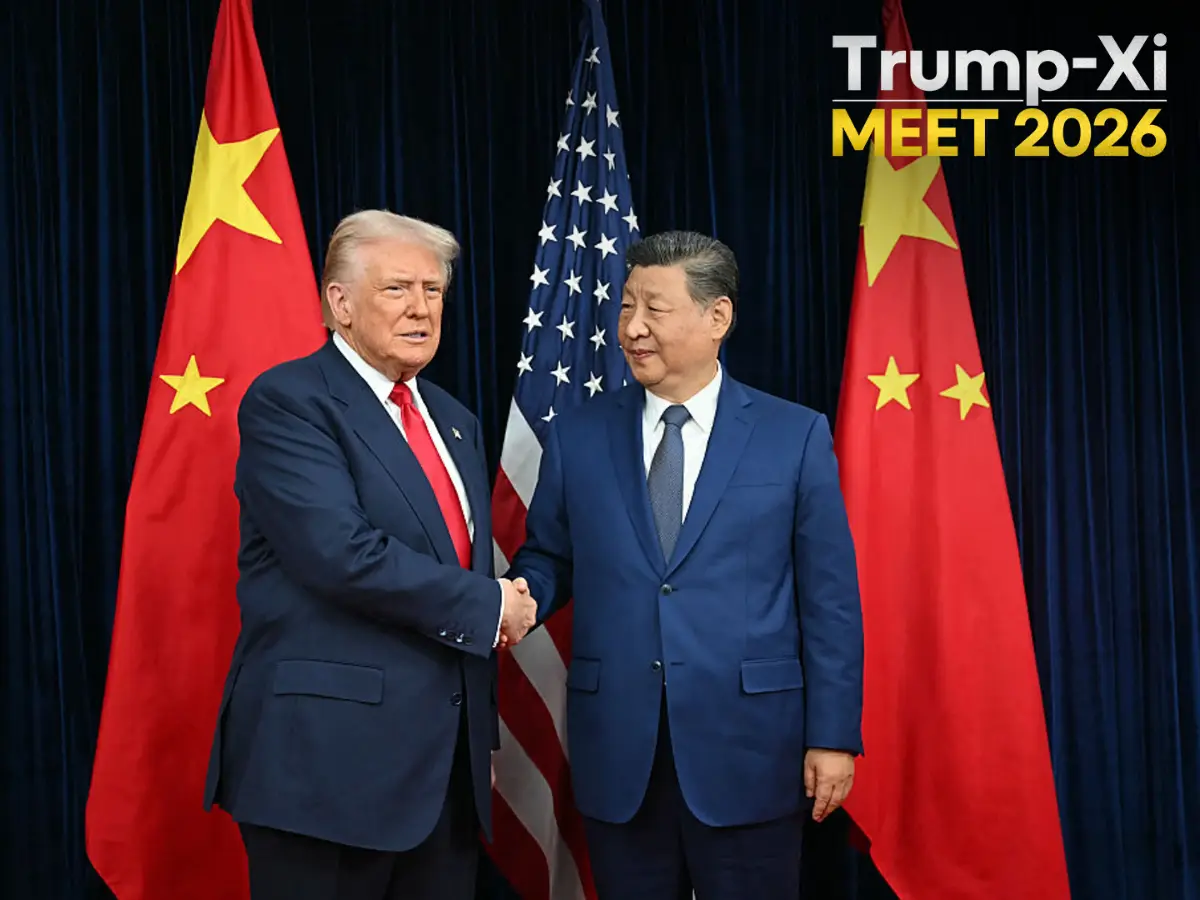
China’s export curbs remain largely intact
The controls were introduced after Trump imposed triple-digit tariffs on Chinese goods under his so-called “Liberation Day” trade measures. While many tariffs were later scaled back, China’s export curbs remain largely intact, disrupting global supply chains and pushing up prices worldwide. China has also tightened licensing rules and enacted measures aimed at foreign companies attempting to move production away from Chinese supply chains.
Xi Sees Momentum Tilting Towards China
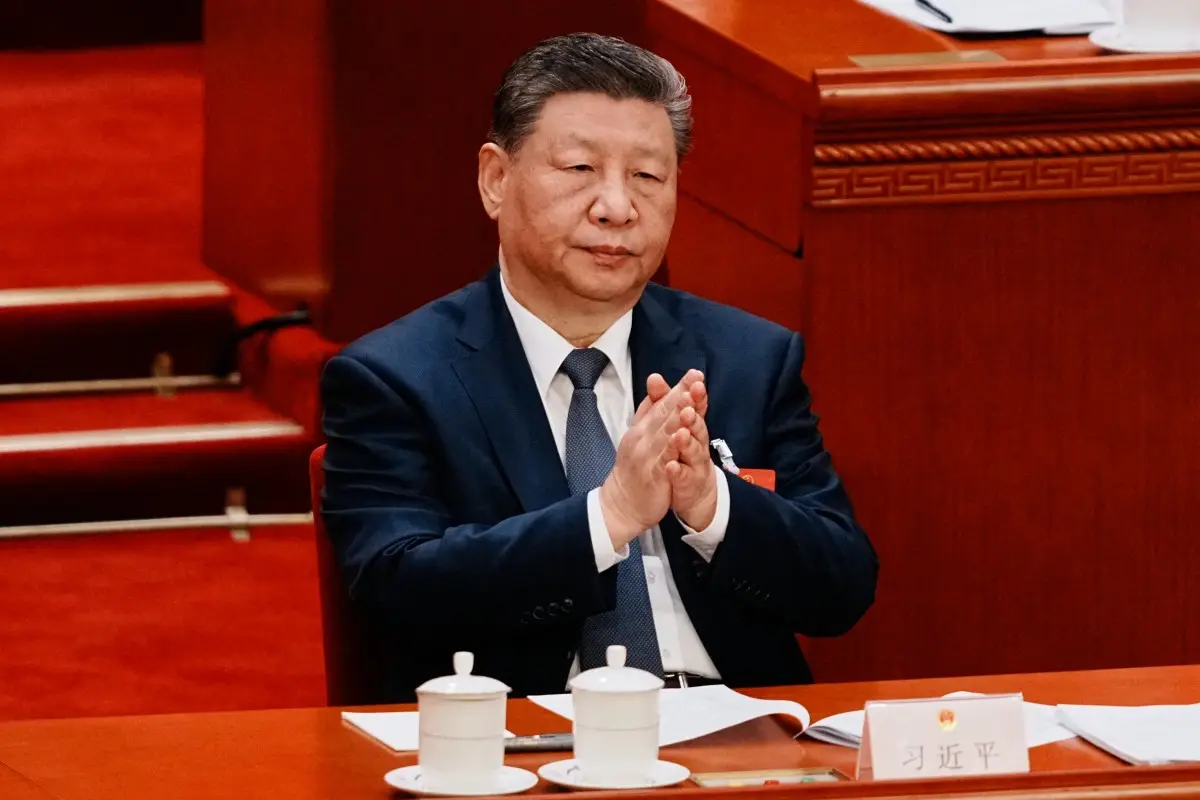
According to the Council on Foreign Relations, Xi Jinping has repeatedly told Chinese officials that “the East is rising and the West is declining”, arguing that global momentum favours Beijing. His confidence deepened after China countered Trump’s tariff escalation by leveraging rare earth exports, prompting Washington to step back from further escalation.
Taiwan and Technology Remain Major Fault Lines
Taiwan is expected to dominate private discussions between Trump and Xi. Beijing has sharply opposed recent American arms sales to the island and continues to pressure Washington over what it views as support for Taiwanese independence. Artificial intelligence and semiconductor restrictions will also feature heavily. China remains frustrated by limits on advanced chip exports, while Washington accuses Beijing of intellectual property theft and unfair industrial practices.

Summit Focused on Stability Rather Than Breakthroughs
Despite the tensions, both governments appear eager to avoid further deterioration in relations between the world’s two largest economies. Beijing is expected to announce purchases involving Boeing aircraft, American agricultural goods and energy products, while pressing the United States to ease restrictions on advanced technology exports. Analysts say the summit reflects a broader shift in the relationship: from attempts at dominance to efforts at managing rivalry without triggering deeper economic or geopolitical instability.
Beijing Eyes Long-Term Diplomatic Advantage
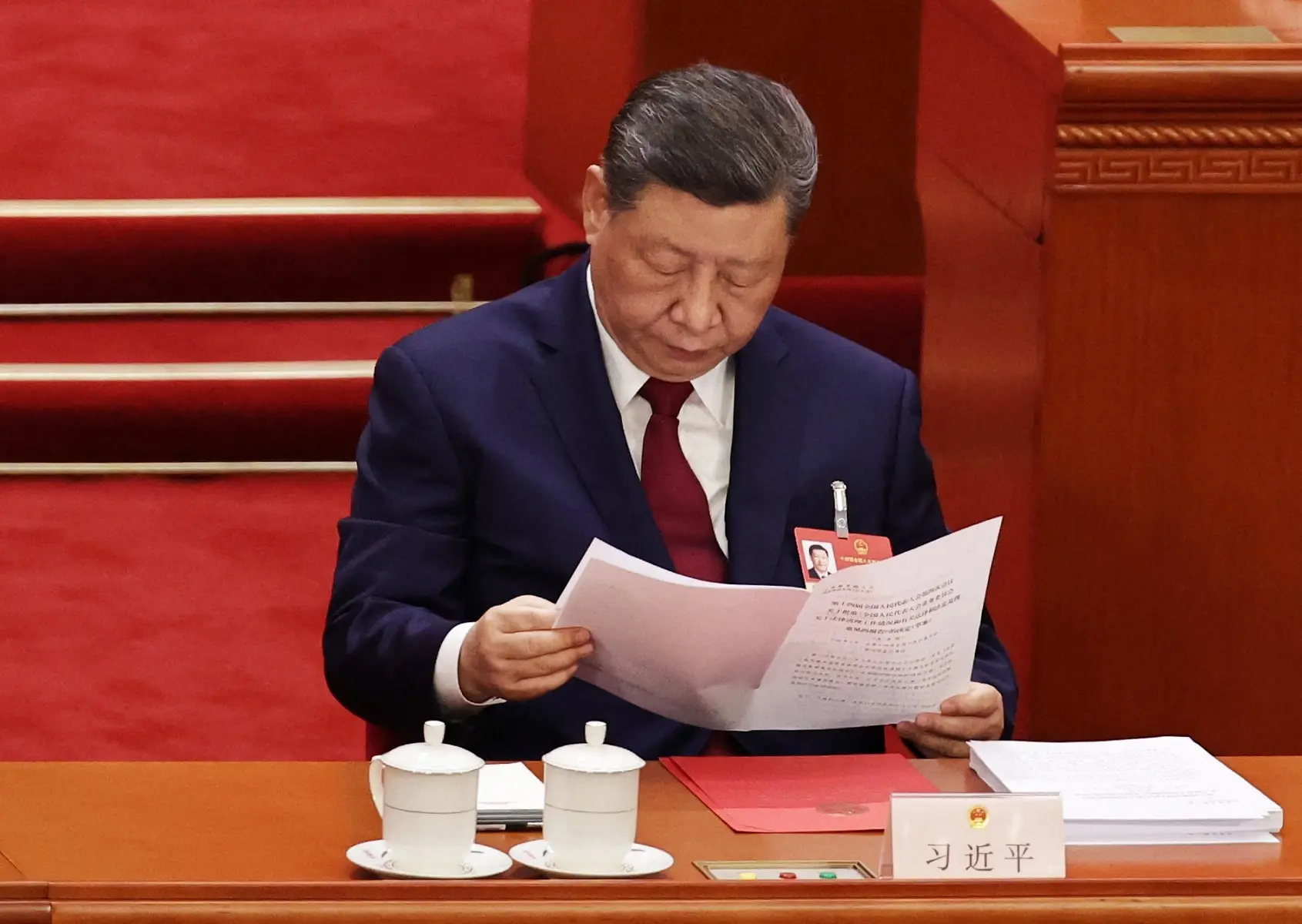
The Beijing summit is unlikely to be the last meeting between Donald Trump and Xi Jinping this year, says CFS, further engagements are expected at the APEC forum in Shenzhen, the G20 summit in Miami and during a possible Xi state visit to Washington. Analysts quoted by the council say China could use continued diplomacy to preserve the current détente and discourage tougher American strategic measures.
)
)
)
)
)