Iran 2026 is not Iraq 2003: With top leaders gone, US talks to Kurds and other ethnic groups, but who will run Tehran?

&imwidth=600&imheight=450&format=webp&quality=medium "Iran 2026 is not Iraq 2003: With top leaders gone, US talks to Kurds and other ethnic groups, but who will run Tehran?")
Neither the key Iran dissident groups, nor the ethnic fighters have the capability to run the whole of Iran. Photograph: (Others)
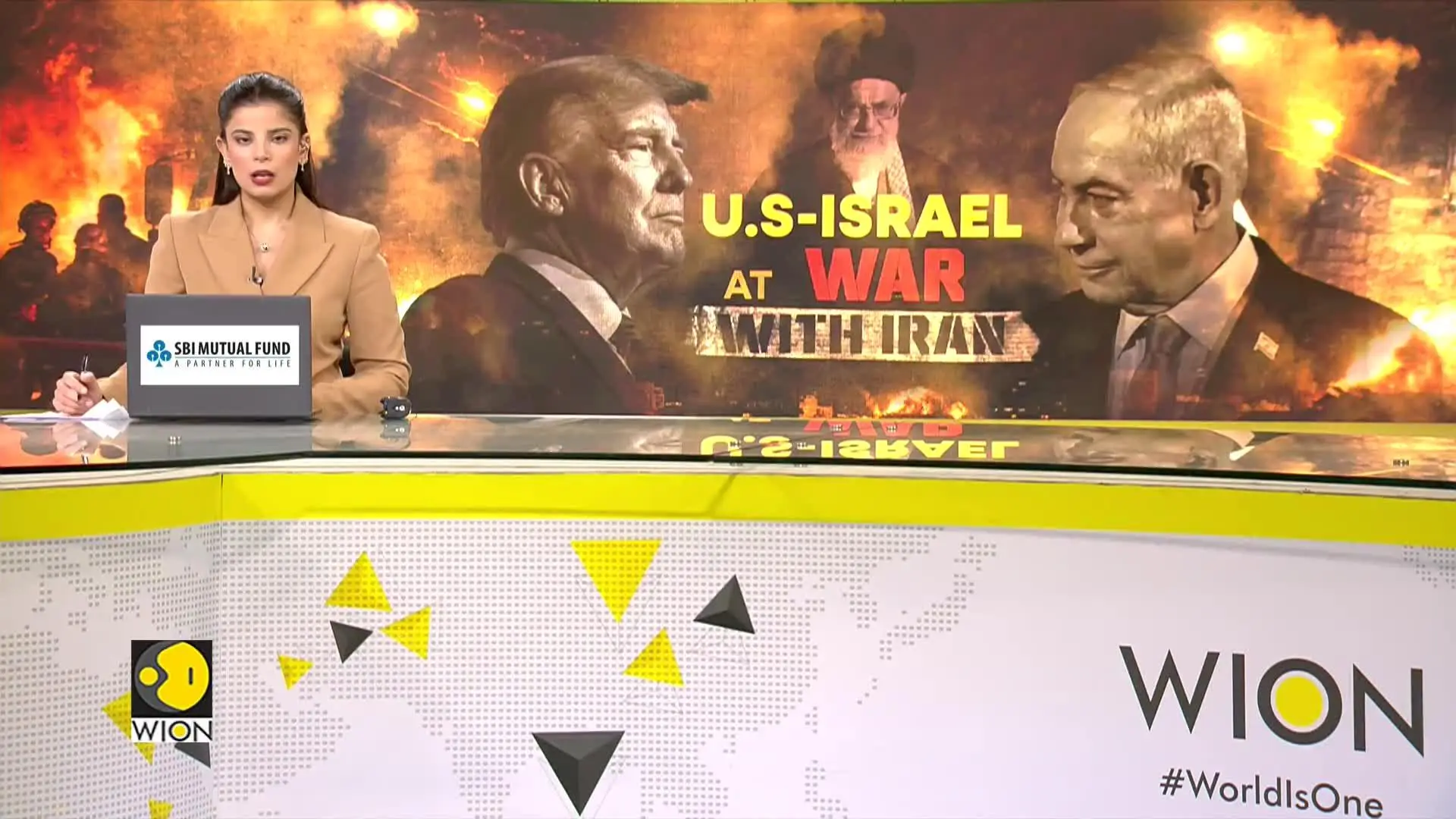
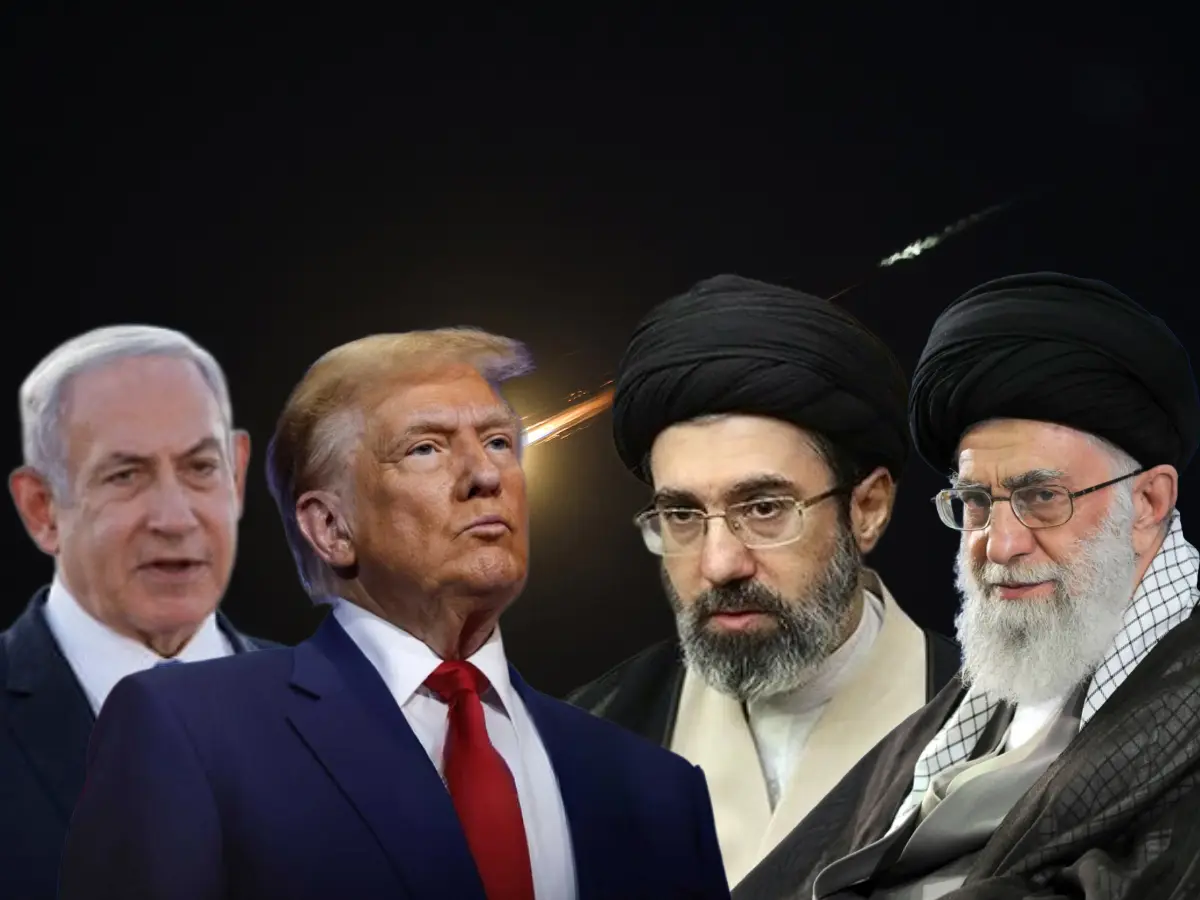
After US–Israel decapitatation of Iran’s leadership, there's no sign of an alternative form of government emerging. Former anti-regime protesters are not cheering on the streets for a revolution. The US is talking with Kurds, Baluch, Arab groups and dissidents. Has Iran's fragmentation begun?
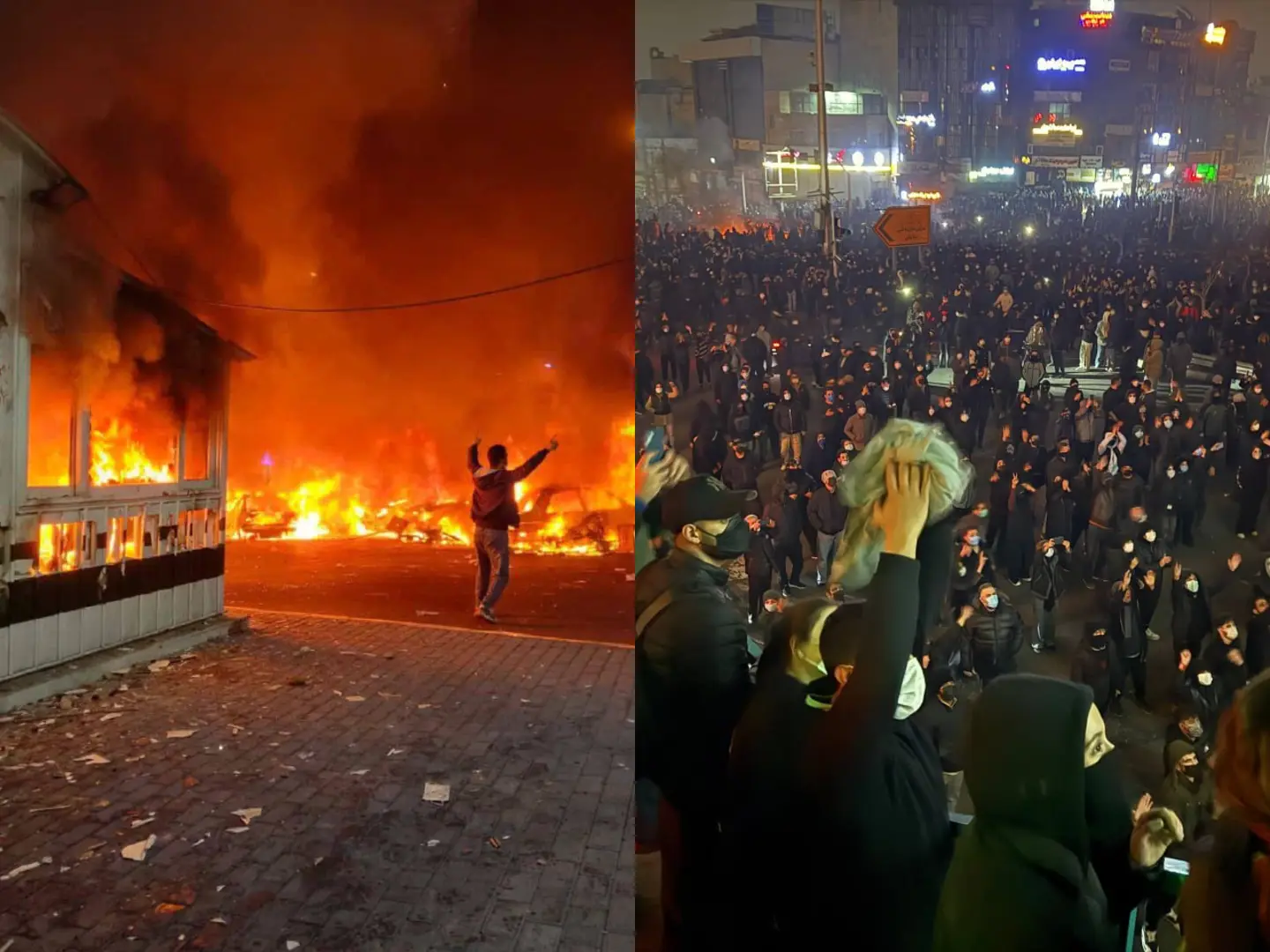
It is very clear that Iran of 2026 is not Iraq of 2003. No large groups of protesters against the regime have gathered in Tehran's Azadi Square with claims to form the next government, five days after US-Israeli bombing. There is no sign of a new government, other than the Islamic Republic. At best, people are confused, afraid and keeping a low profile. As Iranian Foreign Minister Abbas Araghchi said, the US and Israel have bombed out the entire negotiating table, leaving nobody to take charge of the nation. The US is appealing to ethnic groups such as the Kurds to take the fight forward in their respective regions against the still-entrenched Iranian forces to help complete the transition into a new regime. But how good is that idea?
Best alternatives to current Iranian leadership are already gone in Israeli strikes
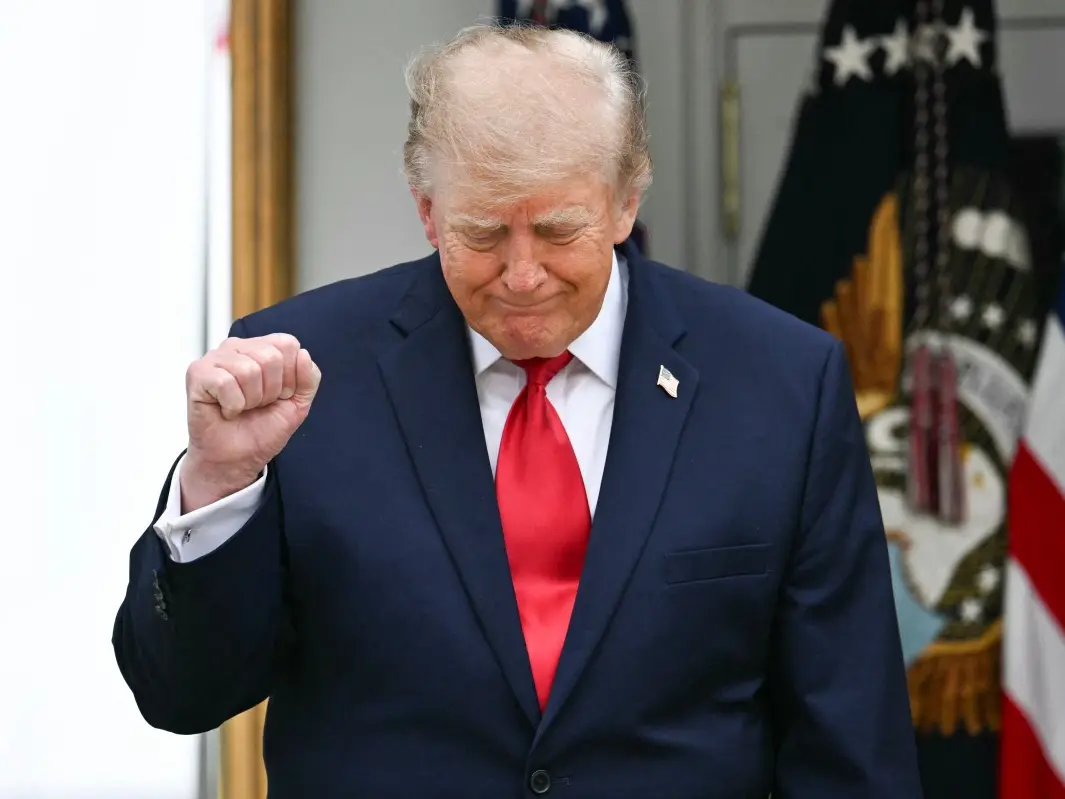
US President Donald Trump himself said that the second and third options for leadership transition are gone. This is because, the first day of the current conflict saw Israel “take out” much of the leadership of Iran, including Supreme Leader Ali Khamenei. This could frustrate any future efforts to bring in a semblance of security, safety and stability. Added to this is the Israeli threat that any new Supreme Leader would also be a target for assassination.
Iran is not a simple puzzle to crack, it's a vast nation
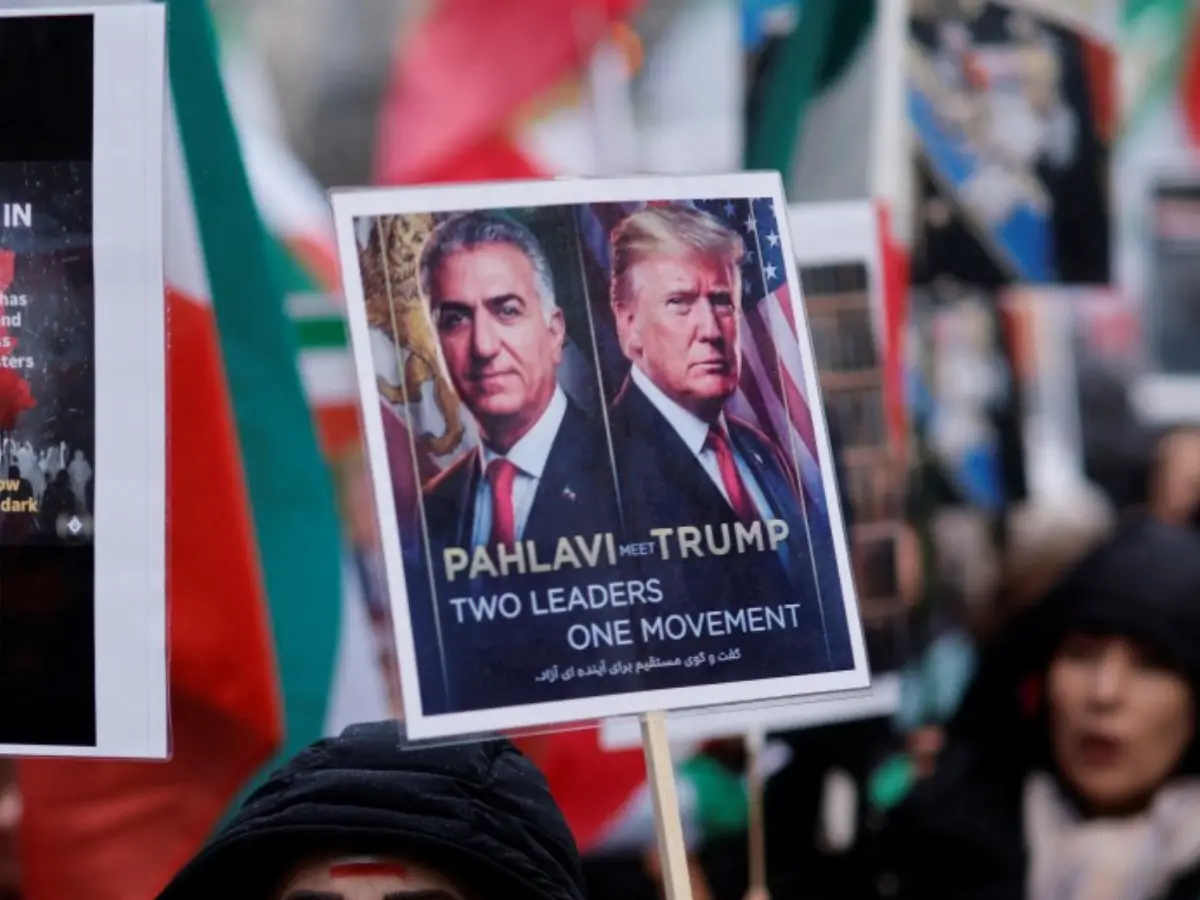
Iran is a vast nation with huge resources, including oil. With its control over much of the Strait of Hormuz, Iran has long played a key role in global commerce. Surprisingly, Iran is still standing in spite of the decapitation strikes by the US and Israel. Reza Pahlavi, the son of the last Shah, repeatedly said he is ready to take Iran into a new phase of transition, but neither Trump nor Israel appears interested in backing him. Even the last Shah’s widow urged caution and warned against plunging the country into chaos, saying Iran must not be allowed to descend into bloodshed and fragmentation.
Trending Stories
&imwidth=280&imheight=210&format=webp&quality=medium)
&imwidth=280&imheight=210&format=webp&quality=medium)
&imwidth=280&imheight=210&format=webp&quality=medium)
&imwidth=280&imheight=210&format=webp&quality=medium)
&im=FitAndFill=(700,400)&imwidth=280&imheight=210&format=webp&quality=medium)
&imwidth=280&imheight=210&format=webp&quality=medium)

&imwidth=280&imheight=210&format=webp&quality=medium)
&imwidth=280&imheight=210&format=webp&quality=medium)
&imwidth=280&imheight=210&format=webp&quality=medium)
&im=FitAndFill=(700,400)&imwidth=280&imheight=210&format=webp&quality=medium)

&imwidth=280&imheight=210&format=webp&quality=medium)
&im=FitAndFill=(700,400)&imwidth=280&imheight=210&format=webp&quality=medium)
&imwidth=280&imheight=210&format=webp&quality=medium)
&imwidth=280&imheight=210&format=webp&quality=medium)
&imwidth=280&imheight=210&format=webp&quality=medium)
&im=FitAndFill=(700,400)&imwidth=280&imheight=210&format=webp&quality=medium)
&imwidth=280&imheight=210&format=webp&quality=medium)
&imwidth=280&imheight=210&format=webp&quality=medium)
&imwidth=280&imheight=210&format=webp&quality=medium)
&imwidth=280&imheight=210&format=webp&quality=medium)
&imwidth=280&imheight=210&format=webp&quality=medium)
&im=FitAndFill=(700,400)&imwidth=280&imheight=210&format=webp&quality=medium)
&imwidth=280&imheight=210&format=webp&quality=medium)
&imwidth=280&imheight=210&format=webp&quality=medium)
&imwidth=280&imheight=210&format=webp&quality=medium)
&imwidth=280&imheight=210&format=webp&quality=medium)
&imwidth=280&imheight=210&format=webp&quality=medium)
&imwidth=280&imheight=210&format=webp&quality=medium)
&imwidth=280&imheight=210&format=webp&quality=medium)
&imwidth=280&imheight=210&format=webp&quality=medium)
&imwidth=280&imheight=210&format=webp&quality=medium)
&imwidth=280&imheight=210&format=webp&quality=medium)
&imwidth=280&imheight=210&format=webp&quality=medium)
&im=FitAndFill=(700,400)&imwidth=280&imheight=210&format=webp&quality=medium)
&im=FitAndFill=(700,400)&imwidth=280&imheight=210&format=webp&quality=medium)
&imwidth=280&imheight=210&format=webp&quality=medium)
Also read: Trump’s 'Operation Epic Fury' targets Tehran: Is a US-backed militia the key to ending the Iran war?
Iran today is not like Iraq in 2003: Not many cheering for the US or Israel or the fall of a regime
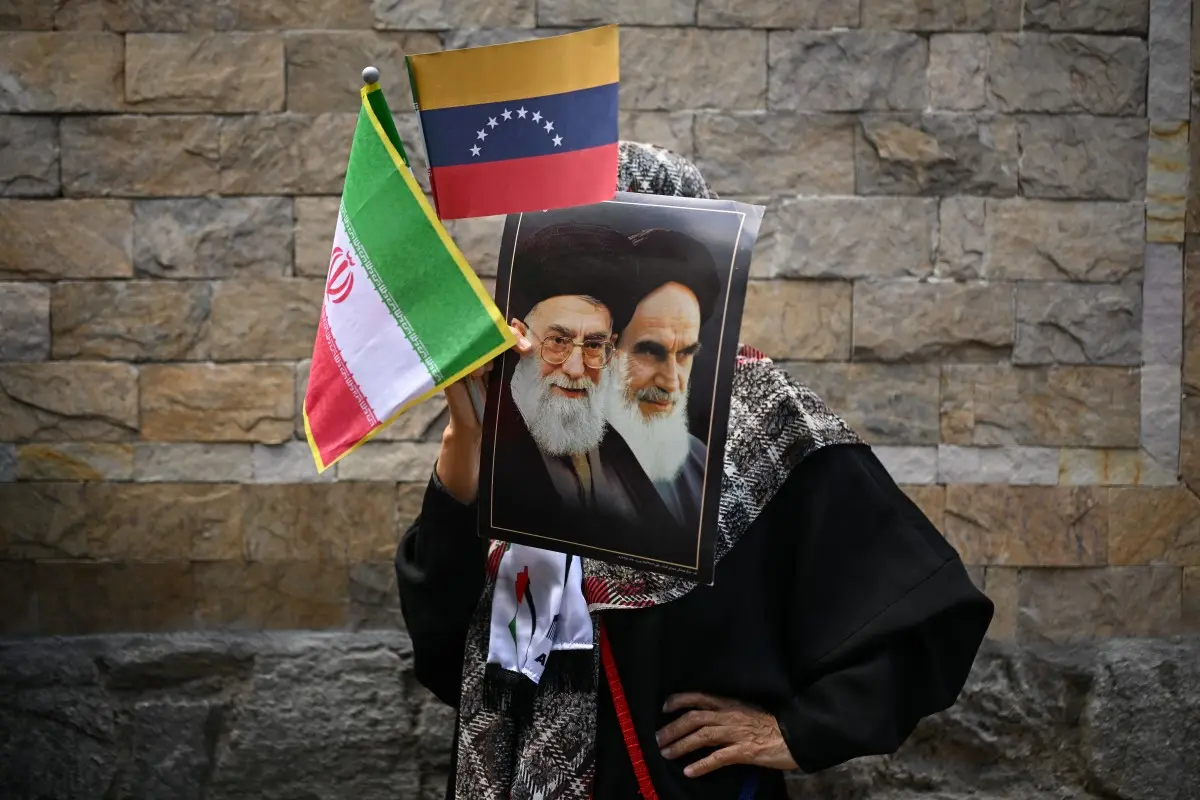
When the US invaded Saddam Hussein’s Iraq in 2003, many people there rejoiced. But in Iran today, there is no comparable atmosphere. The large, sustained protest movements of late 2025 did draw millions into the streets initially. However, before the February 27 bombardment, the Iranian system had already brutally suppressed the protests, with killings, mass arrests and an internet blackout. This may be why, after the US–Israel strike, there is no unified rival government claiming authority or occupying major Iranian cities. Perhaps the discontent, though serious, was not nationwide as projected in some sections of the media earlier; it was concentrated in pockets of Iranian society.
Thousands of protesters were reportedly killed amid curfews, arrests and show trials. Tehran residents might be too fearful now to suddenly come out and attempt a physical overthrow of the government or its officials.
In short, there is no revolution.
Iran’s permanent UN envoy has said that Tehran has not contacted Washington about peace talks and is sceptical about resuming official negotiations after the hostilities. With possible intermediaries such as Qatar, Oman and the UAE also drawn into the conflict by Iranian retaliatory strikes, even indirect talks have been disrupted.
From Kurds to Baluchs to Arabs and others: What are the US options for a proxy takeover?
Reports say that the US has been in discussions with Iranian Kurdish militia leaders about potential military operations in western Iran. The idea is for Kurdish forces to weaken Iranian security forces in border regions. The US appears ready to arm the Kurds and provide intelligence cooperation.
Long fighting the Islamic Republic, the Kurds are battle-hardened and familiar with the territory in western Iran that have seen opposition to Tehran. Kurdish groups have formed alliances and articulated political aims beyond simply supporting protests too.
But there are downsides. If they are entertained too much, the Kurds may push for secession. Many Kurdish groups have long sought autonomy or self-determination rather than reintegration into a centralised Iranian state.
US engagement with Kurdish forces could inflame ethnic tensions, trigger wider regional conflict and draw in neighbours such as Turkey, which hosts a volatile Kurdish community that has only recently scaled down armed attacks on Turkish state targets.
US arming of Kurdish groups could lead to a never-ending civil war situation, similar to what Syria experienced for over a decade after the so-called Arab Spring revolutions.
This could, in essence, lead to the Balkanisation of Iran into ethnic strongholds and pockets.
Other than the Kurds, what options does the US have in Iran?
The Baluch minority in south-eastern Iran is another group the US is believed to be in contact with, according to intelligence reports. These are largely Sunni groups that have long sought greater autonomy or independence and have a history of armed resistance against the Iranian state.
The Arab minority in Khuzestan province is another group in Iran’s south-west that has engaged in protests and clashes with security forces in past years and remains politically significant.
Feelers have also been sent to moderate regime officials and dissidents inside Iran. The US may be talking to ‘friendly figures’ within Iran’s military and government, offering conditional support to those willing to break with hardliners.
US strategists are also said to be engaging civil society actors, local leaders and influencers inside Iran who might provide political legitimacy or leadership in a transition period, not necessarily as armed groups.
Can exile groups run Iran?
There is a multitude of Iranian opposition groups in exile, such as the Iran National Council, which bring together secular and pro-democracy factions, including supporters of Reza Pahlavi. However, there has been no direct high-level US coordination with them in the context of the current crisis.
Iran-focused opposition organisations based in the West or the US are part of the broader opposition ecosystem and often influence Washington policy debates. The Organisation of Iranian American Communities (OIAC), an advocacy group that supports ending the Islamic Republic’s rule and a democratic transition, is one such, with historical links to the People’s Mojahedin Organisation of Iran (MEK).
However, none of these groups appears capable of handling a wholesale political or governmental transition inside Iran at present.
In short, there is no consolidated internal interim government or group capable of providing broad national leadership to Iranians.
In essence, if continuity is not ensured, the US and Isreael run the risk of leaving behind a major power vacuum in Iran.
Continuity of governance, at present, can only come from remnants of the Islamic Republic.
US leveraging of any other group, without a cohesive and broadly supported governance plan, risks internal fragmentation, ethnic conflict, Balkanisation and possible civil war, rather than a smooth transition.
Disclaimer: WION takes utmost care to accurately and responsibly report ongoing conflicts in West Asia involving Israel, Iran, US, Gulf nations and non-state actors like Hezbollah, Hamas, Houthis, Islamic State, and others. Claims and counterclaims, disinformation and misinformation are being made online and offline. Given this context, WION cannot independently verify the authenticity of all statements, social media posts, photos and videos.